Trump Threatens Iran as USS Abraham Lincoln Arrives, Air Drills Commence
Updated (2 articles)
Carrier Strike Group Abraham Lincoln Deploys to Middle East The USS Abraham Lincoln carrier strike group entered the region on Monday, bringing several dozen fighter jets, roughly 5,000 sailors, and guided‑missile destroyers equipped with air‑defense systems [1][2]. Its arrival marks the first major naval element of the U.S. buildup aimed at countering Iranian aggression. The deployment follows heightened diplomatic friction after Tehran’s recent statements on U.S. threats.
CENTCOM Launches Multi‑Day Air Power Exercise U.S. Central Command announced a multi‑day combat‑air‑power drill to demonstrate that airmen can disperse, operate, and generate combat sorties under demanding conditions [2]. Lt. Gen. Derek France, AFCENT commander, delivered the statement, but the exercise’s location, duration, and assets remain classified [2]. A similar readiness drill was noted by U.S. Air Forces Central, underscoring coordinated air‑force preparation [1].
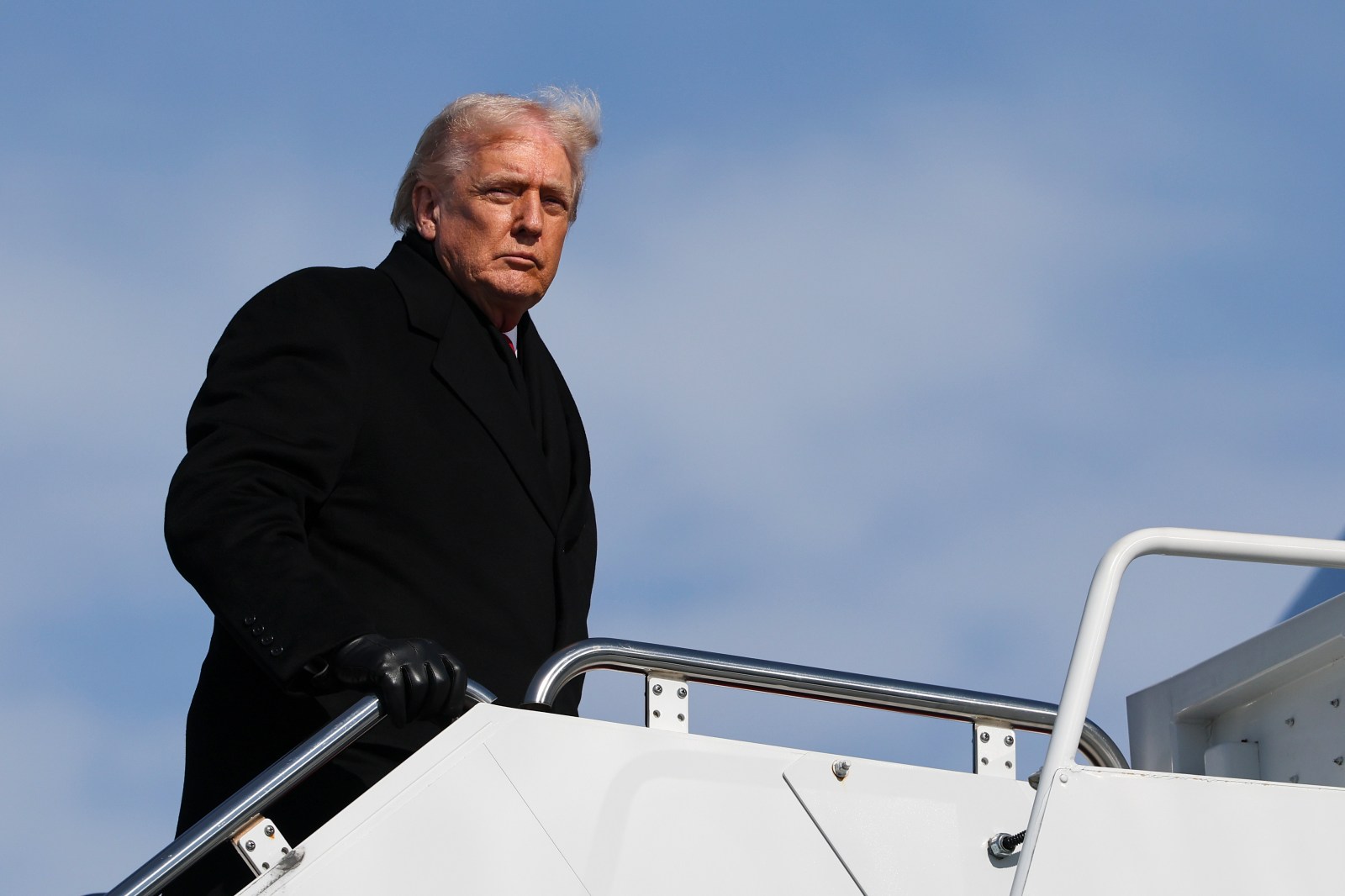
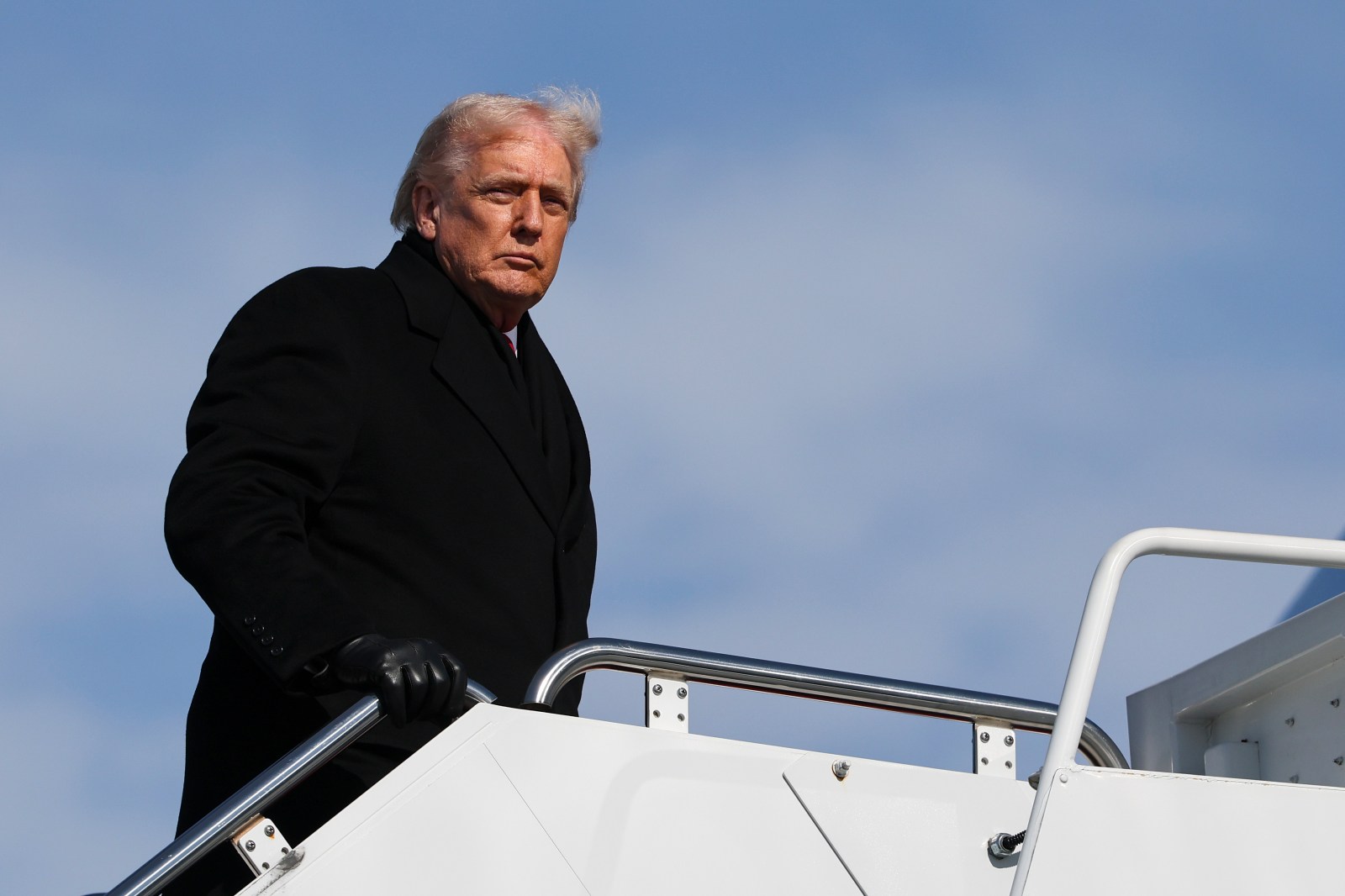
Trump Issues Ultimatum Threatening “Far Worse” Strikes President Donald Trump posted on Truth Social that a “massive Armada” led by the Abraham Lincoln is moving quickly toward Iran, larger than the force sent to Venezuela, and is “ready, willing, and able” to strike if necessary [1]. CNN reported Trump told reporters the United States has many ships heading toward Iran as a precaution, though officials say no final decision on military action has been made [2]. The rhetoric intensifies the diplomatic standoff and signals possible escalation.
Iran Vows Retaliation and Declares Capability Iranian Foreign Minister Abbas Araghchi rejected U.S. overtures, urging Washington to stop war threats if it seeks diplomatic engagement [1]. Assembly of Experts member Abbas Kaabi warned of “unimaginable consequences” should the U.S. target Supreme Leader Ali Khamenei [1], while spokesperson Esmaeil Baghaei asserted Iran is “more than capable” of answering any U.S. aggression [2]. Tehran also pledged to strike U.S. installations in the Middle East, specifically naming Qatar’s Al Udeid Air Base [1].
Saudi Arabia and UAE Deny US Use of Airspace Both Saudi Arabia and the United Arab Emirates publicly refused to allow U.S. forces to use their airspace for attacks on Iran [2]. The UAE additionally declined logistical support despite hosting American forces at a base in Abu Dhabi, highlighting regional reluctance to become directly involved [2]. These refusals limit U.S. operational options and add complexity to any potential strike plan.
Sources
-
1.
Newsweek: Trump Issues New Ultimatum to Iran, Threatening “Far Worse” Strikes – Details Trump’s Truth Social warning, the Abraham Lincoln carrier’s arrival, Iranian Assembly member’s retaliation threat, and undisclosed U.S. air‑force readiness drills .
-
2.
CNN: US Conducts Middle‑East Air Drills as Iran Tensions Rise – Covers CENTCOM’s multi‑day air exercise, the carrier’s deployment, Saudi/UAE airspace refusals, Iranian crackdown death toll, and Iran’s claim of capability to respond .
Timeline
2025 – Iran’s violent crackdown on anti‑government protests kills more than 5,800 demonstrators, with an additional 17,091 deaths under review, prompting widespread international condemnation [1].
Jan 23, 2026 – President Donald Trump tells reporters the United States is moving an “armada” toward Iran, warning of potential conflict while saying the administration still weighs options [1].
Jan 26, 2026 – The USS Abraham Lincoln carrier strike group arrives in the Middle East, bringing dozens of fighter jets, roughly 5,000 sailors and guided‑missile destroyers, marking the first major U.S. naval element of the buildup [1][2].
Jan 28, 2026 – Trump posts on Truth Social that a massive armada led by the Abraham Lincoln is “ready, willing, and able to rapidly fulfill its mission, with speed and violence, if necessary” [2].
Jan 28, 2026 – Iran’s foreign minister Abbas Araghchi rejects U.S. overtures, stating Tehran has not asked for negotiations and urging Washington to stop war threats to enable diplomatic engagement [2].
Jan 28, 2026 – Lt. Gen. Derek France announces that U.S. Air Forces Central will conduct a classified multi‑day combat‑air‑power exercise across its area of responsibility, demonstrating dispersed sortie generation under demanding conditions [1][2].
Jan 28, 2026 – Iran’s Assembly of Experts member Abbas Kaabi warns that any U.S. strike on Supreme Leader Ali Khamenei would bring “unimaginable consequences” for the United States [2].
Jan 28, 2026 – Iran vows retaliation against U.S. assets in the region, specifically naming Qatar’s Al Udeid Air Base as a target should the United States launch an attack [2].
Jan 28, 2026 – Iran’s foreign‑ministry spokesperson Esmaeil Baghaei declares Iran “more than capable” of answering any U.S. aggression and says the arrival of warships does not affect its defensive determination [1].
Jan 28, 2026 – Saudi Arabia and the United Arab Emirates publicly refuse to allow their airspace or logistical support for U.S. military action against Iran, underscoring regional reluctance to become directly involved [1].
Jan 28, 2026 – The United States plans future multi‑day air drills in the Middle East to prove airmen can disperse, operate and generate combat sorties alongside partners under demanding conditions, though dates, locations and assets remain classified [1].