U.S. Orders Final Pullout of 1,000 Troops From Syria by April 2026
Updated (3 articles)
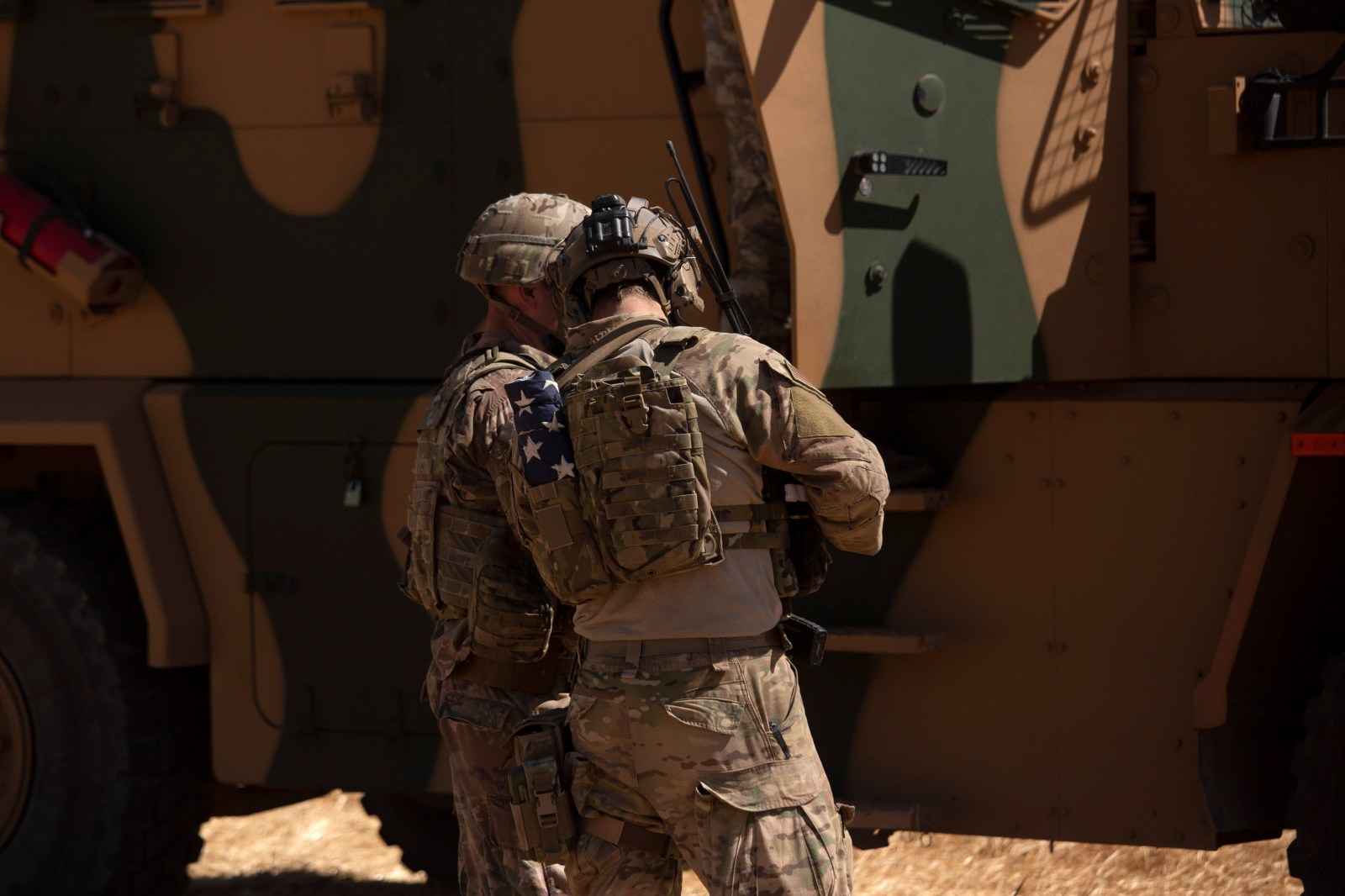
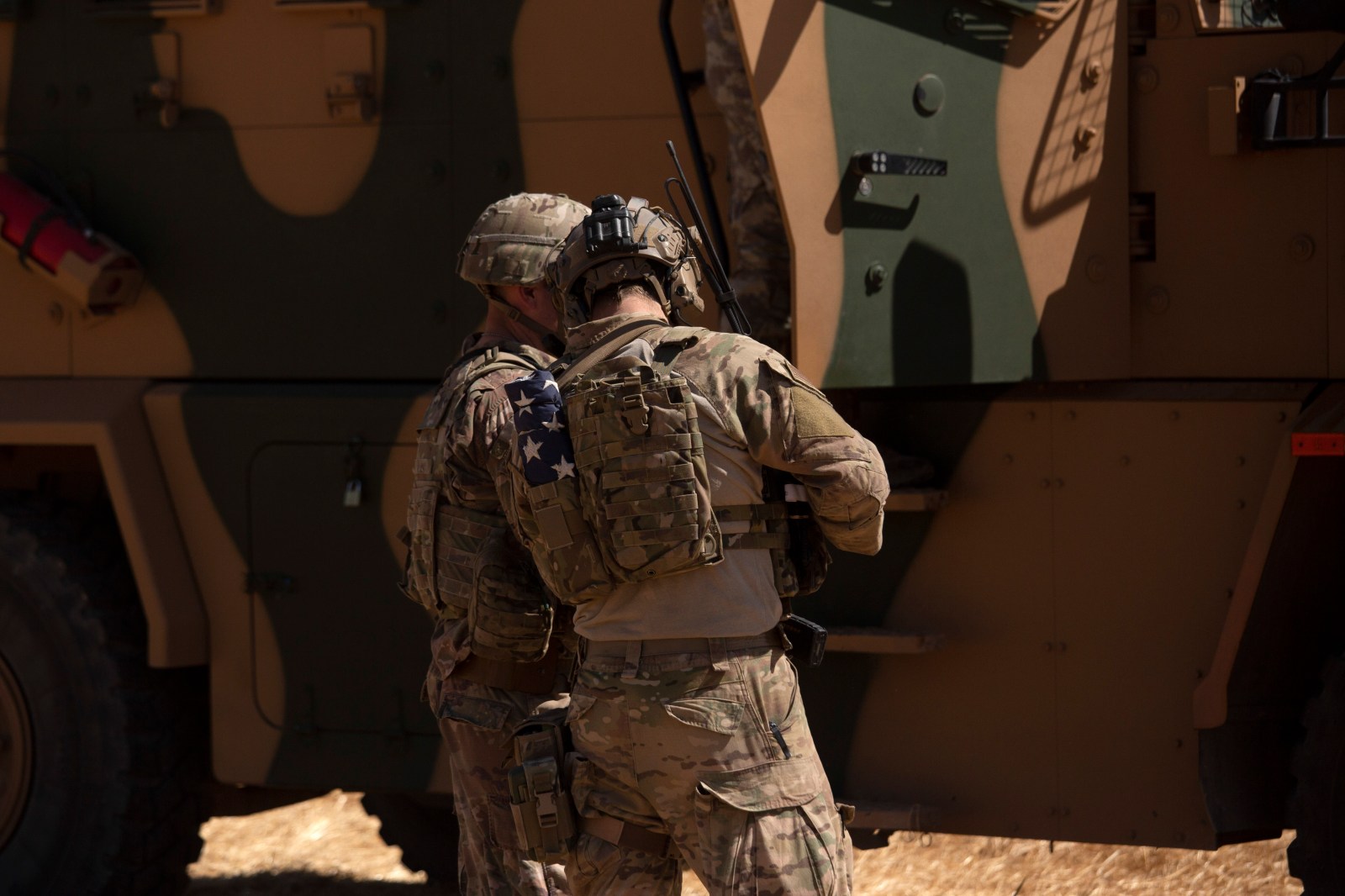
Withdrawal Timeline and Scale Announced by Senior Official The United States will extract roughly 1,000 service members from Syria within the next 60 days, ending the remaining American footprint in the country [1]. A senior U.S. official told Reuters the drawdown will be completed over two months, with a portion of the force already departed under a conditions‑based transition [1]. Troops that stay will continue limited support for partner‑led anti‑ISIS operations until the hand‑over is finished [1].
Origins of U.S. Presence Linked to 2015 Anti‑ISIS Coalition Washington first deployed forces to Syria in 2015 as part of an international coalition to defeat ISIS, working closely with the Kurdish‑led Syrian Democratic Forces (SDF) [1]. The partnership grew into a sustained presence that helped reclaim large swaths of territory from the terror group [1]. Syrian President Ahmed al‑Sharaa’s recent willingness to assume primary counter‑terrorism responsibility now makes the large‑scale U.S. deployment unnecessary [1].
Political Context and Prior Withdrawal Promises Former President Donald Trump pledged a full pullout, announcing a 2,000‑troop withdrawal but retaining a smaller contingent after internal opposition and the resignation of Defense Secretary James Mattis [1]. The current extraction is unrelated to recent Iranian‑backed attacks that killed two Iowa National Guard members and a translator in Palmyra, a point confirmed by CBS News [1]. The administration frames the move as a strategic shift rather than a reaction to regional escalations [1].
Remaining Forces to Support Partner‑Led Operations The troops that remain will focus on supporting the SDF and other local partners in targeting ISIS remnants, employing a conditions‑based approach to ensure stability [1]. No large‑scale U.S. force buildup is planned despite heightened tensions in the region [1]. The withdrawal aims to transfer counter‑terrorism leadership to Damascus while preserving limited anti‑ISIS capabilities [1].
Related Tickers
Timeline
2015 – The United States deploys troops to Syria as part of an anti‑ISIS coalition, partnering with the Kurdish‑led Syrian Democratic Forces (SDF) to combat the terror group [2].
2021 – The United States ends its combat role in Iraq, shifting to an advisory and assistance mission of roughly 2,500 personnel and moving from frontline engagement to training and coordination [1].
2024 – Iraq and the United States sign an agreement that sets a full US pullout from the Ain al‑Asad air base by September 2025 as part of a broader plan to wind down the coalition against ISIS [3].
July 2025 – In an interview with AP, Iraqi official Al‑Sudani says that once the coalition withdrawal is complete, no non‑state group will have justification to bear arms outside state control, highlighting Baghdad’s disarmament objectives [3].
Jan 17, 2026 – Iraqi Army Chief of Staff Lt. Gen. Abdul Amir Rashid Yarallah oversees the handover of Ain al‑Asad, confirming that all US personnel and equipment have left and that the base now operates under full Iraqi control, potentially strengthening Baghdad’s leverage in disarmament talks [3].
Jan 19, 2026 – Iraq’s defence ministry announces that the final US advisers depart Al‑Asad Air Base, completing the withdrawal from federal territory while US forces remain at Harir Air Base in the autonomous Kurdistan Region; the ministry emphasizes that the Joint Operations Command headquarters now sits under Iraqi security forces [1].
Feb 18, 2026 – A senior US official tells Reuters that the remaining 1,000 US troops will be pulled out of Syria within the next 60 days, ending the American footprint there; the pullout proceeds under a conditions‑based transition and is not linked to recent Iranian‑backed attacks [2].
Mid‑April 2026 (expected) – The United States plans to finish the Syrian pullout, after which any remaining US personnel will only support partner‑led counter‑ISIS operations, marking the final phase of a presence that began in 2015 [2].