Abu Dhabi Talks Yield Constructive Dialogue as Ukraine Strikes Kapustin Yar and Registers Starlink Terminals
Updated (11 articles)
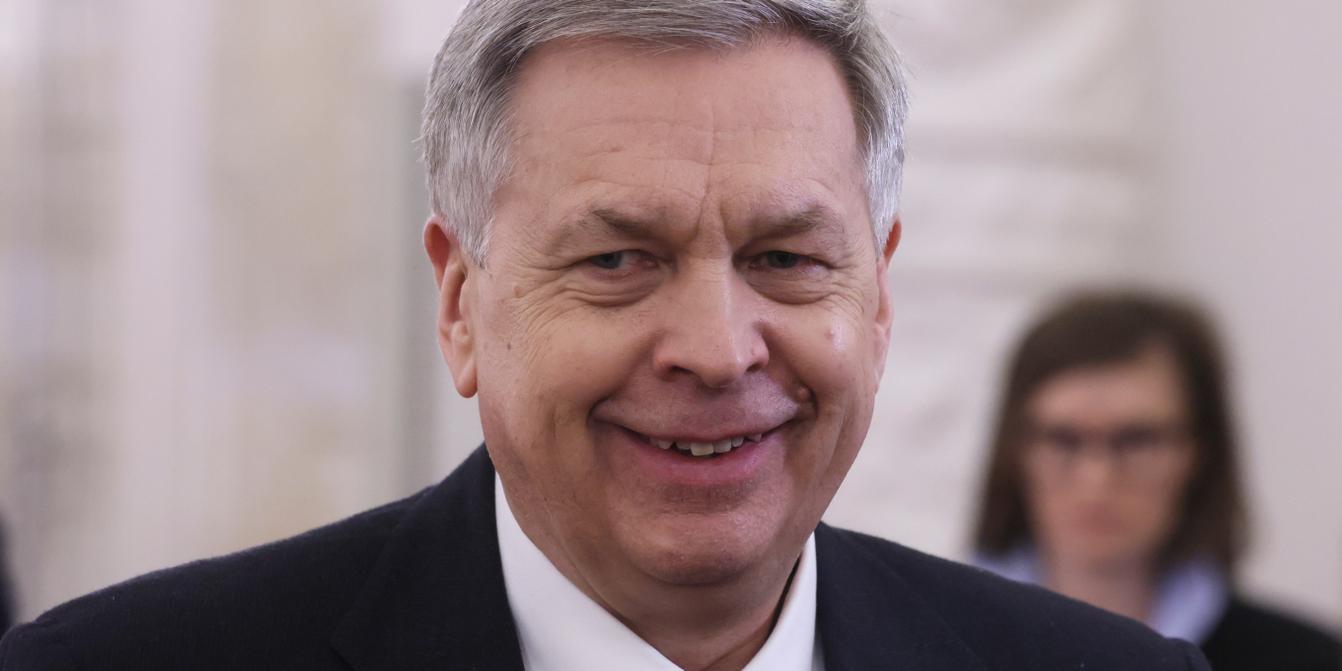
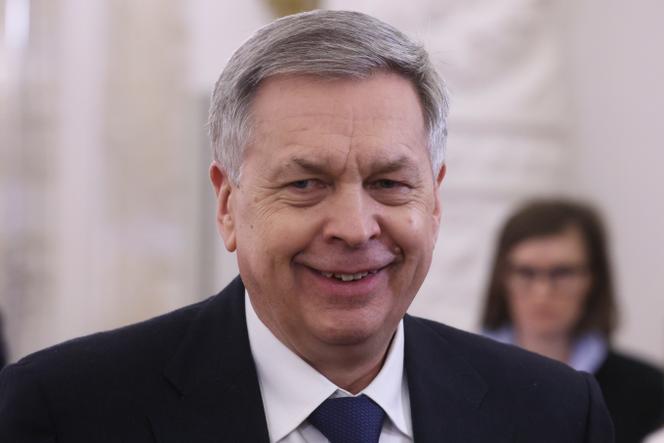
Constructive Abu Dhabi Trilateral Talks Bring Ukrainian and Russian Leaders Together On Feb 4‑5, a trilateral meeting in Abu Dhabi hosted delegations from the United States, Ukraine and Russia; Ukrainian Defense Council Secretary Rustem Umerov and Presidential Office Head Kyrylo Budanov attended alongside Russian GRU chief Igor Kostioukov, whom President Putin dispatched for the second round of talks [1][2]. Both outlets describe the sessions as “constructive,” noting that working groups exchanged positions on security guarantees and future negotiations. President Zelensky warned that the talks would be “corrected” after Russia’s massive missile barrage on Feb 2, underscoring the fragile diplomatic environment [2].
Ukraine Launches Counterstrike on Russian Missile Facility The Ukrainian General Staff confirmed that on Jan 30 2026, Ukraine hit Russia’s Kapustin Yar launch complex with FP‑5 Flamingo cruise missiles, damaging missile‑preparation hangars [1]. Video posted by co‑owner Denys Shtilierman corroborated the strike, marking one of Kyiv’s most significant offensive operations since the war’s escalation. The attack was highlighted by both sources as evidence of Ukraine’s growing long‑range strike capability despite ongoing Russian bombardments.
Starlink Terminals Deployed to Disrupt Russian Communications Defense Minister Mykhailo Fedorov announced that Ukraine began registering Starlink terminals in early February to deny Russian forces reliable communications and drone‑control links [1]. The first authorized terminals are now operational, with commanders warning that disabling Russian Starlink usage will hamper battlefield air interdiction. This initiative reflects Kyiv’s broader strategy to counter Russian electronic warfare and logistics.
New START Treaty Bridge Negotiated Amid Expiring Deadline Senior U.S. and Russian military officials reconvened on Feb 5 to discuss a six‑month bridge extending the New START arms‑control treaty, which was set to expire that day [1]. EUCOM reported that high‑level dialogue was re‑established to explore an informal continuation while a formal agreement is negotiated. Both articles stress the urgency of preventing a lapse in the treaty’s verification regime.
Kremlin Pushes Neutral Ukraine Narrative While Energy Strikes Continue In a Feb 4 RT interview, Foreign Minister Sergei Lavrov dismissed proposed multi‑layered Western security guarantees as an “ultimatum,” framing them as a pretext for further arming Kyiv [1]. Lavrov reiterated that Russia seeks a “neutral, friendly, benevolent” Ukraine, effectively a proxy state rather than full territorial control. Meanwhile, Russia resumed large‑scale attacks on Ukrainian energy infrastructure on Feb 2, contradicting a U.S. claim of a temporary pause in strikes that proved false [2].
Sources
-
2.
*Le Monde*: Russia Sends GRU Chief Igor Kostioukov to Abu Dhabi for Feb 4‑5 Talks – Details Kostioukov’s role, the composition of delegations, Zelensky’s warning of “correction” after a record Russian missile barrage, and the false U.S. claim of a strike pause, emphasizing the ongoing bombardment during negotiations .
-
1.
*ISW*: Abu Dhabi talks, new Kremlin narratives, and shifting battlefield tools – Highlights constructive trilateral talks, Lavrov’s narrative on a neutral Ukraine, the six‑month New START bridge, Ukraine’s Kapustin Yar strike, and the rollout of Starlink terminals to jam Russian communications .
Related Tickers
Videos (1)
Timeline
2014 – Russia annexes Crimea, establishing a precedent for territorial disputes that later shape peace negotiations over the Donbas and other occupied regions [7].
Feb 2022 – Russia launches a full‑scale invasion of Ukraine, creating the four‑year conflict that underlies the 2026 trilateral talks [7].
Jan 22, 2026 – Zelensky announces that Ukraine, Russia and the United States will meet in the United Arab Emirates, linking the talks to his recent Davos discussion with Donald Trump and stressing that any settlement must address the future status of the Donbas, with Russia needing to show willingness to compromise [3].
Jan 23, 2026 – The first trilateral security talks open in Abu Dhabi, with delegations led by Admiral Igor Kostioukov (Russia), Rustem Umerov (Ukraine) and U.S. envoys Steve Witkoff and Jared Kushner; the meeting launches a working group on security issues and focuses on the territorial question, while Russia conducts a five‑hour Baltic Sea bomber patrol as a show of force [5].
Jan 23, 2026 – The Kremlin confirms Russian participation and describes the talks as “useful” but conditional on resolving territorial issues, reiterating that a durable peace hinges on the Donbas question [2].
Jan 23, 2026 – Zelensky tells the nation the talks are too early to judge, notes that Ukraine’s security‑guarantees document is finalized and awaiting a signing date coordinated with President Trump, and warns that the Donbas remains the central obstacle as Russian strikes cripple Kyiv’s power and heat supplies [6].
Jan 23, 2026 – Kremlin spokesman Dmitry Peskov says the territorial issue is the key obstacle; Putin meets Witkoff and Kushner, insisting Kyiv must withdraw from the annexed eastern areas, while Zelensky highlights a proposed free‑trade zone for the east discussed in Davos [9].
Jan 25, 2026 – Zelensky declares the U.S. security‑guarantees text “100 % ready,” links Ukraine’s EU accession by 2027 to an “economic security guarantee,” and confirms the next round of talks will reconvene on Feb 1 in Abu Dhabi [8].
Jan 26, 2026 – The inaugural three‑way meeting since the 2022 invasion takes place; Zelensky calls the discussions “constructive” and focused on war‑ending parameters, Witkoff labels them “very constructive” and schedules a follow‑up on Feb 1, while Russia launches its largest overnight air attack coinciding with the talks, killing civilians and cutting heat to thousands of apartments [4].
Jan 26, 2026 – Kremlin spokesman Dmitry Peskov notes constructive progress but no breakthrough, reiterates that a U.S. security‑guarantees document is ready, and reports intensified drone warfare as both sides claim dozens of drones; German foreign minister Johann Wadephul warns of Moscow’s “stubborn” territorial rigidity [7].
Feb 1, 2026 – Delegations reconvene in Abu Dhabi for the second round of trilateral talks, as scheduled, to continue negotiations on military, economic and cease‑fire issues [4].
Feb 2, 2026 – Russia fires a record‑breaking barrage of ballistic missiles and drones against Ukrainian energy infrastructure, prompting Zelensky to warn that negotiators will be “corrected” after the massive strikes [11].
Feb 4, 2026 – Russian Foreign Minister Sergei Lavrov dismisses the proposed multi‑layered U.S. security guarantees as “practically an ultimatum,” frames them as a pretext for Western arming of Kyiv, and states Russia seeks a “neutral, friendly” Ukraine rather than full territorial control [10].
Feb 4‑5, 2026 – Admiral Igor Kostioukov leads the Russian delegation for the second Abu Dhabi round; Ukraine is represented by Rustem Umerov and Kyrylo Budanov, while Zelensky warns the talks will be “corrected” in response to the recent Russian missile barrage [11].
Feb 5, 2026 – Trilateral consultations continue and are described as constructive by Ukrainian Defense Council Secretary Rustem Umerov and Presidential Office Head Kyrylo Budanov [10].
Feb 5, 2026 – Senior U.S. and Russian military officials discuss a six‑month bridge to extend the New START treaty after its expiry on Feb 5, aiming to maintain strategic stability while broader negotiations proceed [10].
Feb 5, 2026 – Ukraine strikes Russia’s Kapustin Yar missile‑launch site with FP‑5 Flamingo cruise missiles, damaging preparation hangars and demonstrating Kyiv’s growing long‑range strike capability [10].
Feb 5, 2026 – Ukraine begins registering Starlink terminals to disrupt Russian communications and drone control, with Defense Minister Mykhailo Fedorov announcing the first authorized terminals are now operational [10].
All related articles (11 articles)
-
ISW: Abu Dhabi talks, new Kremlin narratives, and shifting battlefield tools
-
Le Monde: Russia Sends GRU Chief Igor Kostioukov to Abu Dhabi for Feb 4‑5 Talks
-
AP: Kremlin Reports Constructive Progress in Abu Dhabi Peace Talks Amid Ongoing Conflict
-
CNN: Ukraine‑Russia‑US Trilateral Talks Advance Amid Ongoing Fighting
-
AP: U.S. Security Guarantees for Ukraine Declared Ready, Zelenskyy Says
-
BBC: Ukraine‑Russia‑US Trilateral Talks in Abu Dhabi: Limited Progress Amid High Stakes
-
Newsweek: Zelensky says it's too early to judge Abu Dhabi trilateral talks
-
AP: Kremlin says territorial issue key obstacle to Ukraine peace as Abu Dhabi talks proceed
-
CNN: US, Ukraine and Russia hold first trilateral talks on security issues in Abu Dhabi
-
BBC: Russia, Ukraine and US to hold trilateral talks in Abu Dhabi
-
BBC: Zelensky says trilateral talks with US and Russia set for UAE after Davos meeting
External resources (122 links)
- https://www.youtube.com/watch?v=ZDBt8L4uAGE (cited 2 times)
- https://www.ap.org/news-highlights/spotlights/2024/russia-has-used-its-hypersonic-oreshnik-missile-for-the-first-time-what-are-its-capabilities/ (cited 1 times)
- https://www.axios.com/2026/02/05/new-start-arms-control-us-russia-extend (cited 1 times)
- https://www.wsj.com/politics/national-security/trump-calls-for-new-nuclear-pact-with-russia-as-previous-treaty-ends-eb3a4a9a?gaa_at=eafs&gaa_n=AWEtsqe9tx83y1eM3bSbrkc2tcmVRwXJLEfvsfanXR3G7-uiAuKkyLbHtrDu&gaa_ts=6985628d&gaa_sig=5bl_4dKWc7HBoIvrjWn73RtGU76Xk9h-jGg5H3Xq5COUm3ox-oDoHzUH3LCv07SWuCAYf4YLBgaPck-dbyic3g%3D%3D (cited 1 times)
- https://t.me/GeneralStaffZSU/34637 (cited 10 times)
- https://t.me/GeneralStaffZSU/34639 (cited 10 times)
- https://t.me/GeneralStaffZSU/34677 (cited 10 times)
- https://t.me/wargonzo/32111 (cited 9 times)
- https://t.me/GeneralStaffZSU/34665 (cited 4 times)
- https://t.me/SJTF_Odes/13556 (cited 4 times)
- https://t.me/boris_rozhin/196946 (cited 4 times)
- https://t.me/Joint_Forces_Task_Force/20009 (cited 3 times)
- https://t.me/DnevnikDesantnika/39364 (cited 2 times)
- https://t.me/DnevnikDesantnika/39380 (cited 2 times)
- https://t.me/DnevnikDesantnika/39402 (cited 2 times)
- https://t.me/severnnyi/6639 (cited 2 times)
- https://t.me/voenkorKotenok/70390 (cited 2 times)
- https://t.me/voin_dv/18573 (cited 2 times)
- https://t.me/DSNS_Kharkiv/20549 (cited 1 times)
- https://t.me/DnevnikDesantnika/39371 (cited 1 times)
- https://t.me/DnevnikDesantnika/39375 (cited 1 times)
- https://t.me/DnevnikDesantnika/39382 (cited 1 times)
- https://t.me/DnevnikDesantnika/39386 (cited 1 times)
- https://t.me/DnevnikDesantnika/39401 (cited 1 times)
- https://t.me/GeneralStaffZSU/34666 (cited 1 times)
- https://t.me/GeneralStaffZSU/34678 (cited 1 times)
- https://t.me/Khyzhak_brigade/2318 (cited 1 times)
- https://t.me/NeoficialniyBeZsonoV/49374 (cited 1 times)
- https://t.me/RBC_ua_news/181246 (cited 1 times)
- https://t.me/RVvoenkor/108710 (cited 1 times)
- https://t.me/RVvoenkor/108730 (cited 1 times)
- https://t.me/UVO58/1016 (cited 1 times)
- https://t.me/ZA_FROHT/50897 (cited 1 times)
- https://t.me/beslavnaya_baltica/188 (cited 1 times)
- https://t.me/boris_rozhin/196923 (cited 1 times)
- https://t.me/corps7DSHV/1066 (cited 1 times)
- https://t.me/dva_majors/87607 (cited 1 times)
- https://t.me/dva_majors/87624 (cited 1 times)
- https://t.me/dva_majors/87659 (cited 1 times)
- https://t.me/kpszsu/54626 (cited 1 times)
- https://t.me/milinfolive/165670 (cited 1 times)
- https://t.me/mod_russia/60889 (cited 1 times)
- https://t.me/mod_russia/60897 (cited 1 times)
- https://t.me/mod_russia/60902 (cited 1 times)
- https://t.me/mod_russia/60902. (cited 1 times)
- https://t.me/mod_russia/60906 (cited 1 times)
- https://t.me/mod_russia/60907 (cited 1 times)
- https://t.me/mod_russia/60909 (cited 1 times)
- https://t.me/motopatriot78/48420 (cited 1 times)
- https://t.me/motopatriot78/48426 (cited 1 times)
- https://t.me/motopatriot78/48433 (cited 1 times)
- https://t.me/motopatriot78/48434 (cited 1 times)
- https://t.me/nm_dnr/14993 (cited 1 times)
- https://t.me/osvedomitell_alex/32532 (cited 1 times)
- https://t.me/rusich_army/28139 (cited 1 times)
- https://t.me/rybar/77229 (cited 1 times)
- https://t.me/severnnyi/6642 (cited 1 times)
- https://t.me/tass_agency/359920 (cited 1 times)
- https://t.me/tkachenkotymur/2249 (cited 1 times)
- https://t.me/umerov_rustem/344 (cited 1 times)
- https://t.me/usf_army/1480 (cited 1 times)
- https://t.me/vitaliy_klitschko/6142 (cited 1 times)
- https://t.me/voin_dv/18502 (cited 1 times)
- https://t.me/voin_dv/18568 (cited 1 times)
- https://t.me/voin_dv/18572 (cited 1 times)
- https://t.me/vpolezrenia1/10514 (cited 1 times)
- https://t.me/wargonzo/32118 (cited 1 times)
- https://t.me/yuzhny_front_ZOV/22413 (cited 1 times)
- https://t.me/zedigital/6621 (cited 1 times)
- https://t.me/zedigital/6623 (cited 1 times)
- https://www.facebook.com/DSNSMYKOL/posts/1212972354344920?ref=embed_post (cited 1 times)
- https://www.facebook.com/reel/1428790445577618/ (cited 1 times)
- https://www.facebook.com/stepan.masel.s.kij/posts/pfbid02oPLZZUqc59iXd5PEeebYSoLwYgDa16rUmVW3oBwQJojZSoEm1bzsoqxEnWqX3iccl (cited 1 times)
- https://www.facebook.com/zelenskyy.official/posts/pfbid0FriaxEahcM5N1PgCiYZz7NPMi1ep8sjsWkszi5ss5eetja5m4D77jkJjaoNDBNp9l?rdid=lelntBdiHFC6EtBB# (cited 1 times)
- https://www.tiktok.com/@polk.dnipro1.npu/video/7603302276114976017 (cited 1 times)
- https://x.com/AudaxonX/status/2019027736275075395 (cited 1 times)
- https://x.com/AudaxonX/status/2019330700852514903 (cited 1 times)
- https://x.com/AudaxonX/status/2019357777509118299?s=20 (cited 1 times)
- https://x.com/AudaxonX/status/2019374012942676137?s=20 (cited 1 times)
- https://x.com/DenShtilierman/status/2019361495407071687 (cited 1 times)
- https://x.com/MedvedevRussiaE/status/2019115643455639634 (cited 1 times)
- https://x.com/SEPeaceMissions/status/2015152029622997116 (cited 1 times)
- https://x.com/SEPeaceMissions/status/2019354305661137340 (cited 1 times)
- https://x.com/Tatarigami_UA/status/2019356301810180163 (cited 1 times)
- https://x.com/ZelenskyyUa/status/2015062372386250962 (cited 1 times)
- https://x.com/ZoamSc2/status/2019113813153665455 (cited 1 times)
- https://x.com/dallasparkua/status/2019308604029899079 (cited 1 times)
- https://x.com/richardzai38580/status/2019117987257843979?s=20 (cited 1 times)
- https://x.com/richardzai38580/status/2019139327666843999?s=20 (cited 1 times)
- https://x.com/richardzai38580/status/2019150689117827219?s=20 (cited 1 times)
- https://x.com/richardzai38580/status/2019207029211152512?s=20 (cited 1 times)
- https://x.com/richardzai38580/status/2019334918606934519 (cited 1 times)
- https://mid.ru/ru/press_service/minister_speeches/2077070/ (cited 4 times)
- (cited 1 times)
- http://kremlin.ru/events/president/news/79098 (cited 1 times)
- http://kremlin.ru/events/president/news/79106 (cited 1 times)
- http://suspilne.media/kharkiv/1232502-na-izumsini-vnaslidok-ataki-bpla-poraneni-dvi-zinki-poskodzeni-dvi-avtivki-ta-svidka/ (cited 1 times)
- https://armyinform.com.ua/2026/02/04/ostannij-zabig-okupanta-operatory-sbs-nyshhat-rosiyan-na-lymanskomu-napryamku/ (cited 1 times)
- https://armyinform.com.ua/2026/02/05/7-j-korpus-dshv-vorog-skynuv-1340-aviabomb-na-pokrovskomu-napryamku/ (cited 1 times)
- https://armyinform.com.ua/2026/02/05/naslidky-nichnoyi-ataky-na-kyyiv-dvoye-postrazhdalyh-poshkodzheni-zhytlovi-budynky/ (cited 1 times)
- https://armyinform.com.ua/2026/02/05/sydyat-posered-polya-zakutavshys-inkoly-vdayut-mertvyh-rosiyany-viryat-u-chudodijnist-pingvin-poncho/ (cited 1 times)
- https://armyinform.com.ua/2026/02/05/vorog-ne-idiot-i-bude-shukaty-alternatyvu-vtratyvshy-starlink-rosiyany-ne-mozhut-atakuvaty-ta-rozviduvaty/ (cited 1 times)
- https://armyinform.com.ua/2026/02/05/vsya-grupa-odnym-stadom-mchyt-u-bik-nashyh-pozyczij-pid-novopavlivkoyu-rosiyany-atakuyut-u-styli-shalenogo-maksa/ (cited 1 times)
- https://armyinform.com.ua/2026/02/05/zijshov-snig-my-pobachyly-shho-dorogy-vsiyani-nymy-vorog-ne-zalyshaye-sprob-infiltruvatysya-v-kostyantynivku/ (cited 1 times)
- https://armyinform.com.ua/2026/02/05/znajshov-sobi-nirku-vede-zvidty-koryguvannya-na-pokrovskomu-napryamku-yegeri-znyshhuyut-zabiguniv/ (cited 1 times)
- https://dallas-park.com/the-ghost-engineer/ (cited 1 times)
- https://isw.pub/UkrWar121824 (cited 1 times)
- https://militarnyi.com/uk/news/biloruskyj-maz-otrymuye-detali-z-kndr/ (cited 1 times)
- https://news.ru/vlast/sluckij-obyasnil-na-chej-storone-myach-v-voprose-prodleniya-dsnv (cited 1 times)
- https://news.ru/vlast/v-gosdume-otvetili-pochemu-ssha-ne-podpisyvayut-dogovor-o-yadernom-sderzhivanii (cited 1 times)
- https://suspilne.media/donbas/1232088-rosiani-nastupaut-unoci-81-oaembr-na-slovanskomu-napramku-za-tizden-znisila-akaciu-ta-blizko-desati-garmat-rf/ (cited 1 times)
- https://suspilne.media/kharkiv/1231896-dva-budinki-u-lubotinskij-gromadi-harkivsini-zajnalisa-cerez-ataki-bpla/ (cited 1 times)
- https://suspilne.media/kharkiv/1232178-grae-na-korist-obom-storonam-ak-zminilasa-taktika-vijsk-na-harkivsini-pid-cas-morozu/ (cited 1 times)
- https://suspilne.media/mykolaiv/1232380-rosijski-droni-atakuvali-pozeznu-castinu-v-mikolaivskomu-rajoni/ (cited 1 times)
- https://t,me/boris_rozhin/196946 (cited 1 times)
- https://tass.com/politics/2082247 (cited 1 times)
- https://tass.com/politics/2082283 (cited 1 times)
- https://www.bloomberg.com/news/articles/2026-02-05/us-and-russia-enter-uncertain-era-as-key-nuclear-pact-expires (cited 1 times)
- https://www.eucom.mil/pressrelease/44261/the-us-and-russian-federation-agreed-to-reestablish-high-level-military-to-military-dialog (cited 1 times)
- https://www.mid.ru/ru/foreign_policy/news/2076815/ (cited 1 times)
- https://www.rbc.ua/rus/news/zelenskiy-vpershe-rozkriv-zmist-20-punktiv-1766524369.html (cited 1 times)
- https://youtu.be/ktxTQEl2pCg (cited 1 times)