Federal Immigration Surge in Minneapolis Escalates After Two Fatal Shootings
Updated (32 articles)
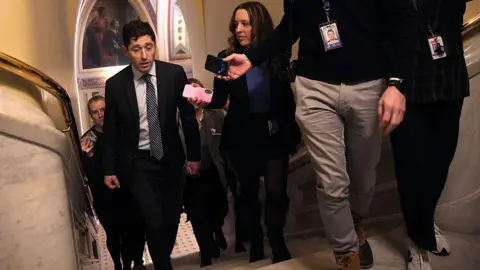
Operation Metro Surge Deploys Thousands of Federal Agents Amid Rising Tensions The Department of Homeland Security placed roughly 3,000 immigration, Border Patrol and ICE officers in the Twin Cities in late January, branding the deployment “Operation Metro Surge” after the fatal shootings of Renee Good on Jan. 12 and Alex Pretti on Jan. 23, both unarmed civilians. State and local leaders, including Governor Tim Walz and Mayor Jacob Frey, demanded a full withdrawal, arguing the presence outnumbers local police and fuels unrest [2][3][5]. The surge has prompted protests, a federal grand‑jury investigation, and a split among congressional leaders over DHS funding [2][5].
Trump Administration Reacts With Limited De‑Escalation and Leadership Changes President Donald Trump announced a modest “de‑escalation” while pledging a “big investigation” into Pretti’s killing and shifting blame toward Homeland Security Secretary Kristi Noem [6][7]. Border Patrol commander Gregory Bovino was removed from his Minnesota role on Jan. 26, and Tom Homan was installed as the new “border czar” to oversee immigration enforcement [6][7]. Despite these moves, the administration has not reduced the number of agents on the ground, maintaining the operation’s scale [5][6].
Homan Offers Conditional Drawdown and Issues New ICE Engagement Rules On Jan. 29, Homan told reporters a drawdown of the roughly 3,000 federal officers would occur only if state and local officials cooperate and cease “hateful rhetoric” [3][4]. An internal memo directed ICE agents to avoid “agitators,” use megaphones for every arrest step, and limit arrests to individuals with criminal histories, effectively reversing previous policies under Bovino [4]. No specific numbers or timelines were provided, and Minneapolis officials continue to demand a rapid reduction [2][3].
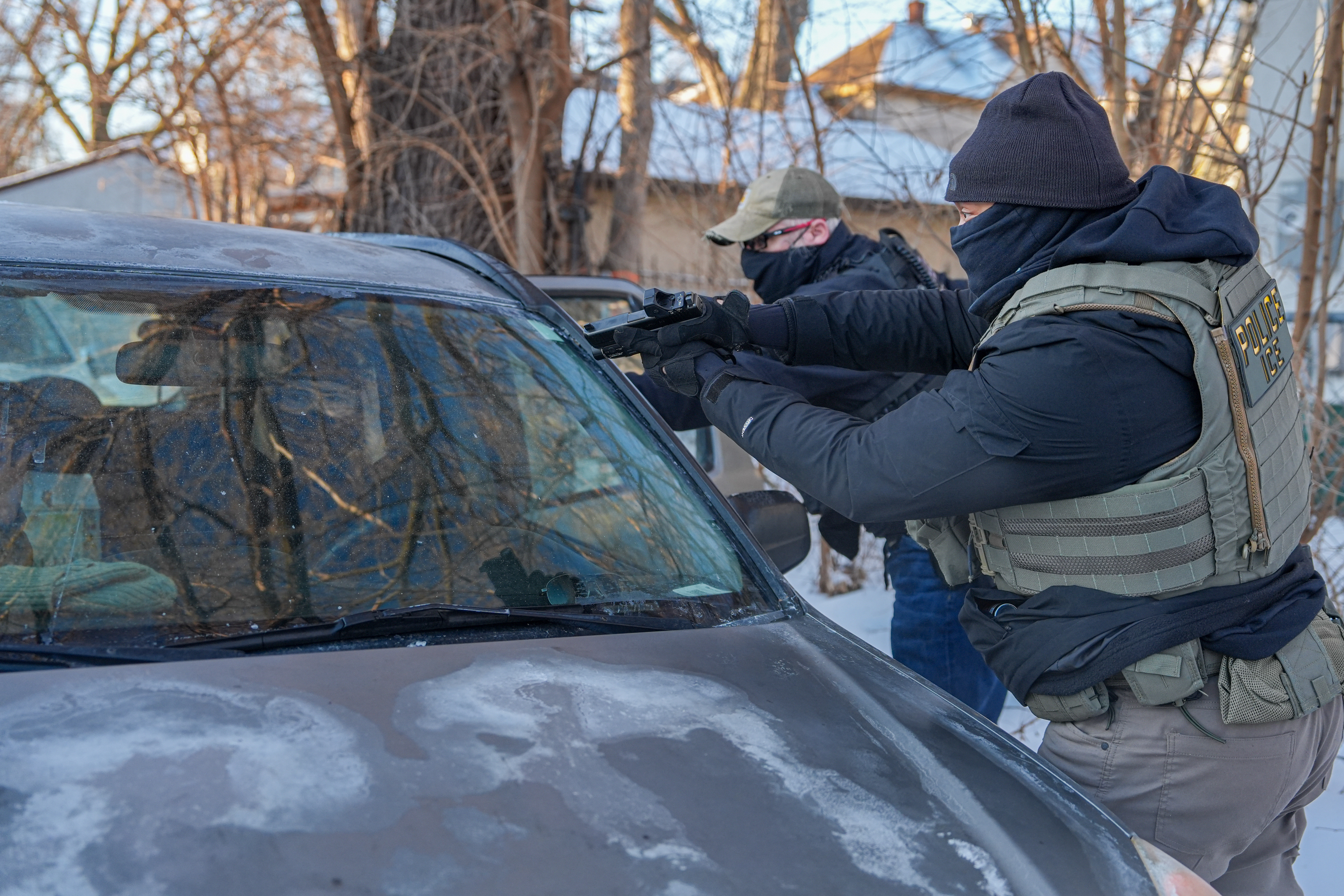
Feb. 3 Minneapolis Incident Shows Agents Drawing Guns and Arresting Protesters Immigration officers stopped a convoy in south Minneapolis, ordered trailing activists out at gunpoint, handcuffed at least one protester face‑down, and warned reporters about pepper‑spray use [1]. The city faces a deadline to supply records to a federal grand jury investigating a Justice Department request for information on possible obstruction of immigration enforcement [1]. A federal judge’s earlier limitation that mere following does not create reasonable suspicion was overturned by an appeals court, allowing such stops [1].
Sources
-
1.
King5: Immigration agents draw guns, arrest activists in Minneapolis: Details the Feb. 3 confrontation where agents brandished firearms, detained activists, and the city’s compliance with a federal grand‑jury subpoena .
-
2.
BBC: White House Says Federal Agents Could Be Drawn Down in Minneapolis If Local Officials Cooperate: Reports Homan’s offer to reduce agent numbers contingent on local cooperation, and outlines political backlash after the Good and Pretti killings .
-
3.
AP: Homan says immigration drawdown in Minnesota hinges on local cooperation: Highlights the conditional nature of the drawdown, the two fatal shootings, and Mayor Frey’s hope for fewer federal officers .
-
4.
CNN: Border czar Tom Homan to address new ICE orders in Minnesota: Covers new ICE guidance limiting engagement with protestors, administrative leave for agents involved in Pretti’s death, and Trump’s warning to Mayor Frey .
-
5.
CNN: Trump’s Minnesota Deportation Standoff Deepens Amid New Violence and Political Pressure: Describes Trump’s modest de‑escalation, the scale of Operation Metro Surge, and Senate Democrats’ demands tied to DHS funding .
-
6.
CNN: Trump Shifts Blame to Noem, Removes Bovino Amid Minnesota Immigration Fallout: Details Trump’s blame‑shifting to Secretary Noem, Bovino’s removal, and public opinion data on ICE actions .
-
7.
AP: Trump orders investigation into Minneapolis protester killing as immigration enforcement faces backlash: Announces Trump’s “honest” probe of Pretti’s killing, Homan’s takeover, and the federal judge’s order for ICE acting director Todd Lyons to appear in court .
Videos (2)
Timeline
Dec 1, 2025 – The Trump administration launches Operation Metro Surge, deploying roughly 3,000 ICE, CBP and Border Patrol agents to Minnesota to target “illegal aliens with criminal histories,” while a multibillion‑dollar fraud probe into the state’s Somali community begins [27].
Jan 7, 2026 – ICE officer shoots activist Renee Good in her vehicle, marking the first U.S. citizen killed by federal immigration agents in Minneapolis and sparking statewide protests and calls for a halt to the surge [1][2].
Jan 24, 2026 – Border Patrol agents fatally shoot ICU nurse Alex Pretti during a protest; video later shows he is unarmed, prompting Mayor Jacob Frey to state “the video does not excuse the later shooting” and the Pretti family’s lawyer to reject any justification [4][3][1].
Jan 26, 2026 – President Trump announces he sends “border czar” Tom Homan to Minnesota, describing him as “tough but fair” and noting Homan will report directly to the president [20]; Deputy Attorney General Todd Blanche publicly rejects DHS Secretary Kristi Noem’s “domestic terrorist” label for Pretti [21]; Trump calls his call with Gov. Tim Walz “very good” and says they are “on a similar wavelength” [27]; Senate Democrats, led by Brian Schatz, threaten to block DHS funding unless stricter ICE oversight is added [3]; U.S. District Judge Katherine Menendez begins hearing arguments on a temporary halt to the Minnesota crackdown [27].
Jan 27, 2026 – Minneapolis Mayor Jacob Frey announces that “some federal agents will begin leaving the area tomorrow” after a call with Trump, and Border Patrol commander Gregory Bovino and several agents schedule departure for Tuesday [17][18]; Homan holds a press briefing in Minneapolis, pledging a “more targeted” operation and placing the agents involved in Pretti’s death on administrative leave [4]; Senate Republicans join Democrats in urging a transparent investigation of Pretti’s killing [2]; Kalshi market data shows an 80 % probability that Bovino will exit the administration [9]; Senator John Fetterman publicly demands the removal of DHS Secretary Kristi Noem [10]; Trump posts on Truth Social that he will oversee a “big investigation” into the shooting [8].
Jan 28, 2026 – Trump tells Fox News the administration will “de‑escalate a little bit” in Minnesota, shifts blame to Noem for the Pretti incident, and promises a “big investigation” while Republican governors Greg Abbott and Phil Scott urge Trump to recalibrate the operation [7][13]; Minnesota GOP gubernatorial hopeful Chris Madel quits the race, calling the raid a “disaster” [13].
Jan 29, 2026 – Homan says a drawdown of the roughly 3,000 federal officers will occur only if state and local leaders cooperate and stop “hateful rhetoric,” adding the reduction could be larger under those conditions [6]; a new ICE memo orders agents to avoid “agitators,” use megaphones for arrests, and limit actions to individuals with criminal histories [4]; Mayor Frey expresses hope for fewer federal officers and reiterates the city’s sanctuary stance [6]; Senate Democrats set three conditions—including tighter ICE warrants and mandatory body‑camera use—to avoid a partial government shutdown by Friday [5]; Congress blocks DHS funding in a procedural vote, stripping the package of DHS money while preserving other spending [1].
Jan 30, 2026 – White House border tsar Tom Homan reiterates that the drawdown of federal immigration personnel hinges on local cooperation and the cessation of protest interference, but provides no timeline or numbers for the reduction [1][6].
Feb 3, 2026 – Immigration agents in south Minneapolis draw firearms and arrest activists trailing their convoy, handcuffing at least one protester face‑down and warning reporters to stay back; Homan warns protesters of consequences for interference, while school officials report heightened fear among students and parents [28]; the city complies with a federal grand‑jury subpoena for records related to a Justice Department request on alleged obstruction of immigration enforcement [28].
Feb 6‑22, 2026 (planned) – ICE agents are slated to support diplomatic security details during the Milan‑Cortina Winter Olympics, despite the host city’s public rejection of their presence [8].
Dive deeper (27 sub-stories)
-
King5 (Seattle, WA): Immigration agents draw guns, arrest activists in Minneapolis
-
BBC: White House Says Federal Agents Could Be Drawn Down in Minneapolis If Local Officials Cooperate
-
AP: Homan says immigration drawdown in Minnesota hinges on local cooperation
-
CNN: Border czar Tom Homan to address new ICE orders in Minnesota
-
CNN: Trump’s Minnesota Deportation Standoff Deepens Amid New Violence and Political Pressure
-
CNN: Trump Shifts Blame to Noem, Removes Bovino Amid Minnesota Immigration Fallout
-
AP: Trump orders investigation into Minneapolis protester killing as immigration enforcement faces backlash
-
Newsweek: Greg Bovino’s Likelihood of Leaving the Trump Administration Rises, Kalshi Shows
-
Newsweek: Fetterman Urges Trump to Fire DHS Secretary After Minnesota Deaths
-
Trump Sends Border Czar to Minnesota as Bovino and Agents Depart Minneapolis
(5 articles)
-
BBC: US immigration chief Gregory Bovino set to depart Minneapolis after second fatal shooting
-
AP: Trump Softens Stance on Minnesota After Fatal ICE Shooting
-
CNN: Trump Scales Back Immigration Push After Minnesota Shooting and Faces Global Pushback
-
CNN: Trump Sends Border Czar to Minneapolis as Top Border Patrol Official Departs
-
AP: Trump Reshuffles Minneapolis Immigration Enforcement Leadership Amid Legal Battles
-
CNN: White House Signals Retreat Over Minnesota Immigration Enforcement Fallout
-
Newsweek: Federal Immigration Agents to Begin Leaving Minneapolis After Trump‑Frey Call
-
AP: Minneapolis Shootings Trigger Immigration Funding Standoff in Congress
-
BBC: Trump Shifts Tactics After Minneapolis Shooting, Faces Growing Political Pushback
-
AP: Trump’s Border Czar Tom Homan Heads to Minneapolis Amid ICU Nurse Shooting Fallout
-
CNN: Trump Sends Border Czar Tom Homan to Minnesota After Fox & Friends Pitch
-
Judge Menendez Considers Halting Minnesota Immigration Surge After Two Fatal Officer Shootings
(2 articles)
-
Newsweek: Trump Sends Border Czar to Minnesota, Raising Questions Over DHS Secretary Kristi Noem
-
Newsweek: Trump Sends Border Czar Tom Homan to Minnesota Amid Violence and Fraud Probe
-
CNN: Trump Administration Pushes Hard‑Line Immigration Enforcement Amid Minnesota Fallout
-
AP: Trump Blames Democrats for Minneapolis Shooting Chaos
-
CNN: Trump frustrated as Minnesota chaos threatens immigration messaging
All related articles (32 articles)
-
King5 (Seattle, WA): Immigration agents draw guns, arrest activists in Minneapolis
-
BBC: White House Says Federal Agents Could Be Drawn Down in Minneapolis If Local Officials Cooperate
-
AP: Homan says immigration drawdown in Minnesota hinges on local cooperation
-
CNN: Border czar Tom Homan to address new ICE orders in Minnesota
-
CNN: Trump’s Minnesota Deportation Standoff Deepens Amid New Violence and Political Pressure
-
CNN: Trump Shifts Blame to Noem, Removes Bovino Amid Minnesota Immigration Fallout
-
AP: Trump orders investigation into Minneapolis protester killing as immigration enforcement faces backlash
-
Newsweek: Greg Bovino’s Likelihood of Leaving the Trump Administration Rises, Kalshi Shows
-
Newsweek: Fetterman Urges Trump to Fire DHS Secretary After Minnesota Deaths
-
AP: Border Patrol commander and agents set to leave Minneapolis amid immigration‑enforcement fallout
-
BBC: US immigration chief Gregory Bovino set to depart Minneapolis after second fatal shooting
-
Newsweek: Greg Bovino’s Possible Exit Marks Shift in Minneapolis Immigration Crackdown
-
AP: Trump Softens Stance on Minnesota After Fatal ICE Shooting
-
CNN: Trump Scales Back Immigration Push After Minnesota Shooting and Faces Global Pushback
-
CNN: Trump Sends Border Czar to Minneapolis as Top Border Patrol Official Departs
-
WBNS (Columbus, OH): Border Patrol commander Gregory Bovino and agents set to leave Minnesota
-
King5 (Seattle, WA): Border Patrol commander Gregory Bovino and agents set to leave Minnesota amid federal‑state tensions
-
AP: Trump Reshuffles Minneapolis Immigration Enforcement Leadership Amid Legal Battles
-
CNN: White House Signals Retreat Over Minnesota Immigration Enforcement Fallout
-
Newsweek: Federal Immigration Agents to Begin Leaving Minneapolis After Trump‑Frey Call
-
CNN: Border Patrol chief Gregory Bovino to exit Minneapolis as White House sends border czar
-
AP: Minneapolis Shootings Trigger Immigration Funding Standoff in Congress
-
BBC: Trump Shifts Tactics After Minneapolis Shooting, Faces Growing Political Pushback
-
AP: Trump’s Border Czar Tom Homan Heads to Minneapolis Amid ICU Nurse Shooting Fallout
-
CNN: Trump Sends Border Czar Tom Homan to Minnesota After Fox & Friends Pitch
-
WBNS (Columbus, OH): Federal Judge Considers Halting Minnesota Immigration Surge After Two Officer‑Involved Shootings
-
King5 (Seattle, WA): Federal Judge Weighs Temporary Halt to Minnesota Immigration Crackdown After Two Fatal Shootings
-
Newsweek: Trump Sends Border Czar to Minnesota, Raising Questions Over DHS Secretary Kristi Noem
-
Newsweek: Trump Sends Border Czar Tom Homan to Minnesota Amid Violence and Fraud Probe
-
CNN: Trump Administration Pushes Hard‑Line Immigration Enforcement Amid Minnesota Fallout
-
AP: Trump Blames Democrats for Minneapolis Shooting Chaos
-
CNN: Trump frustrated as Minnesota chaos threatens immigration messaging
External resources (39 links)
- https://www.youtube.com/watch?v=MwG5jS0cL9E&t=262s (cited 2 times)
- https://www.youtube.com/watch?v=vRUeUgqmyn8 (cited 1 times)
- https://www.ed.gov/about/news/press-release/us-departments-of-education-and-health-and-human-services-refer-minnesota-case-us-department-of-justice-title-ix-non-compliance (cited 2 times)
- https://tfr.faa.gov/tfr3/?page=detail_6_4375&ref=404media.co (cited 1 times)
- https://storage.courtlistener.com/recap/gov.uscourts.mnd.230268/gov.uscourts.mnd.230268.94.2_1.pdf (cited 3 times)
- https://www.courtlistener.com/docket/72185880/10/minnesota-bureau-of-criminal-apprehension-v-noem/ (cited 3 times)
- https://storage.courtlistener.com/recap/gov.uscourts.ca8.113629/gov.uscourts.ca8.113629.00805436077.0_3.pdf (cited 2 times)
- https://storage.courtlistener.com/recap/gov.uscourts.ca8.113629/gov.uscourts.ca8.113629.00805439066.1.pdf (cited 2 times)
- https://storage.courtlistener.com/recap/gov.uscourts.ca8.113629/gov.uscourts.ca8.113629.00805439096.0.pdf (cited 2 times)
- https://storage.courtlistener.com/recap/gov.uscourts.mnd.230268/gov.uscourts.mnd.230268.120.0_1.pdf (cited 2 times)
- https://www.courtlistener.com/docket/70964222/40/neguse-v-us-immigration-and-customs-enforcement/ (cited 2 times)
- https://abcnews.go.com/Politics/border-patrol-commander-greg-bovino-returning-position-el/story?id=129582658 (cited 2 times)
- https://www.theatlantic.com/politics/2026/01/greg-bovino-demoted-minneapolis-border-patrol/685770/ (cited 2 times)
- https://www.nationalreview.com/the-morning-jolt/kristi-noem-growing-liability-for-the-trump-administration/ (cited 1 times)
- https://www.reuters.com/world/us/five-takeaways-reuters-interview-president-trump-2026-01-15/ (cited 1 times)
- https://www.wsj.com/politics/policy/trump-says-administration-is-reviewing-everything-about-minneapolis-shooting-a501f48e (cited 1 times)
- https://www.wsj.com/politics/policy/trump-says-administration-is-reviewing-everything-about-minneapolis-shooting-a501f48e?st=iswvyC&reflink=desktopwebshare_permalink (cited 1 times)
- https://x.com/LeaderJohnThune (cited 9 times)
- https://x.com/TriciaOhio/status/2015939758858371393?s=20 (cited 5 times)
- https://x.com/DHSgov/status/2015115351797780500 (cited 3 times)
- https://x.com/MNPoliceChiefs/status/2015596866646245879/photo/1 (cited 3 times)
- https://x.com/Mike_Pence (cited 3 times)
- https://x.com/natashakorecki/photo (cited 3 times)
- https://x.com/CMDROpAtLargeCA/status/2015459749156835581 (cited 2 times)
- https://x.com/CMDROpAtLargeCA/status/2015461412319920542 (cited 2 times)
- https://x.com/CMDROpAtLargeCA/status/2015477601737838988 (cited 2 times)
- https://truthsocial.com/@realDonaldTrump/posts/115951636521315703 (cited 1 times)
- https://truthsocial.com/@realDonaldTrump/posts/115956692372915783 (cited 1 times)
- https://www.instagram.com/reels/DT8E89VAAn7/ (cited 1 times)
- https://x.com/BillMelugin_/status/2015571364212609379 (cited 1 times)
- https://x.com/LawrenceBJones3 (cited 1 times)
- https://x.com/NRA/status/2015227627464728661 (cited 1 times)
- https://x.com/PressSec/status/2015484908748021882 (cited 1 times)
- https://x.com/RepFinstad/status/2015225837939806427 (cited 1 times)
- https://x.com/folkforhennepin/status/2016173735619784775 (cited 1 times)
- https://www.mnchamber.com/blog/open-letter-more-60-ceos-minnesota-based-companies (cited 3 times)
- https://www.gofundme.com/f/alex-pretti-is-an-american-hero (cited 2 times)
- https://www.mprnews.org/story/2026/01/26/gov-tim-walzs-first-sit-down-interview-since-dropping-out-of-2026-race (cited 2 times)
- https://www.cato.org/blog/5-ice-detainees-have-violent-convictions-73-no-convictions (cited 1 times)