India’s 2024 Snakebite Action Plan Faces Uneven Rollout Amid Antivenom Gaps
Updated (3 articles)
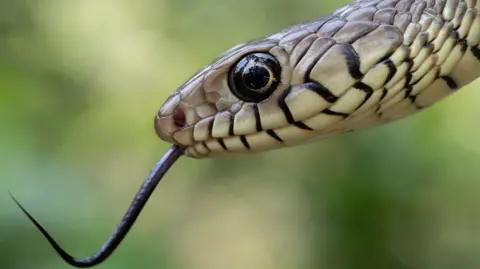
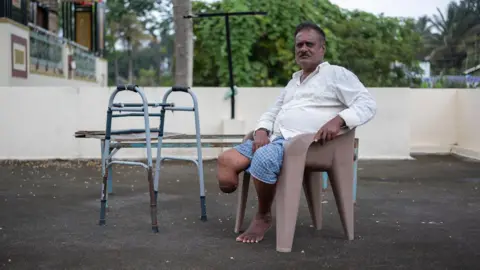
Massive Death Toll Highlights India's Burden Federal statistics record roughly 50,000 snakebite deaths each year, representing about half of global fatalities [1]. A 2020 study estimates 1.2 million deaths between 2000 and 2019, averaging 58,000 annually, underscoring long‑term undercounting [1]. The World Health Organization classifies snakebite envenoming among the highest‑priority neglected tropical diseases, noting 5.4 million bites and over 100,000 deaths worldwide [1].
Clinicians Confront Antivenom Shortages and Delays Global Snakebite Taskforce survey of 904 clinicians in four high‑burden countries found 99 % face infrastructure, supply, or training gaps, and half report treatment delays that lead to amputations or permanent disability [1]. The same survey highlights that antivenom stockouts are routine in rural Indian hospitals, forcing reliance on improvised care [1]. These systemic failures contribute directly to the high mortality and morbidity rates reported [1].
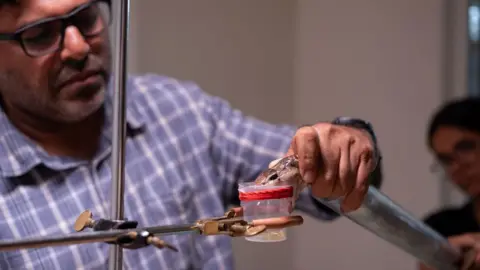
Current Antivenom Fails Against Many Regional Species India’s antivenom products target only the “big four” snakes—Indian cobra, common krait, Russell’s viper, and saw‑scaled viper, leaving bites from pit vipers and other regional species largely untreated [1]. An AIIMS study showed two‑thirds of saw‑scaled viper envenomings did not improve with the standard antivenom, indicating limited efficacy [1]. The mismatch between snake diversity and antivenom composition exacerbates preventable deaths in underserved areas [1].
2024 National Action Plan Aims for 50% Death Reduction India launched the National Action Plan for Snakebite Envenoming (NAPSE) in 2024, setting a target to cut snakebite deaths by half by 2030 [1]. The plan emphasizes enhanced surveillance, expanded antivenom availability, upgraded medical capacity, and public awareness campaigns [1]. Implementation has been uneven, with many states lagging in antivenom distribution and training programs, limiting early progress toward the 2030 goal [1].
Timeline
2000–2019 – A 2020 study estimates 1.2 million snakebite deaths in India over this period, averaging 58,000 annually, underscoring the long‑term magnitude of the crisis [1].
2020 – WHO classifies snakebite envenoming among the highest‑priority neglected tropical diseases, highlighting global recognition of the threat [1].
2023 – The United States withdraws from the World Health Organization, cutting USAID health funding to India to about $97 million for seven projects and forcing the Indian government to bridge a $750 million gap in health and development initiatives [3].
2024 – India launches its National Action Plan for Snakebite Envenoming (NAPSE), targeting a 50 % reduction in snakebite deaths by 2030 through improved surveillance, antivenom availability, medical capacity, and public awareness, though rollout remains uneven [1].
2025 – The Indian government raises the health budget to ₹99,859 crore for FY 2025‑26 (an 11 % increase), yet spending stays below the 2 % of GDP target set by the National Health Policy [3].
2025 – India maintains its aspirational goal to eliminate tuberculosis by 2025, relying on home‑grown molecular diagnostics like TrueNat while confronting uneven detection rates and rising multidrug‑resistant TB cases [3].
2025 – A lab analysis links a Tamil Nadu‑manufactured cough syrup to diethylene‑glycol poisoning that kills 25 children in Madhya Pradesh, exposing gaps in pharmaceutical quality control and prompting regulatory action [3].
Dec 27, 2025 – A report highlights that antimicrobial resistance remains a crisis in India, with high resistance rates for common bacteria driven by over‑the‑counter antibiotic sales, self‑medication, and environmental contamination; Kerala shows modest progress, but most states lag in stewardship [3].
Jan 3, 2026 – A new report identifies rural, tribal, and migrant communities as high‑risk groups for TB, calling for targeted mapping of non‑notified settlements, school‑based screening, and an integrated migrant health framework that combines HIV, NCD, and vector‑borne disease services at common delivery points [2].
Jan 3, 2026 – The same TB report urges robust welfare policies for frontline workers—including incentives, travel reimbursement, health insurance, and salary standardisation—to sustain TB care delivery, noting that 60 % of patients first seek private care and emphasizing the need for strong public‑private partnerships [2].
Feb 2, 2026 – Federal data confirms India records roughly 50,000 snakebite deaths each year, about half of global fatalities, while a Global Snakebite Taskforce survey finds 99 % of clinicians face infrastructure, supply, or training gaps, and half report treatment delays causing amputations or permanent disability [1].
Feb 2, 2026 – Experts note that current antivenom covers only the “big four” snakes, leaving pit vipers and other regional species untreated; an AIIMS study shows two‑thirds of saw‑scaled viper cases fail to improve, underscoring the need for broader‑spectrum antivenoms [1].
All related articles (3 articles)
External resources (9 links)
- https://www.youtube.com/@bbcnewsindia/featured (cited 1 times)
- https://pubmed.ncbi.nlm.nih.gov/39749523/ (cited 1 times)
- https://www.pib.gov.in/PressReleaseIframePage.aspx?PRID=2013803®=3&lang=2 (cited 1 times)
- https://www.pib.gov.in/PressReleasePage.aspx?PRID=2013803®=3&lang=2 (cited 1 times)
- https://www.facebook.com/bbcindia/ (cited 1 times)
- https://www.instagram.com/bbcnewsindia/ (cited 1 times)
- https://x.com/BBCIndia (cited 1 times)