Trump Mulls Week‑Long Iran Strike as Tehran Announces General Nuclear Agreement
Updated (18 articles)
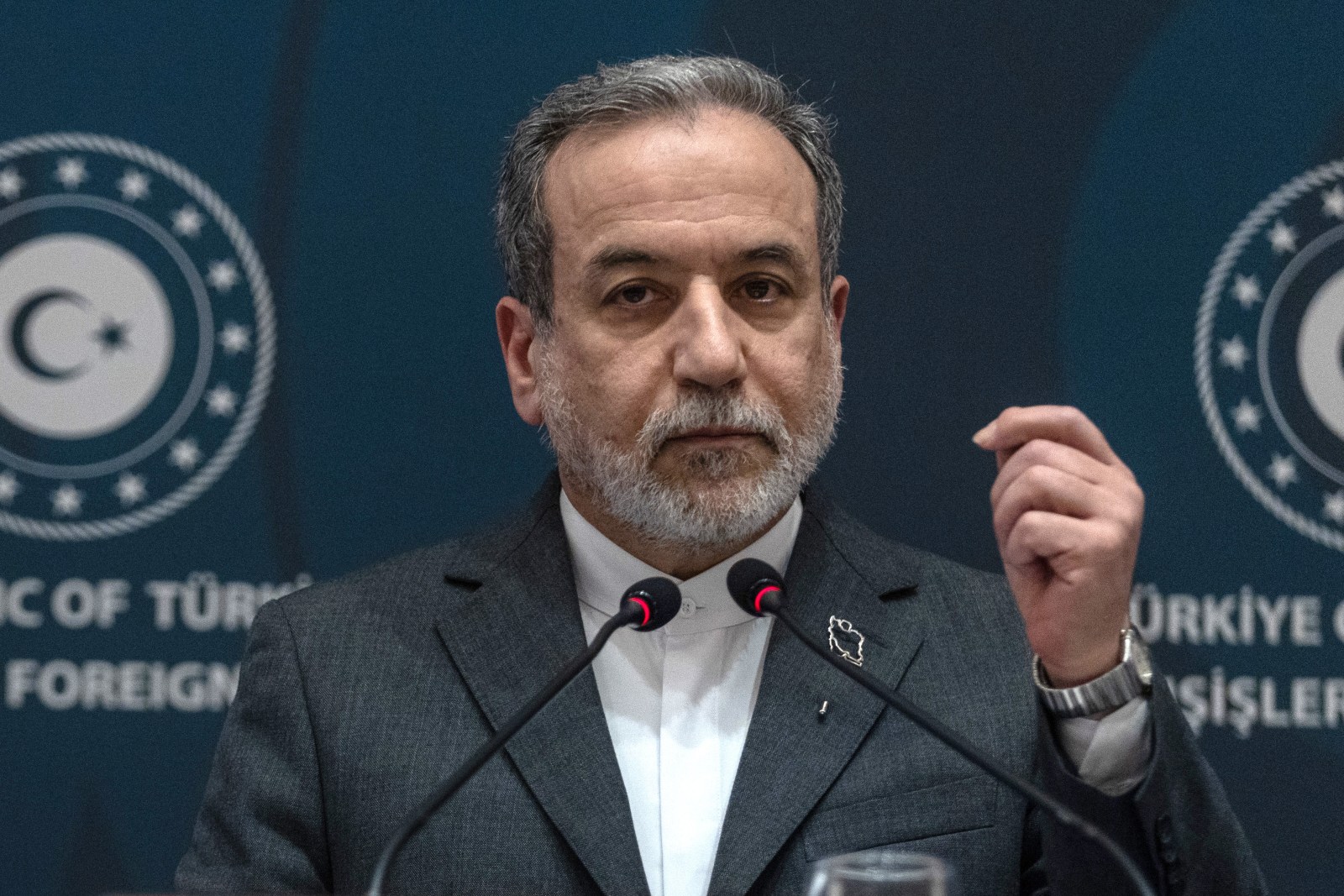
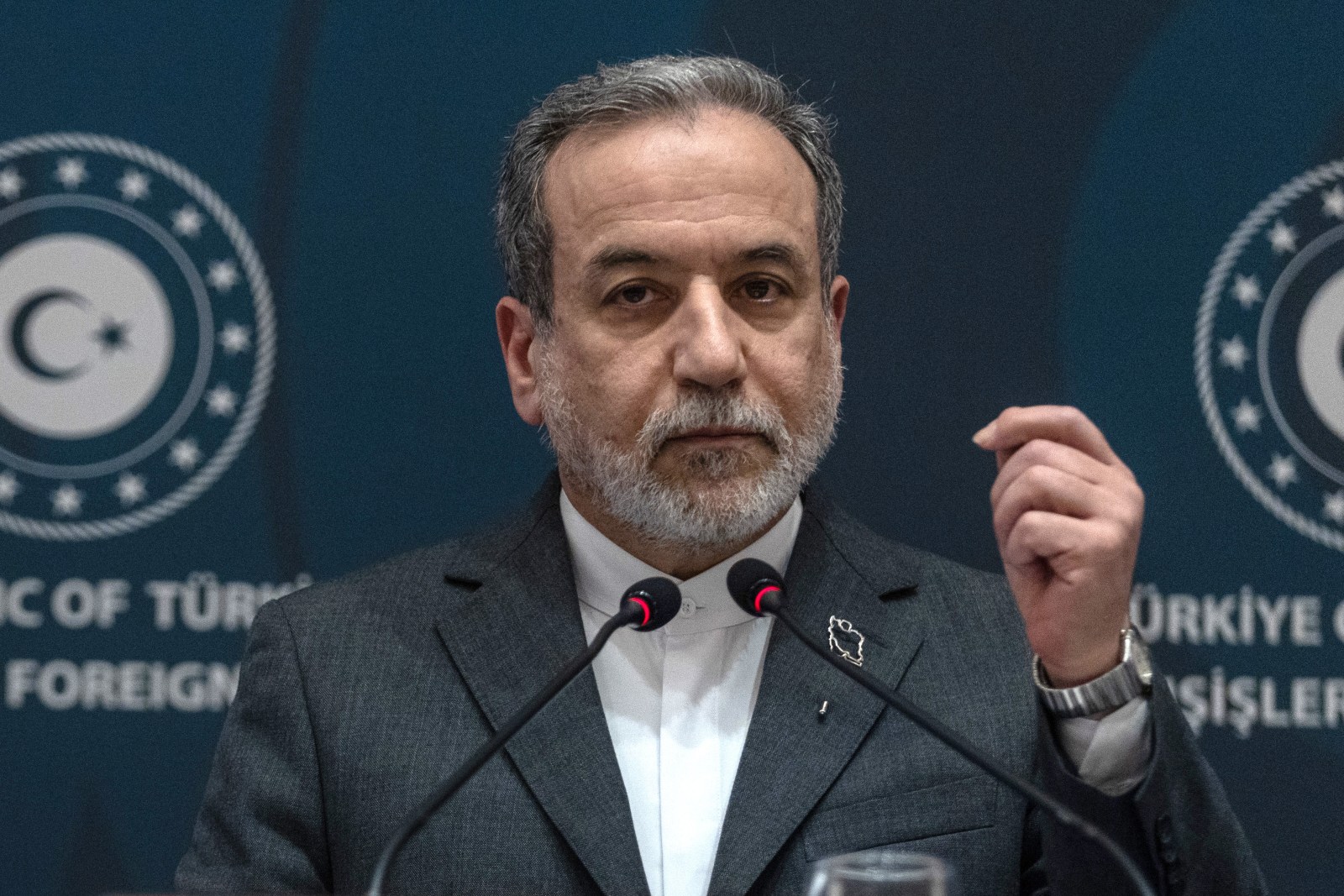
Iran Declares “General Agreement” on Nuclear Talks Abbas Araghchi announced on Feb 17 that Iran and the United States reached a “general agreement” laying groundwork for a draft text, signaling a possible diplomatic path to avoid war [2]. The statement came after a second‑round Geneva meeting following summer strikes and amid a heavy U.S. naval presence in the Persian Gulf [2]. Iran stressed it would not negotiate its ballistic‑missile program or regional alliances, marking a firm red line [2].
U.S. Military Buildup Positions Forces for Possible Weekend Strike CNN reports that U.S. carrier strike groups and fighter jets are already deployed to the Gulf, with at least one carrier present and another en route [1][2]. Sources say Trump has not made a final decision, but the military could be ready to launch a week‑long assault by the weekend [1]. The buildup mirrors the “Venezuela playbook,” relying on naval armadas and cruise missiles to pressure Tehran [1].
Domestic Turmoil Heightens Uncertainty Over Post‑Strike Outcomes Iran’s economy is in crisis, with widespread food and water shortages and a crackdown that may have killed thousands of protesters [1]. Analysts warn that toppling the clerical regime could create a power vacuum filled by hard‑line IRGC elements, making any U.S. strike’s aftermath highly unpredictable [1]. These internal pressures influence both Tehran’s negotiating stance and Washington’s risk calculations [2].
Trump Pushes Regime‑Change Narrative While Offering Vague Justifications At a White House briefing, press secretary Karoline Leavitt gave an ambiguous rationale for a potential strike, saying “there’s many reasons and arguments that one could make” [1]. Trump repeatedly warned Iran of consequences and suggested regime change would be “the best thing” for the country [1]. Despite this rhetoric, he publicly maintains that no agreement has been reached [1][2].
Contrasting Views on Deal Scope Highlight Diplomatic Stalemate Iran insists any deal must exclude missile negotiations and the “Axis of Resistance,” while U.S. officials and Israeli Prime Minister Benjamin Netanyahu press for broader concessions, including missile restrictions [2]. Trump’s statements that no agreement exists clash with Tehran’s claim of a general accord, underscoring a gap between diplomatic claims and U.S. policy [1][2].
Sources
-
1.
CNN: Trump’s Opaque Rationale as He Inches Toward Possible War with Iran: Details Trump’s private deliberations, military readiness for a weekend strike, vague White House justification, and his regime‑change push, highlighting the risk‑tolerant mindset after the Venezuela operation .
-
2.
Newsweek: Iran Says “General Agreement” Reached With U.S. on Nuclear Talks: Reports Tehran’s claim of a foundational nuclear deal, the second Geneva round, Iran’s red line on missiles, and the surrounding military escalations, while noting Trump’s denial of any finalized agreement .
Timeline
2015 – The Joint Comprehensive Plan of Action (JCPOA) is signed, limiting Iran’s uranium enrichment and providing sanctions relief, establishing the diplomatic framework later abandoned by the United States in 2018 [9].
2018 – The United States withdraws from the JCPOA and re‑imposes sanctions, heightening tensions and setting the stage for subsequent confrontations over Iran’s nuclear program [9].
June 2025 – The United States and Israel launch a 12‑day campaign that destroys three Iranian nuclear sites, crippling Tehran’s enrichment capacity and prompting Tehran to vow retaliation; the attacks become a reference point for Trump’s later threats of “far worse” strikes [14][15].
Dec 12, 2025 – President Donald Trump warns that the United States will strike any new Iranian nuclear facility if Tehran restarts its program, citing the June 2025 strikes and arguing Iran missed a chance for a deal [14].
Dec 30, 2025 – Iranian President Masoud Pezeshkian posts that any cruel aggression will meet a “harsh and discouraging” response, directly countering Trump’s threat; the same day Trump reiterates the possibility of renewed military action during a meeting with Benjamin Netanyahu, while protests continue and Iran’s central bank chief resigns amid a currency collapse [13][17].
Dec 31, 2025 – The IRGC accelerates development of chemical and biological warheads for ballistic missiles, prompting Trump to say the United States could back further Israeli strikes if Tehran rebuilds its long‑range missile capability, while Iranian leaders declare a “full‑scale war” with the West and Israel [12].
Jan 13, 2026 – Trump signals “very strong options” for military action after Iran’s crackdown on protesters, while Iranian parliamentary speaker Mohammad Bagher Qalibaf declares U.S. bases and ships legitimate targets and President Masoud Pezeshkian promises a harsh response to any attack, underscoring the widening military gap between the two sides [11].
Jan 28, 2026 – U.S. Air Forces Central Command launches multi‑day drills to showcase rapid deployment and sortie generation; Trump posts “Time is running out” on Truth Social and threatens a far worse attack than the 2025 strikes; Iran’s foreign minister Abbas Araghchi warns of an “immediate and powerful” response, and the USS Abraham Lincoln carrier strike group arrives in the region without a final decision on further action [8].
Jan 28, 2026 – Iranian Foreign Minister Abbas Araghchi denies that Tehran has requested negotiations, urging Washington to stop threatening war and emphasizing that any diplomatic contact must be “free of excessive demands” and based on mutual respect [10].
Jan 29, 2026 – Trump weighs a major new strike after preliminary nuclear‑missile talks stall, posting an ultimatum on Truth Social for a “fair and equitable deal – NO NUCLEAR WEAPONS” and warning that the next strike will be “far worse” than the summer attacks; the USS Abraham Lincoln carrier strike group moves closer in the Indian Ocean, expanding U.S. operational options, while senior Iranian adviser Ali Shamkhani threatens unprecedented retaliation against Israel [7].
Jan 30, 2026 – Iran signals openness to “fair and just” nuclear talks but rejects any dictation and refuses to discuss its missile program; Trump repeats his two‑condition demand – “no nuclear” and “stop killing protesters” – and the United States schedules multi‑day air exercises to demonstrate rapid‑deployment capability [6][2].
Feb 2, 2026 – Turkey arranges a meeting between U.S. envoy Steve Witkoff and senior Iranian officials by week’s end, as the USS Abraham Lincoln and destroyers remain positioned in the Middle East; Trump affirms the United States is “talking to Iran” about a nuclear deal, while the EU votes to designate the IRGC as a terrorist organization, prompting Tehran to summon EU ambassadors [16].
Feb 2, 2026 – Iranian President Masoud Pezeshkian orders the start of nuclear negotiations with the United States, announcing that a negotiation framework will be ready in the coming days, even as Trump warns of possible military action and deploys an aircraft‑carrier group to West Asia following a deadly protest crackdown [18].
Feb 3, 2026 – President Pezeshkian tells Foreign Minister Abbas Araghchi to pursue talks only in a “threat‑free” environment, while Trump threatens “tremendous force” with the carrier USS Abraham Lincoln and Tomahawk‑armed destroyers unless Iran halts its nuclear program and protest killings; media report a possible Istanbul meeting on Friday with U.S. envoy Steve Witkoff and regional foreign ministers [1].
Feb 5, 2026 – Trump tells NBC that Iran’s supreme leader should be “very worried” ahead of the first formal Muscat talks between Araghchi and U.S. envoy Steve Witkoff, as Iran showcases the long‑range Khorramshahr‑4 missile and both sides exchange threats over recent maritime and cyber incidents [5].
Feb 6, 2026 – With approval below 40%, Trump faces domestic pressure while U.S.–Iran talks are slated to start Friday in Oman; Secretary of State Marco Rubio outlines U.S. goals on nuclear, missiles, terrorism and human rights, and experts warn a multi‑day strike could create a power vacuum and hurt Trump’s midterm prospects [4].
Feb 11, 2026 – Iran and the United States consider a second round of nuclear talks after the June 2025 12‑day war and nationwide protest crackdown; Trump escalates pressure by moving an aircraft carrier into the Persian Gulf and cites a March 5, 2025 letter to Khamenei warning of “terrible” military action if negotiations fail, while the IAEA reports a stockpile of ~9,870 kg of uranium, some enriched to 60 % [15].
Feb 17, 2026 – Foreign Minister Abbas Araghchi announces a “general agreement” with the United States on nuclear negotiations, laying groundwork for a draft text, while reaffirming Iran’s refusal to bargain on its ballistic‑missile program or regional allies; Supreme Leader Ayatollah Ali Khamenei condemns pre‑determined negotiation outcomes as “wrong and foolish” [9].
Feb 19, 2026 – The United States nears a possible week‑long strike on Iran, with military forces positioned to act by the weekend; press secretary Karoline Leavitt offers vague rationale for a strike on Iran’s nuclear program, while Trump touts regime change as “the best thing” for Iran, echoing his Venezuela playbook and raising concerns about a post‑strike power vacuum [3].
Dive deeper (17 sub-stories)
-
CNN: Trump’s Opaque Rationale as He Inches Toward Possible War with Iran
-
Newsweek: Iran Says “General Agreement” Reached With U.S. on Nuclear Talks
-
AP: Iran, U.S. Consider Second Nuclear Talks Amid Post‑War Tensions
-
CNN: Trump Faces Tough Choices Over Iran Amid Low Approval
-
CNN: Trump warns Iran’s supreme leader of “very worried” stance ahead of Muscat talks
-
BBC: Iran Signals Readiness for US Negotiations Amid Heightened Regional Tensions
-
AP: Turkey Pushes for US‑Iran Talks Amid Rising Tensions
-
The Hindu: Iranian President Orders Nuclear Talks Amid U.S. Military Threats
-
CNN: Iran Signals Openness to US Nuclear Talks While Rejecting Dictation and Missile Negotiations
-
BBC: Trump Claims Iran Wants Nuclear Deal as U.S. Buildup Continues
-
CNN: Trump Considers Major New Strike on Iran Amid Stalled Nuclear Talks
-
CNN: US Air Drills Intensify as Trump Threatens Iran Over Protest Crackdown
-
Newsweek: Iran Says It Has Not Requested Negotiations After Trump Claims Deal Is Possible
-
Newsweek: Iran's military assessed against US as Tehran vows retaliation amid Trump threats
-
Newsweek: Iran developing chemical and biological warheads for long-range missiles, report says
-
Iran President Vows Harsh Retaliation After Trump Threat, Protests Intensify
(2 articles)
-
Newsweek: Trump Threatens to Strike Iran if It Re‑starts Nuclear Program Without Deal
All related articles (18 articles)
-
CNN: Trump’s Opaque Rationale as He Inches Toward Possible War with Iran
-
Newsweek: Iran Says “General Agreement” Reached With U.S. on Nuclear Talks
-
AP: Iran, U.S. Consider Second Nuclear Talks Amid Post‑War Tensions
-
CNN: Trump Faces Tough Choices Over Iran Amid Low Approval
-
CNN: Trump warns Iran’s supreme leader of “very worried” stance ahead of Muscat talks
-
BBC: Iran Signals Readiness for US Negotiations Amid Heightened Regional Tensions
-
AP: Turkey Pushes for US‑Iran Talks Amid Rising Tensions
-
The Hindu: Iranian President Orders Nuclear Talks Amid U.S. Military Threats
-
CNN: Iran Signals Openness to US Nuclear Talks While Rejecting Dictation and Missile Negotiations
-
BBC: Trump Claims Iran Wants Nuclear Deal as U.S. Buildup Continues
-
CNN: Trump Considers Major New Strike on Iran Amid Stalled Nuclear Talks
-
CNN: US Air Drills Intensify as Trump Threatens Iran Over Protest Crackdown
-
Newsweek: Iran Says It Has Not Requested Negotiations After Trump Claims Deal Is Possible
-
Newsweek: Iran's military assessed against US as Tehran vows retaliation amid Trump threats
-
Newsweek: Iran developing chemical and biological warheads for long-range missiles, report says
-
Newsweek: Iran warns of harsh response to any attack after Trump threat
-
AP: Iranian president pledges harsh response to aggression in apparent rebuke to Trump warning
-
Newsweek: Trump Threatens to Strike Iran if It Re‑starts Nuclear Program Without Deal
External resources (5 links)
- https://x.com/alishamkhani_ir/status/2016582565390655585?s=20 (cited 1 times)
- https://x.com/drpezeshkian/status/2018551558959710505?s=20 (cited 1 times)
- https://outrider.org/ (cited 1 times)
- https://www.carnegie.org/ (cited 1 times)