Trump Merges Olympic Hockey Celebration With Record‑Length State of the Union
Updated (2 articles)
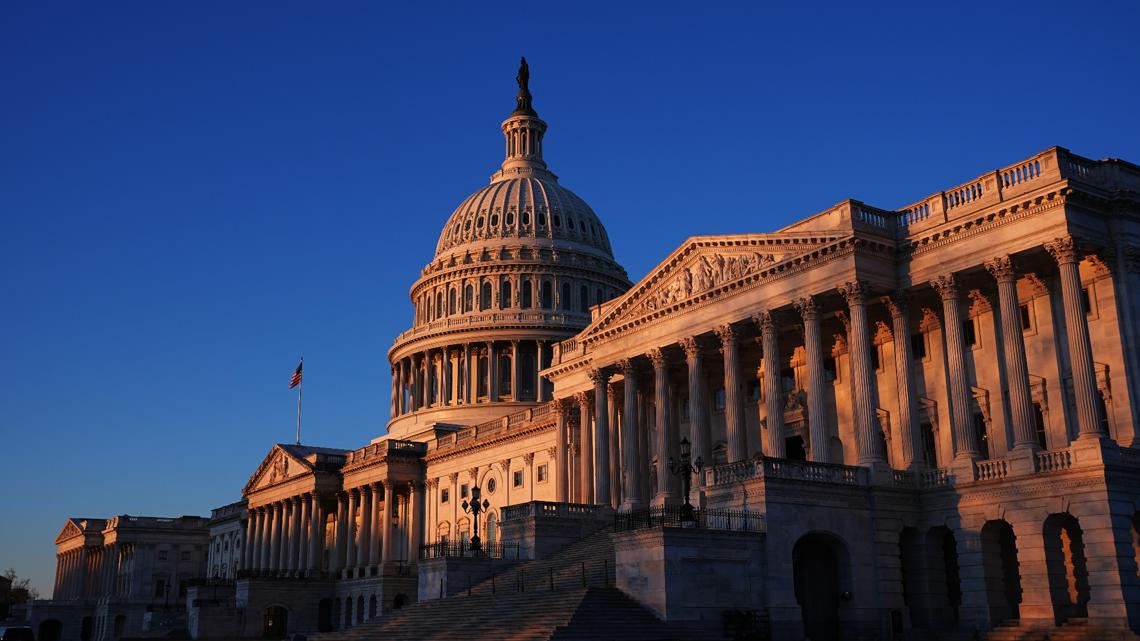
Trump Blends Hockey Victory Party Into Congressional Address On Tuesday night, Feb. 25, President Donald Trump attended a celebration for the U.S. men’s Olympic hockey team before delivering the State of the Union, using the joint event to showcase national pride and honor a 100‑year‑old Korean War veteran, a woman reunited with her uncle freed from a Venezuelan prison, and the gold‑medal team itself [1]. The ceremony featured an awards‑style segment that softened his image while the address proceeded in the Capitol. He framed the speech as a unifying pageant aimed at regaining support amid historically low approval ratings.
Unity Narrative Coupled With Economic Optimism and Partisan Attacks Trump presented the address as a call for national unity, prosperity, and greatness, while reiterating false 2020 election‑fraud claims and labeling Democrats “sick” [1]. He claimed inflation had fallen and eggs were cheaper, yet grocery prices remained high and health‑care reforms stalled, highlighting selective economic successes. A CNN/SSRS poll cited on the same night showed only 32 % of Americans believed his priorities were correct and his overall approval sat at 36 % [1].
King5 Reports Record‑Breaking Speech Length and Expanded Guest Roster According to King5, the Feb. 24 address lasted longer than the 100‑minute speech delivered in 2025, setting a new record for the annual address [2]. The audience included military heroes, the freed Venezuelan political prisoner, and the Olympic hockey team, and Trump awarded the Presidential Medal of Freedom to goaltender Connor Hellebuyck [2]. This emphasis on ceremony and honors contrasted with CNN’s focus on the merged celebration.
Tariff Defense Persists After Supreme Court Ruling Trump defended his “wide‑spread tariffs,” calling the Supreme Court’s recent decision to overturn them “an unfortunate ruling” and suggesting tariffs could eventually replace the modern income‑tax system, insisting foreign nations should bear the cost [2]. He linked the tariff narrative to his broader claim that the U.S. economy was “winning so much,” despite declining approval ratings. The president also highlighted recent foreign‑policy actions, including airstrikes on Tehran’s nuclear facilities and carrier deployments to the Middle East [2].
Domestic Proposals Meet Congressional Resistance In the same address, Trump announced a modest retirement‑savings match of up to $1,000 for workers lacking employer contributions and proposed higher electricity rates for AI data‑center firms [2]. He blamed President Biden and Democratic lawmakers for rising prices and health‑care costs, while facing heckling from Representatives Mark Takano, Rashida Tlaib, and Al Green [2]. These domestic initiatives underscored his strategy to appeal to working‑class voters ahead of the midterm elections.
Sources
-
1.
CNN: Trump’s State of the Union Merges Hockey Celebration with a Unity Pitch: details the Feb. 25 event merging a hockey victory party with the address, unity framing, low approval, specific tributes, and selective economic claims .
-
2.
King5: Trump’s Record‑Length State of the Union Pushes “Winning” Narrative Ahead of Midterms: outlines the Feb. 24 record‑long speech, expanded guest list, Medal of Freedom award, tariff defense, foreign‑policy bragging, domestic proposals, and congressional heckling .
Related Tickers
Timeline
2020 – Trump awards the Presidential Medal of Freedom to conservative commentator Rush Limbaugh, establishing a precedent for honoring high‑profile cultural figures with the nation’s top civilian award [2].
2025 – Trump delivers a 100‑minute State of the Union address, setting the length record that his 2026 speech later surpasses [2].
2025 – The administration claims U.S. airstrikes “pound” Tehran’s nuclear facilities, a foreign‑policy brag used to portray American military dominance [2].
2025 – U.S. special‑operations forces conduct a raid that removes Nicolás Maduro from power in Venezuela, a narrative Trump later cites as a triumph over authoritarianism [2].
2025 – The White House announces a ceasefire in the Israel‑Hamas war, positioning the administration as a diplomatic peacemaker [2].
2025 – Two U.S. aircraft carriers deploy to the Middle East, reinforcing the claim of a robust naval presence in volatile regions [2].
Early 2026 – The Supreme Court overturns Trump’s “wide‑spread” tariff regime, prompting the president to denounce the ruling as “unfortunate” and to suggest tariffs could replace the income‑tax system [2].
Feb 2026 – The U.S. men’s Olympic hockey team wins gold at the 2026 Winter Games in Italy, providing a high‑profile sports victory that the president later celebrates [1].
Feb 24, 2026 – Trump merges a celebration for the gold‑medal hockey team with his State of the Union, attending the party and delivering the address in a single, high‑visibility event [1].
Feb 24, 2026 – During the address, Trump awards the Presidential Medal of Freedom to goaltender Connor Hellebuyck, echoing his 2020 honor of Limbaugh and highlighting the link between sports and patriotism [2].
Feb 24, 2026 – Trump honors a 100‑year‑old Korean War veteran and reunites a woman with her uncle, a political prisoner freed from Venezuela, using personal stories to soften his image [1].
Feb 24, 2026 – He repeats false 2020 election‑fraud claims, labels Democrats “sick,” and blames undocumented migrants for affordability problems, reinforcing his combative political style [1].
Feb 24, 2026 – A CNN/SSRS poll reports only 32 % of Americans think Trump has the right priorities and his overall approval sits at 36 %, underscoring his historically low popularity [1].
Feb 24, 2026 – Trump announces a modest retirement‑savings match of up to $1,000 for workers without employer contributions and proposes higher electricity rates for AI data‑center firms, signaling new domestic policy initiatives [2].
Nov 2026 – The United States holds its midterm elections, a pivotal political contest that Trump’s “winning” narrative aims to influence [2].