Iranian Campus Protests Intensify as U.S. Carrier Deploys Amid Heightened Diplomatic Tensions
Updated (3 articles)
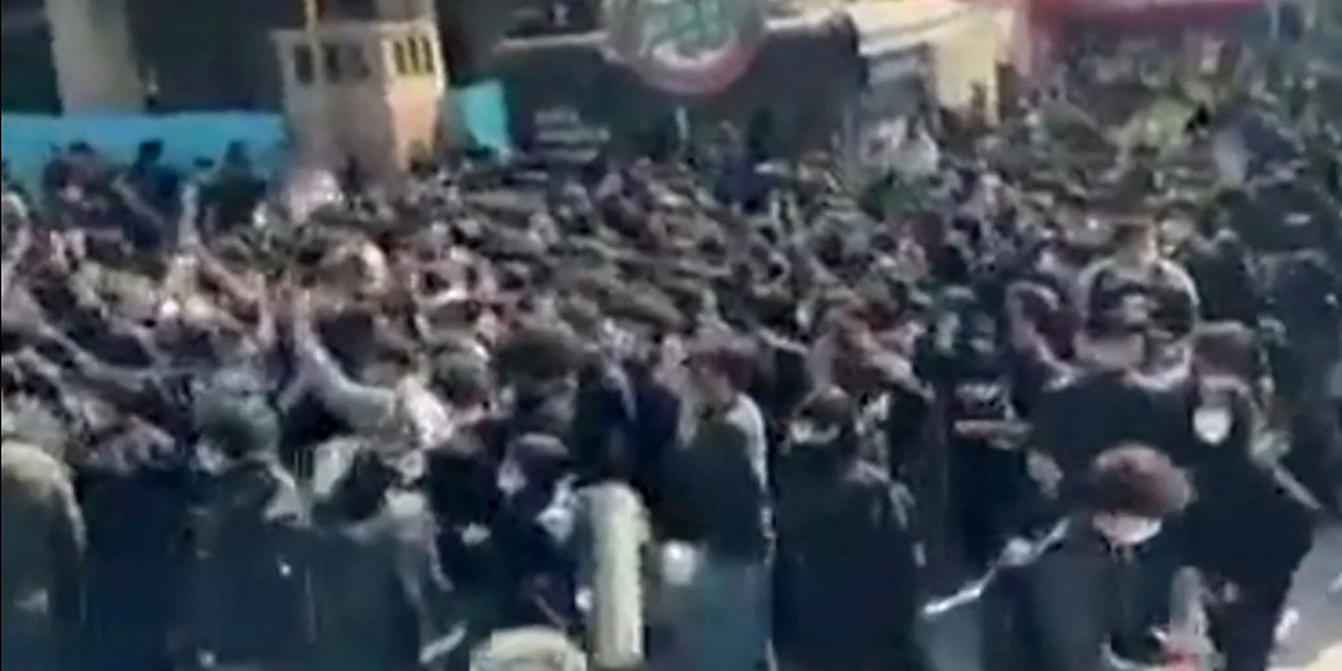
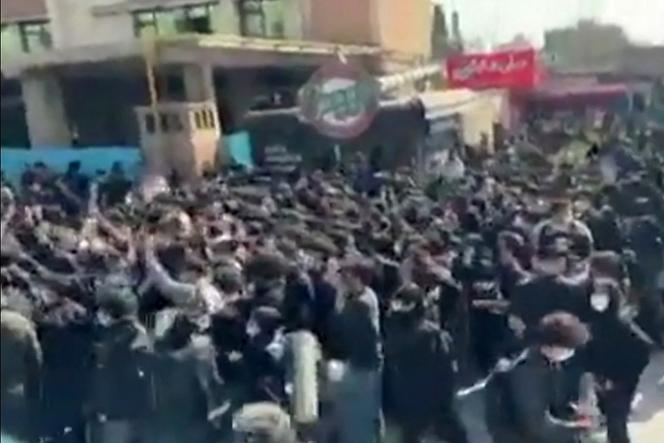
Student Demonstrations Sweep Tehran Campuses Hundreds of students marched at Sharif University of Technology, chanting “death to the dictator,” while sit‑ins and rallies spread to Shahid Beheshti, Amir Kabir, and Mashhad universities, echoing anti‑government sentiment across the capital and the northeast [1][2][3]. Video verification by the BBC and AFP confirmed the scale of the gatherings and the presence of Iranian flags alongside slogans targeting Supreme Leader Ayatollah Ali Khamenei [2][3]. Protesters also invoked exiled heir Reza Pahlavi at Sharif, signaling a broader challenge to the regime’s legitimacy [1].
Clashes Result in Basij Injuries and Arrests Confrontations erupted between demonstrators and pro‑government groups, with state‑affiliated SNN reporting rock‑throwing that injured a Basij militia volunteer at Sharif [1]. Le Monde noted that masked protestors and flag‑waving supporters exchanged shouts, disrupting what Iranian state outlet Fars described as a “silent and peaceful” rally [3]. In the western town of Abdanan, activists shouted “Death to Khamenei” after the arrest of a teacher activist, highlighting the spread of unrest beyond university grounds [1].
Protests Align with 40‑Day Mourning Ceremonies Demonstrations coincided with traditional 40‑day commemorations for victims of the January crackdown, linking current chants to the memory of thousands killed in the deadliest domestic upheaval since 1979 [1][2]. Rights groups posted videos from Beheshti, Amir Kabir, and Mashhad universities, framing the protests as tributes to those slain protesters [1][3]. The timing underscores the protesters’ strategy of leveraging mourning rituals to amplify anti‑government demands [2].
U.S. Military Posture Escalates Amid Iranian Protests The U.S. carrier USS Gerald R. Ford and three destroyers entered the Mediterranean, creating a rare simultaneous two‑carrier presence in the Middle East and raising the regional warship count to 17 [3]. President Trump announced a limited strike on Iran could be considered within ten days, linking the military option to ongoing nuclear negotiations in Switzerland [2]. Iran responded by conducting joint naval drills with Russia in the Gulf of Oman and President Massoud Pezeshkian pledged resistance to external pressure [3].
Death Toll Figures Remain Disputed Human Rights Activists News Agency reported at least 6,159 deaths since the January crackdown, including 5,804 protesters, while Iranian authorities claim over 3,100 fatalities, mostly security personnel or bystanders [2]. The divergent counts reflect competing narratives used by the regime and opposition to frame the scale of repression [2].
Sources
-
1.
CNN: Iranian university students protest as new term begins, clashes reported: Details large‑scale campus protests, rock‑throwing injury to a Basij volunteer, videos from multiple universities, and anti‑Khamenei chants in Abdanan after a teacher’s arrest .
-
2.
BBC: Iran University Students Resume Large‑Scale Anti‑Government Protests Amid U.S. Tensions: Verifies hundreds marching at Sharif, notes Trump’s limited‑strike consideration, Swiss nuclear talks, and contested death‑toll figures .
-
3.
Le Monde: Iranian students chant anti‑government slogans as U.S. military pressure mounts: Highlights AFP‑verified clashes, U.S. carrier deployment, Iran‑Russia naval drills, and President Pezeshkian’s vow not to yield to external pressure .
Related Tickers
Timeline
1979 – The Islamic Revolution creates the Islamic Republic, a regime whose authority later faces periodic mass protests and strict suppression, a backdrop referenced as the benchmark for the deadliest unrest since that year [2].
Jan 2026 – Iranian security forces launch a deadly crackdown on anti‑government protests, leaving at least 6,159 dead—including 5,804 demonstrators—according to the Human Rights Activists News Agency, while officials claim over 3,100 deaths, highlighting starkly divergent narratives [1][2].
Feb 21, 2026 – University students stage the first large‑scale anti‑government rallies since the January crackdown, marching at Sharif University of Technology, chanting “death to the dictator” and other slogans, while nearby pro‑government supporters spark scuffles [1][3].
Feb 21, 2026 – Students at Tehran campuses revive death slogans against Supreme Leader Ali Khamenei, marking the first such chants since the January crackdown and framing the demonstrations as tributes to killed protesters [3].
Feb 21, 2026 – The United States deploys the aircraft carrier USS Gerald R. Ford and three destroyers through the Strait of Gibraltar, joining a second carrier already in the region and raising the total U.S. warships in the Middle East to 17, signaling heightened military pressure on Iran [3].
Feb 21, 2026 – Iran conducts joint naval drills with Russia in the Gulf of Oman while publicly seeking a rapid nuclear agreement, underscoring Tehran’s dual strategy of deterrence and diplomatic outreach [3].
Feb 21, 2026 – President Donald Trump announces he is weighing a limited military strike on Iran and warns the world will learn “probably, 10 days” whether a nuclear deal is reached or action will be taken, intensifying diplomatic tension [1].
Feb 21, 2026 – President Massoud Pezeshkian declares on state television, “Nous ne céderons à aucune épreuve, même si les puissances du monde se dressent devant nous,” pledging Iran will not yield to external pressure [3].
Feb 21, 2026 – U.S. and Iranian officials meet in Switzerland, reporting progress in negotiations to curb Iran’s nuclear programme, though outcomes remain uncertain amid Trump’s statements [1].
Feb 22, 2026 – As the new academic term begins, students protest at multiple universities—including Sharif, Beheshti, Amir Kabir, and Mashhad—with some clashes between demonstrators and pro‑government groups; a Basij volunteer sustains a rock‑throwing injury at Sharif [2].
Feb 22, 2026 – Protesters at Sharif University call Supreme Leader Ayatollah Ali Khamenei a “murderous leader” and urge exiled heir Reza Pahlavi to become monarch, reflecting a rare open challenge to the regime’s legitimacy [2].
Feb 22, 2026 – Demonstrations coincide with 40‑day mourning ceremonies marking the deaths from the January unrest, the deadliest domestic upheaval since the 1979 Islamic Revolution, reinforcing the symbolic significance of the protests [2].
Feb 23, 2026 – Organizers announce additional rallies for Sunday, planning further campus demonstrations across Tehran and Mashhad to sustain momentum against the government [1].