Israeli Airstrikes Hit Eight Hezbollah Radwan Bases, Killing Teen in Eastern Lebanon
Updated (8 articles)
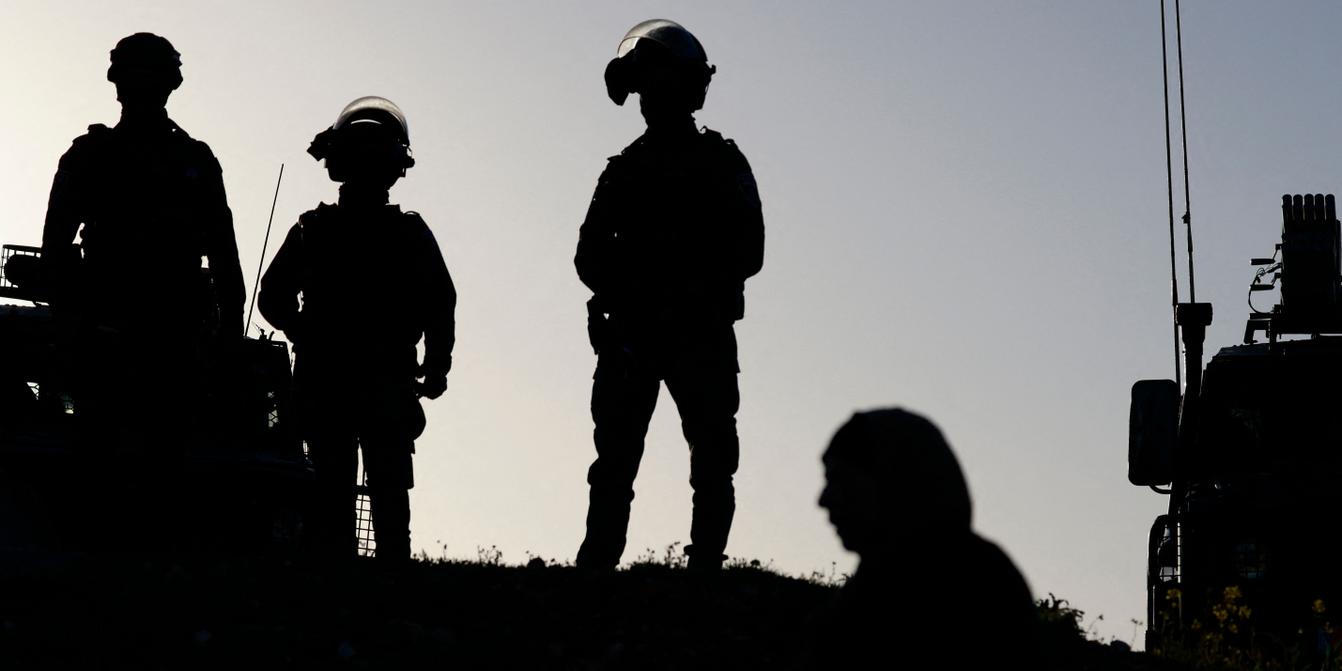
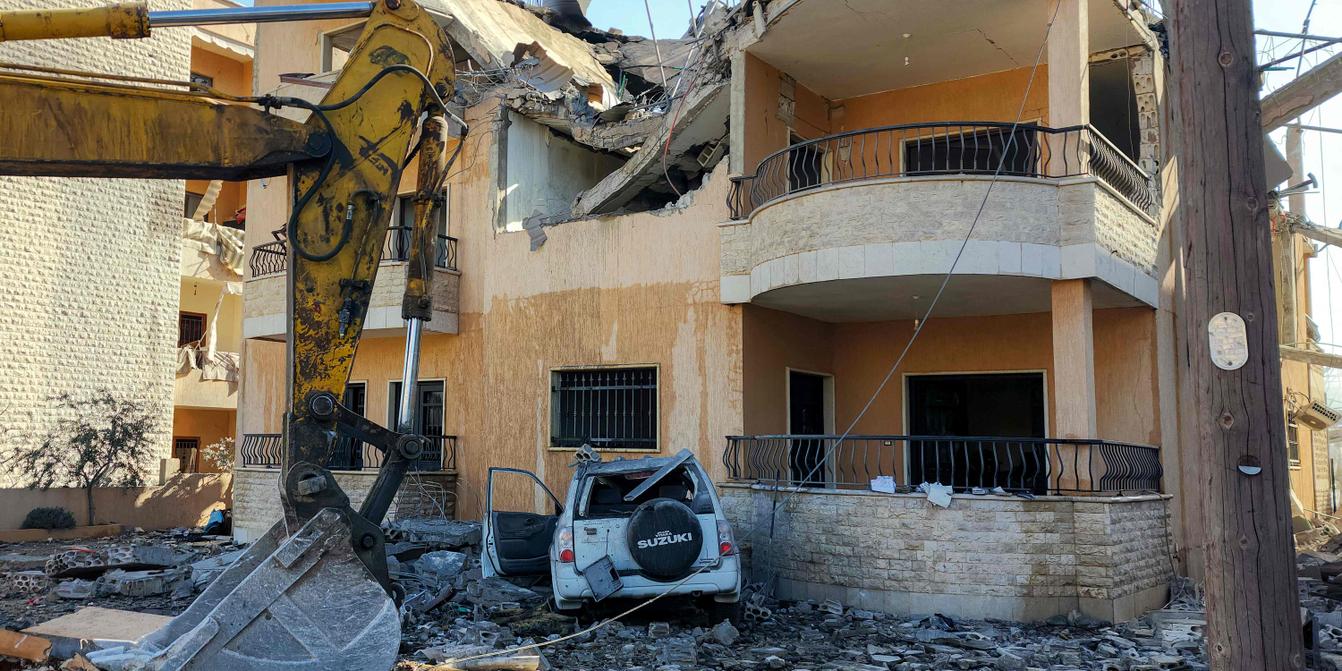
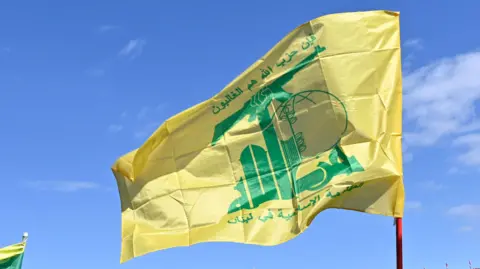
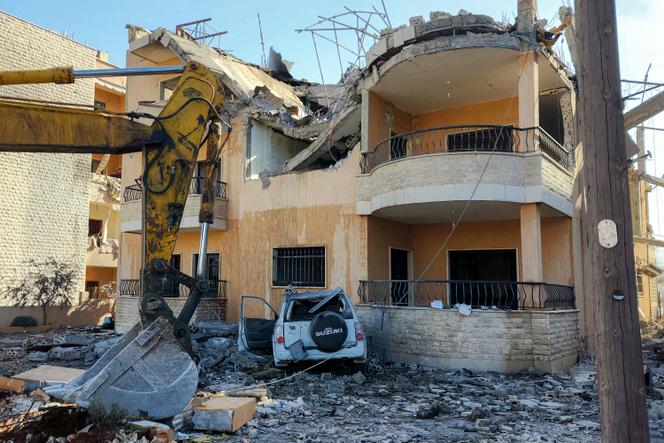
Feb 26 Strikes Target Eight Radwan Complexes in Baalbek The Israeli Defence Forces announced on 26 Feb that air raids hit eight military complexes of Hezbollah’s elite Radwan unit in the Baalbek area, describing the sites as weapons stores, training grounds and attack‑planning centres [1]. Lebanese news agency NNA confirmed strikes around western Baalbek, Bodai, Chmistar and Hrabta, and the Lebanese health ministry reported that a 16‑year‑old Syrian teenager was killed and another person wounded [1]. Israel framed the operation as a response to Hezbollah re‑arming in violation of the cease‑fire that ended the 2024 war [1].
Conflicting Death Toll Reports from Feb 21 and Feb 26 BBC coverage of 21 Feb said Israeli air strikes killed at least ten people in the Bekaa Valley, including eight Hezbollah militants and a senior field commander [2]. The same day, Le Monde reported twelve civilian deaths—ten in the Bekaa valley and two in the Palestinian refugee camp of Ain El‑Héloué—citing the Lebanese health ministry [3]. The later 26 Feb Le Monde report added a single teenage casualty, creating a discrepancy between civilian‑focused and militant‑focused counts across the two dates [1][2][3].
Leaders Decry Cease‑Fire Breaches and Call for Action Both outlets note that the November 2024 cease‑fire has been repeatedly violated by Israeli raids [2][3]. Lebanese President Joseph Aoun condemned the attacks as “flagrant aggression” and demanded an immediate end to hostilities [3]. Prime Minister Nawaf Salam described the situation as a “one‑sided war of attrition,” while Hezbollah deputy Rami Abou Hamdane urged suspension of the UN‑US‑France‑Israel monitoring committee until the strikes stop [2][3].
Disarmament Stalemate and Regional Tensions Shape Conflict Israel maintains that Hezbollah’s re‑arming activities in the Bekaa breach the cease‑fire and pose a direct threat to Israeli security [1]. The Lebanese army has dismantled Hezbollah infrastructure in the south, but disarmament efforts in the Bekaa remain stalled, prompting the cabinet to set a renewable four‑month window for phase‑two of the disarmament plan [2][3]. The strikes occur amid heightened U.S.–Iran tensions, with U.S. forces deployed across the Middle East and warnings of possible action against Iran [1].
Sources
-
1.
Le Monde: Israeli Airstrikes Hit Eight Hezbollah Radwan Bases in Eastern Lebanon, One Teen Killed: Reports IDF strike on eight Radwan sites, confirms teen death, cites NNA, frames as cease‑fire breach.
-
2.
BBC: Israeli Strikes Kill at Least 10 in Lebanon, Officials Say: Details Feb 21 raids killing ten, includes eight Hezbollah militants and senior commander, notes ongoing cease‑fire violations and Salam’s “one‑sided war” comment.
-
3.
Le Monde: Lebanese President Condemns Israeli Bombings That Killed 12: Covers President Joseph Aoun’s condemnation, 12 civilian deaths on Feb 21, Hezbollah deputy’s demand to halt monitoring, and four‑month disarmament window.
Timeline
Nov 2024 – A cease‑fire ends the 13‑month Israel‑Hezbollah war, establishing a fragile truce monitored by the United States, France, Lebanon, Israel and the United Nations [1].
Dec 22, 2025 – An Israeli drone strike 10 km from Sidon kills three civilians; Israel says it targeted Hezbollah operatives, while Lebanon reaffirms its plan to finish disarming Hezbollah south of the Litani River by year‑end and the cease‑fire monitoring committee meets to push talks forward, with President Joseph Aoun and Prime Minister Nawaf Salam outlining next steps and Italy’s role [6].
Dec 25, 2025 – Israeli strikes hit a vehicle in Hawsh al‑Sayyed Ali (killing two) and a road in Shouf (killing one, wounding five); a wounded General Security member later dies and a Lebanese army soldier is killed, prompting Lebanon to accelerate the first phase of its south‑Litani Hezbollah disarmament, which it says is nearing completion despite Israel’s continued presence in five southern zones [5].
Jan 5, 2026 – Israel launches airstrikes after posting evacuation warnings for four villages (Kfar Hatta, Annan, Al‑Manara, Ain al‑Tineh), destroying a house in Al‑Manara and hitting a three‑story commercial building in Sidon; the Israeli military claims it hit Hezbollah and Hamas weapons storage, while the Lebanese army prepares a briefing on its disarmament mission and aims to clear Hezbollah from the south Litani area by end‑2025 [4][2].
Jan 5‑6, 2026 – A second wave of Israeli strikes includes a building destroyed in Ghazieh near Sidon and attacks on both warned villages and an unannounced site; President Joseph Aoun condemns the Jan 6 raids as undermining de‑escalation efforts, and the cease‑fire monitoring committee is scheduled to meet on Wednesday to assess the escalation [3][2].
Feb 21, 2026 – Israeli airstrikes in the Bekaa Valley kill at least ten, including eight Hezbollah militants and a senior commander; Prime Minister Nawaf Salam calls Israel’s actions a “one‑sided war of attrition,” President Joseph Aoun labels the raids a “flagrant aggression” threatening diplomatic efforts, and the Lebanese cabinet announces a renewable four‑month window for phase‑two Hezbollah disarmament [1][8].
Feb 26, 2026 – The Israeli Defence Forces bomb eight Radwan‑unit bases near Baalbek, killing a 16‑year‑old Syrian teen and wounding another; Israel says the strikes breach the 2024 cease‑fire by targeting re‑arming activities, and the attacks occur amid heightened U.S.–Iran tensions and ongoing Israeli bombing campaigns [7].
Late Feb 2026 (next week) – The cease‑fire monitoring committee, comprising the US, France, Lebanon, Israel and the UN, is slated to reconvene to discuss suspending its meetings until Israeli strikes cease, after Hezbollah deputy Rami Abou Hamdane urges halting the committee until attacks stop [8].
All related articles (8 articles)
-
Le Monde: Israeli Airstrikes Hit Eight Hezbollah Radwan Bases in Eastern Lebanon, One Teen Killed
-
BBC: Israeli Strikes Kill at Least 10 in Lebanon, Officials Say
-
Le Monde: Lebanese President Condemns Israeli Bombings That Killed 12
-
The Hindu: Lebanon says Israeli strikes on Jan 5–6 undermine efforts to prevent escalation
-
AP: Israeli airstrikes hit Sidon and Bekaa as military says it targeted Hezbollah and Hamas sites
-
The Hindu: Israel strikes south and east Lebanon after evacuation warnings
-
The Hindu: Lebanon says two dead in Israeli strike near Syria border as army pushes Hezbollah disarmament
-
The Hindu: Lebanon says three killed in Israeli strike on vehicle near Sidon