Senate Debate Over $10 B ICE Funding Raises Shutdown Risk
Updated (3 articles)
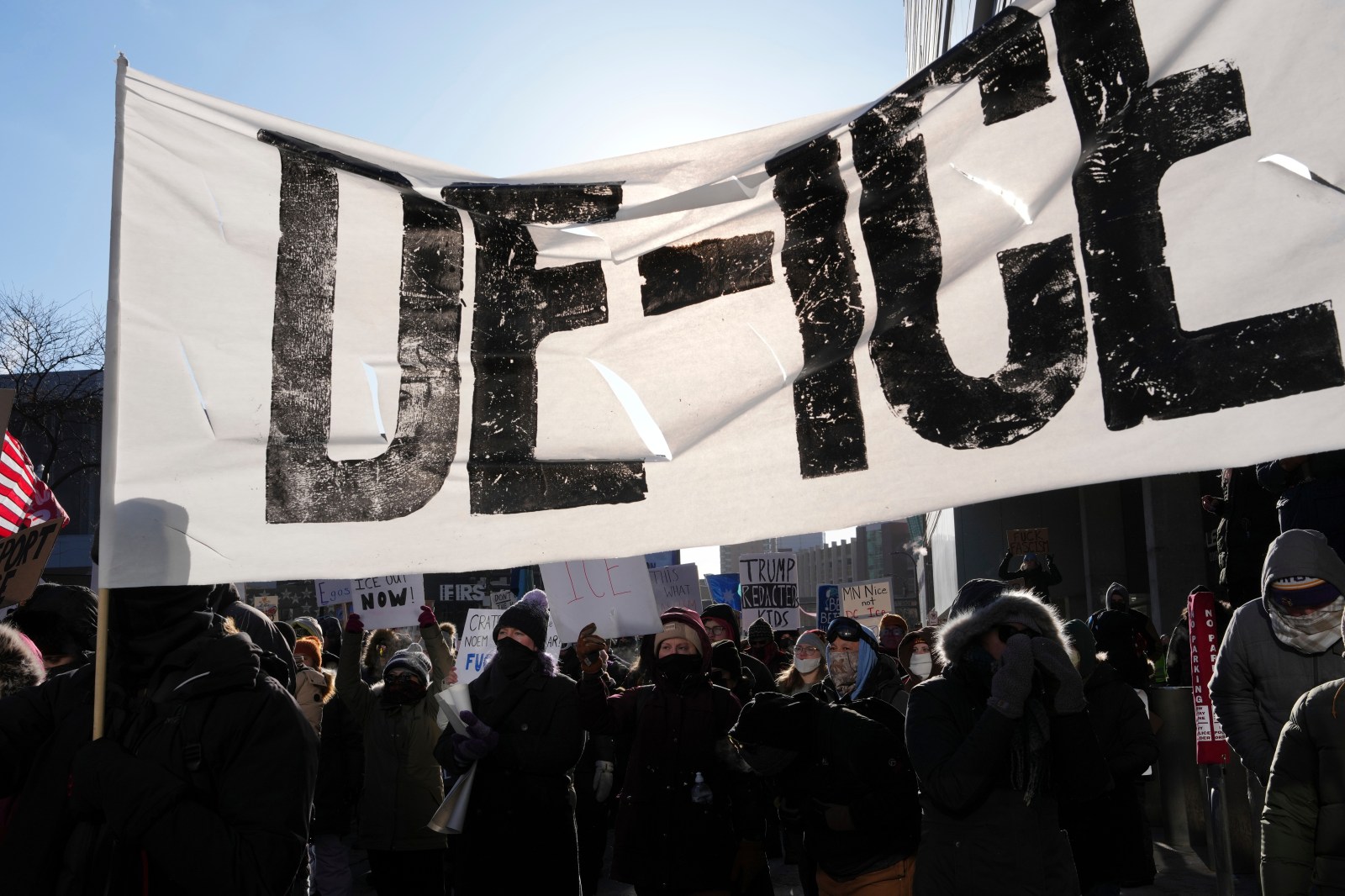
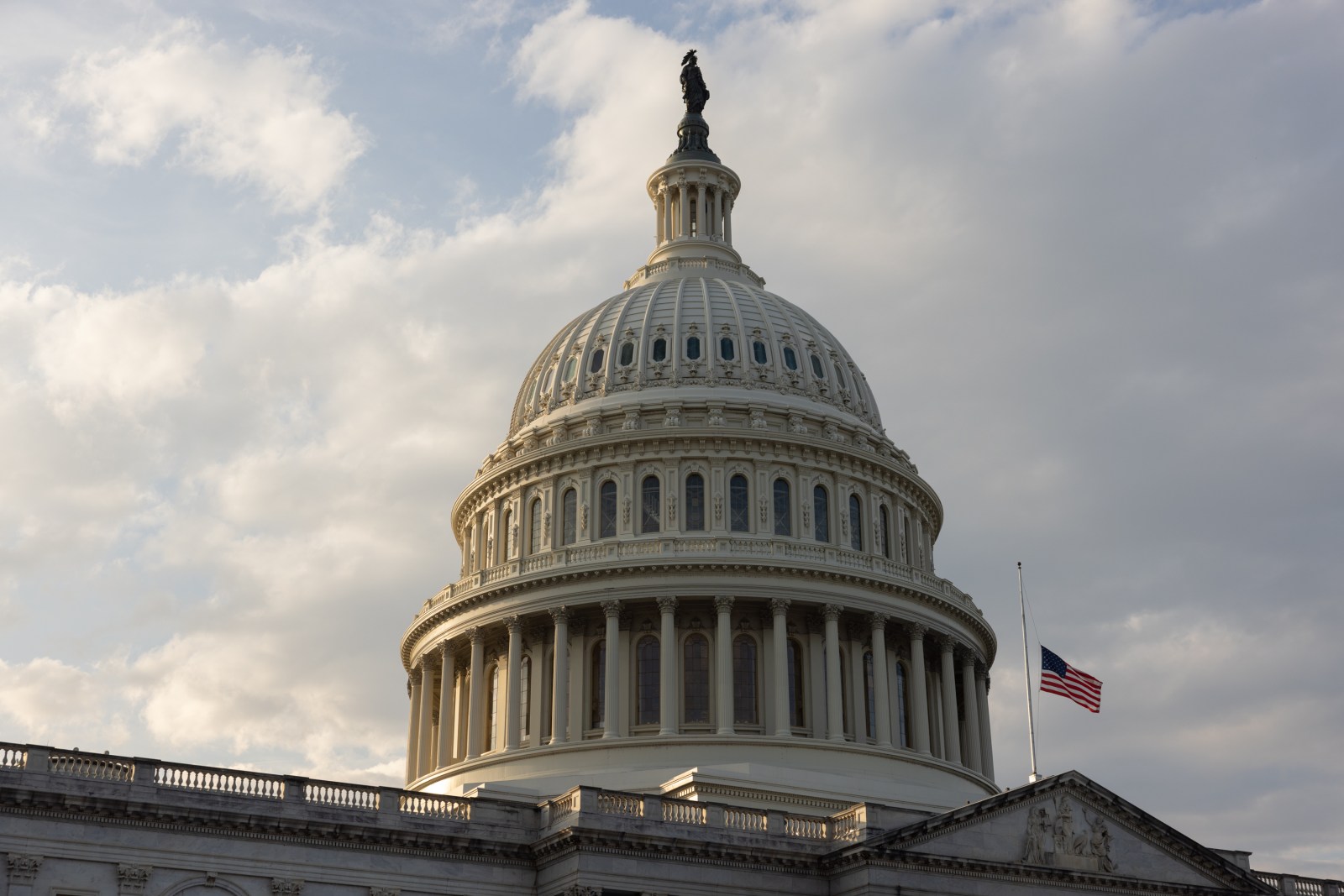
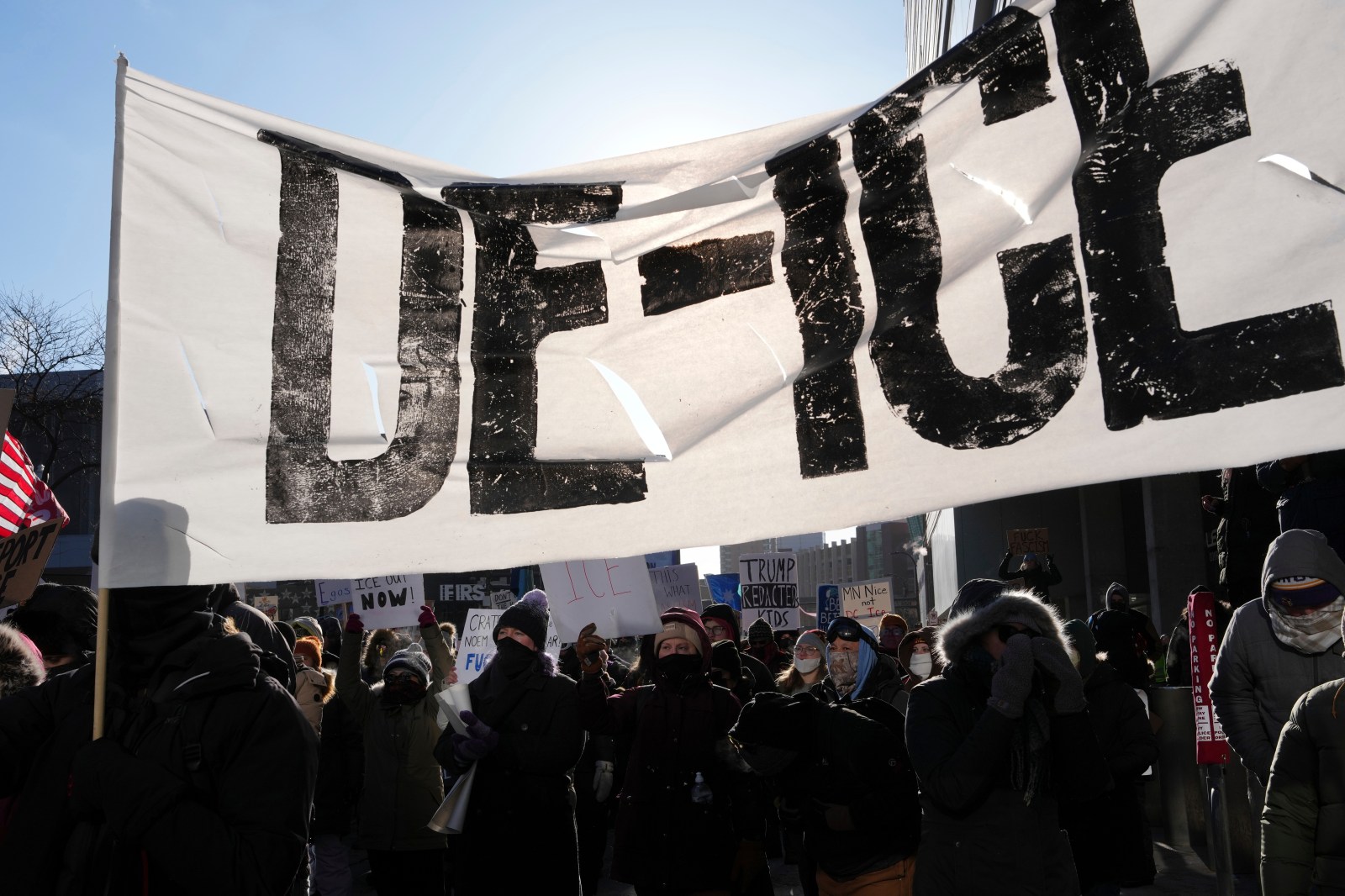
House Passes $64.4 B DHS Bill Including $10 B ICE Allocation The House approved a $64.4 billion Department of Homeland Security spending package on Jan. 28, 2026, allocating $10 billion to ICE and clearing 220‑207 with Rep. Thomas Massie the sole GOP dissenting vote. The measure would fund ICE and FEMA through Sept. 30 unless the Senate rejects it, creating a partial shutdown risk on Saturday. The bill’s passage sets the stage for Senate deliberations on ICE financing [1].
ICE Budget Swells to $29 B with Massive Unobligated Reserves FY 2026 ICE finances show a $29 billion budget, of which over 97 % is classified as unobligated, allowing flexible spending. USA Spending.gov reports the agency carried over $73 billion, received $3 billion in new appropriations and can draw $545 million from other resources. The budget now exceeds the entire defense spending of Denmark, Romania, Belgium, Greece and Morocco, and rivals that of Turkey, Spain, the Netherlands, Algeria, Brazil and Canada [1].
Senate Stalemate Threatens Partial Government Shutdown The DHS funding package requires 60 votes to overcome a filibuster, but Republicans hold only a 53‑47 majority, making Democratic support essential. Senators Jeanne Shaheen and Chris Murphy have said they will not back the bill without reforms such as ending roving patrols and mandating body‑camera footage. Betting platform Kalshi listed a 72.5 % probability of a shutdown as of Wednesday morning, reflecting market expectations that Congress will not reach a deal by the end of January [2].
Democratic Leaders Demand ICE Reform and Funding Halt Senators Patty Murray, Cory Booker, Ed Markey and Catherine Cortez Masto, together with Rep. Alexandria Ocasio‑Cortez, issued statements urging Congress to halt or reshape ICE financing, citing constitutional violations. They argue that the Office of Budget and Management’s “Other‑Budget‑Bureau‑Based‑Appropriations” (OBBBA) funds could keep ICE operating even without a new appropriations bill. Their pressure adds to the broader push for legislative reforms targeting ICE’s enforcement tactics [1].
Minneapolis Shootings Amplify Public Outcry Over ICE Operations The fatal shooting of 37‑year‑old ICU nurse Alex Pretti by a Border Patrol officer, the killing of ICE agent Jonathan Ross during the arrest of Renee Good, and the injury of Venezuelan migrant Julio Cesar Sosa‑Celis have intensified criticism of ICE. Video verification shows Pretti holding a phone rather than a weapon, while DHS claims he approached officers with a handgun. These incidents have become focal points for reform advocates and have heightened scrutiny of ICE’s expanded enforcement activities [1][2].
Sources
-
1.
Newsweek: ICE Funding Surge Threatens Government Shutdown as Senate Deliberates: details the House $64.4 B DHS bill, ICE’s $29 B budget, political opposition, Minneapolis shootings, and the agency’s large unobligated reserves .
-
2.
Newsweek: Government Shutdown Threatened by ICE Funding Standoff: emphasizes shutdown risk, the $75 B supplemental ICE appropriation, Democratic block of DHS without reforms, Senate vote dynamics, and market odds predicting a shutdown .
Timeline
2016‑2026: ICE doubles its workforce to roughly 22,000 agents and expands its budget from under $6 billion to $29 billion, reflecting a decade of intensified immigration enforcement and detention capacity [1].
2024: ICE operates on a regular budget of just under $10 billion, according to NPR, before supplemental appropriations are added [2].
2025: Congress approves a $75 billion supplemental appropriation for ICE in the “One Big Beautiful Bill,” earmarked to be spent over four years and sitting atop the agency’s regular budget [2].
Jan 21, 2026: Congressional negotiators unveil a $1.2 trillion spending “minibus” that bundles a dozen appropriations, earmarks about $10 billion for ICE (including $3.8 billion for detention and deportation), and adds body‑camera and de‑escalation training provisions to curb enforcement abuses [3].
Jan 21, 2026: Progressive Democrats publicly oppose the ICE reforms in the minibus, posting on social media that the package “does not go far enough” and urging leadership to demand stronger accountability before backing the bill [3].
Jan 21‑30, 2026: Lawmakers aim to pass the $1.2 trillion package by Jan 30 to fund the government and avoid a shutdown, with the House expected to take floor action this week [3].
Jan 28, 2026: The House passes a $64.4 billion DHS spending bill that includes $10 billion for ICE, clearing 220‑207 with Rep. Thomas Massie the sole GOP dissenting vote [1].
Jan 28, 2026: ICE’s FY 2026 finances show $73 billion in carryover, $3 billion in new appropriations, and over 97 % of its $29 billion budget classified as unobligated, giving the agency flexible spending power [1].
Jan 28, 2026: Recent Minneapolis shootings—Alex Pretti’s killing by a Border Patrol officer, ICE agent Jonathan Ross’s fatal shooting of Renee Good, and the injury of migrant Julio Cesar Sosa‑Celis—intensify public outcry over ICE tactics [1][2].
Jan 28, 2026: Senators Patty Murray, Cory Booker, Ed Markey, Catherine Cortez Masto and Rep. Alexandria Ocasio‑Cortez issue statements demanding Congress halt or reshape ICE financing, calling the agency’s actions “constitutional violations” and warning that OBBBA funds could keep ICE operating without a new appropriations bill [1].
Jan 28, 2026: House Appropriations ranking member Rosa DeLauro warns that a lapse in DHS funding would shut down TSA, FEMA and the Coast Guard while ICE would continue unchanged, labeling the agency’s conduct a “flagrant disregard for the rule of law” [2].
Jan 28, 2026: Senate leaders note that the DHS funding package requires 60 votes to overcome a filibuster; with Republicans holding a 53‑47 majority, Democratic votes become essential, and Senators Jeanne Shaheen and Chris Murphy state they will not support the bill until reforms such as ending roving patrols and mandating body‑camera footage are included [2].
Jan 28, 2026: Betting‑market platform Kalshi lists a 72.5 % probability of a government shutdown, reflecting market expectations that Congress will not reach a funding deal by the end of January [2].
Jan 30, 2026 (expected): Congress must approve the $1.2 trillion spending package by this date to avert a partial shutdown, after which DHS services remain funded and ICE reforms could be enacted [3].
All related articles (3 articles)
External resources (3 links)
- https://democrats-appropriations.house.gov/news/press-releases/appropriations-committees-release-homeland-security-funding-bill (cited 1 times)
- https://jayapal.house.gov/2026/01/20/ranking-member-jayapal-statement-on-dhs-funding/ (cited 1 times)
- https://x.com/ChrisVanHollen/status/2013797922085691572 (cited 1 times)