Russia Launches Largest Night Missile‑Drone Assault, Ending U.S.-Backed Pause
Updated (7 articles)
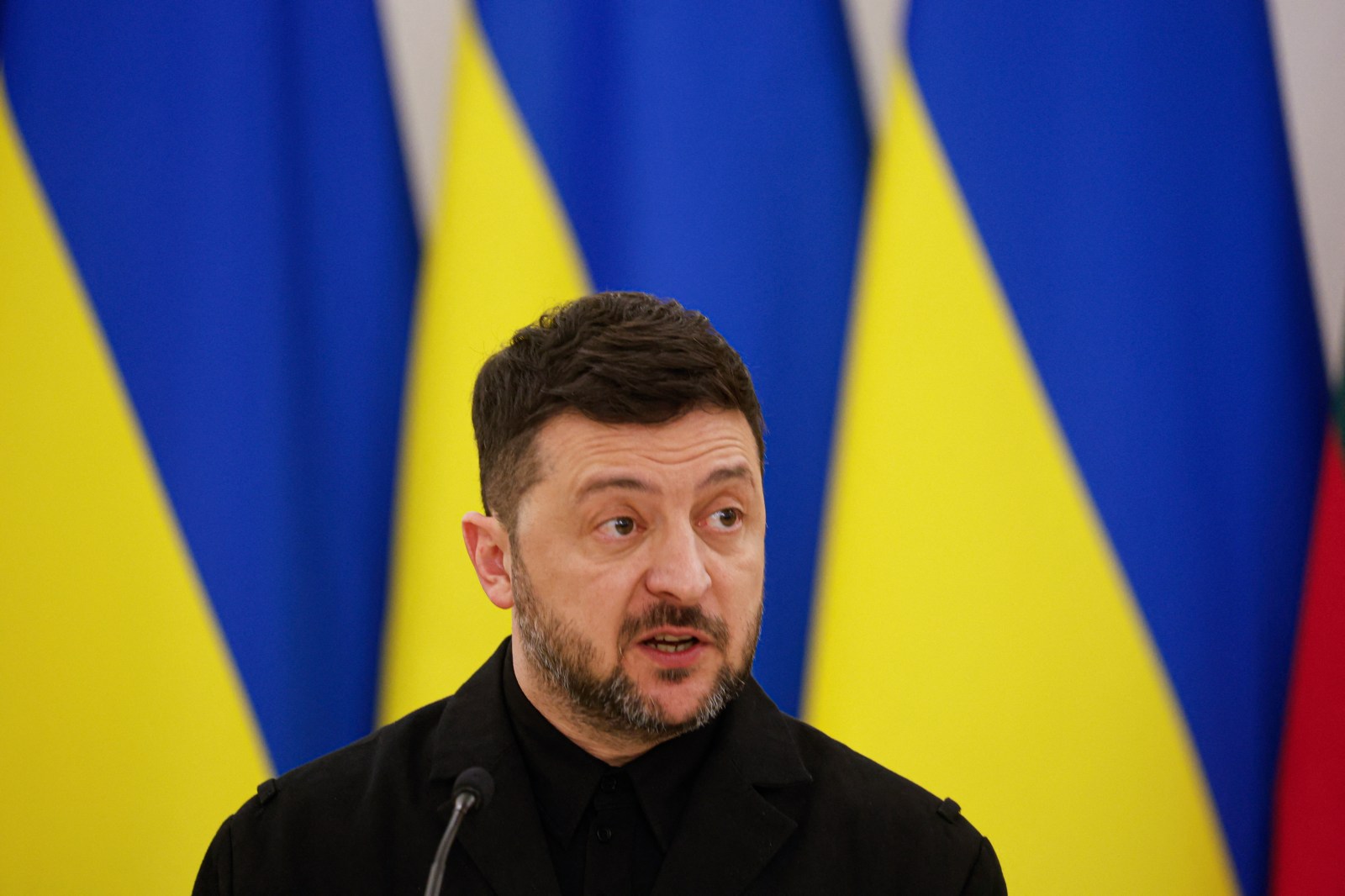
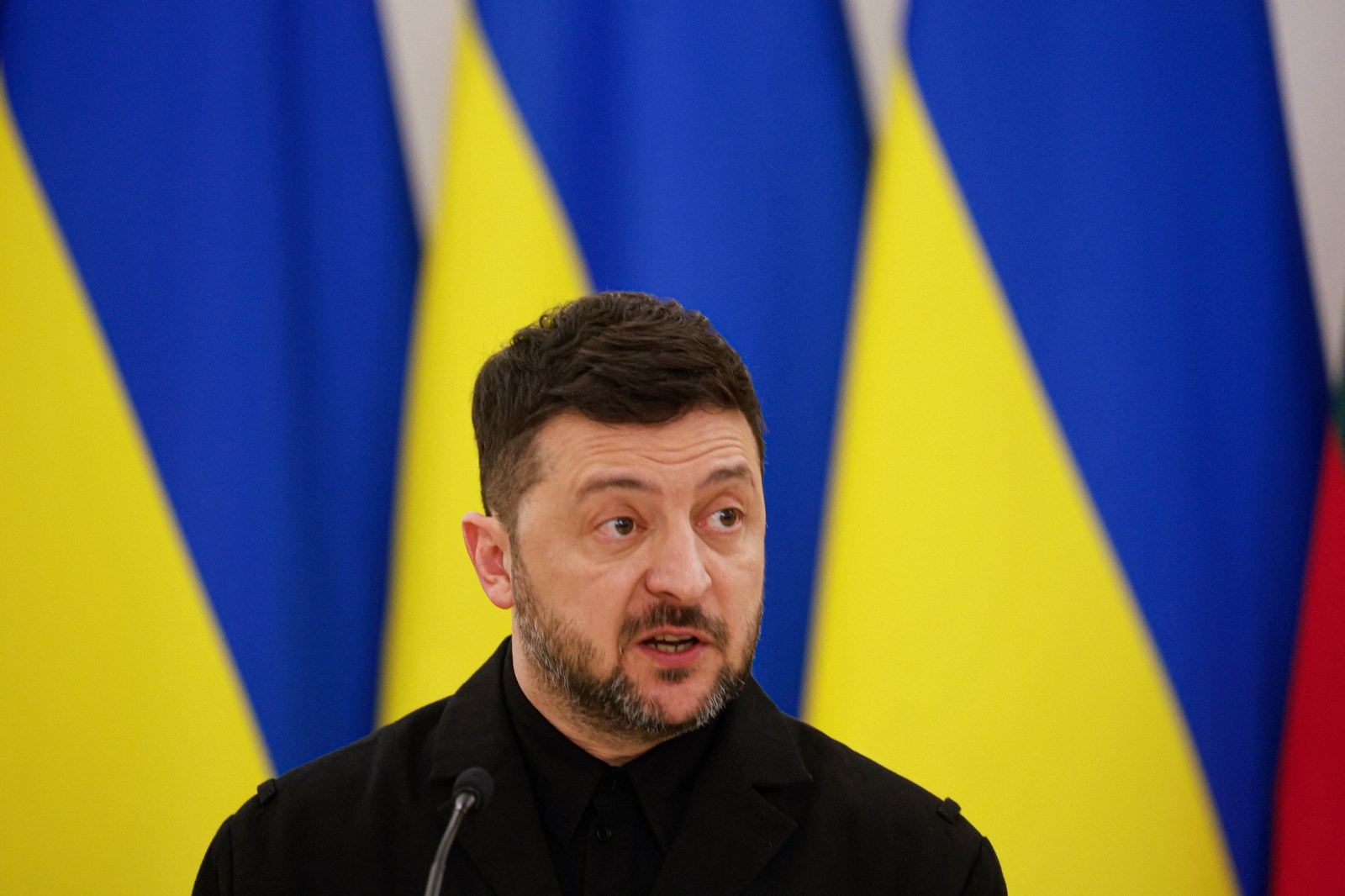
Massive Night Strike Hits Six Ukrainian Cities On Tuesday February 3, Russia unleashed its biggest missile‑drone barrage of 2026, deploying roughly 70 missiles and 450 drones against Kyiv, Dnipro, Kharkiv, Sumy, Zaporizhzhia and Odesa, targeting power facilities and marking the heaviest grid assault this year [1]. The attack terminated a week‑long pause that the United States had brokered after President Trump’s request to spare Kyiv from winter strikes [1][2]. White House officials reiterated that the suspension was U.S.‑initiated and that trilateral talks in Abu Dhabi would continue despite the renewed hostilities [1]. Russian officials have not publicly confirmed any cease‑fire agreement, and the strike demonstrates Moscow’s willingness to resume intensive operations [4][5][6].
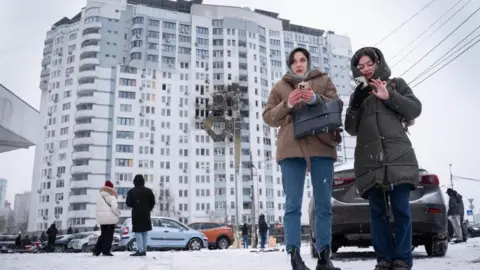
Cold‑Weather Power Outages Affect Millions The night assault knocked out heating for tens of thousands: nearly 1,200 high‑rise buildings in Kyiv, at least 820 in Kharkiv, and power for over 50,000 residents in Odesa were lost, forcing people into shelters and metro stations as temperatures fell to –20 °C in Kyiv and –25 °C in Kharkiv [1]. Water supplies were disrupted in several districts, compounding the humanitarian strain during a forecasted cold snap reaching –30 °C across much of the country [2][3]. Residents reported makeshift picnics and frozen river conditions while coping with the loss of electricity and heat [2]. The outage underscores the strategic aim of “weaponizing winter” to pressure civilian morale [1][3].
Civilian Casualties Rise Amid Residential Hits Zaporizhzhia drone strikes damaged a residential building, cars and shops, killing two teenagers and injuring eight [1]. In Kyiv, a kindergarten and several multi‑storey blocks were struck, leaving six people injured and prompting accusations that the attacks aim to break civilian morale [1]. Additional reports noted damage to civilian infrastructure in other cities, though casualty figures remain limited compared with earlier phases of the war [1]. The growing toll highlights the conflict’s expanding impact beyond purely military targets [1].
Energy Firm DTEK Operates in Survival Mode DTEK CEO Maxim Timchenko posted video of a mangled thermal power plant, confirming that two of the company’s five plants are offline and the remaining three run at reduced capacity [1]. Timchenko urged an extension of the cease‑fire to prevent a total collapse of Ukraine’s energy system, describing the situation as “survival mode” [1]. A separate bus attack on coal‑miners killed at least 12, adding to the cumulative civilian toll and further straining emergency response resources [1]. The energy sector’s vulnerability remains a central concern for both Ukrainian authorities and international supporters [1].
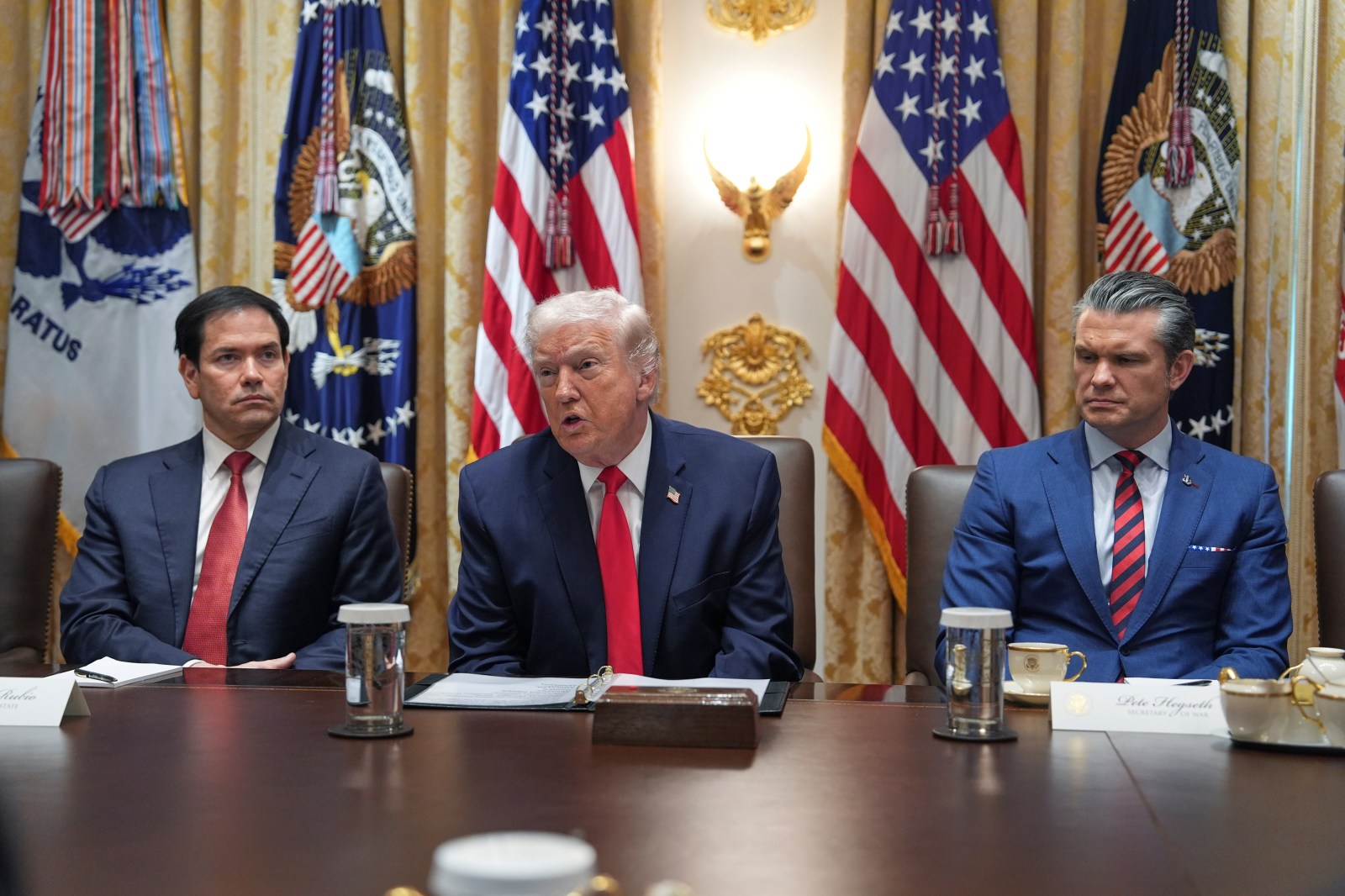
U.S.-Backed Pause Collapses Amid Diplomatic Dispute President Trump announced that he had asked President Putin to halt strikes on Kyiv for a week because of the extreme cold, claiming Putin agreed, while the Kremlin offered no confirmation [4][5][6]. Ukrainian President Zelensky welcomed the reported pause and cited Abu Dhabi talks as the venue for the proposed reciprocal energy cease‑fire [4][5]. Negotiations involving the United States, Russia and Ukraine were scheduled for early February in the UAE, but Russia has not officially acknowledged any suspension of attacks [2][3][4]. The divergent statements illustrate a diplomatic impasse: the United States frames the pause as a negotiated moratorium, whereas Russian officials remain non‑committal, and hostilities have already resumed [1][2][3][4][5][6].
Sources
-
1.
CNN: Russia Resumes Massive Night Strikes on Ukrainian Cities, Ending US‑Backed Pause: Details the February 3 missile‑drone barrage, its scale, civilian impact, and the end of a U.S.-mediated pause .
-
2.
CNN: Power Outages Sweep Ukraine and Moldova Amid Winter Freeze and Diplomatic Pause: Describes a technical fault causing blackouts, the broader context of winter strikes, and Trump’s claimed pause .
-
3.
Newsweek: Zelensky Proposes Reciprocal Energy Truce as Ukraine Braces for Harsh Winter: Highlights Zelensky’s offer of a mirror cease‑fire, Trump’s pause claim, and Abu Dhabi negotiations .
-
4.
BBC: Trump claims Putin agreed to week‑long pause on Ukrainian attacks amid extreme cold: Reports Trump’s statement, Zelensky’s reaction, and the lack of Russian confirmation .
-
5.
CNN: Ukraine President Thanks Trump After Claim of Russian Attack Pause: Covers Trump’s pause claim, Zelensky’s thanks, ongoing strikes, and U.S. diplomatic optimism .
-
6.
Newsweek: Trump Says Putin Agreed to One‑Week Kyiv Strike Pause Amid Extreme Cold: Reiterates Trump’s claim, Kremlin silence, civilian casualties, and Starlink restrictions .
Timeline
Mar 2022 – Russia halts evacuation plans from Mariupol, illustrating early war‑time disruptions to civilian safety and foreshadowing later difficulties in sustaining truces[5].
May 2025 – A three‑day cease‑fire collapses amid mutual accusations, highlighting the fragility of temporary pauses and setting a precedent for future failed agreements[5].
Jan 15, 2026 – President Zelensky declares a state of emergency for Ukraine’s energy sector, creates a round‑the‑clock task force, and orders procurement of foreign equipment to repair war‑damaged power lines[2].
Jan 15, 2026 – Zelensky accuses Moscow of deliberately exploiting the severe winter to weaken Ukraine’s civilian resilience as temperatures hover around ‑20 °C[2].
Jan 15, 2026 – Former President Trump tells Reuters that Ukraine is less ready to negotiate a peace deal than Putin, signaling U.S. skepticism about Kyiv’s bargaining position[2].
Jan 15, 2026 – Kremlin spokesman Dmitry Peskov says President Putin remains open to talks, indicating Russia’s public willingness to negotiate despite ongoing strikes[2].
Jan 15, 2026 – DTEK, Ukraine’s largest private energy provider, reports continuous drone and missile attacks that strain its grid, which still serves about 5.6 million people[2].
Jan 15, 2026 – The UN monitoring mission records at least 2,514 civilian deaths in Ukraine over the past year, underscoring the humanitarian toll of the conflict[2].
Jan 29, 2026 – President Trump claims he asked President Putin to halt attacks on Kyiv and other towns for a week because of the extreme cold, and says Putin agreed, though Moscow offers no confirmation[7].
Jan 29, 2026 – Kremlin spokesman Dmitry Peskov declines to comment on the alleged pause, leaving the claim unverified by Russian officials[7].
Jan 29, 2026 – Ukraine’s State Emergency Service warns a brutal cold wave will push temperatures to ‑30 °C, threatening power shortages already strained by Russian strikes[7].
Jan 29, 2026 – Recent Russian drone attacks in Zaporizhzhia kill three civilians and spark a large fire, while strikes in Dnipropetrovsk injure two, illustrating ongoing civilian casualties despite diplomatic overtures[7].
Jan 29, 2026 – Defense Minister Mykhailo Fedorov contacts SpaceX to block Russian use of Starlink for guiding attack drones, thanking Elon Musk and Gwynne Shotwell for a rapid response[7].
Jan 29, 2026 – EU foreign minister Kaja Kallas accuses Russia of not taking negotiations seriously, while Trump’s envoy Steve Witkoff reports “a lot of progress” from three‑way talks and expresses optimism for a peace deal[7].
Jan 30, 2026 – Trump repeats his claim that Putin agreed to a one‑week moratorium on strikes against Kyiv and other towns, citing the extreme cold as the reason for the pause[1].
Jan 30, 2026 – Zelensky thanks Trump on X, calling the pause “important” and saying it could protect Kyiv’s energy infrastructure; he notes the idea was discussed in Abu Dhabi trilateral talks[5].
Jan 30, 2026 – Zelensky offers a reciprocal cease‑fire on Russian energy targets if Moscow stops hitting Ukraine’s power grid, positioning the United States as the mediator of the negotiations[6].
Jan 30, 2026 – The State Emergency Service reiterates that temperatures will plunge to ‑30 °C beginning Friday, intensifying the humanitarian risk of heating shortages[6].
Jan 30, 2026 – Ukrainian officials accuse Russia of “weaponizing winter” by deliberately cutting utilities, a claim echoed across multiple reports[6].
Jan 30, 2026 – Energy‑ceasefire talks are raised at the Abu Dhabi summit, with fresh negotiations slated to resume on Sunday, indicating a possible next step toward a reciprocal de‑escalation[6].
Jan 30, 2026 – The Ukrainian Air Force reports 80 drones and a ballistic missile striking four frontline regions overnight, showing that combat operations continue despite pause claims[1].
Jan 30, 2026 – Zelensky calls Trump’s statement “important,” noting that Ukrainian teams discussed implementation in the United Arab Emirates and that Ukraine would mirror any Russian pause on attacks on its oil refineries[1].
Jan 30, 2026 – Trilateral talks in the UAE are described as constructive, yet no formal pause is announced, and Russian air strikes persist, underscoring the gap between diplomatic rhetoric and battlefield reality[1].
Jan 31, 2026 – A technical fault on power lines linking Ukraine and Moldova triggers automatic protection systems, causing cascading blackouts in Kyiv, Zhytomyr and Kharkiv and cutting water supplies and subway service[4].
Jan 31, 2026 – The outage follows weeks of Russian strikes on Ukraine’s energy grid, which officials label a strategy of “weaponizing winter” as temperatures are forecast to fall to ‑30 °C through the next week[4].
Jan 31, 2026 – Trump says he secured a temporary pause on Russian strikes that will last until Sunday, aiming to aid negotiations, though details remain unclear and Russia has not officially confirmed the cease‑fire[4].
Jan 31, 2026 – U.S., Russian and Ukrainian officials are expected to meet on Feb 1 in Abu Dhabi for further talks, following a late‑January session that included both sides of the conflict[4].
Jan 31, 2026 – Kyiv residents endure frozen rivers, lack of heating, water cuts and power outages, yet continue public life with outdoor gatherings and makeshift picnics, reflecting civilian resilience amid hardship[4].
Jan 31, 2026 – Russian envoy Kirill Dmitriev reports being in Miami for talks with an “American delegation,” indicating parallel diplomatic channels outside the Abu Dhabi summit[4].
Feb 3, 2026 – Russia launches its biggest missile‑drone strike of the year, hitting Kyiv, Dnipro, Kharkiv, Sumy, Zaporizhzhia and Odesa with about 70 missiles and 450 drones, cutting heat for tens of thousands and ending the alleged week‑long pause[3].
Feb 3, 2026 – Zelensky urges an American response after the energy‑grid attacks, noting the unprecedented scale of the assault on power facilities across at least six regions[3].
Feb 3, 2026 – Trump says Putin kept his word by halting attacks for a week but resumed strikes Sunday night; the White House stresses that the pause was a U.S.-proposed suspension and that trilateral talks in Abu Dhabi will continue with U.S. mediation[3].
Feb 3, 2026 – Cold‑weather attacks leave thousands without heat: nearly 1,200 high‑rise buildings in Kyiv, at least 820 in Kharkiv and over 50,000 people in Odesa lose power as temperatures drop to ‑20 °C in Kyiv and ‑25 °C in Kharkiv[3].
Feb 3, 2026 – Civilian casualties rise as residential structures are hit; two teenagers die in Zaporizhzhia, eight are injured, and six people are injured in Kyiv after a kindergarten and multi‑storey blocks are damaged[3].
Feb 3, 2026 – DTEK operates in “survival mode” after a thermal plant is mangled, leaving two of its five plants offline and three running at low capacity, while the company urges extension of the cease‑fire to prevent a collapse of Ukraine’s energy system[3].
Feb 3, 2026 – A bus attack on coal‑miners kills at least 12 people, adding to the civilian toll of the intensified winter offensive[3].
All related articles (7 articles)
-
CNN: Russia Resumes Massive Night Strikes on Ukrainian Cities, Ending US‑Backed Pause
-
CNN: Power Outages Sweep Ukraine and Moldova Amid Winter Freeze and Diplomatic Pause
-
Newsweek: Zelensky Proposes Reciprocal Energy Truce as Ukraine Braces for Harsh Winter
-
BBC: Trump claims Putin agreed to week‑long pause on Ukrainian attacks amid extreme cold
-
CNN: Ukraine President Thanks Trump After Claim of Russian Attack Pause
-
Newsweek: Trump Says Putin Agreed to One‑Week Kyiv Strike Pause Amid Extreme Cold
-
BBC: Ukraine declares energy sector state of emergency as strikes disrupt power
External resources (1 links)
- https://x.com/TimchenkoMaxim/status/2018756756218823008?s=20 (cited 1 times)