United States Drops Democratic Conditionality, Prioritizes Security and Minerals in Sahel
Updated (2 articles)
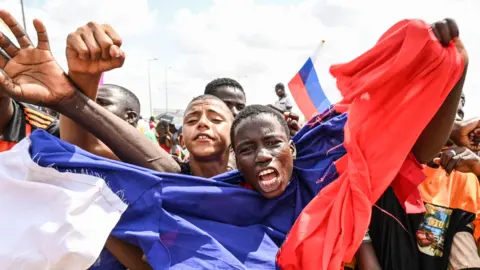
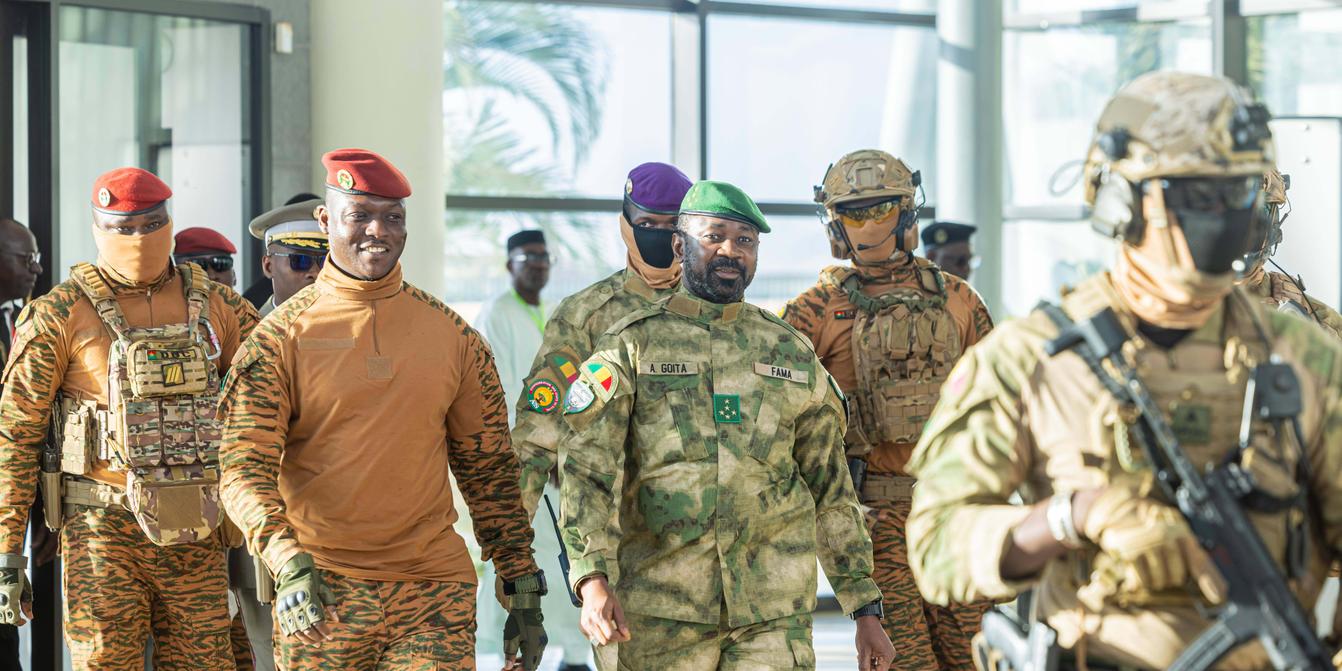
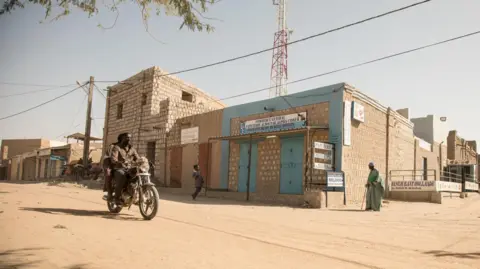
Security‑First Policy Replaces Democracy Emphasis The United States announced a decisive shift on 2 February 2026, abandoning democracy and human‑rights conditionality toward Mali, Burkina Faso and Niger in favor of counter‑terrorism cooperation and mineral‑resource access [1][2]. The new stance seeks to engage the military juntas that have ruled since 2021‑2023, emphasizing shared security interests over governance reforms [1][2]. Both outlets note that the policy aims to prevent Russia from becoming the sole external defence partner in the region [2].
Nick Checker Leads First Diplomatic Outreach Former CIA analyst Nick Checker, appointed head of the State Department’s Africa bureau on 6 January 2026, arrived in Bamako on 2 February 2026 to signal Washington’s “respect for Mali’s sovereignty” [1][2]. During the visit he pledged U.S. assistance “at least as much as on the Russians” and assured the juntas that Washington would not interfere in internal politics [1][2]. The trip marks the first high‑level U.S. diplomatic engagement since the policy shift.
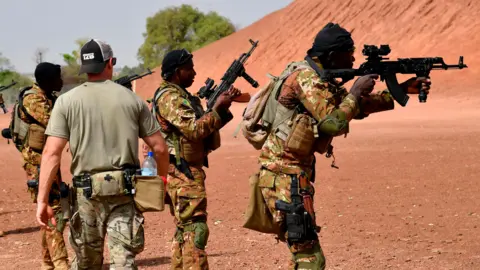
U.S. Assistance Designed to Counter Russian Influence Washington pledged intelligence sharing and possible weapons supplies, while explicitly ruling out redeploying ground troops or reopening the Agadez drone base that housed roughly 800 U.S. personnel before its expulsion [2]. The United States intends to match Russia’s security footprint, which includes about 1,000 Russian security contractors in Mali and smaller contingents in Burkina Faso and Niger [2]. This parallel support is presented as a means to keep the Sahel from falling under exclusive Russian control [2].
Democratic Conditionality Dropped, Aid Tied to Sovereignty The United States now separates technical cooperation and financing from civil‑liberty benchmarks, signaling a broader policy change [1]. Le Monde reports that Washington delayed condemning the 2025 Niger coup to protect the Agadez drone base, later suspending cooperation when the junta persisted [1]. BBC adds that the Trump administration closed USAID operations in the region, narrowing U.S. focus to security and minerals—a detail not mentioned by Le Monde, highlighting a discrepancy in reported aid‑program changes [2].
Jihadist Threat Amplifies Policy Urgency An ISGS attack on Niamey airport in late January 2026 underscored the escalating jihadist danger in the tri‑border area [2]. Analysts describe the Sahel as the “epicentre of global terrorism,” with half of worldwide terrorism deaths now occurring there [2]. The United States cites this security environment as a primary driver for its renewed engagement and resource‑security focus [1][2].
Sources
-
1.
Le Monde: US Diplomat Signals End of Democratic Conditionality in Sahel: details Checker's inaugural Africa trip, the abandonment of democracy‑linked aid, delayed condemnation of the 2025 Niger coup, and the broader competition for African resources.
-
2.
BBC: U.S. Announces Security‑First Policy Toward Mali, Burkina Faso and Niger: outlines the new security‑first stance, Checker's Bamako visit, USAID closure under Trump, intelligence and weapons support, Russian contractor presence, and the ISGS airport attack.
Timeline
2021 – A military coup in Mali installs a junta that suppresses free speech, dissolves parties and imprisons opponents, setting the stage for later U.S. policy shifts [2].
2022 – A military coup in Burkina Faso brings a similar junta to power, further entrenching authoritarian rule across the Sahel [2].
2023 – A military coup in Niger installs a junta that later expels the U.S. Agadez drone base, ending the presence of roughly 800 U.S. troops and signaling a break in security cooperation [1][2].
Jan 20, 2025 – Donald Trump is inaugurated; within days the new administration shuts USAID operations in Mali, Burkina Faso and Niger, ending a key development channel and pivoting toward security‑first objectives [1].
2025 – The United States delays condemning the 2025 Niger coup to protect the Agadez drone base, revealing a strategic priority on counter‑terrorism infrastructure over democratic pressure [2].
2025 – Russia stations about 1,000 security contractors in Mali and smaller contingents in Burkina Faso and Niger, expanding Moscow’s footprint and prompting Washington to seek a competing security partnership [1].
Jan 6, 2026 – Nick Checker, a former CIA analyst, is appointed head of the State Department’s Bureau of African Affairs, positioning him to lead the new U.S. approach to the Sahel [2].
Feb 2, 2026 – Nick Checker arrives in Bamako and tells the Malian junta that the United States will “match Russian support against jihadists” and will respect Mali’s sovereignty, marking the first high‑level U.S. diplomatic visit under the new policy [2].
Feb 2, 2026 – The United States announces a “security‑first” policy toward Mali, Burkina Faso and Niger, dropping democracy and human‑rights conditionality and emphasizing counter‑terrorism and mineral‑security cooperation [1].
Early Feb 2026 – The Islamic State in the Greater Sahara attacks Niger’s Niamey airport, underscoring the “epicentre of global terrorism” in the Sahel and reinforcing U.S. concerns about safe havens for jihadists [1].
2026 (ongoing) – The United States commits to provide intelligence sharing and possible weapons to the three Sahel states while explicitly stating it will not redeploy ground troops or reopen the Agadez drone base, cementing a limited but strategic engagement [1].
External resources (4 links)
- http://bbcafrica.com/ (cited 1 times)
- https://twitter.com/BBCAfrica (cited 1 times)
- https://www.facebook.com/BBCnewsafrica/ (cited 1 times)
- https://www.instagram.com/bbcafrica/ (cited 1 times)