US Olympic Federations Rename Athlete Hospitality Venue to “Winter House” Amid ICE Protests
Updated (11 articles)
-
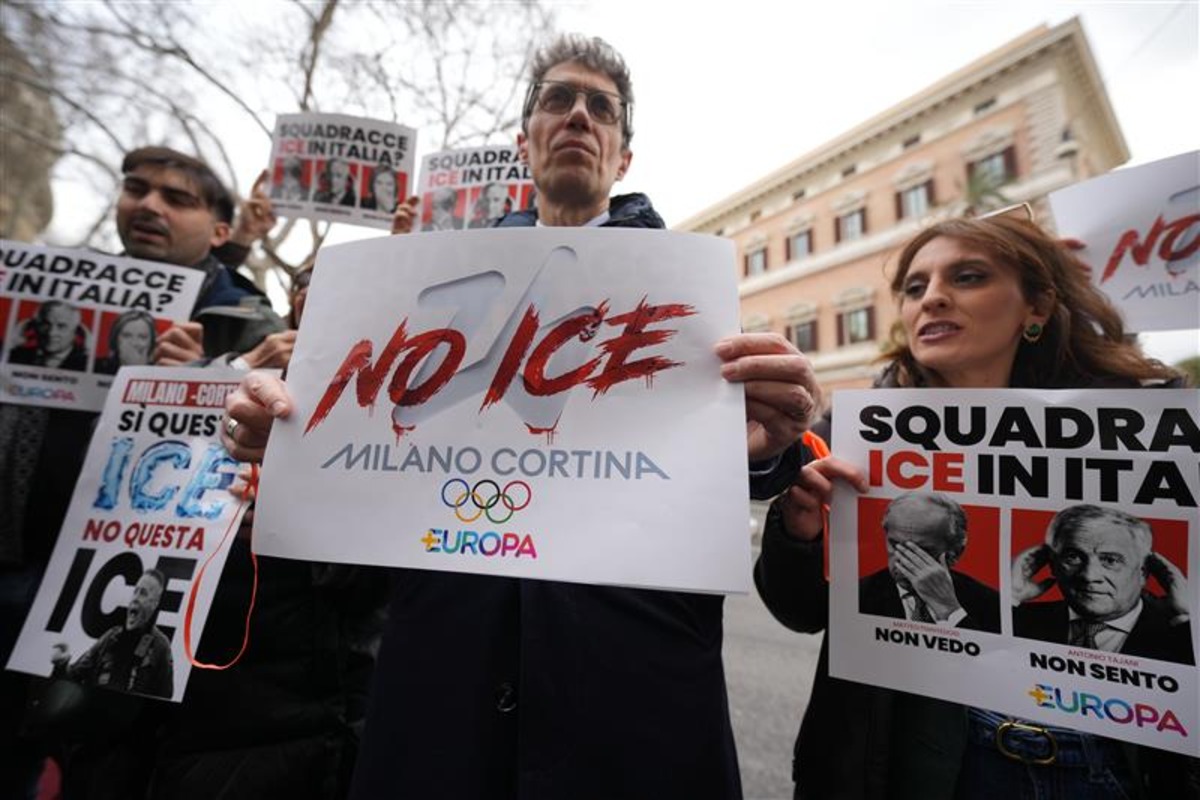 Image: Newsweek
 -
 Image: YonhapThis photo, provided by the foreign ministry on Jan. 30, 2026, shows a South Korean government response team for the Milan-Cortina Winter Olympics during a launch ceremony ahead of their dispatch to the Italian city to provide consular assistance to South Korean nationals during the Games. (PHOTO NOT FOR SALE) (Yonhap) Source Full size
-
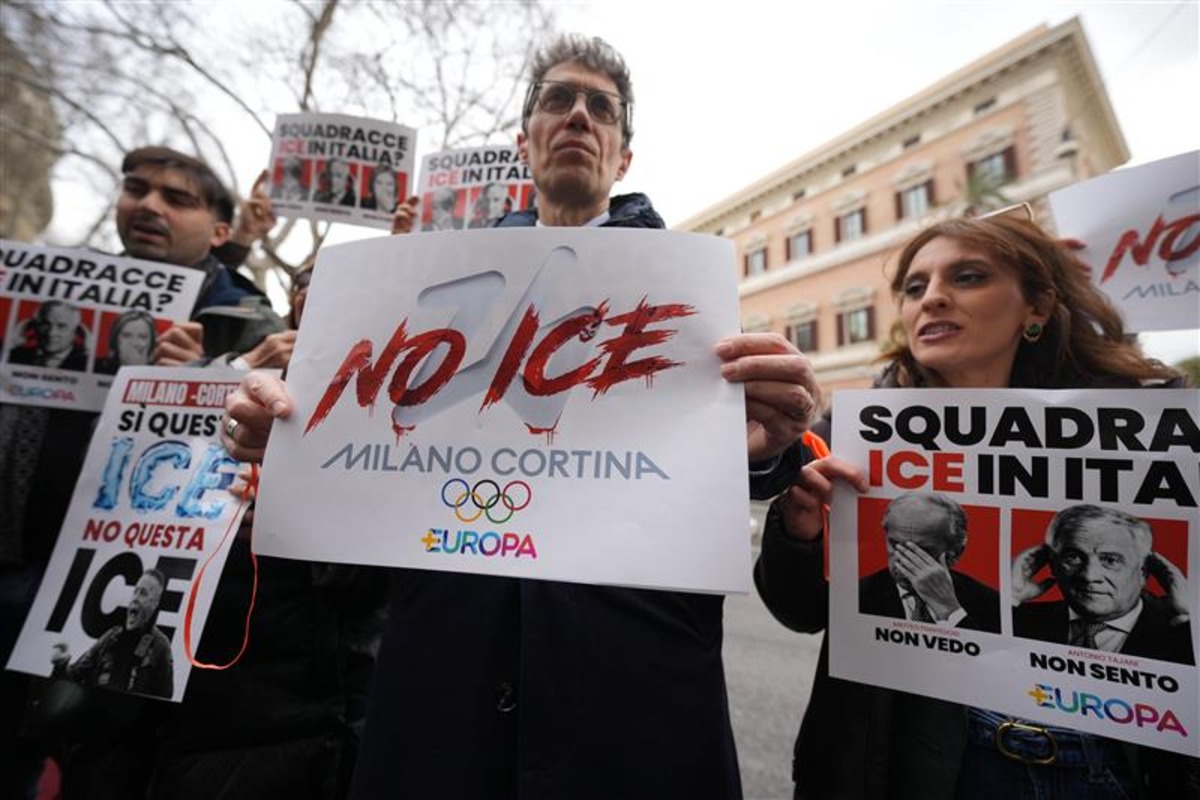 Image: Newsweek
 -
Image: YonhapThis photo, provided by the foreign ministry on Jan. 30, 2026, shows a South Korean government response team for the Milan-Cortina Winter Olympics during a launch ceremony ahead of their dispatch to the Italian city to provide consular assistance to South Korean nationals during the Games. (PHOTO NOT FOR SALE) (Yonhap) Source Full size

ICE Presence Confined to U.S. Consular Facilities Homeland Security Investigations (HSI) agents, not Enforcement and Removal Operations, will operate from a control room inside the U.S. Consulate in Milan, providing intelligence on transnational crime while Italian police retain full security authority over Olympic sites[6][5]. The Department of Homeland Security explicitly stated that ICE does not conduct immigration‑enforcement actions abroad, and Italy’s Interior Ministry confirmed agents will remain inside diplomatic premises only[2][5]. This arrangement follows early media confusion that conflated HSI with the more controversial ICE enforcement arm.
Hundreds Protest ICE Deployment in Milan Demonstrations erupted on Jan. 31 and again on Feb. 2, drawing several hundred participants to Piazza XXV Aprile and near the U.S. Embassy, where activists waved “No ICE” signs emblazoned with the Winter Olympics logo[3][2]. Protesters included members of Italy’s Democratic Party, the CGIL union, and the ANPI resistance association, and they were supplied with whistles and banners linking the Minneapolis shootings to the Games[3]. Milan Mayor Giuseppe Sala labeled ICE a “militia that kills” and declared the agents “not welcome,” echoing broader Italian political opposition[3][2].
US Olympic Federations Rename Athlete Hospitality Venue On Feb. 3, the three U.S. federations (Figure Skating, Hockey, Speedskating) announced the rebranding of their shared athlete hospitality space from “Ice House” to “Winter House” after the anti‑ICE wave spread from the United States to Italy[1]. Figure skater Amber Glenn praised the change as “wise,” noting the word “ice” was painful given recent events[1]. NBC plans to feature the Winter House in its Games coverage, offering viewers behind‑the‑scenes looks at medal celebrations and meet‑and‑greets[1].
Italian Officials and Public Condemn ICE Presence Lawmaker Riccardo Magi and Foreign Minister Antonio Tajani publicly denounced the U.S. agency, with Tajani warning “It’s not like the SS are coming,” while Sala’s militia comment intensified local backlash[2]. The protests were amplified by Grammy‑winner artists who wore “ICE Out” pins and referenced the agency in acceptance speeches, linking entertainment to the diplomatic dispute[2]. Despite the pressure, the U.S. State Department’s Diplomatic Security Service will coordinate with Italian authorities, and the IOC’s Kirsty Coventry warned that the focus on ICE distracts from the Games[2].
Overall Security Plan Emphasizes Italian Control and International Cooperation Italy will deploy roughly 6,000 police officers, drones, and a 24‑hour cybersecurity hub to safeguard venues, with the IOC reiterating that the host nation bears primary responsibility[5][6]. South Korea has also established a rapid‑response consular team in Milan, led by Ambassador Lim Sang‑woo, to protect its nationals and cooperate on security matters during the Games[4]. These layered measures aim to ensure a secure Olympics while limiting ICE’s visible role to advisory functions within the U.S. diplomatic enclave.
Sources
-
1.
CNN: US Olympic hospitality venue renamed “Winter House” after anti‑ICE protests: reports the federations’ name change, Amber Glenn’s endorsement, and NBC’s planned coverage of the venue.
-
2.
Newsweek: ICE Protest in Milan Ahead of Winter Olympics: details the Feb. 2 embassy protest, Grammy artists’ statements, Italian politicians’ denunciations, and DHS clarification that HSI—not ICE—will operate in Milan.
-
3.
AP: Milan protest targets U.S. ICE presence at 2026 Winter Olympics: describes the Jan. 31 demonstration, participant groups, mayor’s opposition, and the upcoming opening ceremony with U.S. Vice President JD Vance.
-
4.
Yonhap: South Korea Deploys Rapid Response Team to Milan for Winter Olympics: outlines South Korea’s temporary consular office and multi‑agency rapid response team led by Lim Sang‑woo to assist Korean nationals.
-
5.
Newsweek: Italy Confirms ICE Will Not Patrol Olympic Sites, Emphasizes Italian‑Led Security: clarifies ICE’s limited diplomatic‑premises role, details Italy’s 6,000‑officer security plan, and notes political pressure following the Minneapolis shootings.
-
6.
AP: ICE’s HSI Unit Assigned to Support Security at Milan‑Cortina 2026 Winter Olympics: announces HSI deployment, control‑room location, mayor’s militia comment, and overall security numbers involving over 6,000 police.
Timeline
Dec 2025 – The Trump administration launches “Operation Metro Surge,” a nationwide immigration‑enforcement sweep that results in hundreds of arrests in the Minneapolis‑St. Paul area, setting the stage for later ICE controversies in Italy[6].
Jan 7, 2026 – An ICE officer fatally shoots Renee Nicole Good in Minneapolis, igniting nationwide protests and fueling anti‑ICE sentiment that quickly spreads to Italy[1][4][6].
Jan 24, 2026 – ICE officer kills Alex Pretti, an ICU nurse, in Minnesota, intensifying backlash against the agency and prompting petitions and political criticism in Italy[1][4][6].
Jan 27, 2026 – The U.S. Department of Homeland Security announces that ICE will support U.S. security operations for the Milan‑Cortina Winter Games beginning Feb 6, with a “strictly supportive” role and no immigration enforcement abroad; DHS spokeswoman Tricia McLaughlin says, “ICE will not conduct immigration enforcement in Italy”[1][3][6].
Jan 27, 2026 – Milan Mayor Giuseppe Sala declares ICE “a militia that kills” and says “they are not welcome in Milan,” linking the agency to former President Donald Trump’s policies[6][8][9][10].
Jan 27, 2026 – Foreign Minister Antonio Tajani stresses ICE agents will not be armed or patrol streets, warning “It’s not like the SS are coming,” and confirming they will work only in operations rooms with the Diplomatic Security Service[3][9][10].
Jan 27, 2026 – Italy’s Interior Ministry limits ICE activity to U.S. diplomatic premises, stating agents will operate solely from a control room at the Milan consulate and will not conduct on‑ground patrols[3][5].
Jan 28, 2026 – DHS clarifies that the deployed ICE personnel belong to the Homeland Security Investigations (HSI) unit, which targets cross‑border crime, and that no Enforcement and Removal Operations officers will be sent to Italy[8].
Jan 29, 2026 – Italy confirms that roughly 6,000 Italian police, drones, and a 24‑hour cybersecurity center will lead Games security, while HSI agents provide advisory intelligence from the consulate and do not conduct arrests on Italian soil[5].
Jan 30, 2026 – South Korea announces a rapid‑response team led by Ambassador Lim Sang‑woo to operate from a temporary consular office in Milan from Feb 4‑23, tasked with protecting Korean nationals and monitoring terrorism threats during the Olympics[11].
Jan 31, 2026 – Hundreds protest ICE deployment in Milan’s Piazza XXV Aprile, waving “No ICE” signs and chanting “Never again,” while Mayor Sala repeats that ICE “are not welcome” and Interior Minister Piantedosi is summoned to Parliament[7].
Feb 2, 2026 – Demonstrators gather near the U.S. Embassy in Milan with “No ICE” signs bearing the Winter Olympics logo; Grammy winners wear “ICE Out” pins, and DHS reiterates that only HSI agents, not immigration‑enforcement officers, will work from a consular control room; IOC head Kirsty Coventry calls the ICE focus “sad” and a distraction from the Games[4].
Feb 3, 2026 – US Figure Skating, USA Hockey and US Speedskating rename their athlete hospitality venue from “Ice House” to “Winter House,” with figure skater Amber Glenn calling the change “wise” because the word “ice” is painful after recent shootings; NBC plans to feature the Winter House in its coverage[2].
Feb 4, 2026 – South Korea’s temporary consular office opens in Milan, deploying the rapid‑response team to assist Korean visitors and coordinate with local authorities throughout the Games[11].
Feb 6, 2026 – The Milan‑Cortina 2026 Winter Olympics open, attended by U.S. Vice President JD Vance and Secretary of State Marco Rubio; ICE HSI agents operate behind the scenes from the consulate while Italian police secure venues and the opening ceremony proceeds amid ongoing protests[7][4][5].
Feb 6‑22, 2026 – The Games run across seven Italian towns, featuring over 6,000 Italian law‑enforcement officers, drones, and a 24‑hour cyber‑security hub; the U.S. delegation relies on HSI intelligence support, and the South Korean consular team provides assistance to its nationals throughout the event[5][11].
Dive deeper (3 sub-stories)
All related articles (11 articles)
-
CNN: US Olympic hospitality venue renamed “Winter House” after anti‑ICE protests
-
Newsweek: ICE Protest in Milan Ahead of Winter Olympics
-
AP: Milan protest targets U.S. ICE presence at 2026 Winter Olympics
-
Yonhap: South Korea Deploys Rapid Response Team to Milan for Winter Olympics
-
Newsweek: Italy Confirms ICE Will Not Patrol Olympic Sites, Emphasizes Italian‑Led Security
-
AP: ICE’s HSI Unit Assigned to Support Security at Milan‑Cortina 2026 Winter Olympics
-
BBC: ICE agents slated for Winter Olympics security, sparking Italian backlash
-
CNN: ICE agents set to assist U.S. security at Milan‑Cortina 2026 Olympics amid Italian backlash
-
WBNS (Columbus, OH): ICE’s HSI Unit Assigned to Security Role at 2026 Milan‑Cortina Olympics Sparks Italian Backlash
-
King5 (Seattle, WA): ICE’s HSI Unit Assigned to U.S. Delegation Security at Milan‑Cortina 2026 Olympics
-
Newsweek: Milan Mayor Bars ICE Agents from Winter Olympics