Mélenchon Accuses Ultra‑Right Némésis of Plot Behind Lyon Militant’s Death
Updated (6 articles)
-
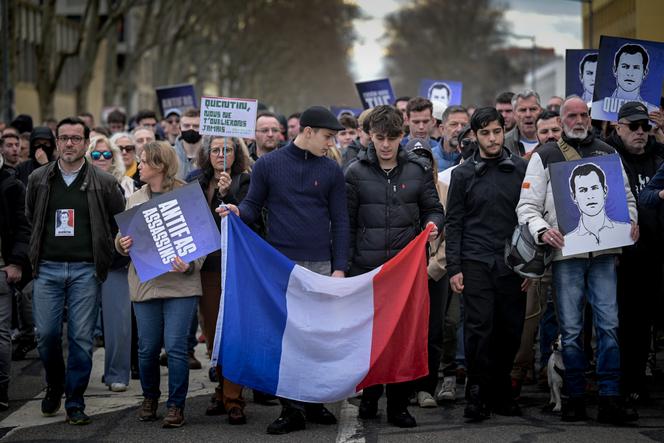 Image: Le Monde
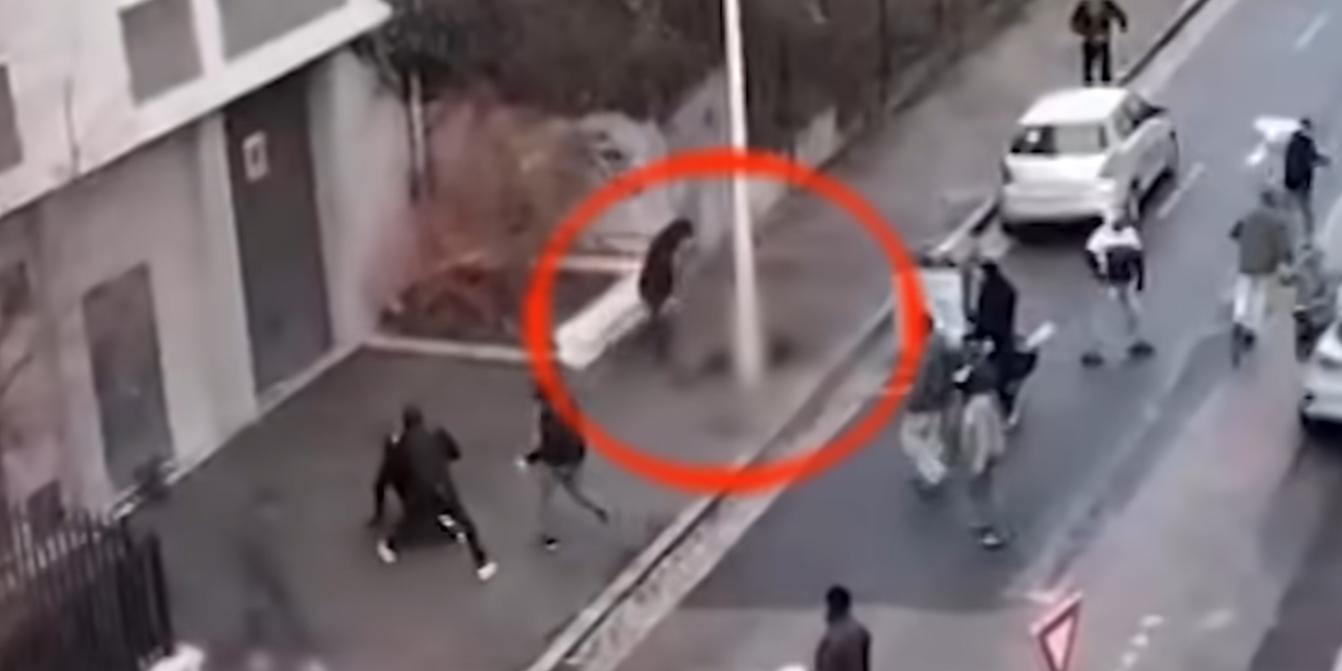
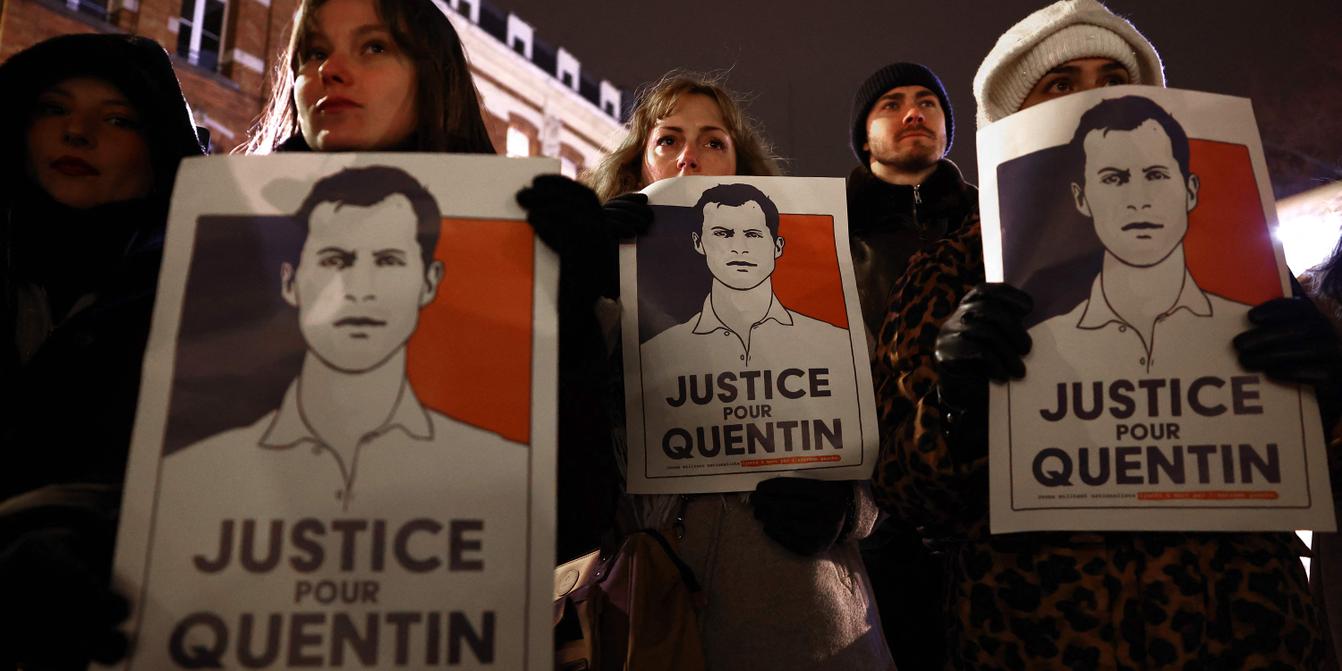
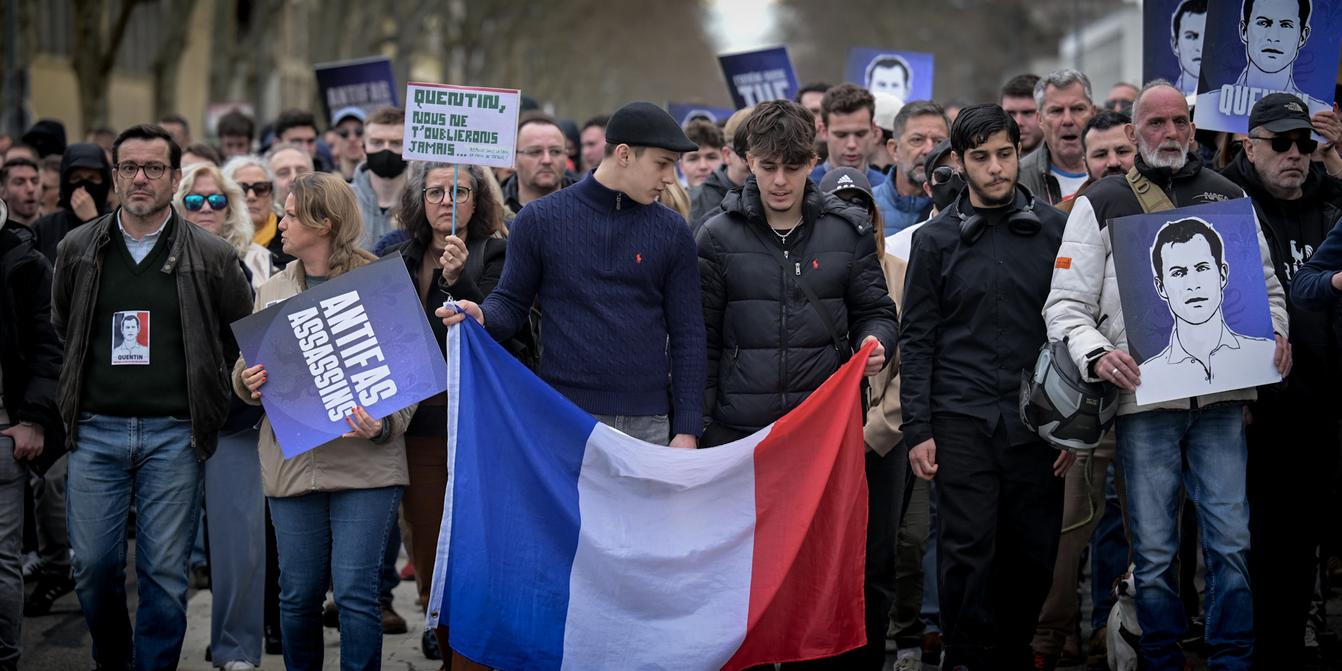
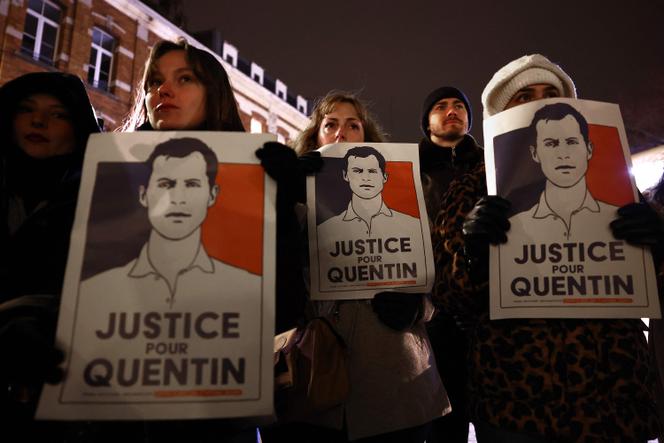
Quentin Deranque’s Fatal Clash and Legal Response The 23‑year‑old far‑right activist Quentin Deranque was beaten to death on 14 February 2026 during a street brawl near a waste bin close to Sciences Po Lyon after a student meeting featuring LFI MEP Rima Hassan. Video captured masked assailants delivering punches, elbows and a kick before fleeing the scene [2]. Seven men have been charged, six with intentional homicide, aggravated violence and criminal conspiracy, while the seventh faces complicity on the same counts [5]. Authorities, assisted by the anti‑terror sub‑directorate, continue to investigate additional participants [2].
Mass Far‑Right Demonstrations and Government Reaction Around 3,000 demonstrators marched peacefully in Lyon on 21 February, organized by far‑right groups to honor Deranque and denounce the “extreme left” [3][4]. The prefecture imposed strict dress codes and seized the justice system after reports of Nazi salutes and racist insults [4]. President Emmanuel Macron called for calm, labeled any violence illegitimate, and announced a ministerial review that could lead to the dismantling of violent activist groups [5][3].
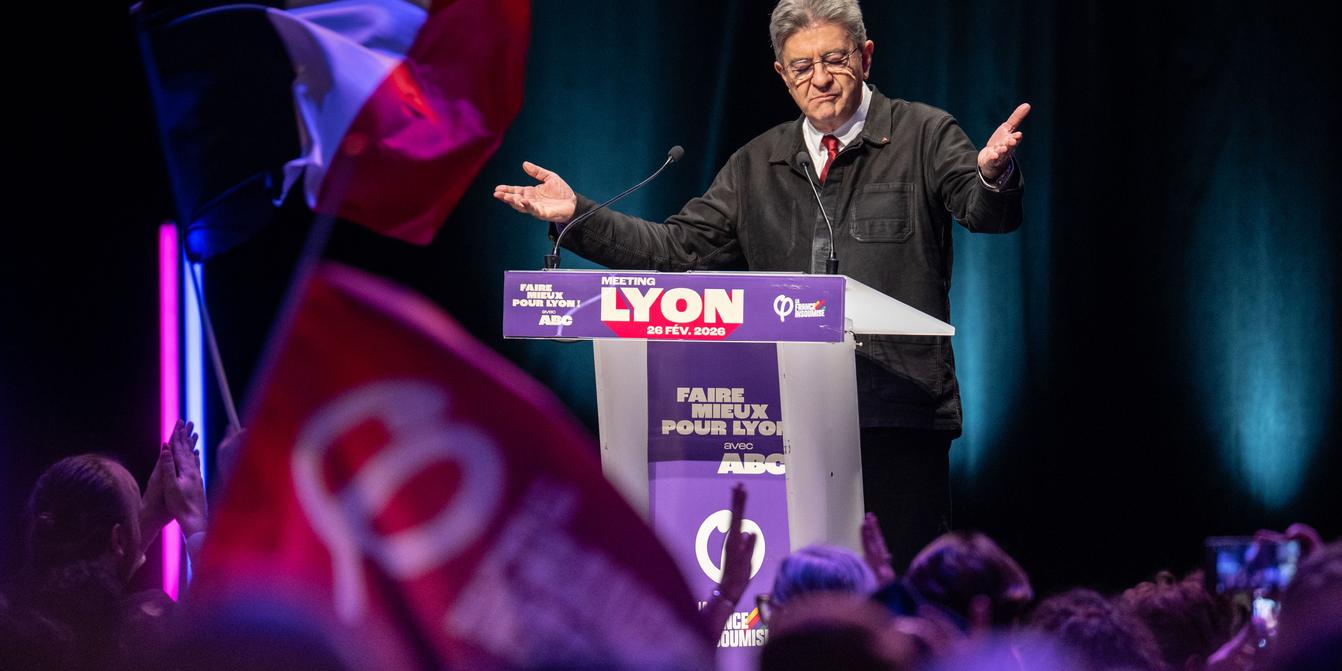
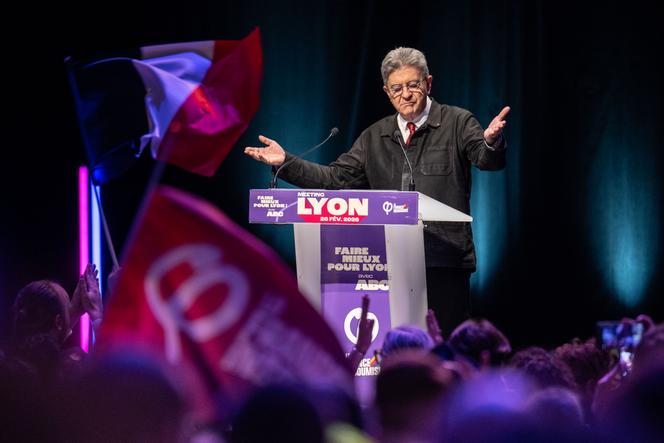
Mélenchon’s Ultra‑Right Plot Allegations and Calls for Dissolution At a rally on 27 February, LFI leader Jean‑Luc Mélenchon described Némésis as a “criminal organization” set up by the ultra‑right to lure antifascist supporters and provoke lethal fights [1]. He demanded the immediate dissolution of Némésis and urged scrutiny of prior contacts between the identitarian group and right‑wing militants, citing earlier revelations from L’Humanité [1]. Mélenchon’s accusations received loud applause from the packed audience at Lyon’s Bourse du travail [1].
RN Involvement and Internal Party Divisions Vincent Claudin, a parliamentary attaché for RN deputy Lisette Pollet, promoted the memorial march and was revealed to have left the antisemitic neo‑fascist group Lyon populaire in 2024 [6]. RN leader Jordan Bardella subsequently barred party members from attending the demonstration, stating the party had no direct links to the organizers [6]. The episode highlights tensions within the far‑right as some members seek to distance themselves from overtly extremist elements while still mobilizing around Deranque’s death.
Sources
-
1.
Le Monde: Mélenchon Blames Ultra‑Right Plot After Lyon Militant’s Death: Details Mélenchon’s rally speech accusing Némésis of a trap, calls for its dissolution, and notes political applause .
-
2.
Le Monde: Lyon Murder Highlights Growing Violence Among Antifascist Activists: Describes Deranque’s killing, the video evidence, seven suspects linked to Jeune Garde, and anti‑terror police involvement .
-
3.
The Hindu: Hundreds March in Lyon Over Killing of Far‑Right Activist Quentin Deranque: Reports a 3,000‑person march, Macron’s calm‑calling, charges against suspects, and political fallout ahead of elections .
-
4.
Le Monde: Lyon Far‑Right March Honors Quentin Deranque Amid Tight Restrictions: Notes 3,200 participants, prefectural dress rules, legal actions over extremist gestures, and the march’s martyr‑making narrative .
-
5.
AP: Macron Calls for Calm as Far‑Right March Honors Dead Activist Amid Rising Tensions: Highlights the same march size, Macron’s review of violent groups, and accusations aimed at France Unbowed and Mélenchon .
-
6.
Le Monde: Lyon march honoring slain far‑right activist reveals RN aide’s neo‑fascist past: Uncovers Vincent Claudin’s former neo‑fascist affiliation, his role in promoting the march, and Bardella’s decision to keep RN members away .
Timeline
Feb 12, 2026 – Amateur video records masked attackers assaulting three people near a waste bin close to Sciences Po Lyon, showing hooded figures delivering punches, elbows and a kick before fleeing, later becoming key evidence in the investigation of the fatal brawl [4].
Feb 14, 2026 – Quentin Deranque, 23‑year‑old far‑right activist, dies from brain injuries after a clash erupts between far‑left supporters and identitarian militants at a student meeting where far‑left MEP Rima Hassan speaks, marking a flashpoint in Lyon’s escalating extremist confrontations [1][4].
Feb 20, 2026 – RN leader Jordan Bardella publicly bars party members from attending the upcoming Lyon memorial march, stating the party “does not participate in demonstrations with which we have no direct links to the organizers” [6].
Feb 21, 2026 – Around 3,000–3,200 far‑right demonstrators march peacefully in Lyon, displaying French flags and chanting “C’est nous les gentils,” while the prefecture seizes the justice system after reports of Nazi salutes and racist insults, illustrating the organizers’ attempt to project a non‑violent image [1][5].
Feb 21, 2026 – President Emmanuel Macron urges calm, declares “no violence is legitimate,” and announces a ministerial meeting next week to review all violent activist groups, hinting that some could be dismantled [1][2].
Feb 21, 2026 – RN parliamentary attaché Vincent Claudin, a former member of the neo‑fascist group Lyon populaire, posts a video urging “several thousand” far‑right militants from France and Europe to march in Deranque’s memory, linking the tribute to his personal network [6].
Feb 27, 2026 – Jean‑Luc Mélenchon addresses a rally at Lyon’s Bourse du travail, labeling the identitarian group Némésis a “traquenard” set by the ultra‑right, calling it a “criminal organization” and demanding its dissolution, while receiving applause from the crowd [3].
Early Mar 2026 (planned) – The French government convenes the announced ministerial meeting to assess violent activist groups, a step that could lead to the legal dismantling of organizations linked to both far‑right and far‑left extremism [1].
Mar 2026 (scheduled) – Municipal elections take place across France, with right‑wing parties leveraging the Deranque incident to portray the far‑left as violent, while former President François Hollande warns the mainstream left against re‑aligning with Mélenchon’s party [1][2].
2027 (upcoming) – The next French presidential election looms, and the Deranque case continues to shape political narratives, influencing how parties position themselves on law‑and‑order and extremist violence [1].