Hong Kong Court of Appeal Upholds Prison Sentences for Twelve Pro‑Democracy Activists on Feb 23 2026
Updated (17 articles)
-
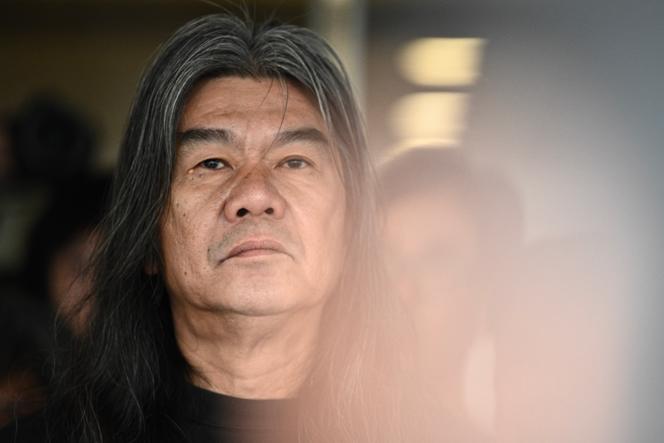 Image: Le MondeL’ex-député prodémocratie Leung Kwok-hung, également connu sous le nom de « Cheveux longs », avant d’entrer à la Haute Cour pour entendre la sentence de son appel concernant sa disqualification du conseil législatif de Hongkong, le 15 février 2019.ANTHONY WALLACE/AFP (ANTHONY WALLACE/AFP) Source Full size
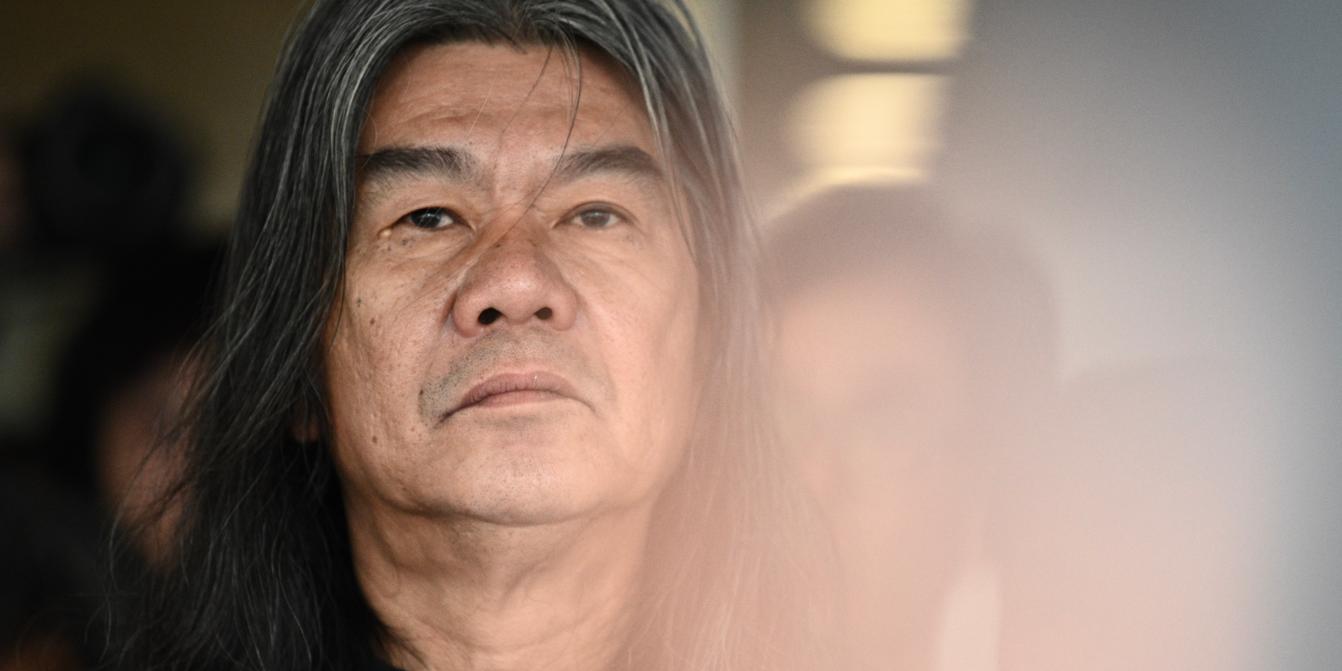
Court of Appeal Confirms Jail Terms for Twelve Activists The Hong Kong Court of Appeal issued its ruling on 23 February 2026, refusing to alter the original punishments handed down under the national‑security law [1]. Judge Jeremy Poon authored the brief decision, stating “Nous rejetons l’appel des demandeurs,” and ordered that all twelve remain incarcerated [1]. The judgment reinforces Beijing’s tightening grip on Hong Kong’s political sphere and signals no leniency for the 2024 convictions [1].
Sentences Stem From 2020 Unofficial Primary Election The upheld cases originate from a July 2020 primary that attracted roughly 610,000 voters, about one‑seventh of the city’s electorate [1]. Authorities deemed the primary a “subversive” act, leading to the 2024 conviction of 45 participants for alleged subversion under the national‑security law [1]. The twelve appealed individuals are part of that larger group, illustrating the breadth of the crackdown on the primary’s organizers [1].
Prominent Figures Among the Convicted Include Former Lawmakers Among the twelve are former lawmaker Leung Kwok‑hung and ex‑journalist Gwyneth Ho, both high‑profile critics of the government [1]. Additional defendants include parliamentary candidate Owen Chow (29), activist Gordon Ng (47), and former legislator Lam Cheuk‑ting (48) [1]. Their varied backgrounds underscore the extensive reach of the security‑law prosecutions [1].
International Demonstrations Highlight Global Criticism Throughout 2024, protests erupted worldwide demanding the release of the convicted activists and condemning Beijing’s expanding authority over Hong Kong [1]. Demonstrators in several capitals displayed banners and slogans calling for democratic freedoms and an end to the national‑security law’s application [1]. The global response adds diplomatic pressure to the local legal developments [1].
Related Tickers
Timeline
1989 – The Hong Kong Alliance in Support of Patriotic Democratic Movements of China forms to back the Tiananmen‑square pro‑democracy rallies and to demand accountability for the June‑4 crackdown[1].
1994 – Hong Kong’s Democratic Party is founded, becoming the city’s longest‑standing moderate pro‑democracy party and later a target of the national‑security crackdown[16].
2019 – Massive anti‑government protests erupt across Hong Kong, prompting Beijing to tighten security controls and later to draft the national‑security law[5].
June 2020 – Beijing imposes the National Security Law (NSL) on Hong Kong, criminalising “subversion, secession, collusion with foreign forces and terrorism” and expanding penalties for dissent[5].
August 2020 – Media tycoon Jimmy Lai is arrested under the NSL for his role in the pro‑democracy movement and the operation of Apple Daily[5].
December 2020 – Lai is placed in custody at Stanley Prison, beginning a five‑year detention that includes prolonged solitary confinement[15].
June 2021 – Police raid Apple Daily’s offices, freeze its assets and force the newspaper to shut, marking a watershed moment for press freedom in Hong Kong[11].
September 2021 – The Hong Kong Alliance votes to disband after its leaders are prosecuted under the NSL, signalling the end of the city’s 30‑year Tiananmen‑vigil tradition[6].
2022 – Pro‑democracy activists Raphael Wong and Figo Chan visit Lai in prison, noting his severe weight loss and deepening Catholic faith[3].
2023 – Jimmy Lai’s high‑court trial on collusion and seditious publishing charges begins, the first major NSL case after the 2019 protests[13].
March 2025 – Hong Kong’s Court of Appeal overturns the 2023 convictions of Chow Hang‑tung, Lee Cheuk‑yan and Albert Ho, resetting the legal backdrop for their new NSL trial[8].
May 2025 – The NSL’s conviction rate approaches 100 %, underscoring its use as a tool to suppress dissent[4].
14 Dec 2025 – The High Court schedules the delivery of verdicts in Lai’s case for 15 Dec, with the media mogul facing two collusion counts and one seditious‑publishing count that carry a life‑sentence maximum[15].
15 Dec 2025 – Jimmy Lai is found guilty of colluding with foreign forces and publishing seditious material; Chief Executive John Lee says Lai’s actions “damaged the country’s interests and the welfare of Hongkongers”[4]. The UK’s Foreign, Commonwealth & Development Office calls the case “politically motivated persecution”[4]. Lai’s daughter Claire tells the BBC she fears she may never see her father again[2].
15 Dec 2025 – In a separate hearing, Chow Hang‑tung and Lee Cheuk‑yan plead not guilty to inciting subversion, while Albert Ho pleads guilty, prompting the court to consider a lighter sentence for Ho[7].
20 Dec 2025 – The High Court again finds Lai guilty on all counts, confirming the earlier 15 Dec verdict and setting the stage for sentencing that could impose life imprisonment[3].
31 Dec 2025 – Claire Lai publicly warns that her father’s health is deteriorating, describing severe weight loss, diabetes, heart issues and “purplish‑grey fingernails that sometimes fall off”[2].
January 2026 (early) – A family letter urges UK Prime Minister Keir Starmer to press Chinese President Xi Jinping for Lai’s release when the two leaders meet later in the month[2].
12 Jan 2026 – A four‑day mitigation hearing opens for Lai and six former Apple Daily executives; prosecutors note Lai’s health is “stable” with only minor weight loss, while defence lawyers argue for reduced starting points of 10‑15 years[10].
13 Jan 2026 – Judges hear sentencing arguments for Lai and the six executives; the panel will set a sentencing date later in the week, with possible penalties ranging from three years to life imprisonment[9].
21 Jan 2026 – The NSL trial of former Tiananmen‑vigil organizers begins; the court notes that the trio’s 2023 convictions were overturned in March 2025, and officials frame the prosecution as “evidence‑based and lawful”[8].
22 Jan 2026 – Opening statements claim the Hong Kong Alliance slogan “bring the one‑party rule to an end” subverts the Chinese constitution; Chow Hang‑tung and Lee Cheuk‑yan plead not guilty, while Albert Ho pleads guilty as the trial, expected to last 75 days, proceeds[1][7].
23 Jan 2026 – Chow Hang‑tung tells the court that the alliance’s call to “end one‑party rule” is a push for democratisation, not an attempt to overthrow the Communist Party[6].
23 Feb 2026 – Hong Kong’s Court of Appeal upholds the jail terms of twelve pro‑democracy activists convicted for “subversion” after the 2020 primary election, with Judge Jeremy Poon declaring, “Nous rejetons l’appel des demandeurs”[17].
Early 2026 (expected) – Sentencing for Jimmy Lai is slated for early 2026, with the possibility of a life‑sentence pending the judges’ final decision[4].
Dive deeper (5 sub-stories)
-
Le Monde: Hong Kong Court of Appeal Upholds Prison Sentences for Twelve Pro‑Democracy Activists
-
Hong Kong Vigil Organizer Reframes One‑Party Rule Demand as Democratization in Court
(4 articles)
-
Hong Kong Judges Review Mitigation Arguments, Near Sentencing for Jimmy Lai and Apple Daily Executives
(10 articles)
-
AP: Hong Kong press freedom falls as Apple Daily shutters and self-censorship rises
-
The Hindu: Hong Kong's biggest pro-democracy party votes to disband after over 30 years of activism
All related articles (17 articles)
-
Le Monde: Hong Kong Court of Appeal Upholds Prison Sentences for Twelve Pro‑Democracy Activists
-
AP: Hong Kong vigil organizer says demand for ending one-party rule aimed at democratization
-
AP: Hong Kong Tiananmen vigil organizers plead not guilty; one pleads guilty
-
BBC: Hong Kong Tiananmen activists go on trial under national security law
-
AP: HK trial begins for Tiananmen vigil organizers under national security law
-
AP: Hong Kong court moves closer to sentencing Jimmy Lai and co-defendants
-
AP: Hong Kong court opens sentencing mitigation hearings for Jimmy Lai and co-defendants
-
AP: Hong Kong press freedom falls as Apple Daily shutters and self-censorship rises
-
BBC: Daughter voices alarm over Lai's health as NSL case advances
-
BBC: Hong Kong media tycoon Jimmy Lai found guilty in landmark national security trial
-
AP: Jimmy Lai’s Daughter Says He’d Focus on Family and Faith if Freed
-
BBC: Hong Kong pro‑democracy tycoon Jimmy Lai convicted under national‑security law
-
AP: Jimmy Lai Convicted in Hong Kong National‑Security Trial
-
The Hindu: Jimmy Lai Convicted in Hong Kong National Security Trial
-
BBC: Jimmy Lai Convicted Under Hong Kong’s National Security Law
-
The Hindu: Hong Kong court to deliver verdicts on media mogul Jimmy Lai on December 15
-
The Hindu: Hong Kong's biggest pro-democracy party votes to disband after over 30 years of activism
External resources (1 links)
- https://hk.ocmfa.gov.cn/eng/fyrth/202512/t20251215_11773219.htm (cited 1 times)