Pending Home Sales Fall 6% as Buyers Gain Leverage Amid Rising Rates
Updated (23 articles)
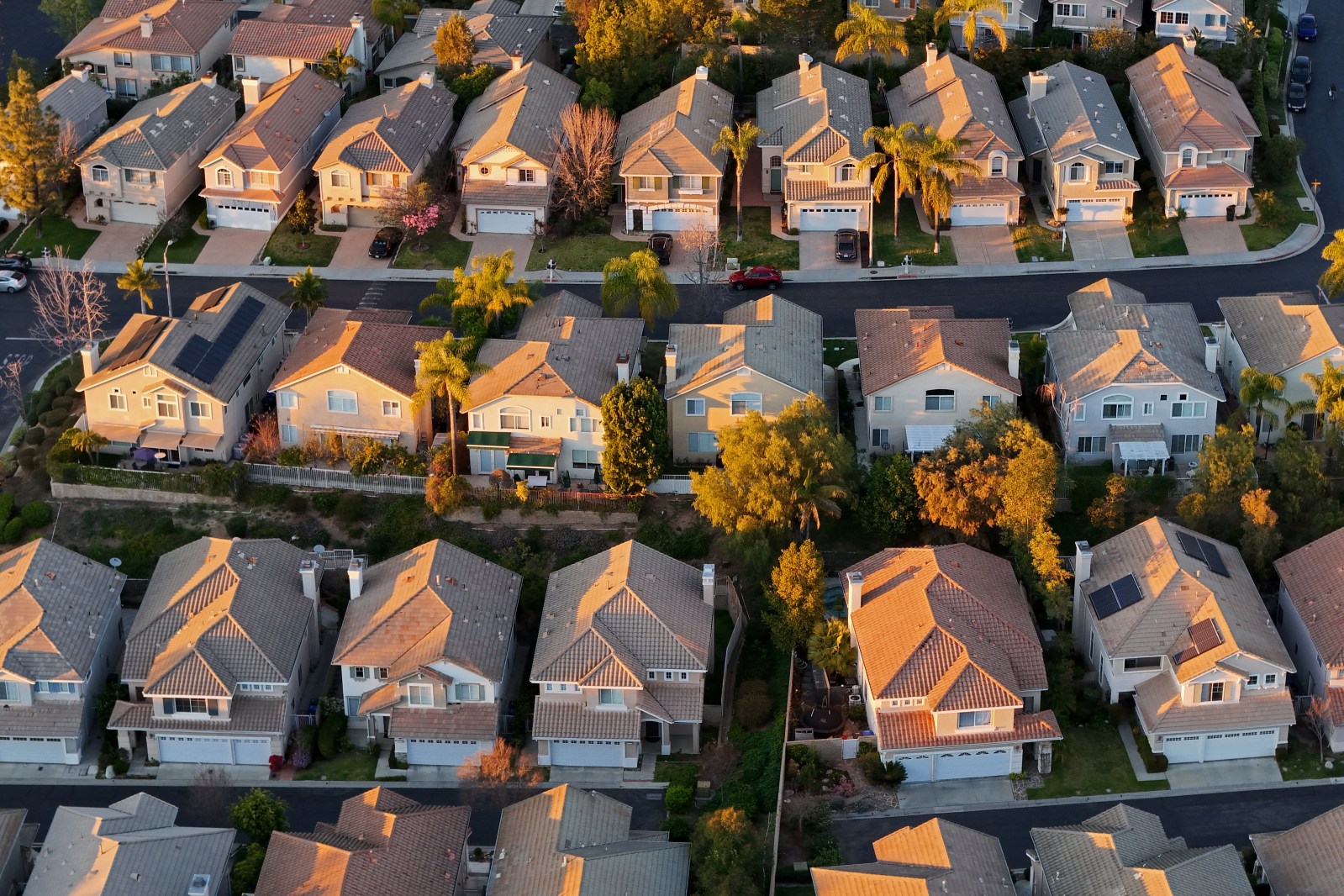

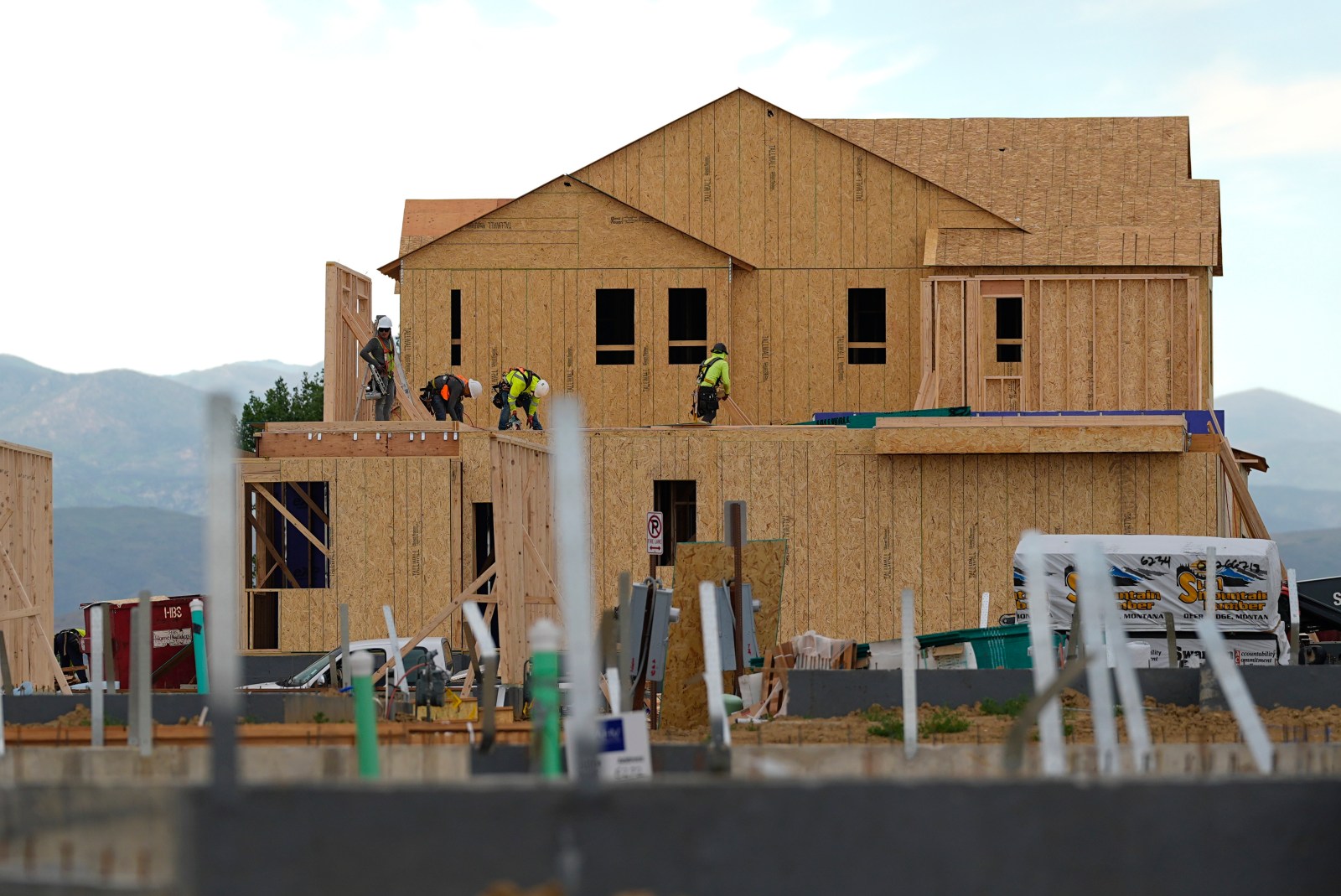
Sharp Decline in Pending Sales Signals Cooling Market Pending home sales slipped nearly 6% year‑over‑year in the four weeks ending Feb 15, the steepest drop in a year, while the average contract period stretched to 67 days—the longest since early 2019[1]. Median home‑sale price rose 1.1% YoY, marking the biggest increase in two months, yet buyer activity slowed enough to push new listings down 3.1% and total inventory down 1.5% over the same period[1]. Redfin Premier agent Aaron Glicken described the environment as the strongest buyer’s market he’s seen, noting that purchasers can negotiate concessions and often pay below asking price[1]. These trends align with broader signs of reduced market speed and heightened buyer leverage.
Mortgage Rate Stability Keeps Payments Near Historic High Weekly average mortgage rates hovered at 6.09%, a three‑year low, and Freddie Mac expects rates to remain near 6% through year‑end[1][2]. The median monthly mortgage payment fell 2.9% to $2,601, but it remains close to its all‑time high because of elevated home prices[1]. Despite the modest payment dip, more than three‑quarters of renters and 87% of prospective sellers say rates must drop below 5% before they act[2]. This rate environment fuels both buyer caution and the willingness to negotiate lower purchase prices.
Young Renters Grow Skeptical About Homeownership Bright MLS survey of 3,000 U.S. consumers in December 2025 found 23% of renters under 40 now say they will not buy a home or are unsure, up from 18% a year earlier[2]. The share of first‑time buyers fell to a historic low of 21% between July 2024 and June 2025, while the median age of a first‑time buyer hit an all‑time high of 40[2]. Nonetheless, 90% still view owning a home as essential to the American Dream, indicating that affordability—not desire—is the primary barrier[2]. Homeownership rates for those under 35 rose modestly to 37.9% in Q4 2025, one of only two age groups showing gains[2].
Down Payments Shrink as Buyers Prioritize Affordability Redfin data show the typical down payment fell 1.5% YoY in December, reaching $64,000 or 15.2% of the purchase price, down from 16.7% a year earlier[3]. Orlando recorded the steepest decline, with median down payments dropping 23.9% YoY, reflecting a surge in new inventory in Florida and Texas[3]. High‑cost markets such as San Francisco and San Jose still posted the largest absolute down payments, exceeding $350,000, while cities like Virginia Beach saw median down payments as low as $8,700[3]. Economists link the overall decline to heightened mortgage rates and economic uncertainty, which push buyers toward more affordable homes and shift negotiating power from sellers to buyers[3].
Sources
-
1.
Newsweek: U.S. Pending Home Sales Drop 6% as Market Slows – Details the 6% YoY decline, lengthening contract times, modest price gains, and buyer‑favored conditions in the latest four‑week window.
-
2.
Newsweek: Rising Rent and Mortgage Rates Fuel Young Americans' Homeownership Doubts – Highlights growing skepticism among renters under 40, historic low first‑time‑buyer share, and the impact of 6% mortgage rates on purchasing decisions.
-
3.
Newsweek: U.S. Homebuyers Reduce Down Payments as Market Shifts – Reports a 1.5% YoY drop in down payments, regional variations, and the role of affordability pressures in reshaping buyer behavior.
Related Tickers
Timeline
2020 – Pandemic‑era ultra‑low mortgage rates lock homeowners into 2%‑3% loans, curbing listings and fueling a 55% rise in median home prices by 2025, which deepens the supply shortage and affordability gap[3].
Sep 2022 – The 30‑year fixed‑rate mortgage falls to 6.06%, the lowest level since that month, establishing a benchmark that later rate movements are measured against[1].
Dec 2, 2025 – Oxford Economics reports the median household income needed to afford a single‑family home climbs to $110,100, while only 38% of households can afford a home, highlighting that higher mortgage rates, not price gains, drive the affordability decline[17].
Dec 2, 2025 – Redfin projects existing‑home sales to rise 3% in 2026 to 4.2 million units and median prices to increase 1% YoY, noting that wages are expected to outpace home‑price growth for the first time since the Great Recession[18].
Dec 4, 2025 – Realtor.com forecasts price declines in 22 of the nation’s 100 largest metros in 2026, with Florida markets such as Cape Coral expected to fall up to 10.2%, reflecting regional affordability pressures[14].
Dec 4, 2025 – Realtor.com predicts Columbus home sales will dip about 2% in 2026 while prices climb, citing high construction and labor costs that limit affordable new housing[21].
Dec 4, 2025 – Redfin expects home prices to rise 1% in 2026 and mortgage rates to average 6.3%, while wage growth is projected to exceed price growth, offering a modest relief to buyers[22].
Dec 4, 2025 – Redfin also anticipates refinance volume to surge more than 30% in 2026 as homeowners chase lower rates, signaling a potential boost to borrowing activity[23].
Dec 19, 2025 – November existing‑home sales increase 0.5% to an annualized 4.13 million, the median price hits $409,200 (a 29‑month streak of price rises), and inventory sits at a 4.2‑month supply, underscoring lingering demand despite higher prices[20].
Dec 24, 2025 – The 30‑year mortgage rate slides to 6.18% for the week, listings rise sharply from the prior year, and buyers with cash or financing gain leverage as sellers lower asking prices and homes stay on market longer[19].
Dec 26, 2025 – Redfin data show the median home price at $389,123 (up 2% YoY) and the homeownership rate falls to 65% in Q2 2025, while inventory growth slows and regional price trends diverge, with the Northeast and Midwest holding stronger price gains than the Sun Belt[16].
Dec 26, 2025 – The Trump administration pledges aggressive 2026 housing reforms, touting ideas such as a 50‑year mortgage and portable loans, while expecting inventory relief to lift sales and forecasting price growth to stay flat at about 0.5%[3].
Dec 28, 2025 – Mortgage rates hover near 6.22% in mid‑December; forecasters expect rates to remain in the mid‑6% range throughout 2026, unemployment rises to 4.6% in November, and a potential recession could further press rates lower[15].
Jan 6, 2026 – Analysts link America’s affordability crunch to severe housing and child‑care shortages, noting that ultra‑low pandemic‑era mortgages lock supply and that rising child‑care costs push many mothers out of the labor force[2].
Jan 7, 2026 – The NAHB reports Q3 2025 GDP growth of 4.3% with housing contributing 16.1% of GDP; mortgage rates ease to about 6.15% by year‑end, and a delay of furniture and cabinet tariffs to 2027 removes a cost pressure that could boost home sales and remodeling[13].
Jan 10, 2026 – President Trump acknowledges a clash between expanding home affordability and preserving existing homeowner equity, saying he wants more people to buy homes without “knocking values down”[12].
Jan 11, 2026 – Realtor.com projects a modest 2.2% national price increase in 2026, with the Midwest and Northeast leading gains and 11 metros (e.g., Toledo, Syracuse) slated for the largest price jumps, while inflation is expected to outpace price growth[11].
Jan 12, 2026 – Inventory rises in December across 48 of the 50 largest markets, led by the West (14.4% gain); Washington DC (+32.8%), Charlotte (+30.8%), Las Vegas (+29.2%), Seattle (+28.8%) and Raleigh (+26.7%) post the sharpest inventory jumps, signaling a broadening supply base[10].
Jan 15, 2026 – The 30‑year mortgage rate dips to 6.06%, the lowest since September 2022, prompting a surge in purchase applications and refinance activity; President Trump urges the government to buy $200 billion of mortgage‑backed securities to push rates lower, and early data show modest downward pressure on rates[1].
Jan 20, 2026 – The New York Fed’s December survey finds 8.6% of households earning under $50,000 plan a home purchase in the next four months—higher than the 5.9% of earners over $100,000—while spending growth accelerates and wealthier buyers remain locked into low‑rate mortgages[9].
Jan 22, 2026 – Redfin records a record seller surplus of 529,770, the largest since 2013, with the median listing price near $428,000; analysts attribute the gap to a demand collapse as low‑rate homeowners stay put[8].
Jan 24, 2026 – Pending home‑sales index plunges 9.3% in December, the steepest drop since April 2020; sellers outnumber buyers by 600,000, the buyer pool shrinks to 1.3 million, median existing‑home price rises to $405,400, and inventory growth slows to its weakest pace in nearly two years[7].
Feb 17, 2026 – Average down payments fall 1.5% YoY to $64,000 (15.2% of price) as buyers chase affordability; Orlando sees a 23.9% YoY drop in median down payments, reflecting a surge in new inventory that pressures buyers to lower cash outlays[6].
Feb 19, 2026 – A Bright MLS survey shows 23% of renters under 40 now doubt homeownership, up from 18% a year earlier; mortgage rates sit at 6.09%, the median home price reaches $423,261 in January, and the homeownership rate for those under 35 climbs to 37.9% in Q4 2025, indicating modest gains for younger buyers amid persistent anxiety[5].
Feb 20, 2026 – Pending home sales fall nearly 6% YoY in the four weeks ending Feb 15, the longest contract period since early 2019 stretches to 67 days, median home price edges up 1.1%, mortgage rates hover at 6.09%, and agents report a strong buyer’s market with increased leverage for purchasers[4].
Dive deeper (13 sub-stories)
-
U.S. Pending Home Sales Slip 6% in Mid‑February, Contract Times Extend
(4 articles)
-
Newsweek: Rising Rent and Mortgage Rates Fuel Young Americans' Homeownership Doubts
-
Newsweek: U.S. Homebuyers Reduce Down Payments as Market Shifts
-
Newsweek: Low-income Americans More Likely to Buy a Home in Next Four Months, NY Fed Data Shows
-
Mortgage Rates Fall to 6.06%, Sparking Buying Surge and Trump Bond Proposal
(3 articles)
-
Newsweek: Five cities lead December jump in U.S. home inventory
-
2026 U.S. Housing Market Shows Modest Price Gains Amid Regional Divergence and Economic Boosts
(4 articles)
-
Newsweek: Trump confronts housing affordability dilemma as experts urge supply boost
-
CNN: America’s affordability crunch is driven by shortages of housing and child care
-
WBNS (Columbus, OH): Columbus Home Sales Expected to Dip in 2026, Prices Likely to Rise
-
Redfin Predicts 2026 Housing Market Reset With 1% Price Rise, Wage Gains, and Higher Refinancing
(3 articles)
-
Newsweek: Realtor.com forecast: 22 major U.S. metros could see price declines in 2026
-
Newsweek: Housing Affordability Declines Further, Mortgage Rates Key Driver
All related articles (23 articles)
-
Newsweek: U.S. Pending Home Sales Drop 6% as Market Slows
-
Newsweek: Rising Rent and Mortgage Rates Fuel Young Americans' Homeownership Doubts
-
Newsweek: U.S. Homebuyers Reduce Down Payments as Market Shifts
-
Newsweek: U.S. Housing Market Shows Record Seller Surplus and Slowing Activity in Early 2026
-
Newsweek: US housing market hits 13-year record as sellers outnumber buyers by 529,770
-
Newsweek: Low-income Americans More Likely to Buy a Home in Next Four Months, NY Fed Data Shows
-
CNN: Mortgage rates dip to 6.06% lowest since 2022, fueling housing activity expectations
-
Newsweek: Five cities lead December jump in U.S. home inventory
-
Newsweek: Realtor.com sees modest 2026 price gains with regional splits across US housing market
-
Newsweek: Trump confronts housing affordability dilemma as experts urge supply boost
-
Newsweek: NAHB: GDP growth, easing rates and tariff delay point to a brighter 2026 housing market
-
CNN: America’s affordability crunch is driven by shortages of housing and child care
-
Newsweek: Analysts predict mortgage rates hover around 6% in 2026
-
CNN: Trump vows aggressive housing reform for 2026 as market eyes modest price shift
-
Newsweek: Forecasts show modest 2026 price gains with regional bifurcation
-
AP: Average US long-term mortgage rate ticks down to 6.18% this week
-
AP: November existing-home sales rise from October but remain below 2024 as prices climb
-
WBNS (Columbus, OH): Columbus Home Sales Expected to Dip in 2026, Prices Likely to Rise
-
WBNS (Columbus, OH): Redfin Forecasts 2026 Housing Reset: Prices Rise 1%, Wages Outpace Prices
-
King5 (Seattle, WA): Redfin Forecasts 2026 Housing Reset, Modest Price Growth, and Rising Rent
-
Newsweek: Realtor.com forecast: 22 major U.S. metros could see price declines in 2026
-
Newsweek: US Home Sales Expected to Rise 3 % in 2026, Redfin Forecast
-
Newsweek: Housing Affordability Declines Further, Mortgage Rates Key Driver
External resources (24 links)
- https://cscce.berkeley.edu/publications/brief/the-forgotten-ones-the-economic-well-being-of-early-educators-during-covid-19/ (cited 1 times)
- https://fred.stlouisfed.org/series/CUSR0000SEH (cited 1 times)
- https://libertystreeteconomics.newyorkfed.org/2023/05/the-great-pandemic-mortgage-refinance-boom/ (cited 1 times)
- https://www.freddiemac.com/pmms (cited 3 times)
- https://www.goldmansachs.com/insights/articles/the-outlook-for-us-housing-supply-and-affordability (cited 3 times)
- https://www.realtor.com/research/2026-national-housing-forecast/ (cited 3 times)
- https://www.redfin.com/news/housing-market-predictions-2026/ (cited 3 times)
- https://www.redfin.com/us-housing-market (cited 2 times)
- http://institute.bankofamerica.com/content/dam/economic-insights/2025-year-in-review.pdf (cited 1 times)
- https://cdn.roxhillmedia.com/production/email/attachment/1770001_1780000/2fb748688e7bd2e539d48aaef57158505fbdeb72.pdf (cited 1 times)
- https://institute.bankofamerica.com/economic-insights/childcare-costs.html (cited 1 times)
- https://mortgagetech.ice.com/publicdocs/mortgage/imt-december-2025-mortgage-monitor-report-ELe47663kky.pdf (cited 1 times)
- https://tracking.us.nylas.com/l/25b2a39b71284223bced05a565f2f418/0/bac8469f7c07b107e66a8d95fe684282bc33bc121ca941da321fd2cdd4d7ef35?cache_buster=1764179880 (cited 1 times)
- https://tradingeconomics.com/united-states/pending-home-sales-mom (cited 1 times)
- https://www.nahb.org/blog/2025/12/third-quarter-house-price-appreciation (cited 1 times)
- https://www.nar.realtor/magazine/real-estate-news/2026-real-estate-outlook-what-leading-housing-economists-are-watching (cited 1 times)
- https://www.nar.realtor/newsroom/first-time-home-buyer-share-falls-to-historic-low-of-21-median-age-rises-to-40 (cited 1 times)
- https://www.nar.realtor/newsroom/nar-existing-home-sales-report-shows-5-1-increase-in-december (cited 1 times)
- https://www.nar.realtor/newsroom/nar-pending-home-sales-report-shows-9-3-decrease-in-december (cited 1 times)
- https://www.realtor.com/research/2025-q3-outstanding-mortgage-data/ (cited 1 times)
- https://www.realtor.com/research/weekly-housing-trends-view-data-week-january-17-2025/ (cited 1 times)
- https://www.redfin.com/news/buyers-vs-sellers-december-2025/ (cited 1 times)
- https://www.redfin.com/news/down-payments-fall-december-2025/ (cited 1 times)
- https://www.redfin.com/news/housing-market-update-pending-sales-fall-slow-winter/ (cited 1 times)