Rafah Border Crossing Reopens Feb 3, Allowing Only Few Patients and Companions
Updated (7 articles)

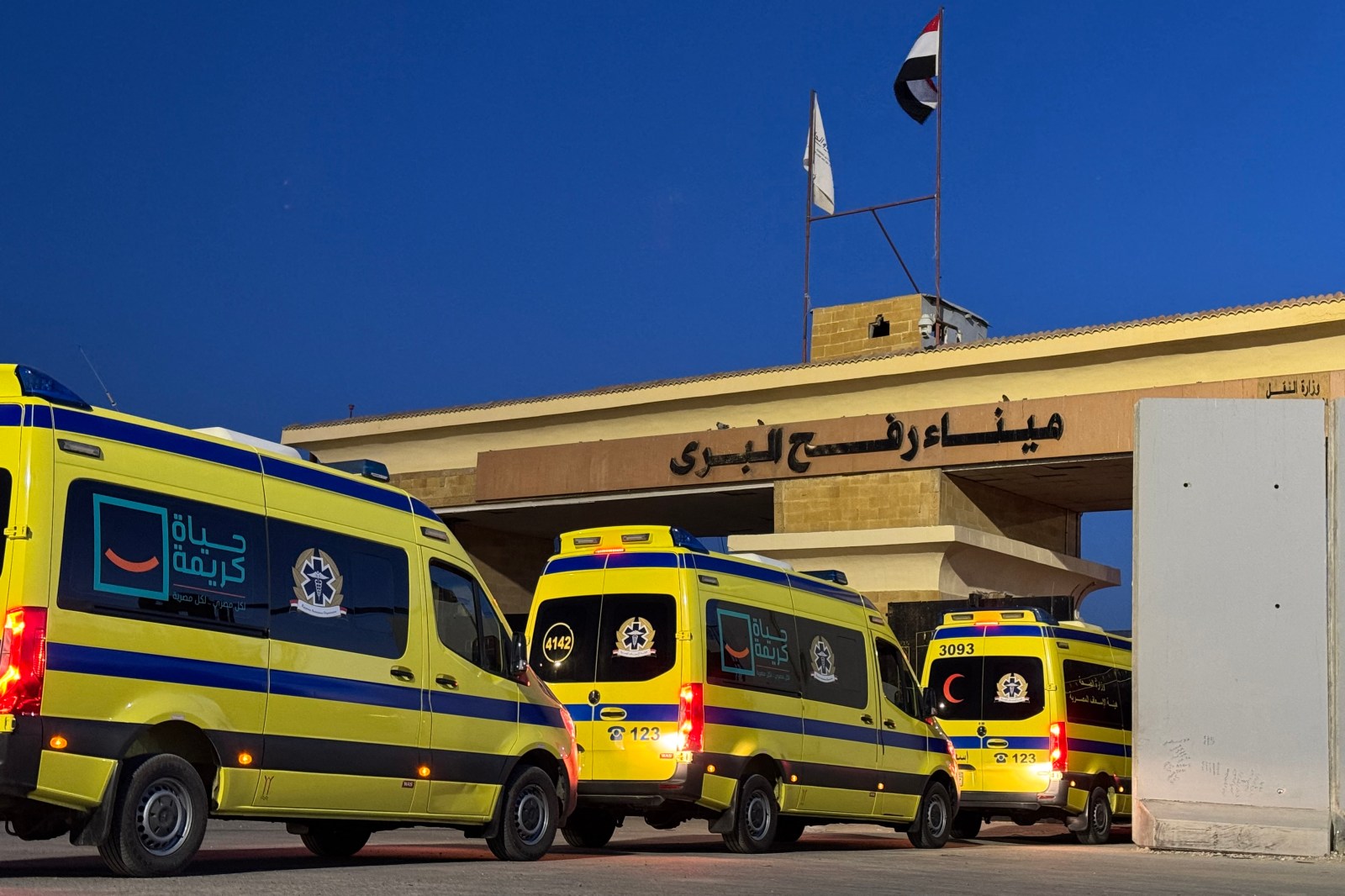
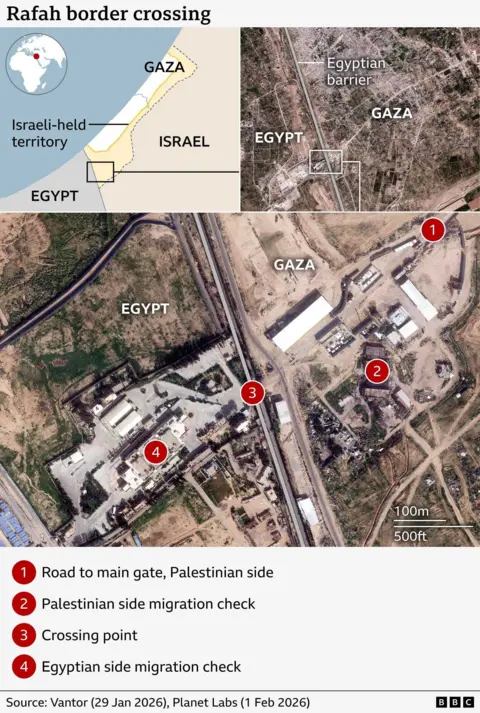
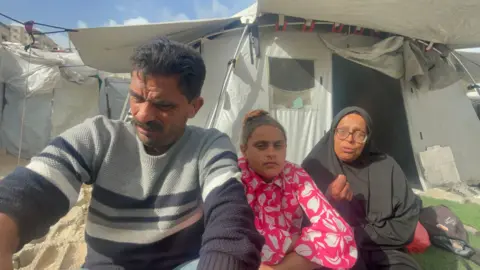
Limited patient flow on first day of reopening The Rafah gate opened on Monday, Feb 3, and only five medical patients and seven companions managed to cross into Egypt; twelve Palestinians returned to Gaza while thirty‑eight were held on the Egyptian side after failing security checks. Israeli officials had announced a target of fifty patients and a similar number of returnees per day, a figure far above the actual movement observed. The World Health Organization and local hospitals stress that roughly twenty‑thousand Palestinians still require evacuation for treatment[1].
Reopening tied to U.S. cease‑fire plan and final hostage repatriation The gate’s activation forms the first phase of President Donald Trump’s twenty‑point cease‑fire proposal launched in October, which was postponed until Israel recovered the body of the last missing Israeli hostage, Master Sgt Ran Gvili, last week. Israel’s prime minister set a daily ceiling of fifty patients and fifty returning residents, while Egypt and Israel will jointly vet travelers under U.S. mediation. The delay underscores the political conditions attached to the humanitarian step[1][3].
EU border mission and Egyptian medical readiness oversee operations The European Union Border Assistance Mission (EUBAM), together with Palestinian staff, now supervises entry and exit, while Israeli security checks are conducted remotely. Egypt has mobilized about 150 hospitals and 300 ambulances, and the WHO will coordinate patient transport to the “Yellow Line” on the border. Over 30,000 Gazans have registered with the Palestinian embassy in Cairo to return once the crossing functions fully[1][2].
Humanitarian demand vastly outstrips current capacity Both the WHO and the Gaza health ministry estimate that around 20,000 sick and wounded Palestinians need medical evacuation, a number far exceeding the limited daily caps. International leaders, including EU foreign policy chief Kaja Kallas and UK Foreign Secretary Yvette Cooper, praised the reopening as a concrete step but warned that much broader aid and access remain necessary[1][2].
Sources
-
1.
BBC: Rafah Border Crossing Reopens Amid Limited Patient Transfers – Details the Feb 3 reopening, actual patient numbers, security checks, EU supervision, and the humanitarian backlog, emphasizing the link to the U.S. cease‑fire plan and the recovery of hostage Ran Gvili.
-
2.
Newsweek: Israel Reopens Rafah Border Crossing with Strict Limits – Highlights the six‑hour daily window, zero traffic versus expected 50 per direction, U.S.‑brokered ceasefire phase, and personal testimonies, while noting ongoing violence and the “lifeline” comment from EU officials.
-
3.
AP: Rafah Crossing to Resume Limited Travel on Monday – Reports Israel’s cap of 50 patients per day, the impending termination of Doctors Without Borders operations, recent Israeli strikes killing 30 Palestinians, and the role of the U.S. peace board in urging restraint.
-
4.
CNN: Rafah Crossing Begins Trial Phase Amid US‑Brokered Ceasefire – Describes the trial phase, daily caps of 150 exits and 50 entries, high fees and bureaucratic hurdles, and the reopening’s connection to the first ceasefire phase after the return of the final hostage, Ran Givili.
Timeline
Oct 7, 2023 – Hamas militants launch a surprise attack on Israel, killing civilians and seizing dozens of hostages, which triggers the ensuing Gaza war and frames all later humanitarian negotiations [7].
May 2024 – Israel seizes control of the Rafah crossing, shuts it to civilian traffic, and restricts medical evacuations, turning the gate into a militarized checkpoint and leaving Gaza’s only non‑Israeli border closed [3, 7].
Oct 10, 2025 – A U.S.-brokered seven‑week ceasefire begins, during which Israel releases 20 living hostages and returns the bodies of 28 dead hostages, establishing the first phase of a 20‑point peace plan that later ties the crossing’s reopening to hostage recovery [2].
Dec 3, 2025 – Israel announces the Rafah crossing will reopen in the coming days under EU supervision, while Egypt denies coordination and insists on two‑way traffic under Trump’s plan; the WHO reports 16,500 severely ill Palestinians awaiting evacuation, yet only 235 have been moved since the ceasefire began [2].
Dec 4, 2025 – Israeli officials reiterate that Palestinians may exit Gaza only after all hostages are returned; Egypt demands immediate two‑way traffic; the EU mission prepares logistics amid a decimated Gaza health system that has recorded over 70,100 Palestinian deaths [7].
Jan 26, 2026 – Israel confirms the remains of the final hostage, Master Sgt Ran Gvili, are recovered and says the Rafah crossing will reopen with pedestrian‑only, inspected passage as part of the ceasefire’s second phase; UN spokesperson Stephane Dujarric says the UN seeks “humanitarian goods … cargo going in,” the Egyptian Red Crescent delivers 7,060 tons of aid pending Israeli checks, and U.S. adviser Jared Kushner says reconstruction will first focus on “workforce housing” in Rafah [5].
Mid‑Jan 2026 – President Donald Trump launches the Gaza “Board of Peace” in Davos, officially starting the second phase of the 20‑point ceasefire plan and signaling broader humanitarian and reconstruction efforts [3].
Feb 1, 2026 – Israel conducts a test opening of the Rafah crossing, allowing limited resident passage; COGAT caps daily medical evacuations at 50 patients with two relatives each and overall flow at 150 exits and 50 entries; Prime Minister Netanyahu states the 50‑patient limit; Doctors Without Borders faces termination by Feb 28; Israeli strikes kill at least 30 Palestinians; US peace board director Nicolay Mladenov urges restraint; EU border agents will supervise vetting [6].
Feb 1, 2026 – The crossing enters a trial phase, permitting only “limited passage of residents only”; Ali Shaath announces on social media that the gate will open in both directions on Monday, calling it a signal that Gaza “is no longer closed to the future”; an Israeli security official notes daily caps of 150 exits and 50 entries and high fees that limit realistic use; the first phase of the ceasefire ends with the return of Ran Gvili’s body, paving the way for the second phase [3].
Feb 2, 2026 – The Rafah crossing reopens for six hours daily with severe restrictions, allowing only a small number of people each way and prohibiting goods; an Egyptian official expected 50 Palestinians each direction but sees none crossing; EU foreign policy chief Kaja Kallas calls the reopening a “lifeline” for Gaza’s sick and wounded; Gaza’s health ministry reports more than 520 deaths since the ceasefire and a cumulative toll of over 71,900 since the offensive began; personal testimonies from Faten Hamed Abu Watfa and Mohammad Talal al‑Burai underscore the urgency [4].
Feb 3, 2026 – The crossing remains open but only a handful cross: five patients and seven companions leave Gaza, 12 returnees arrive, and 38 remain on the Egyptian side after security checks; the opening ties to the U.S. cease‑fire plan and the recovery of Ran Gvili’s body; WHO estimates about 20,000 Palestinians need medical evacuation; the EU mission and Palestinian staff manage operations while Egypt readies roughly 150 hospitals and 300 ambulances; EU foreign policy chief Kaja Kallas calls the step “concrete and positive,” UK Foreign Secretary Yvette Cooper warns “much more still needs to be done,” and Ali Shaath describes it as the start of a “long process” to reconnect Gaza [1].
All related articles (7 articles)
-
BBC: Rafah Border Crossing Reopens Amid Limited Patient Transfers
-
Newsweek: Israel Reopens Rafah Border Crossing with Strict Limits
-
AP: Rafah Crossing to Resume Limited Travel on Monday
-
CNN: Rafah Crossing Begins Trial Phase Amid US‑Brokered Ceasefire
-
AP: Rafah Crossing Expected to Reopen After Final Hostage Recovery
-
AP: Israel to Reopen Rafah Crossing in Coming Days, Allowing Gaza Residents to Exit
-
BBC: Israel to Reopen Rafah Crossing for Palestinian Exits