Federal Judge Blocks Haitian TPS Termination, Extending Relief for 350,000 Holders
Updated (6 articles)
-
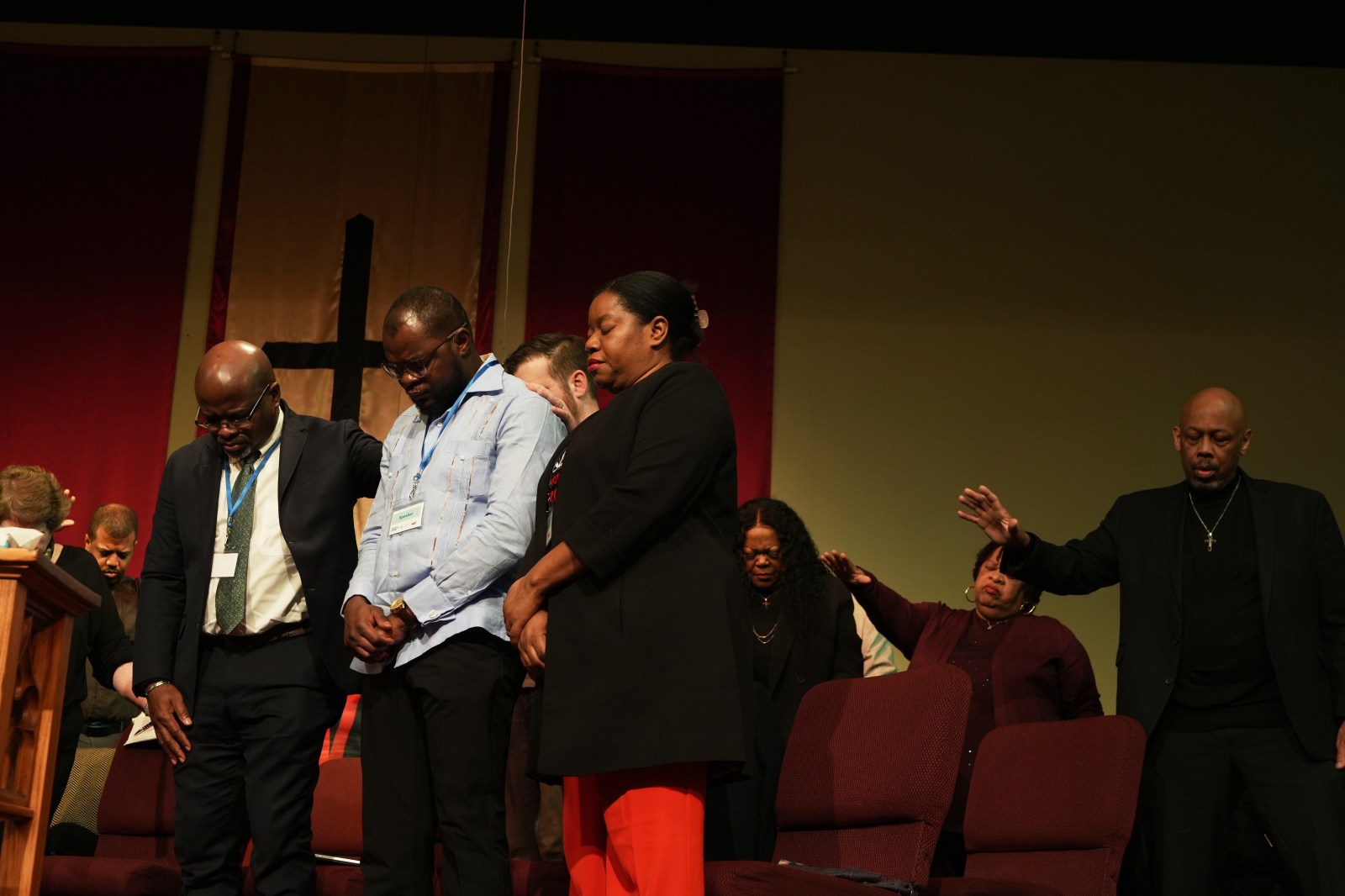 Image: Newsweek
 -
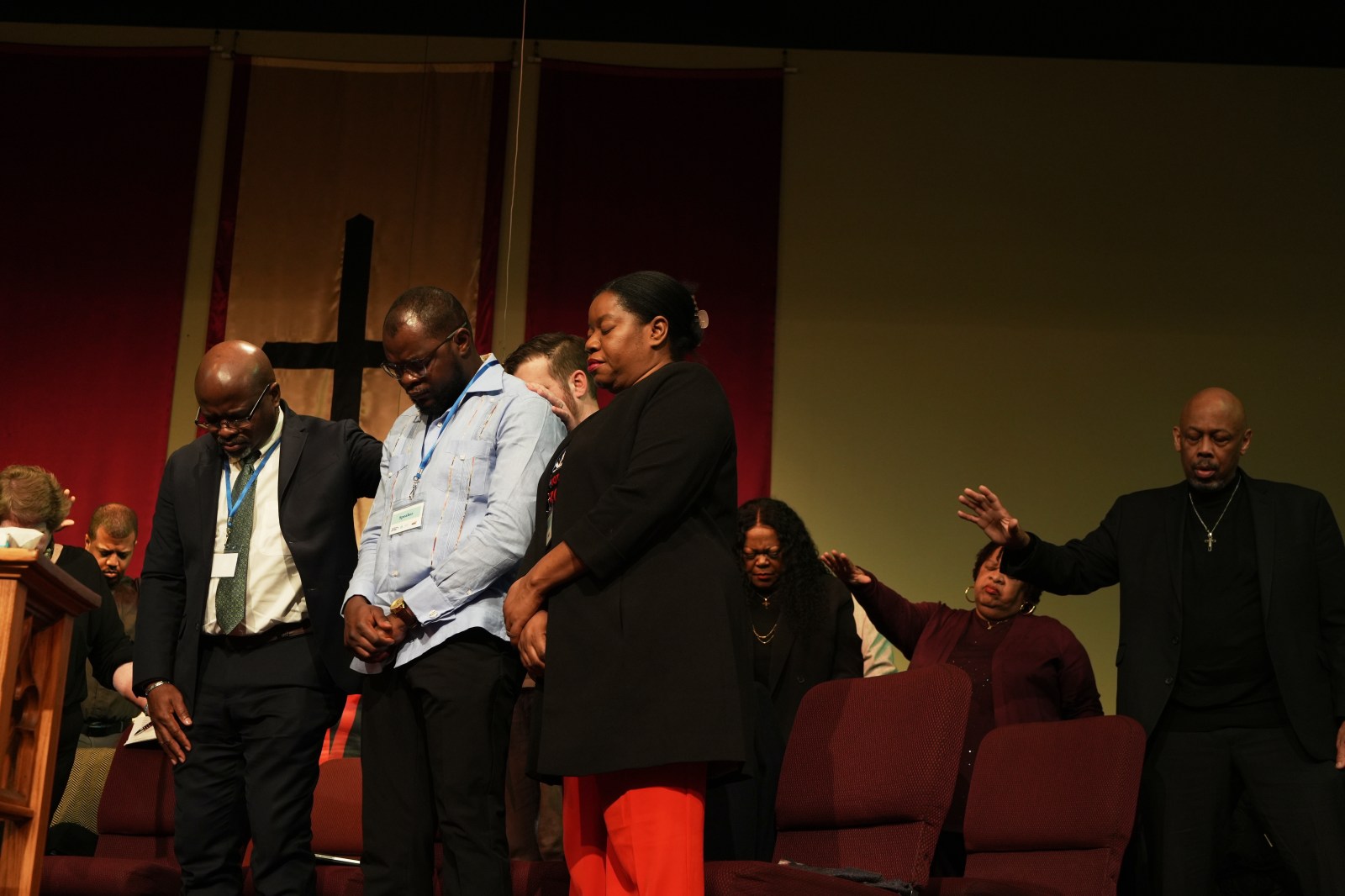 Image: Newsweek
Federal Judge Issues Injunction Halting Haitian TPS Termination U.S. District Judge Ana Reyes issued an 83‑page opinion on Feb 3, 2026 declaring the scheduled end of Temporary Protected Status for roughly 350,000 Haitian nationals “null, void, and of no legal effect,” thereby preserving work authorization and deportation protection for current beneficiaries while the lawsuit proceeds [1][3][4][5]. The order applies only to existing TPS holders; new applicants remain ineligible [1][2]. Reyes’ decision is a temporary stay pending further judicial review and is not a final judgment on the merits [1][5].
Ruling Cites Likely Racial Bias by DHS Secretary The opinion states plaintiffs are “substantially likely” to succeed because DHS Secretary Kristi Noem appeared to preordain the termination out of “hostility to nonwhite immigrants,” referencing her public calls for a travel ban on Haiti and similar nations [3][4][5]. This finding aligns with a Jan 29, 2026 9th Circuit ruling that Noem exceeded statutory authority in TPS terminations for both Venezuela and Haiti, highlighting evidence of racial and national‑origin animus [6]. The court’s emphasis on discriminatory intent underscores potential violations of anti‑discrimination principles embedded in the TPS statute [4][6].
DHS Labels Decision Lawless Activism, Plans Appeal Department of Homeland Security spokesperson Tricia McLaughlin condemned the injunction as “lawless activism,” arguing that TPS was intended as a temporary safety measure after the 2010 earthquake, not a de‑facto amnesty [1][3][4][5]. The administration announced it will appeal the ruling, with officials indicating the case may reach the Supreme Court [1][4]. DHS officials maintain that the termination aligns with the administration’s broader effort to end TPS designations for several other nationalities [4][5].
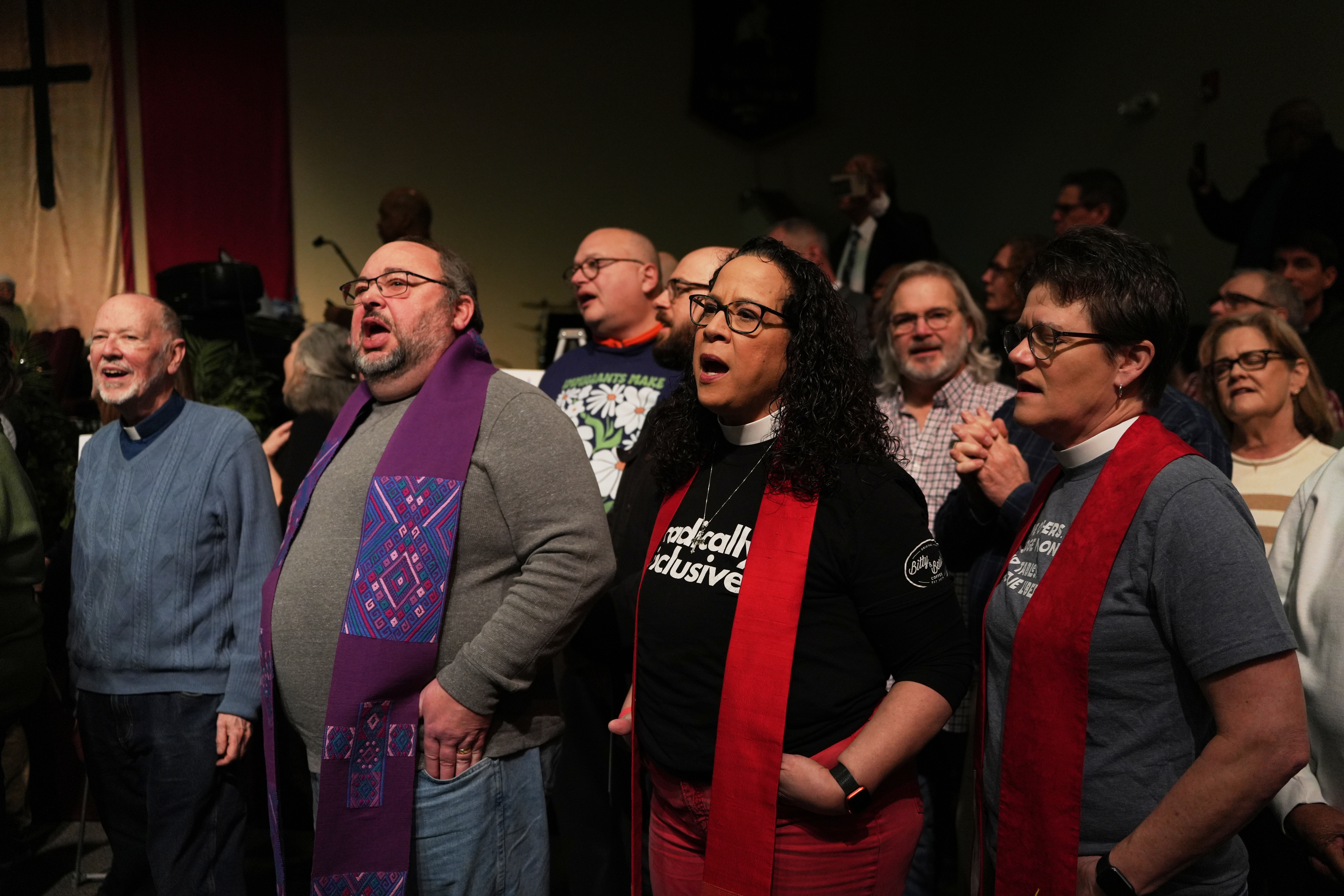
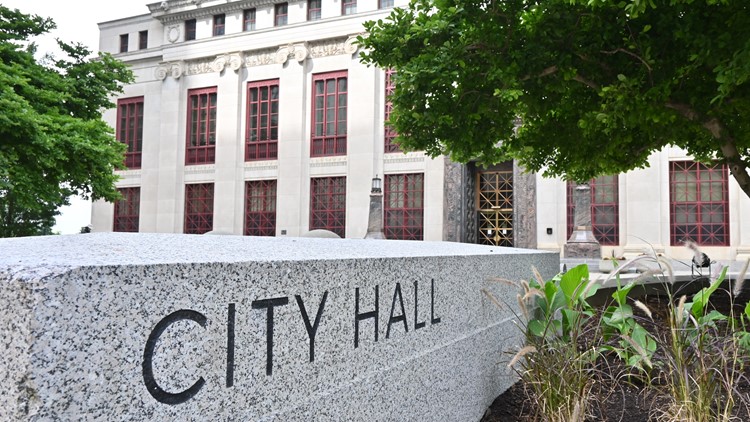
Local Officials and Community React to Court Reprieve Columbus Mayor Andrew Ginther and City Attorney Zach Klein publicly supported the Haitian community, stating the city has received no notice of increased ICE activity and will protect residents’ rights [1][2]. Community leaders such as Yola Lamarre, Viles Dorsainvil, Rose‑Thamar Joseph, and Lynn Tramonte described lingering fear, food insecurity, and the need for stable legal status, while faith groups gathered to pray for Haitian families [2][3][5]. The court’s temporary relief was welcomed as an “11th‑hour reprieve,” but advocates warned families cannot plan their futures while the litigation remains unresolved [2][5].
Sources
-
1.
WBNS: Federal Judge Blocks End of Haitian TPS, Offering Temporary Relief in Ohio: reports Judge Ana Reyes’ injunction preserving TPS for current Haitian residents, DHS’s “lawless activism” claim, and Columbus officials’ refusal to allocate resources for immigration enforcement .
-
2.
WBNS: Columbus officials rally behind Haitian community after TPS reprieve: details the press conference supporting Haitians, the judge’s pause on termination, DHS criticism, and community fears stemming from Trump’s 2024 rhetoric and bomb threats .
-
3.
AP: Federal Judge Halts End of Haitian Temporary Protected Status: highlights the 83‑page opinion, cites likely racial animus by Secretary Noem, describes community prayer gatherings, and notes Trump’s false accusations that sparked local threats .
-
4.
Newsweek: Federal Judge Halts Trump Administration’s Attempt to End Haitian TPS: emphasizes the injunction’s legal effect, the administration’s intent to appeal, the court’s finding of probable racial bias, and background on TPS origins and other program terminations .
-
5.
WBNS: Federal Judge Halts End of Haitian TPS Amid Legal Challenge: outlines the injunction, DHS’s “lawless activism” label, the 2010 earthquake origin of TPS, attorneys warning of deaths if terminated, and community reactions in Springfield .
-
6.
AP: 9th Circuit Finds Trump Administration Overstepped Authority on TPS Terminations: explains the appellate panel’s ruling that Secretary Noem exceeded authority for Venezuelan and Haitian TPS terminations, notes lack of immediate effect, and provides TPS statutory context .
Videos (1)
Timeline
2010 – Congress creates Temporary Protected Status under the Immigration Act of 1990, and after the magnitude‑7 earthquake in Haiti, DHS designates Haiti for TPS, granting work authorization and protection from removal to Haitian nationals (sources [1], [3]).
2024 – During his presidential campaign, Donald Trump spreads false claims that Haitian residents eat pets, stoking anti‑Haitian sentiment and prompting bomb threats against schools and government buildings (sources [2], [5]).
Oct 2025 – The U.S. Supreme Court issues an order permitting the Trump administration’s termination of Venezuelan TPS to take effect while the case proceeds, setting a precedent that the administration can enforce TPS terminations pending appellate review (source [3]).
Jan 29, 2026 – A three‑judge panel of the 9th U.S. Circuit Court of Appeals rules that Homeland Security Secretary Kristi Noem exceeds statutory authority by terminating TPS for Venezuelan and Haitian nationals, citing procedural safeguards and “ample evidence of racial and national‑origin bias” (source [3]).
Feb 2, 2026 – U.S. District Judge Ana Reyes issues an 83‑page injunction declaring the scheduled end of Haitian TPS “null, void, and of no legal effect,” finding the termination “substantially likely” to be motivated by hostility toward non‑white immigrants and preserving work and deportation protection for roughly 350,000 Haitians (sources [1], [2], [6]).
Feb 3, 2026 – Columbus, Ohio officials hold a press conference supporting the Haitian community, praising the federal judge’s pause of the TPS termination while DHS spokesperson Tricia McLaughlin denounces the ruling as “lawless activism” and pledges to appeal the decision (sources [5], [4]).
Feb 3, 2026 – In Ohio, Judge Ana Reyes blocks the administration’s plan to end Haitian TPS, allowing current beneficiaries to retain status but not extending it to new applicants, while city leaders refuse to allocate resources for ICE enforcement (source [4]).
Future (2026 onward) – The Trump administration signals an appeal to higher courts, including the Supreme Court, to overturn Judge Reyes’s injunction, indicating the legal battle over Haitian TPS will continue in federal courts (sources [1], [4]).
External resources (1 links)
- https://www.youtube.com/watch?v=iJxfC2PPIyM (cited 2 times)