Iran President Urges Fair Talks as U.S. Carrier Downs Drone, Tensions Escalate
Updated (6 articles)
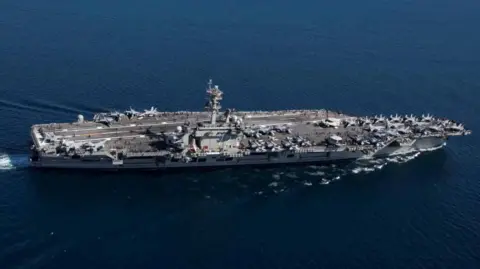
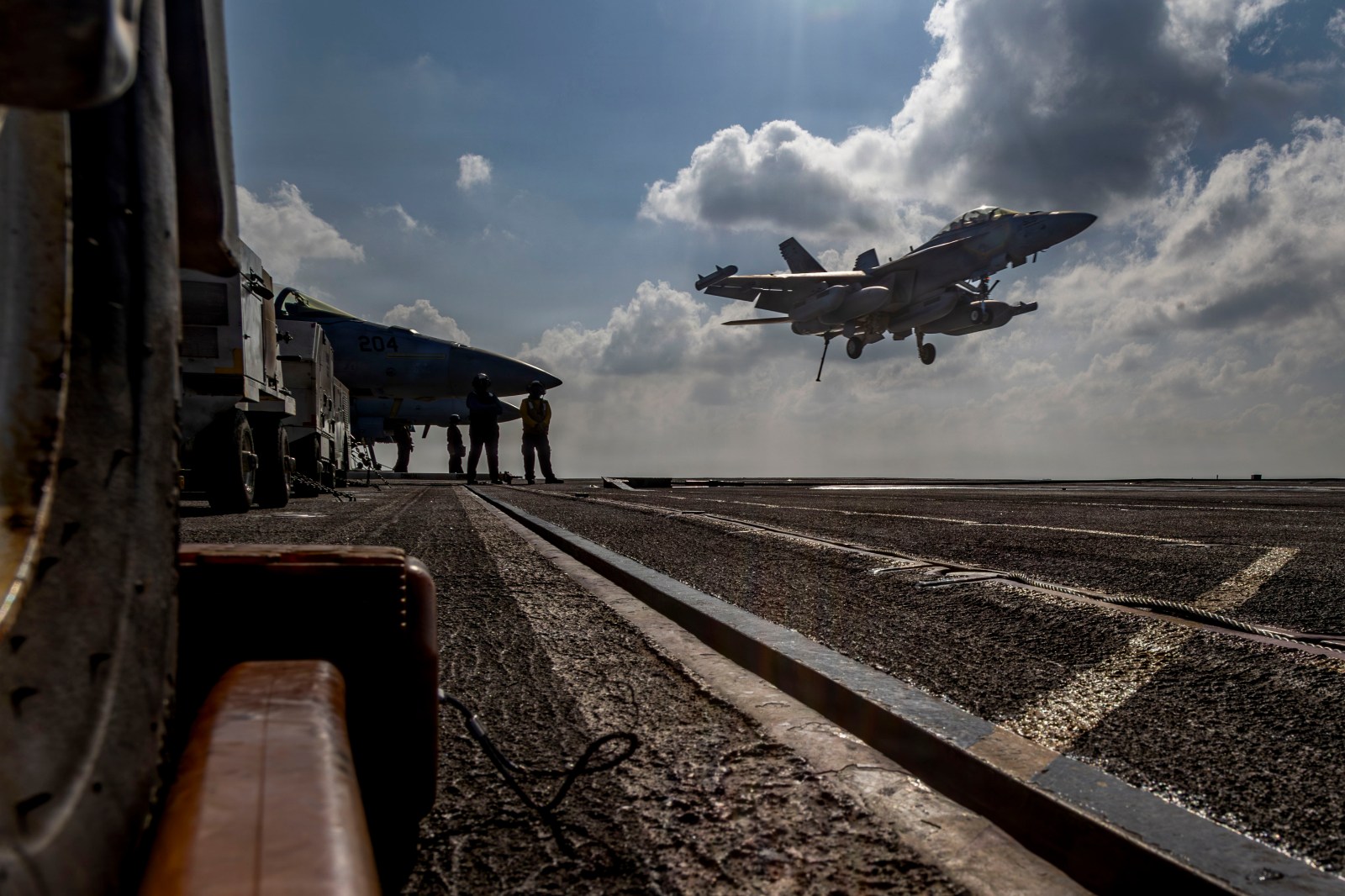
U.S. F‑35C Shoots Down Iranian Shahed Drone Near Carrier The U.S. Navy’s F‑35C from the USS Abraham Lincoln intercepted a Shahed‑139 (or Shahed‑129) UAV that approached the carrier about 500 mi off Iran’s southern coast on Feb 3 2026, describing the aircraft as “aggressively approaching” and of “unclear intent.” The drone was destroyed in self‑defence; no U.S. personnel or equipment were harmed. U.S. Central Command and multiple outlets confirmed the incident and the carrier’s location in the Arabian Sea[3][4][5][6].
IRGC Fast Boats and Mohajer Drone Harass U.S. Tanker Hours after the shoot‑down, IRGC fast boats and a Mohajer drone moved toward the U.S.–flagged tanker Stena Imperative in the Strait of Hormuz, attempting to board the vessel. The guided‑missile destroyer USS McFaul provided escort and air support, de‑escalating the encounter without damage. All reports note the same sequence of harassment and U.S. defensive response[3][4][5][6].
Iranian President Calls for Fair and Equitable Negotiations President Ebrahim Raisi (as reported by The Hindu and AP) ordered the foreign minister on Feb 3 2026 to pursue “fair and equitable” talks with the United States, the first clear diplomatic overture after the nationwide protest crackdown of January. Reformist leader Masoud Pezeshkian is also mentioned as supporting negotiations in AP’s coverage, creating a minor discrepancy over which official led the call[1][2][5].
Supreme Leader Khamenei Endorses Indirect Nuclear Talks Ayatollah Ali Khamenei now backs negotiations, reversing his earlier dismissal of any dialogue on Iran’s nuclear program. Advisors such as Ali Shamkhani say initial talks will be indirect and focus solely on nuclear issues, a shift echoed across the sources[1][2].
U.S. Envoy Steve Witkoff to Pursue Talks in Turkey or Oman White House press secretary Karoline Leavitt confirmed that special envoy Steve Witkoff will travel to the region to arrange discussions, with Turkey actively preparing to host and Oman also offered as a possible venue. Regional foreign ministers from Oman, Pakistan, Qatar, Saudi Arabia and the UAE have been invited, though the exact location remains undecided[1][2][3][6].
President Trump Adds Iran’s Nuclear Program to Negotiation Demands President Donald Trump listed Tehran’s nuclear activities among the conditions for any agreement, recalling his order to bomb three Iranian nuclear sites during the June 2025 Israel‑Iran war. He also signaled that a “range of options,” including a major strike, remains on the table while talks proceed[1][2][4][5].
Sources
-
1.
The Hindu: Iran President Calls for Negotiations as U.S. Downs Drone: Details Raisi’s directive for “fair and equitable” talks, the drone shoot‑down, and Khamenei’s new support, emphasizing regional minister invitations and venue uncertainty.
-
2.
AP: Iran’s President Calls for “Fair and Equitable” Talks as U.S. Downs Drone and Tensions Rise: Mirrors The Hindu’s account, adds background on protest crackdown, and highlights Trump’s nuclear‑program demand and June 2025 bombings.
-
3.
Newsweek: U.S. Fighter Jet Downs Iranian Shahed Drone Near Carrier Abraham Lincoln: Focuses on the military incident, Iranian media’s claim of routine surveillance, and ongoing diplomatic preparations in Turkey.
-
4.
CNN: US Carrier Downs Iranian Drone Amid Rising Tensions and Stalled Talks: Provides a concise timeline of the shoot‑down, tanker harassment, and Trump’s consideration of a large‑scale strike, noting Tehran’s request to move talks to Oman.
-
5.
AP: U.S. Navy shoots down Iranian drone near carrier amid rising tensions: Highlights the same combat events, adds Raisi’s negotiation order, and notes Trump’s reference to past nuclear‑site strikes while describing the expanded U.S. force posture.
-
6.
BBC: US Downed Iranian Drone Near Carrier Amid Rising Tensions: Confirms the drone interception, outlines White House assurances that talks remain scheduled, and mentions possible venue shift to Oman with only U.S. and Iranian officials.
Timeline
June 2025 – The United States bombs three Iranian nuclear sites during the Israel‑Iran war and adds Tehran’s nuclear program to its list of negotiation demands, signaling a shift to direct military pressure on Iran’s nuclear capabilities [4][5].
Mid‑2025 (after June) – The U.S. expands its Middle East military presence, deploying the USS Abraham Lincoln carrier strike group with roughly 5,700 service members, three destroyers and additional air‑wing assets to the Arabian Sea [2][5].
January 2026 – Iran violently cracks down on nationwide protests, intensifying internal unrest and prompting Tehran to consider diplomatic overtures [4][6].
Feb 3, 2026 – A U.S. F‑35C launched from the USS Abraham Lincoln shoots down an Iranian Shahed‑139 drone 500 mi off Iran’s southern coast, describing the approach as aggressive and intent unclear, with no U.S. casualties [1][2][3][5][6].
Feb 3, 2026 – Iranian Revolutionary Guard fast boats and a Mohajer drone harass the U.S.–flagged tanker Stena Imperative in the Strait of Hormuz; the destroyer USS McFaul provides escort and air support, allowing the vessel to continue safely [1][2][3][5][6].
Feb 3, 2026 – President Ebrahim Raisi orders Iran’s foreign minister to pursue “fair and equitable” talks with the United States, marking Tehran’s first clear diplomatic overture after the protest crackdown [4][6].
Feb 3, 2026 – Supreme Leader Ayatollah Ali Khamenei warns that any U.S. attack on Iran would trigger a regional war, underscoring the high stakes of the confrontation [1][3][4].
Feb 3, 2026 – White House press secretary Karoline Leavitt confirms that special envoy Steve Witkoff will travel to Turkey later in the week for negotiations and says the talks remain on schedule despite the drone incident [1][3][5][6].
Feb 3, 2026 – President Donald Trump states he retains a “range of options,” including a large‑scale strike, and adds Iran’s nuclear program to his negotiation demands, recalling the June 2025 bombings [2][4][5][6].
Feb 3, 2026 – Iran’s IRGC reports loss of contact with one of its drones after a reconnaissance and filming mission over international waters, launching an investigation into the cause [2].
Feb 3‑4, 2026 (later this week) – Turkey works behind the scenes to host the U.S.–Iran talks, inviting foreign ministers from Oman, Pakistan, Qatar, Saudi Arabia and the UAE, while the venue remains undecided and may shift to Oman [1][4][6].
Future (post‑talks) – Iranian officials indicate that initial negotiations will be indirect and focus solely on the nuclear issue, reflecting a new willingness from Supreme Leader Khamenei to engage [6].