GOP Advances SAVE Act After Securing 50th Senate Co‑Sponsor, House Passes Bill
Updated (7 articles)
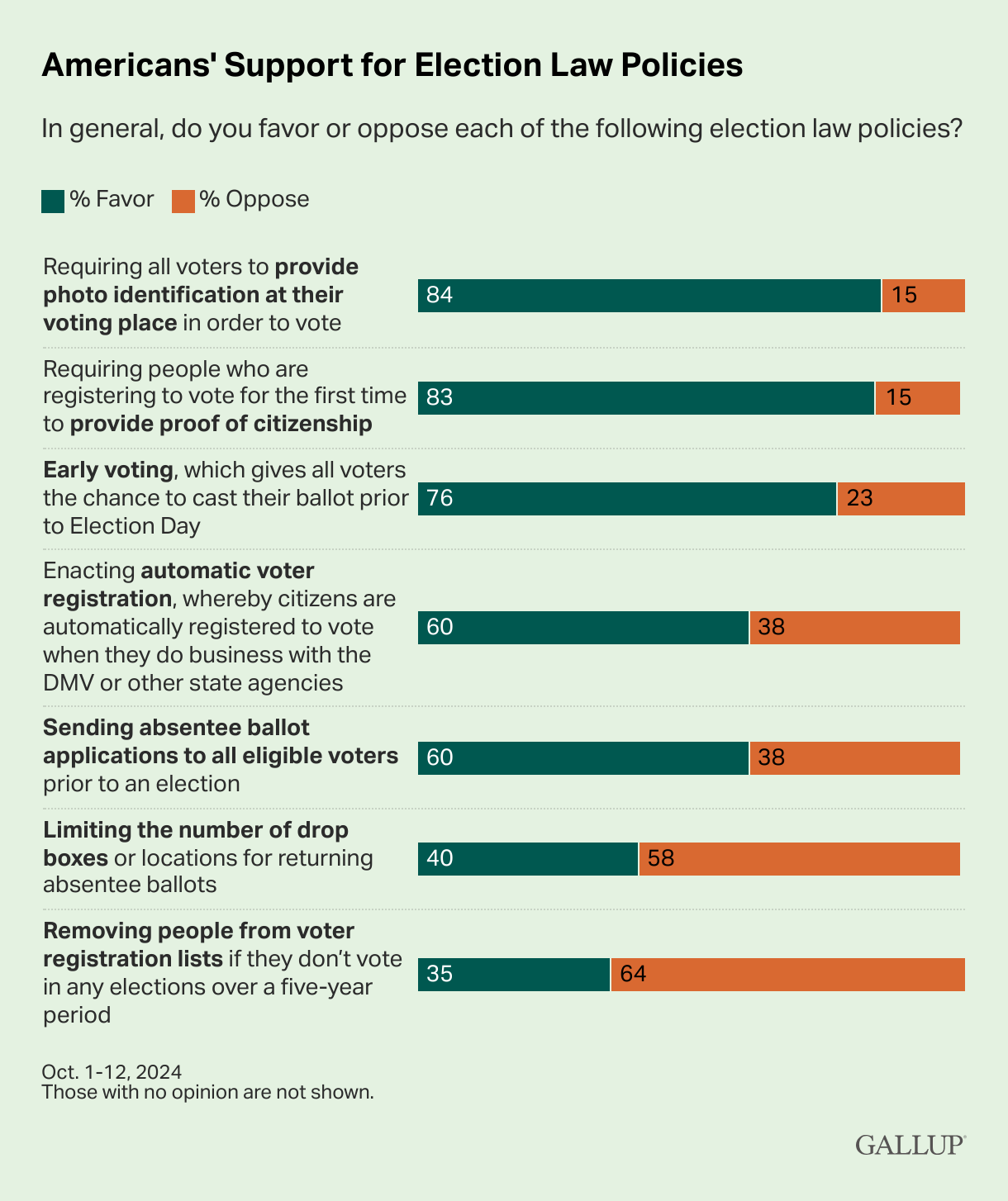
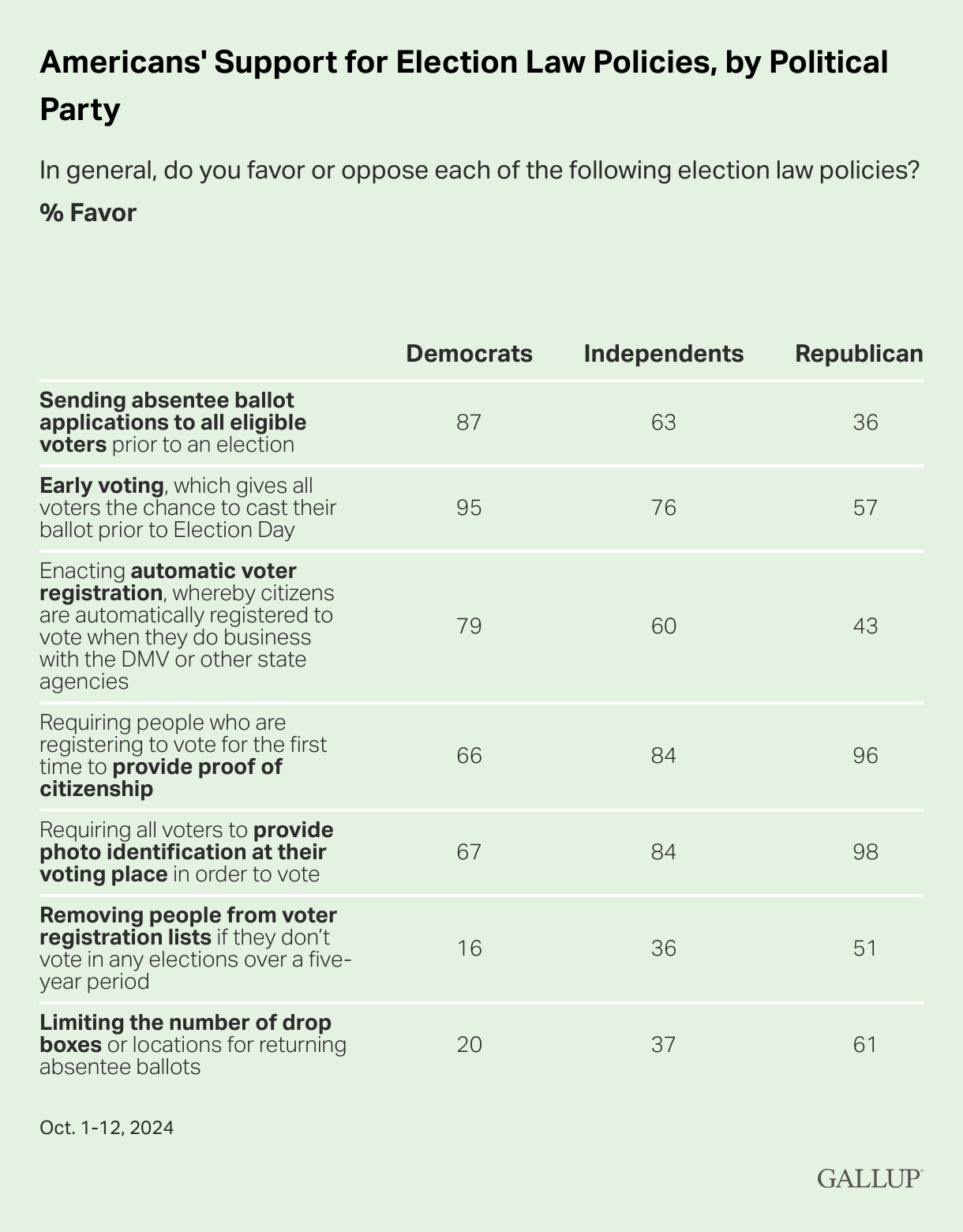
SAVE Act Gains Critical Senate Support and Clears House On February 18 2026 GOP leaders announced the SAVE Act secured its 50th Senate co‑sponsor, meeting the threshold to bring the measure to the floor, and the bill cleared the House earlier that month. The legislation would require proof of U.S. citizenship for voter registration, reviving a proposal first introduced in 2021. Supporters cite public polls showing 67‑83% of respondents favor such a requirement, while opponents note the rarity of non‑citizen voting incidents [1].
Legislators Push Filibuster Removal to Accelerate Passage Senate Republicans are urging leadership to eliminate the filibuster, arguing it blocks the SAVE Act’s swift enactment. The move reflects a broader GOP strategy to tighten election rules before the 2026 midterms. Critics warn that removing the filibuster undermines bipartisan oversight of election legislation [1].
Empirical Data Shows Non‑Citizen Voting Is Extremely Rare The Heritage Foundation identified fewer than 100 verified non‑citizen votes from 2002‑2022; the Brennan Center found only 30 suspected cases in 2016 out of 23 million votes; courts recorded 39 non‑citizens registered between 1999‑2013. These figures suggest the problem the SAVE Act aims to solve is statistically negligible [1].
State‑Level Proof‑of‑Citizenship Laws Have Disenfranchised Voters Recent state experiments, such as New Hampshire’s 2024 law, turned away 244 voters in 2025; Arizona’s bifurcated system created a “federal‑only” voter pool disproportionately affecting people of color; Kansas’s 2011 law blocked over 30,000 citizens before courts struck it down. Kansas Secretary of State Scott Schwab warned that the earlier law “didn’t work out so well.” [1]
Related Tickers
Primary Data (1)
Timeline
2011 – Kansas enacts a proof‑of‑citizenship voting law that initially blocks over 30,000 eligible citizens before courts strike it down, illustrating early attempts at citizenship verification that later inform current GOP proposals. [1]
2020 – President Donald Trump repeatedly claims the 2020 presidential election was rigged, a narrative that fuels current Republican efforts to “nationalize” elections and impose stricter voting rules. [5]
2022 – Ohio voters approve a constitutional amendment limiting voting to U.S. citizens, providing a state‑level precedent for the federal SAVE‑based citizenship checks now being pursued. [7]
2024 – Nationwide polls show 67%‑83% of respondents favor requiring proof of citizenship to register to vote, giving GOP legislators broad popular backing for the SAVE Act. [1]
2024 – New Hampshire’s proof‑of‑citizenship law, enacted in 2024, turns away 244 voters in 2025, demonstrating the disenfranchising impact of such measures on the ground. [1]
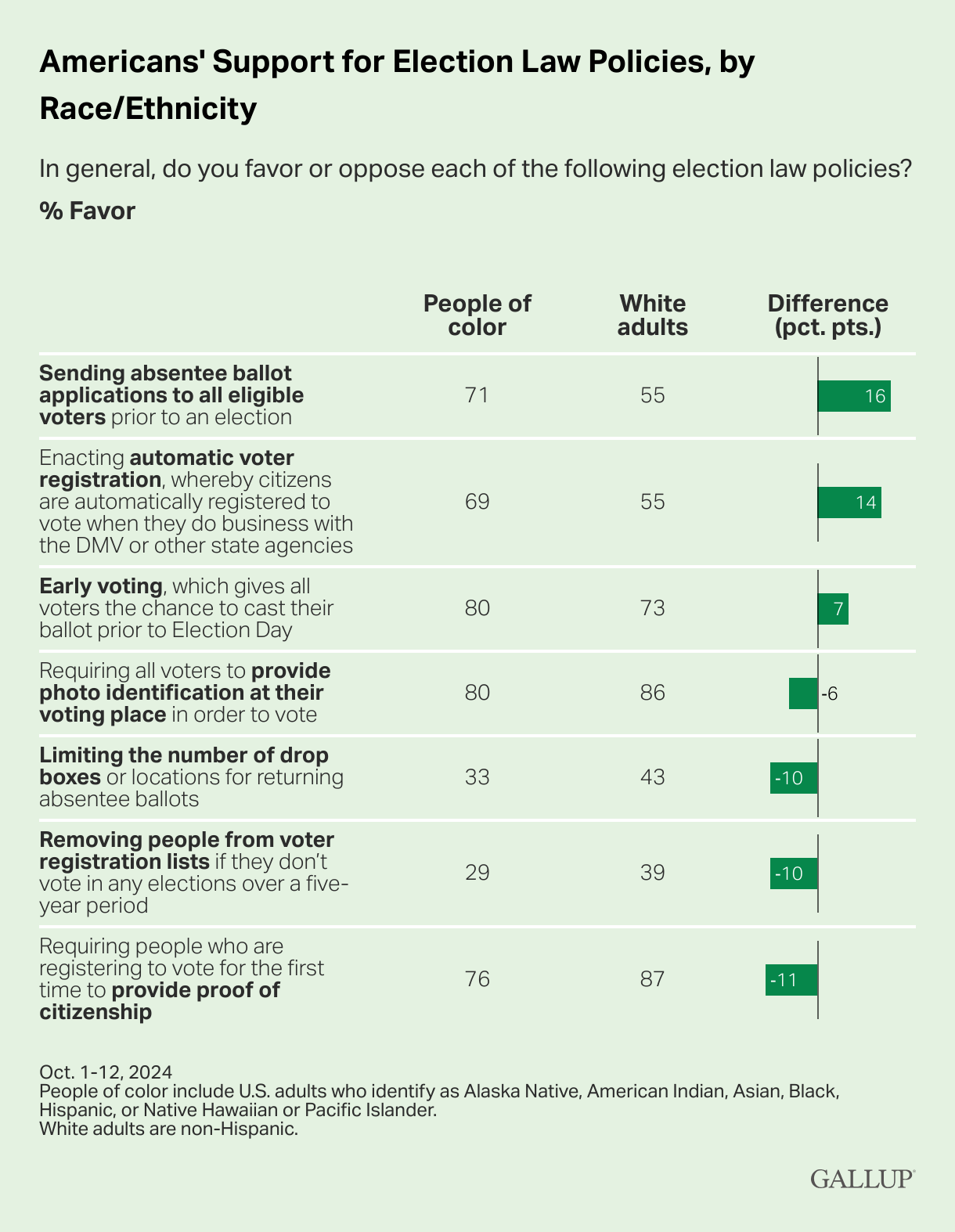
2024 – Arizona’s bifurcated voter‑registration system creates a “federal‑only” voter class that disproportionately affects people of color and reduces Republican turnout, highlighting unintended racial consequences of citizenship‑verification policies. [1]
Dec 2, 2025 – Florida, Indiana, Iowa and Ohio settle lawsuits with DHS, gaining bulk access to the SAVE database for voter‑citizenship checks, a development expected to shape the 2026 midterm election landscape. [6]
Dec 2, 2025 – Ohio signs a 20‑year, no‑cost agreement with DHS to use SAVE for continuous voter‑citizenship verification through 2045, building on the state’s 2022 constitutional amendment and prompting concerns about wrongful roll purges. [7]
Jan 30, 2026 – The House unveils the 120‑page “Make Elections Great Again Act,” mandating photo ID, citizenship proof at registration and banning universal vote‑by‑mail and ranked‑choice voting; Rep. Bryan Steil calls the measures “commonsense,” while Rep. Joe Morelle warns they would block millions of voters, with implementation slated for 2027 and the bill framed as a response to Trump’s 2020 fraud narrative and recent FBI raids. [5]
Feb 2, 2026 – The SAVE Act’s documentary citizenship‑proof requirement could force married women to submit marriage certificates in addition to passports or birth certificates, a burden highlighted by activist Caroline Welles as especially hard for Native American, low‑income, territorial‑born, and domestic‑violence survivor women. [4]
Feb 3, 2026 – After Trump urged Republicans on “The Dan Bongino Show” to “nationalize” elections in at least fifteen jurisdictions, 14 new House members join the Make Elections Great Again Act, bringing total co‑sponsors to 38; Senate Majority Leader Chuck Schumer denounces the plan as “outlandishly illegal,” underscoring the deep partisan split over federal voting reforms. [3]
Feb 3, 2026 – Rep. Bryan Steil files H.R. 7300, the MEGA Act, during a House pro‑forma session; the bill would require voter photo ID, citizenship verification beginning in 2027, end universal vote‑by‑mail, ban ranked‑choice voting and impose paper‑ballot audits, aligning with Trump’s call to “combat crooked systems and illegal voting.” [2]
Feb 18, 2026 – GOP leaders push the SAVE Act forward, securing a 50th Senate co‑sponsor and urging removal of the filibuster; Heritage Foundation data show fewer than 100 non‑citizen voting cases from 2002‑2022, while Kansas Secretary of State Scott Schwab warns the state’s earlier proof‑of‑citizenship law “didn’t work out so well,” highlighting the disconnect between alleged fraud and actual evidence. [1]
2026 – The 2026 midterm elections become the first major test of the newly proposed federal voting restrictions, with both parties positioning the Make Elections Great Again Act and the MEGA Act as central campaign issues. [5]
2026 – Ohio’s elections office integrates the new SAVE agreement into preparations for the 2026 statewide election cycle, signaling the state’s readiness to apply bulk citizenship verification ahead of the midterms. [7]
All related articles (7 articles)
-
CNN: GOP Pushes Proof‑of‑Citizenship Voting Bill Amid Sparse Fraud Evidence
-
Newsweek: Republican‑Led MEGA Act Proposes Federal Voting Rules Amid Congressional Divide
-
Newsweek: GOP Election Bill Gains Momentum After Trump Calls for “Nationalize” Voting
-
Newsweek: SAVE Act Could Add Voting Hurdles for Married Women
-
AP: House Republicans Unveil “Make Elections Great Again Act” Ahead of Midterms
-
WBNS (Columbus, OH): Ohio Secures 20‑Year Access to Federal Voter‑Citizenship Database
-
AP: Four GOP‑led States Reach Settlement with DHS Over Voter Citizenship Data
External resources (12 links)
- http://www.congress.gov/bill/119th-congress/house-bill/7300?s=1&r=5 (cited 1 times)
- https://steil.house.gov/media/press-releases/steil-introduces-election-reform-package (cited 1 times)
- https://steil.house.gov/sites/evo-subsites/steil.house.gov/files/evo-media-document/final-make-elections-great-again-act.pdf (cited 1 times)
- https://www.congress.gov/bill/119th-congress/house-bill/7300/cosponsors?s=1&r=1&q=%7B%22search%22%3A%22make+elections+great+again%22%7D (cited 1 times)
- https://www.congress.gov/bill/119th-congress/house-bill/7300/cosponsors?s=1&r=5 (cited 1 times)
- https://news.gallup.com/poll/652523/americans-endorse-early-voting-voter-verification.aspx (cited 1 times)
- https://apnorc.org/wp-content/uploads/2024/10/October-topline_final-2.pdf (cited 1 times)
- https://www.nytimes.com/2026/02/17/us/politics/republicans-vote-fraud-id-midterms.html (cited 1 times)
- https://cases.justia.com/federal/appellate-courts/ca10/18-3133/18-3133-2020-04-29.pdf?ts=1588176048 (cited 1 times)
- https://www.brennancenter.org/our-work/analysis-opinion/arizonas-show-your-papers-requirement-hurts-voters (cited 1 times)
- https://www.brennancenter.org/our-work/research-reports/noncitizen-voting-missing-millions (cited 1 times)
- https://www.unionleader.com/news/politics/state/voting-rights-group-new-election-reforms-turned-away-hundreds-of-potential-voters/article_1b52efd5-0186-4544-9dba-3aab0caa6ec9.html (cited 1 times)