Trump’s “Donroe Doctrine” Expands U.S. Hemisphere Reach After Maduro Raid
Updated (10 articles)
Delta Force Raid Captures Maduro and Flores on Jan 3 U.S. special‑operations forces seized Venezuelan President Nicolás Maduro and First Lady Cilia Flores in a pre‑dawn operation on 3 January, moving them to a New York detention center; reports differ on whether the raid began in Caracas or at a Brooklyn residence, but all agree the operation was executed by Delta Force and framed as a law‑enforcement action [1][2][3][4][5][6][7][8][10]. The administration presented the capture as a decisive blow against alleged narcotics and terrorism networks, while critics highlighted the unprecedented removal of a sitting head of state without congressional or international authorization [3][4][10]. Trump watched the raid live from Mar‑a‑Lago and praised it on Fox News, calling it “amazing work” [2][5].
Donroe Doctrine Replaces Monroe Doctrine in Trump’s Policy Rhetoric On 8 January Trump announced the “Donroe Doctrine,” a self‑styled corollary to the 1823 Monroe Doctrine, to justify expanded U.S. dominance across the Western Hemisphere [1][2][6][7][9]. The doctrine underpins demands that Denmark cede Greenland for security and resource reasons, threats toward Colombia’s President Gustavo Petro, warnings to Mexico on cartel violence, and a broader push to control Venezuelan oil [6][7][9]. Trump’s aides framed the doctrine as a permanent shift, while analysts warned it could undermine NATO cohesion and post‑World‑War‑II multilateral norms [1][2][6].
Global Backlash Highlights Legal and Strategic Risks The raid was carried out without a congressional vote or UN mandate, prompting China to condemn it as a violation of sovereignty and raising fears that other powers might adopt similar “clean‑up” logic in contested regions such as the Taiwan Strait and South China Sea [3][4][9]. Denmark’s Prime Minister and Greenland’s government rejected any annexation talk, labeling it a “fantasy” and demanding lawful channels [6][9]. North Korea responded with a hypersonic missile launch, citing the Caracas operation as evidence that nuclear deterrence remains essential [3][4]. The United Nations, Denmark, and Russia issued formal protests, while U.S. lawmakers warned the move could hand diplomatic leverage to rivals [7].
American Public Remains Skeptical of Expansionist Agenda Polls conducted after the raid show only about one‑third of Americans approving the operation, with 72 % expressing concern about deeper U.S. involvement in the hemisphere; opposition spans both parties, and prior surveys indicated strong resistance to proposals such as annexing Greenland or Canada [5][8]. Voters prioritize domestic economic issues over foreign adventures, limiting political space for further unilateral actions [5]. Analysts warn that pursuing unpopular territorial and energy ambitions could provoke foreign clashes and diplomatic blowback despite a vocal minority’s support [5][8].
Sources
-
1.
Newsweek: Trump expands hemispheric reach after Maduro raid, signaling a Monroe Doctrine corollary: Details the Jan 3 Delta Force capture, introduction of the “Donroe Doctrine,” Greenland ambitions, and expert warnings about policy constraints .
-
2.
BBC: Trump renames Monroe Doctrine to Donroe, signaling a unilateral shift in hemisphere policy: Highlights the raid, Trump’s live‑feed praise, the doctrine’s hawkish framing, and potential damage to the post‑war order .
-
3.
Yonhap (Jan 7): U.S. seizure of Nicolás Maduro and Trump’s 'Donroe Doctrine' raises alarm in Seoul: Focuses on the operation’s legality, Beijing’s condemnation, and implications for East Asian security, including North Korea’s missile test .
-
4.
Yonhap (Jan 6): U.S. seizure of Venezuela's Nicolás Maduro deepens security and energy anxieties for South Korea: Emphasizes regional strategic uncertainty, Chinese criticism, and calls for South Korean energy diversification .
-
5.
CNN (Jan 6): Trump’s Venezuela operation accelerates bid to dominate Western Hemisphere, but Americans oppose it: Reports the raid, expansionist rhetoric, and domestic polling showing low public support .
-
6.
BBC (Jan 6): Trump orders dramatic Venezuela raid and signals further interventions across Greenland, Colombia, Iran, Mexico and Cuba: Covers the raid, Donroe Doctrine, and Trump’s threats toward Greenland, Colombia, Iran, Mexico, and Cuba .
-
7.
AP: Trump frames Maduro seizure as assertion of U.S. dominance in the Western Hemisphere: Describes the capture, Trump’s dominance claim, and international reactions from the UN, Denmark, and Russia .
-
8.
CNN (Jan 5): Trump’s Venezuela operation captures Maduro; public opinion splits: Provides poll data showing a narrow approval margin and broader American reluctance toward foreign interventions .
-
9.
King5: Trump pushes Greenland takeover, Cuba warning, and Colombia risk after Maduro ouster: Details Greenland annexation plans, Cuban involvement accusations, and threats toward Colombia .
-
10.
CNN (Jan 3): Trump-led night operation abducts Maduro from Caracas, signaling a sharper U.S. foreign policy posture: Outlines the raid, “Trump Corollary” doctrine, drug‑trafficking rationale, and migration considerations .
Primary Data (3)
Quinnipac: Trump Begins Second Term Stronger Than The First, 6 In 10 Voters Approve Of Sending U.S. Troops To Southern Border, Quinnipiac University National Poll Finds; Majority Disapprove Of Elon Musk’S Role In Trump Administration
Published (27 tables/charts)Quinnipac: Voters Give Democrats In Congress A Record Low Job Approval But Still Might Vote For Them In 2026, Quinnipiac University National Poll Finds; Majority Think Trump’S Use Of Presidential Power Goes Too Far
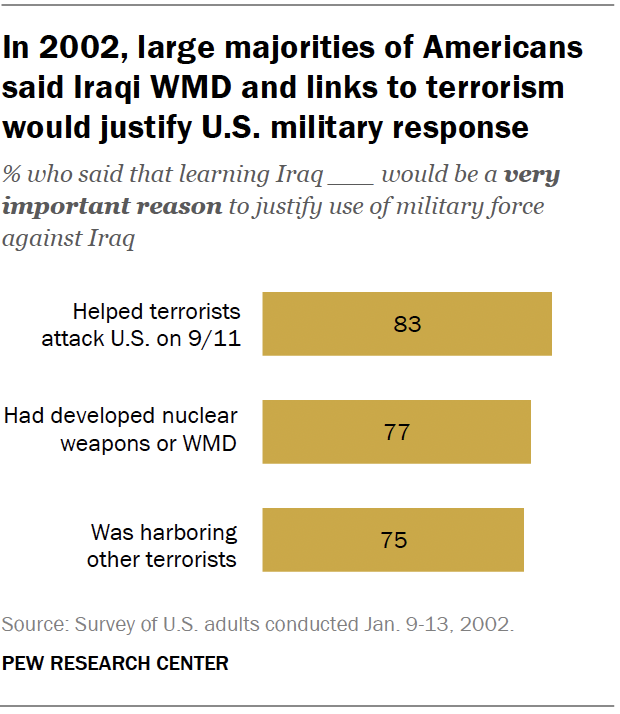
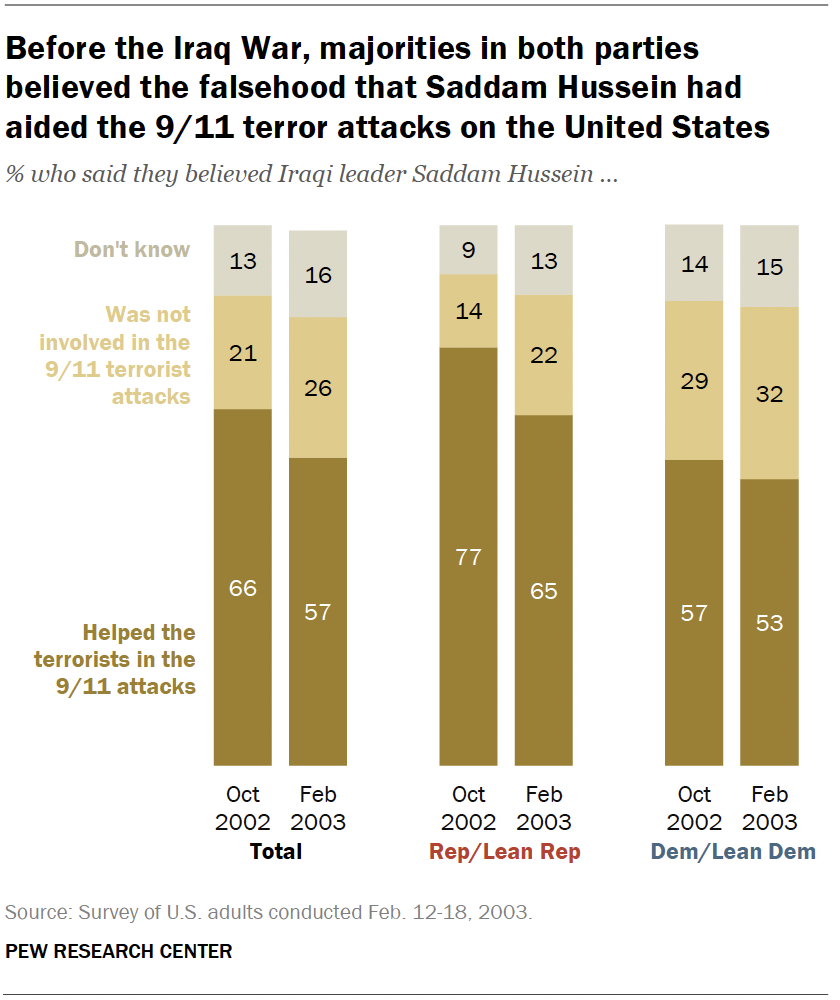
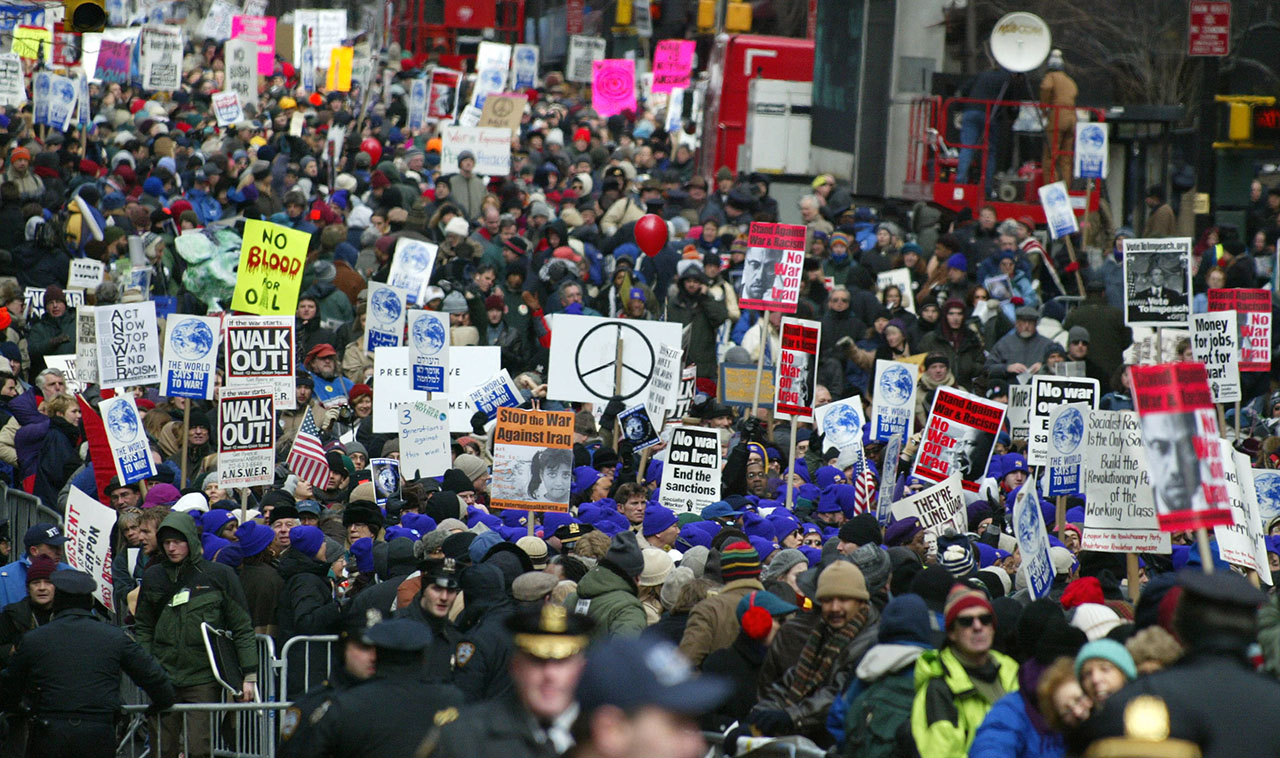
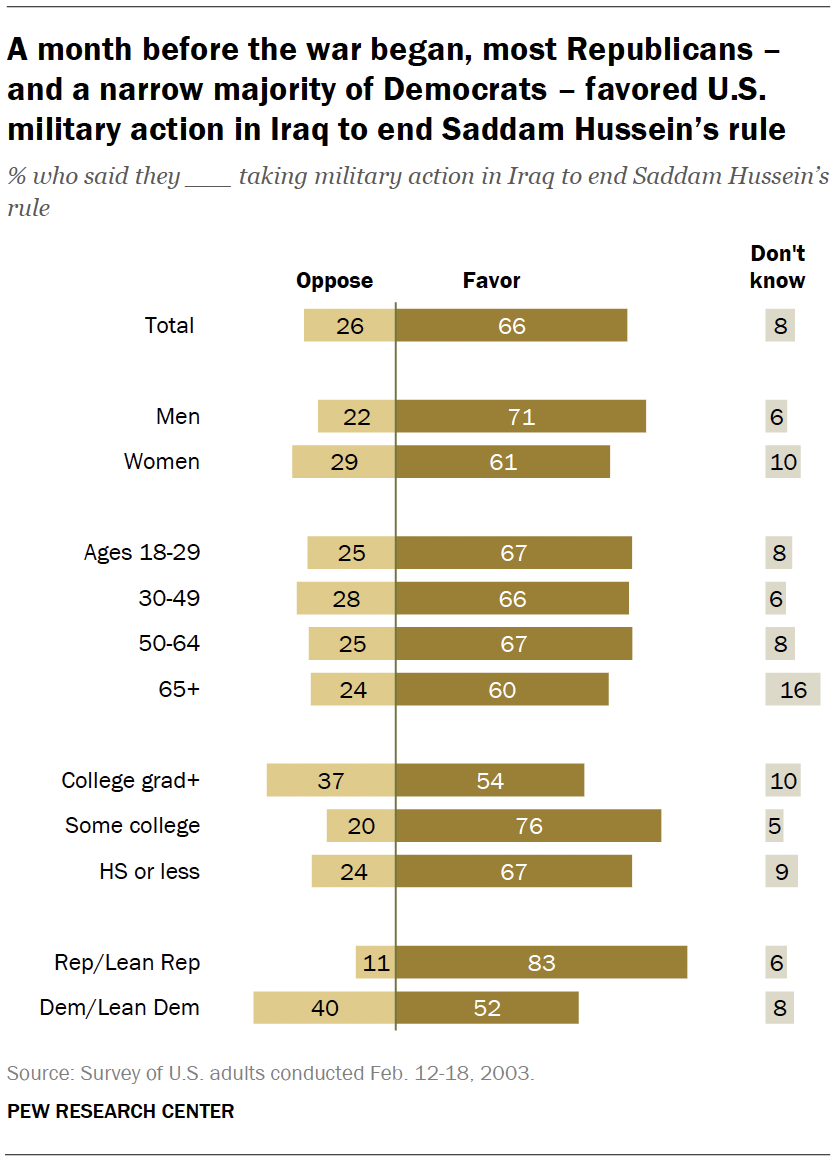
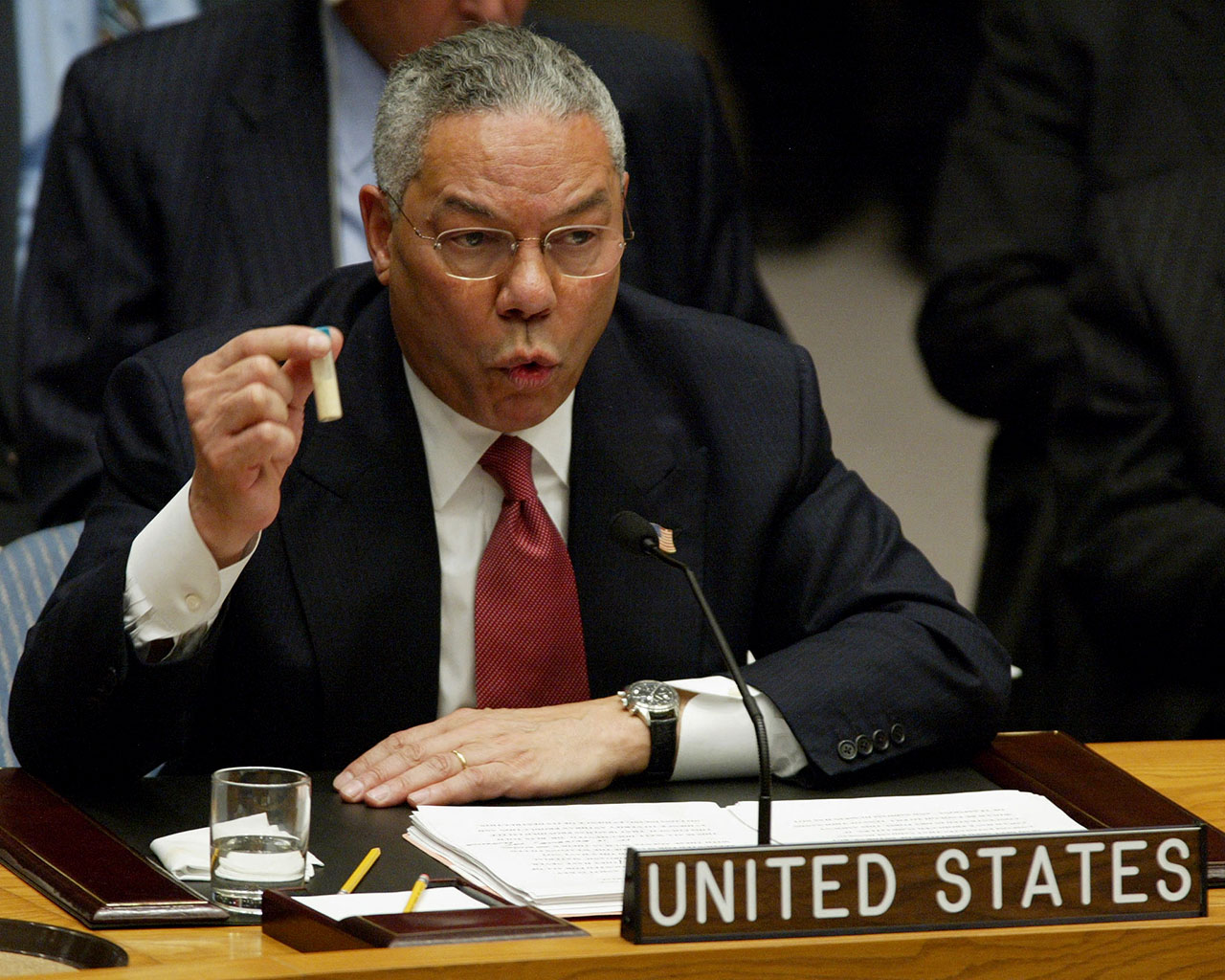
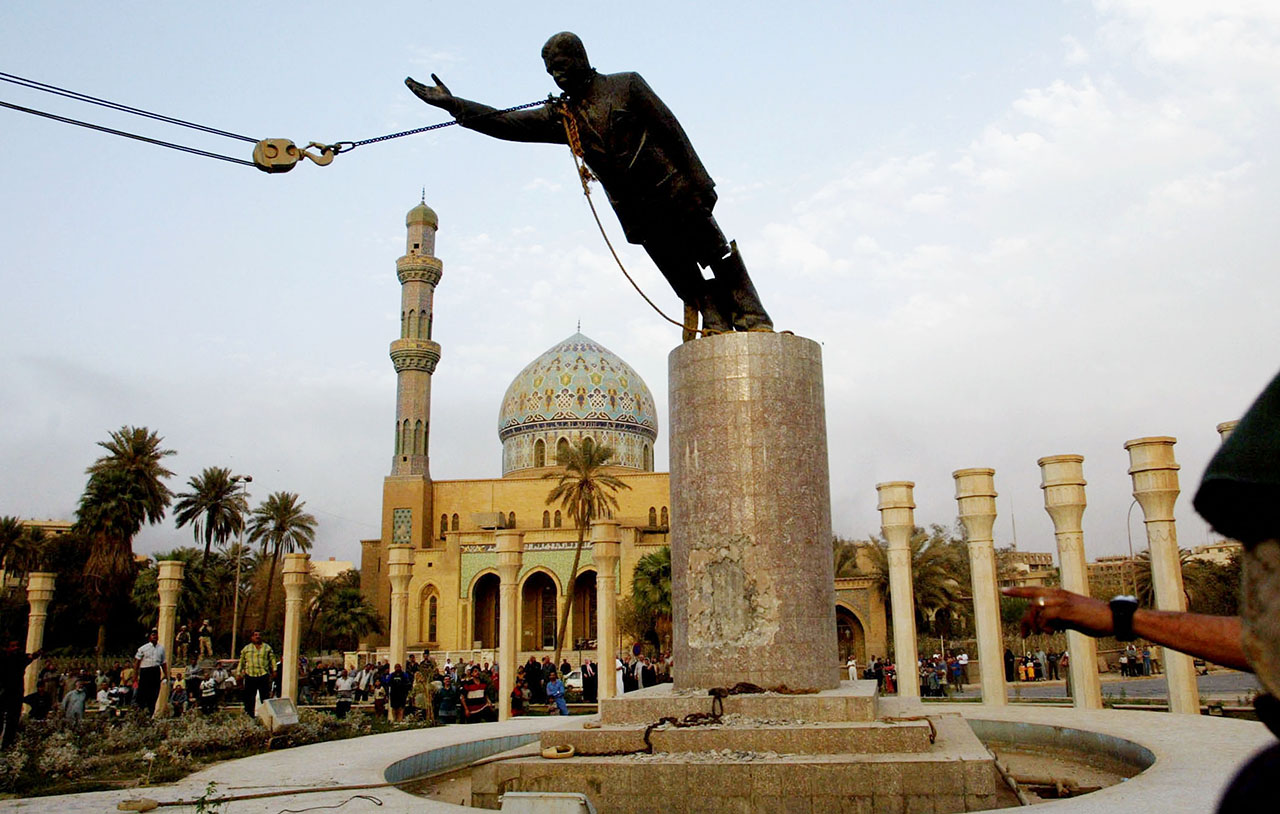
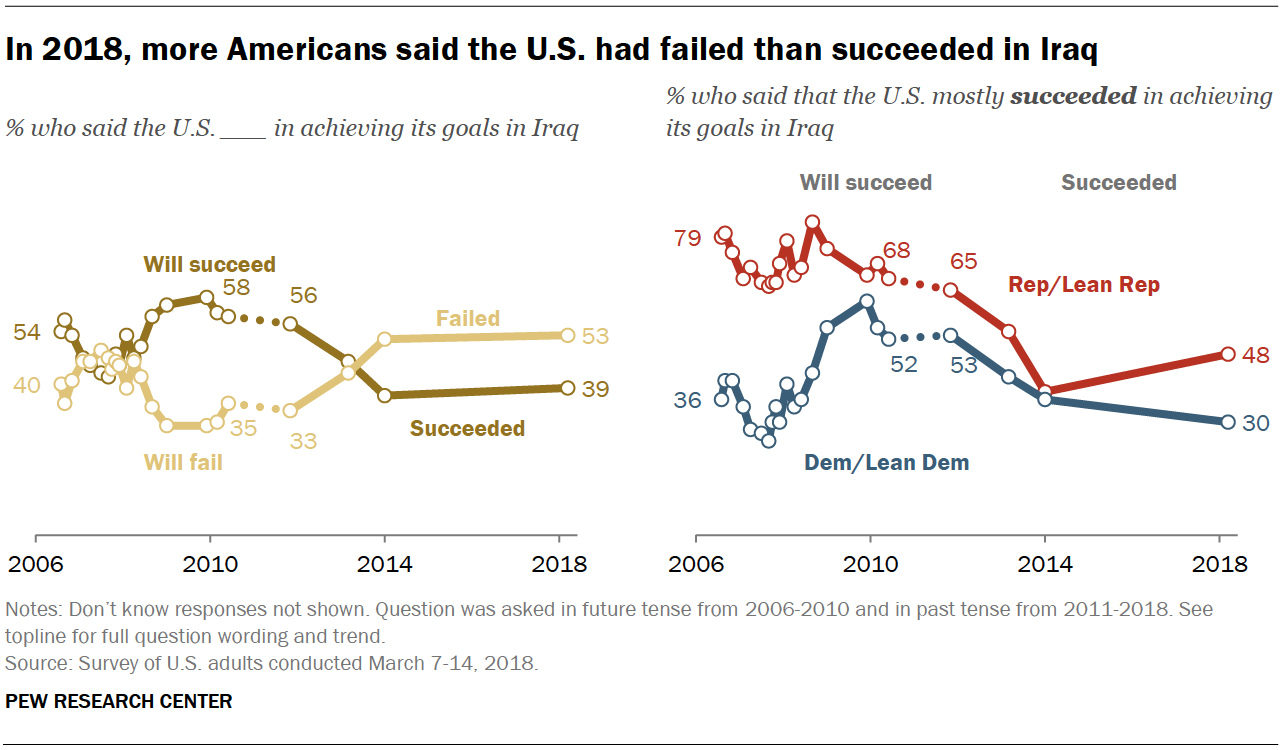
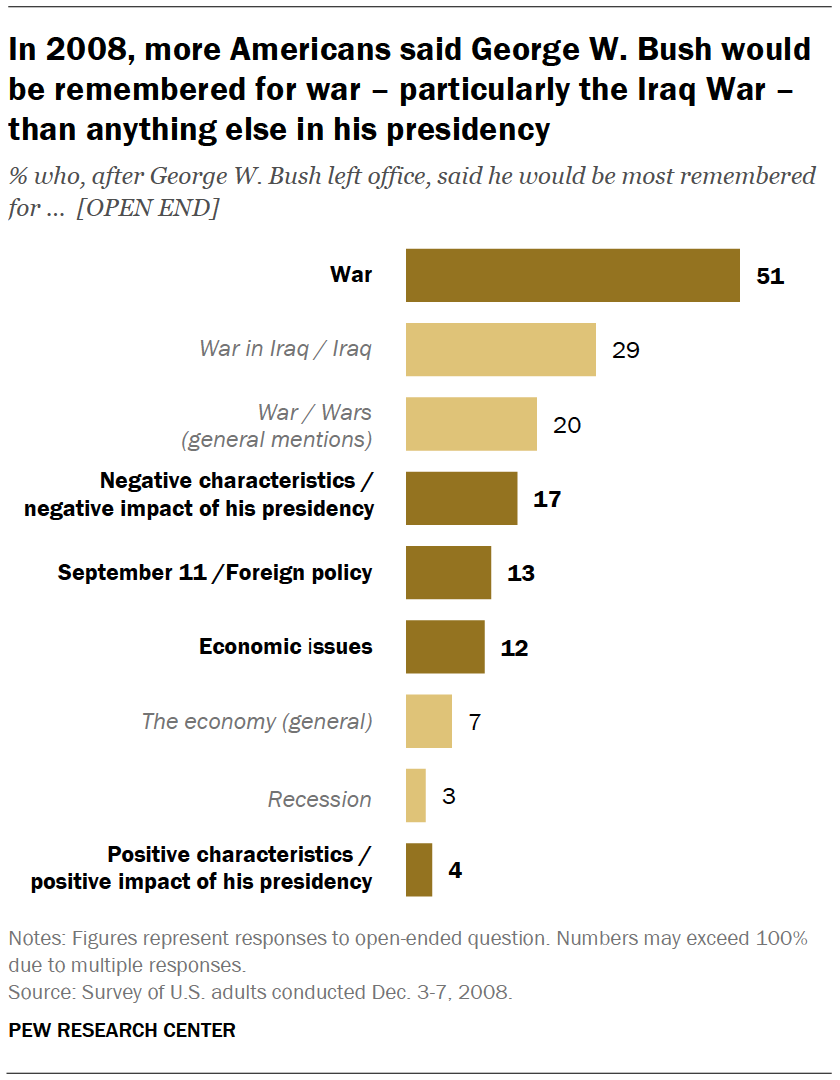
Published (49 tables/charts)Pew: A Look Back at How Fear and False Beliefs Bolstered U.S. Public Support for War in Iraq
Published (13 tables/charts)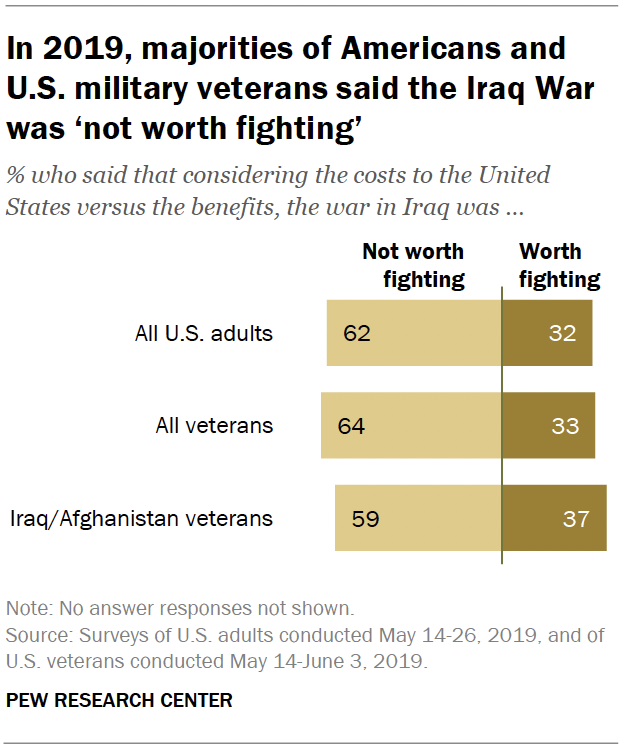


Timeline
1823 – The United States adopts the Monroe Doctrine, declaring the Western Hemisphere off‑limits to European colonization and interference, a principle later invoked to justify hemispheric dominance [1][8].
1904 – President Theodore Roosevelt adds the Roosevelt Corollary, asserting a right of U.S. intervention in Latin America to stabilize “chronic” disorders, providing a historical precedent for later unilateral actions [8].
1945‑1949 – The post‑World‑War II order establishes NATO and a rules‑based international system that successive presidents have built upon, creating expectations of multilateral restraint that now face challenge [1].
2025 – Nationwide polls show 55‑73 % of Americans oppose any U.S. attempt to acquire Greenland or annex Canada, indicating deep public resistance to territorial expansion [3].
Jan 3, 2026 – U.S. Delta Force conducts a night raid in Caracas, abducting President Nicolás Maduro and his wife Cilia Flores and transporting them to a U.S. detention facility, a move framed as law‑enforcement against narcotics and terrorism [5][7][9].
Jan 3, 2026 – The administration labels the operation a “Trump Corollary” to the Monroe Doctrine, signaling a broader strategy to reassert U.S. influence across the hemisphere [5].
Jan 4, 2026 – Trump publicly pushes for U.S. control of Greenland, citing Russian and Chinese activity and rare‑earth resources, and announces plans to name Governor Jeff Landry as a special envoy to pursue annexation [8].
Jan 5, 2026 – The White House announces the “Donroe Doctrine,” declaring the historic Monroe Doctrine superseded and justifying intensified U.S. dominance from Greenland to Venezuela [1].
Jan 5, 2026 – Trump expands the U.S. “backyard” to include Greenland, emphasizing its mineral wealth as a strategic asset under the new doctrine [1].
Jan 5, 2026 – A Washington Post poll finds 40 % of Americans approve of the Maduro capture while 42 % oppose it, highlighting a sharply divided public response [4].
Jan 5, 2026 – Trump threatens Colombian President Gustavo Petro, telling him to “watch his ass” and warning his tenure won’t last long, escalating diplomatic pressure over drug‑trafficking disputes [2].
Jan 5, 2026 – Trump warns Iran that the United States will “hit very hard” if Iranian forces continue killing protestors, extending his confrontational posture beyond the Americas [2].
Jan 5, 2026 – Trump renames the Gulf of Mexico the “Gulf of America,” accuses Mexico of “pouring” drugs across the border, and offers to send troops to combat cartels, a proposal rejected by President Claudia Sheinbaum [2].
Jan 6, 2026 – Trump declares, “American dominance in the Western Hemisphere will never be questioned again,” using the Maduro seizure as a template for tougher regional policy [7].
Jan 6, 2026 – Trump warns that Cuba is “going down” without Venezuelan oil subsidies and says a U.S. operation in Colombia “sounds good to me,” hinting at further military interventions [7].
Jan 6, 2026 – The White House states it will “run” Venezuela’s policy and promises that major U.S. oil firms will profit from Caracas’ oil reserves, linking strategic control to economic gain [7].
Jan 6, 2026 – Reuters‑Ipsos polling shows only about one‑third of Americans support the Venezuela raid and a majority (72 %) fear the U.S. would become too involved in the hemisphere [3].
Jan 7, 2026 – North Korea launches a hypersonic missile in direct response to the Caracas operation, a move that hardens Pyongyang’s nuclear posture and raises regional security concerns for Seoul [9][10].
Jan 7, 2026 – South Korean analysts warn that the U.S. precedent of unilateral “neighborhood policing” could embolden China and Russia to justify similar actions in the Taiwan Strait and South China Sea [9].
Jan 8, 2026 – Trump watches the Maduro raid live from Mar‑a‑Lago, praises the operation as “amazing work” on Fox News, and uses the moment to showcase his administration’s decisive foreign‑policy style [1].
Jan 8, 2026 – At Mar‑a‑Lago, Trump formally announces the Donroe Doctrine, declaring that under the new policy “American dominance will not be questioned” and that rivals are “threats to be kept at bay” [1].
Jan 9, 2026 – Experts caution that the Donroe Doctrine faces practical constraints, proposing a new “Hemispheric Defense Command” to coordinate U.S. presence while urging NATO allies to increase burden‑sharing for both European and regional security [6].
Jan 9, 2026 – The administration signals intent to press allies for greater defense contributions, linking the Greenland demand to broader NATO cohesion and a shift in alliance dynamics [6].
Future (2026‑2027) – Trump plans to appoint Jeff Landry as a special envoy to Greenland to advance annexation talks, while also signaling possible U.S. military action in Colombia and a broader push to institutionalize the Donroe Doctrine through a Hemispheric Defense Command [8][6].
External resources (22 links)
- https://www.archives.gov/milestone-documents/roosevelt-corollary (cited 1 times)
- https://law.marquette.edu/poll/2025/05/21/new-marquette-law-school-poll-national-survey-finds-overall-approval-of-trump-immigration-policies-disapproval-of-handling-of-job-on-tariffs-and-the-economy/ (cited 1 times)
- https://poll.qu.edu/poll-release?releaseid=3918 (cited 1 times)
- https://poll.qu.edu/poll-release?releaseid=3943 (cited 1 times)
- https://www.ipsos.com/sites/default/files/ct/news/documents/2025-01/Reuters%20Ipsos%20Trump%20Inauguration%20Survey%20Topline%20January%202025.pdf (cited 1 times)
- https://www.ipsos.com/sites/default/files/ct/news/documents/2025-03/Reuters%20Ipsos%20Pre%20Joint%20Session%20Congress%20Topline%2003%2004%202025.pdf (cited 1 times)
- https://www.ipsos.com/sites/default/files/ct/news/documents/2025-06/Reuters%20Ipsos%20U.S.%20Iran%20Survey%20Topline%2006%2023%202025.pdf (cited 1 times)
- https://www.pewresearch.org/politics/2023/03/14/a-look-back-at-how-fear-and-false-beliefs-bolstered-u-s-public-support-for-war-in-iraq/ (cited 1 times)
- https://www.pewresearch.org/wp-content/uploads/sites/20/2025/04/pg_2025.04.08_trump-foreign-policies_report.pdf (cited 1 times)
- https://www.washingtonpost.com/politics/2025/03/06/trump-education-department-unpopular-polling/ (cited 2 times)
- https://apnorc.org/wp-content/uploads/2025/12/AP-NORC-December-2025-Topline-with-MIP-FINAL-2.pdf (cited 1 times)
- https://www.mediaite.com/media/ben-shapiro-calls-out-tucker-carlsons-claim-globo-homo-people-wanted-venezuelas-maduro-ousted/?utm_campaign=maga-media-goes-to-war&utm_medium=referral&utm_source=www.status.news (cited 1 times)
- https://www.nytimes.com/1983/10/29/world/poll-shows-support-for-presence-of-us-troops-in-lebanon-and-grenada.html#:~:text=Americans%20of%20different%20political%20philosophies,listed%20and%20unlisted%20residential%20numbers. (cited 1 times)
- https://www.reuters.com/world/americas/only-33-americans-approve-us-strike-venezuela-reutersipsos-poll-finds-2026-01-05/ (cited 1 times)
- https://www.reuters.com/world/us/trump-starts-new-term-with-47-approval-jan-6-pardons-unpopular-reutersipsos-poll-2025-01-21/ (cited 1 times)
- https://www.washingtonpost.com/politics/interactive/2026/venezuela-maduro-poll-trump-military/ (cited 1 times)
- https://x.com/TrumpWarRoom/status/2007558804582609344 (cited 2 times)
- https://x.com/StateDept/status/2008221563888292207 (cited 1 times)
- https://globalaffairs.org/research/public-opinion-survey/slight-boost-american-support-active-us-role-world (cited 1 times)
- https://www.cfr.org/blog/us-war-afghanistan-twenty-years-public-opinion-then-and-now (cited 1 times)
- https://www.google.com/search?q=cnn+trump+greenland+panama+canada+2025&sca_esv=95f66cc136df0cea&rlz=1C5GCCM_en&sxsrf=AE3TifPXIUXYdzczcgrP9X_LUbTEWQ4oHg%3A1767725381592&ei=RVldaajtI5Kt1QHy5rzgDA&ved=0ahUKEwjoo7ibyveRAxWSVjUKHXIzD8wQ4dUDCBE&uact=5&oq=cnn+trump+greenland+panama+canada+2025&gs_lp=Egxnd3Mtd2l6LXNlcnAiJmNubiB0cnVtcCBncmVlbmxhbmQgcGFuYW1hIGNhbmFkYSAyMDI1SO09UP4dWPw7cAV4AJABAJgBSqABlAqqAQIyNLgBA8gBAPgBAZgCAKACAJgDAIgGAZIHAKAHuhiyBwC4BwDCBwDIBwCACAA&sclient=gws-wiz-serp (cited 1 times)
- https://www.status.news/p/maga-media-venezuela-coverage (cited 1 times)