Western Allies Stall on Ukraine Ground Troops as Fourth Anniversary Highlights Stalemate
Updated (6 articles)
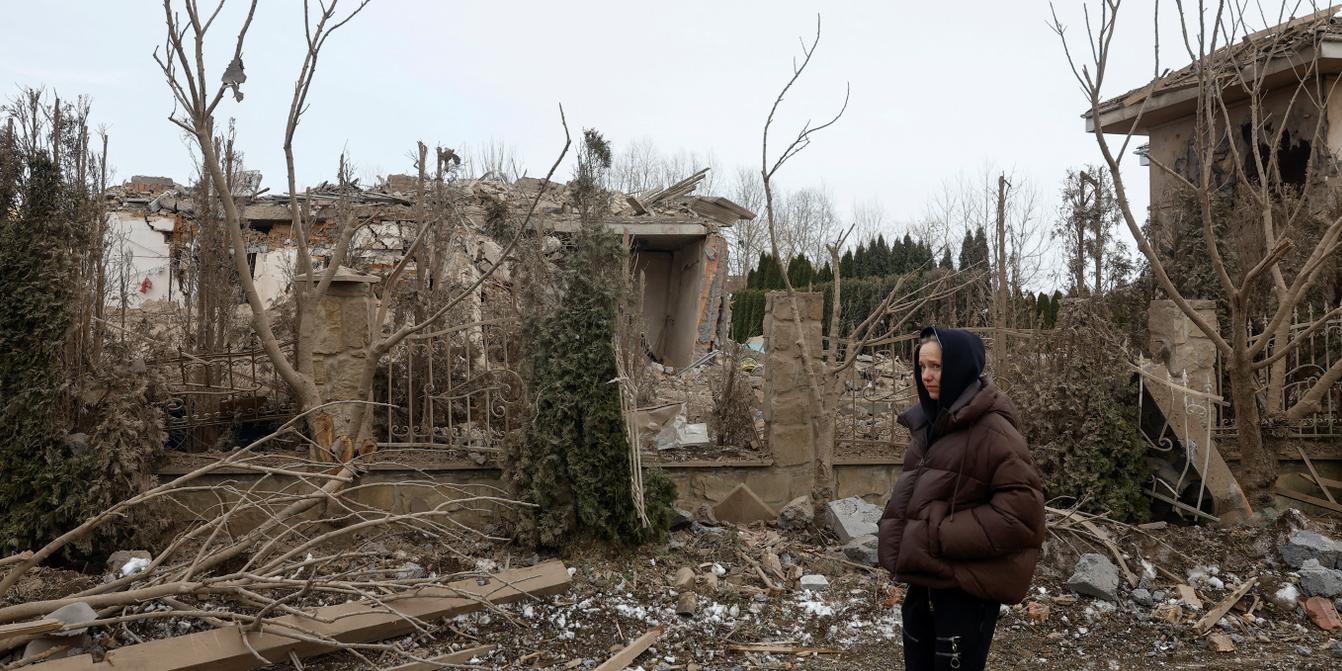
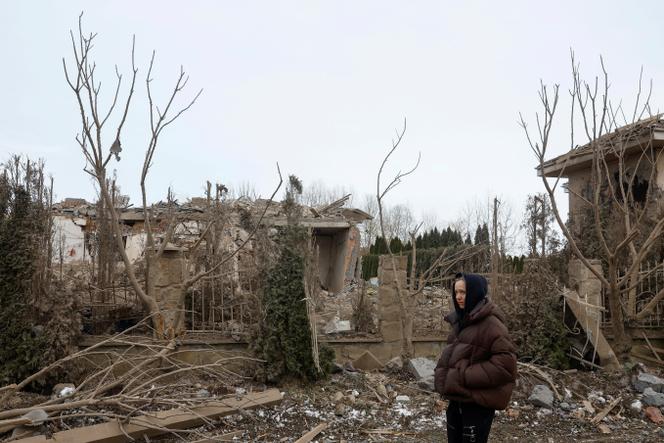
Four‑Year Conflict Shows Gap Between Rhetoric and Action Western powers marked the war’s fourth anniversary on Feb 24 2026 by reiterating support for negotiations while still refusing to deploy ground troops, leaving Ukraine to shoulder the frontline burden; the strategy relies on prolonged indirect pressure rather than direct combat involvement [1]. Paris Summit Attempts Coordination but Yields Ambiguity diplomatic summit convened in Paris on Feb 24 aimed to synchronize aid among Kyiv’s allies, yet the meeting concluded without clear strategic direction, reflecting indecision within the Western camp [1]. Strategic Viewpoints Frame War as Prolonged Drain IFRI security director Elie Tenenbaum described the conflict as a “cynical race” that consumes both sides, while Moscow portrays the war as a slow‑acting poison designed to sap Western democracies through massive defense expenditures [1]. Sanctions and Recruitment Shortages Remain Core Western Levers Europe continues to rely on economic sanctions and Russia’s recruitment challenges as primary tools to weaken Moscow, maintaining hope for a non‑military resolution despite the absence of any shift toward direct military intervention [1].
Timeline
2025 – Russia controls roughly 20 % of Ukrainian territory, holding about 75 % of Donetsk and 99 % of Luhansk, and it intensifies attacks on cities and energy infrastructure, underscoring Kyiv’s demand for firm external guarantees [1].
Jan 6, 2026 – Prime Minister Sir Keir Starmer and President Emmanuel Macron sign a declaration of intent for the UK and France to deploy troops on Ukrainian soil if a peace agreement is reached, outlining “military hubs” and the possibility of thousands of soldiers to deter future Russian aggression [2].
Jan 6, 2026 – The 15th and largest “Coalition of the Willing” meeting in Paris brings together 27 European states, Canada, EU and NATO officials, who report major progress on a multilayered security‑guarantee package that includes U.S.‑led ceasefire monitoring and long‑term equipment and training support for Ukraine [5].
Jan 6, 2026 – President Volodymyr Zelensky says a peace deal is “about 90 % ready” but stresses that unresolved territorial questions—especially the fate of the Donbas and Zaporizhzhia nuclear plant—will determine the final outcome [2][5].
Jan 7, 2026 – At the Paris talks, allies outline post‑ceasefire security guarantees; Zelensky states he has not yet received a clear, unambiguous pledge to defend Ukraine, while France promises “several thousand” troops and Britain vows to establish military hubs, and U.S. envoy Steve Witkoff says the United States “strongly stands behind” the guarantees [4].
Jan 7, 2026 – The UK and France sign a separate intent to deploy forces if a peace deal is struck; Starmer announces the creation of protected facilities across Ukraine, and Macron warns that thousands of troops may be sent, marking a concrete step toward multinational deterrence [1].
Jan 8, 2026 – Russia’s foreign ministry declares that any deployment of Western military units in Ukraine will be treated as a “legitimate military target,” rejecting the Western peacekeeper plan and framing it as a direct threat to Russian security [3].
Jan 8, 2026 – Russian spokeswoman Maria Zakharova labels the Paris coalition an “axis of war,” reinforcing Moscow’s red line against NATO‑style forces on Ukrainian territory [3].
Jan 8, 2026 – U.S. envoy Steve Witkoff and Jared Kushner publicly endorse the Paris security outcome, with Witkoff stating the United States “strongly stands behind” the guarantees and Kushner calling the meeting a “milestone” for Ukraine’s future safety [3].
Jan 8, 2026 – Zelensky reiterates that the peace deal is “90 % done” while negotiations remain deadlocked over control of the eastern Donbas and the Zaporizhzhia nuclear plant, highlighting why the proposed Western troop deployment remains contentious [3].
Feb 23, 2026 – On the war’s fourth anniversary, Western powers continue a strategy of attrition rather than committing ground troops; Elie Tenenbaum describes the conflict as a “cynical race” of burning, and Russia views the prolonged war as a “slow‑acting poison” eroding Western democracies, while a Paris summit scheduled for Feb 24 seeks to coordinate allies amid lingering uncertainty [6].
Feb 24, 2026 – The Paris summit convenes to align aid, discuss the implementation of security guarantees, and consider possible multinational deployments, but the outcome remains ambiguous as key issues such as troop size, parliamentary approvals, and ceasefire monitoring are still unresolved [6].
All related articles (6 articles)
-
Le Monde: Western Allies Drag Their Feet in Ukraine War as Fourth Anniversary Highlights Stalemate
-
Newsweek: Russia rejects plan for Western peacekeepers in Ukraine, calls coalition an 'axis of war'
-
BBC: Zelensky says allies have not given clear, legally binding security pledge after Paris talks
-
AP: Allies outline post-ceasefire security guarantees for Ukraine at Paris talks
-
AP: Ukraine’s allies in Paris agree major progress on multilayered security guarantees to deter Russia
-
BBC: UK and France agree to deploy troops in Ukraine if peace deal is struck