South Korean Military Strips Coup Leaders’ Images Following New Display Rules
Updated (2 articles)
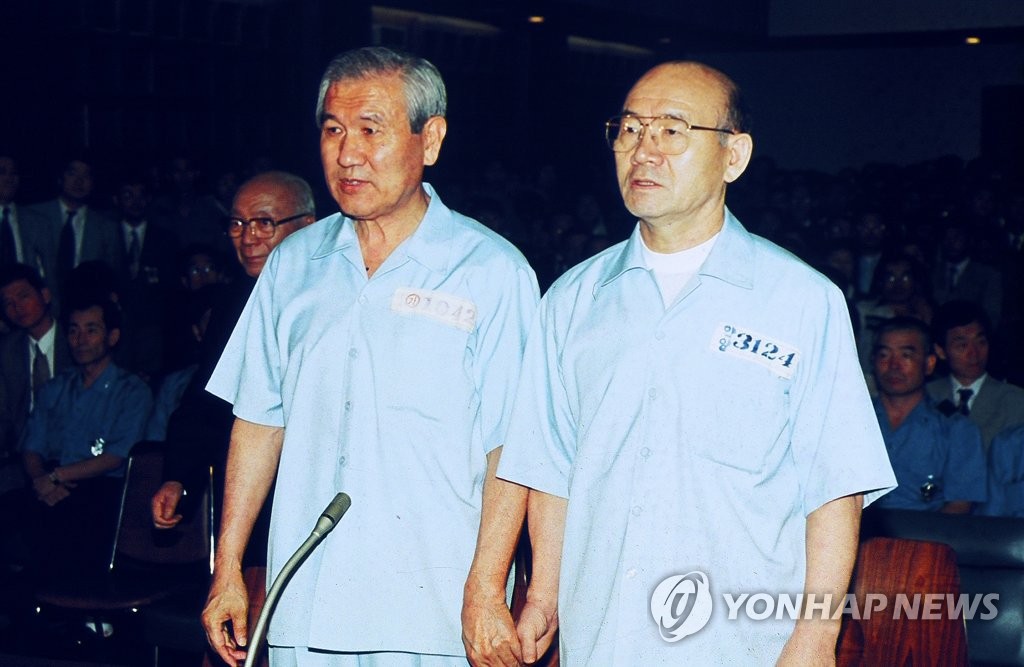
Defense Ministry Orders Immediate Removal of Coup Leaders’ Photos The Defense Ministry issued a revised directive on 3 February 2026 ordering that all images of former presidents Chun Doo‑hwan and Roh Tae‑woo be taken down from every military unit, with effect immediately [1][2]. The move targets visual depictions of the two leaders who orchestrated the 1979 coup and the 1980 Gwangju crackdown. Officials framed the action as preventing the glorification of figures convicted of insurrection.
New Guideline Expands Ban to All Convicted Commanders The same directive broadens the prohibition to any commander sentenced for insurrection or corruption, limiting displays to only a rank, name and period of service [1][2]. The policy shift follows former President Yoon Suk‑yeol’s failed attempt to impose martial law in late 2024, which sparked public backlash against honoring controversial military figures. The ministry plans to amend the rule within the first half of the year to cement these restrictions.
Defense Counterintelligence Command Leads Early Compliance The Defense Counterintelligence Command, the unit where Chun and Roh once served, promptly removed all former commanders’ photographs and will now exhibit only those explicitly approved by the ministry [1][2]. This early action demonstrates the command’s alignment with the new guideline and sets a precedent for other branches. The unit’s compliance underscores the ministry’s intent to enforce the policy uniformly across the armed forces.
Pending Photo Removals Tied to Ongoing Trials and Historical Context Images of senior officers such as former Defense Minister Kim Yong‑hyun and former Counterintelligence Commander Yeo In‑hyung, both facing charges linked to Yoon’s martial‑law bid, will be taken down once their legal proceedings conclude [1][2]. An archival file from 26 August 1996 showing Chun and Roh at a Seoul court hearing provides historical context for the removals. The ministry’s approach balances current legal considerations with acknowledgment of past events.
Sources
-
1.
Yonhap: Military removes photos of ex‑presidents Chun Doo‑hwan and Roh Tae‑woo: Details the immediate removal of the ex‑presidents’ images, the narrowed historic‑record exception to rank, name and term, and pending deletions of officials on trial .
-
2.
Yonhap: South Korea to Remove Photos of Coup Leaders from Military Displays: Highlights the expanded ban on commanders convicted of insurrection or corruption, the shift from prior archival allowances, and early compliance by the Defense Counterintelligence Command .
Timeline
1979 – Chun Doo‑hwan and Roh Tae‑woo lead the December 12 military coup that topples the civilian government, establishing a period of authoritarian rule that later fuels demands for democratic reform [1][2].
May 1980 – The coup’s aftermath triggers the Gwangju democratic uprising, which is violently suppressed and becomes a symbol of resistance against military dictatorship [1][2].
Aug 26 1996 – An archival photo shows Chun and Roh attending a Seoul court hearing on their involvement in the 1979 coup and the Gwangju crackdown, underscoring the long‑standing legal reckoning with their actions [1][2].
Late 2024 – Former President Yoon Suk‑yeol attempts to impose martial law during a political crisis; the bid fails and leads to criminal charges against senior military officials for insurrection‑related offenses [1][2].
Jan 2026 – The Defense Ministry issues a revised directive that “prohibits displaying pictures of commanders convicted of insurrection or corruption” and limits displays to “only a commander’s rank, name and period of service” [1][2].
Feb 3 2026 – The ministry orders the immediate removal of all photos of ex‑presidents Chun Doo‑hwan and Roh Tae‑woo from military sites; the Defense Counterintelligence Command has already stripped its walls of former commanders’ images and will exhibit only ministry‑approved items [1][2].
First half of 2026 (planned) – The ministry will amend the historic‑record exception so that archival displays can show only rank, name and term, eliminating visual depictions of controversial figures [1][2].
After ongoing trials (future) – Images of senior officers such as former Defense Minister Kim Yong‑hyun and former Counterintelligence Commander Yeo In‑hyung, who face charges tied to Yoon’s martial‑law attempt, will be taken down once their legal proceedings conclude [1][2].