Russian Drone Strikes Kill Miners, Hit Maternity Hospital as Cold‑Snap Pause Ends
Updated (7 articles)
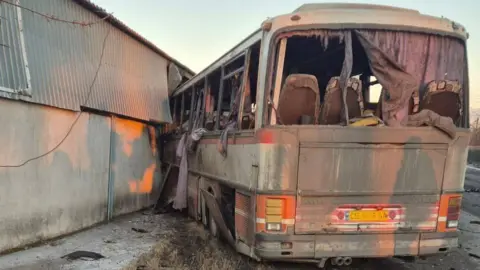

Drone Attack on Miners Bus Results in Twelve Deaths On Sunday, 1 February, a Russian drone struck a bus transporting DTEK coal‑mine workers in Ternivka, Dnipropetrovsk region, killing 12 and injuring at least eight, with some reports of up to 15 injured [1][2]. DTEK confirmed the bus was carrying staff from its mine and revised the death toll from an earlier estimate of 15 [1][2]. Ukrainian Energy Minister Denys Shmyhal called the strike “cynical and deliberate,” while President Volodymyr Zelensky labeled it a “demonstrative crime” [2].
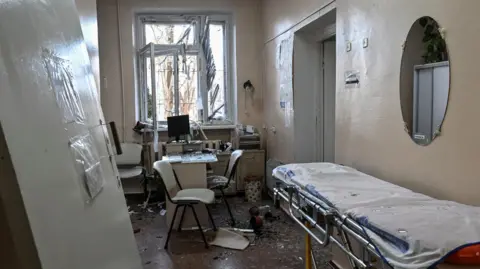
Maternity Hospital Strike Injures Women in Labor A separate Russian drone hit Maternity Hospital No. 3 on Bocharova Street in Zaporizhzhia the same day, wounding six people, including women giving birth [1][2]. Prime Minister Yulia Svyrydenko reported that medical staff and patients were sheltering, and regional head Ivan Fedorov described the attack as proof of a war aimed at civilians [1][2]. Ukrainian Foreign Minister Andriy Sybiha echoed the view, saying the strike demonstrated Putin’s intent to target non‑combatants [1].
Russia Claims Cold‑Snap Pause on Civilian Targets Expired Moscow announced a temporary pause on attacks against population centres and energy infrastructure during an extreme cold snap, framing it as a goodwill gesture for Abu Dhabi peace talks [1]. The Kremlin later declared the pause would end on Sunday, 2 February, allowing renewed strikes on civilian targets [1]. This expiration coincided with the miner and hospital attacks, raising questions about the pause’s sincerity.
Ukrainian Cooperation with SpaceX Limits Starlink Use by Russian Drones Kyiv worked with Elon Musk’s SpaceX to disable unverified Starlink terminals on Russian long‑range drones, a step Ukraine says has reduced the drones’ effectiveness [1][2]. Musk confirmed the measures appeared successful, and Defence Minister Mykhailo Fedorov thanked him as “a true friend of the Ukrainian people” [1]. Both outlets note that Ukraine continues to restrict Starlink access to authorized terminals only [2].
Trilateral Peace Talks Rescheduled to Mid‑Week President Zelensky moved the next round of Ukraine‑Russia‑US negotiations from the planned Sunday to Wednesday and Thursday, 4‑5 February, in Abu Dhabi [1]. The talks will focus on Ukraine’s potential ceding of territory and the status of the Zaporizhzhia nuclear plant [1]. The shift follows the expiration of the cold‑snap pause and the recent attacks, underscoring heightened diplomatic urgency.
Sources
-
1.
BBC: Russian Drone Strikes Kill Miners, Hit Maternity Hospital Amid Cold‑Snap Pause: Details the miner bus killing, hospital strike, Russia’s announced pause and its end, Starlink blocking cooperation, and the mid‑week shift of trilateral peace talks .
-
2.
CNN: Russian Drone Strike Kills 12 Miners in Dnipropetrovsk Region: Focuses on the miner casualties, Shahed drone tactics, officials’ condemnation, simultaneous hospital attack, Starlink usage limits, and upcoming February peace negotiations .
Related Tickers
Timeline
Dec 31, 2025 – Ukraine launches coordinated drone attacks on Moscow, western Russia and Crimea, injuring one civilian near Moscow; Russia reports 27 drones downed, including 21 over the Moscow region, and dismisses Kyiv’s claim of targeting President Putin’s residence as “baseless”[7].
Dec 31, 2025 (just before midnight) – Three Ukrainian UAVs strike a café and hotel in Khorly, Kherson, killing at least 24 civilians and wounding more than 50 as New Year celebrations unfold; Russia’s defence ministry says its air‑defences intercept 168 Ukrainian drones across multiple regions that night[6][3].
Jan 1, 2026 – Russian‑installed officials in occupied Kherson repeat the claim of 24 dead in Khorly and label the attack a war crime, while also alleging Ukraine attempted a drone strike on President Putin’s residence, a charge Kyiv denies[3][5].
Jan 1, 2026 – Russia conducts a massive wave of drone and missile strikes on Ukraine’s power grid, cutting heating and electricity for millions during a forecasted cold snap with temperatures below ‑20 °C, underscoring the strategic targeting of civilian infrastructure[1].
Jan 2, 2026 – President Volodymyr Zelensky says in a New Year address that “90 % of the peace deal is ready, but the remaining 10 % will decide the outcome,” highlighting lingering territorial disputes as the final hurdle to a settlement[5].
Jan 4, 2026 – Ukrainian drones kill two civilians in Belgorod and one in Kursk border regions, while three are wounded in Kharkiv; Zelensky announces that Ukraine has shared all peace‑proposal documents with 18 foreign security advisers and prepares for a forthcoming trip to Paris, signalling a diplomatic push toward a settlement[4].
Feb 1, 2026 – A Russian Shahed drone hits a DTEK bus carrying miners in Pavlohrad district, killing 12 and injuring eight; Energy Minister Denys Shmyhal calls the strike “cynical and deliberate,” and President Zelensky condemns it as a “demonstrative crime” against energy‑sector workers[2].
Feb 1, 2026 – A separate Russian drone strike hits Maternity Hospital No. 3 in Zaporizhzhia while women are in labour, injuring six; regional head Ivan Fedorov calls it “proof of a war directed against life,” and Foreign Minister Andriy Sybiha says it shows Putin is waging war against civilians[1].
Feb 1‑2, 2026 – Ukraine cooperates with SpaceX to block unauthorised Starlink terminals on Russian drones; Elon Musk reports the steps are effective, and Defence Minister Mykhailo Fedorov thanks him as “a true friend of the Ukrainian people”[1][2].
Feb 1‑2, 2026 – Moscow announces a temporary pause on attacks against civilian population centres and energy infrastructure during the extreme cold snap, framing it as a confidence‑building measure for upcoming peace talks; the pause is set to expire on Sunday, prompting President Zelensky to shift the next trilateral Ukraine‑Russia‑US negotiations to Wednesday and Thursday instead of the originally planned Sunday[1].
Feb 4‑5, 2026 (planned) – The United States, Ukraine and Russia are scheduled to hold a three‑way peace summit in Abu Dhabi, with the talks expected to focus on Ukraine’s ceding of territory and the status of the Zaporizhzhia nuclear plant[2].
All related articles (7 articles)
-
BBC: Russian drone strikes kill miners, hit maternity hospital amid cold‑snap pause
-
CNN: Russian Drone Strike Kills 12 Miners in Dnipropetrovsk Region
-
AP: Drone strikes kill two in Russian border regions ahead of Paris peace talks
-
AP: Ukrainian drone strike kills 24 in Khorly as tensions rise amid peace talks
-
Newsweek: Kherson drone attack kills 24 as Russia calls it war crime
-
The Hindu: Ukrainian drone strike kills 24 in Kherson during New Year celebrations
-
The Hindu: Ukraine drones target Moscow as Russia says 27 drones downed, one civilian injured