Anthropic Rejects Pentagon’s Unrestricted AI Demand, Faces $200 Million Contract Threat
Updated (8 articles)
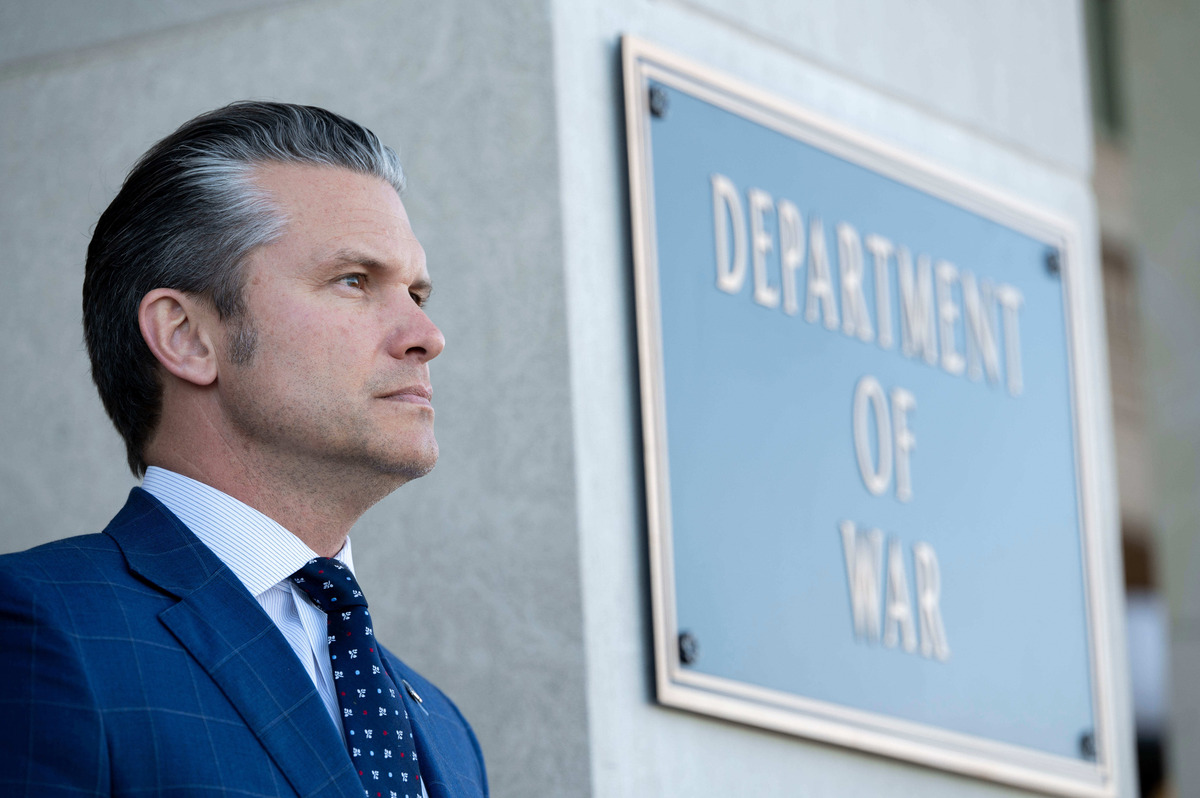
Pentagon ultimatum ties $200 million contract to unrestricted Claude use. On Feb 27 2026, Defense Secretary Pete Hegseth gave Anthropic until 5 p.m. GMT to drop all guardrails on its Claude model, warning that failure would trigger contract cancellation, a “supply‑chain‑risk” label, and possible invocation of the Cold‑War‑era Defense Production Act [1][2][3][4][5][7]. The $200 million multi‑year deal, signed in July 2025, is the Pentagon’s flagship AI partnership and the only commercial model cleared for classified operations [7][8].
Anthropic stands firm on ethical limits despite contract pressure. CEO Dario Amodei publicly refused the “any lawful use” clause, saying Anthropic cannot in good conscience permit mass domestic surveillance or fully autonomous weapons, which the firm deems incompatible with democratic values [1][2][3][4][5]. In a blog post Amodei argued AI is “existentially important” for defending democracies but must be bounded to avoid undermining those same values [1][2]. The company will continue to bar the disputed use cases and has offered a separate R&D collaboration to improve AI reliability for weapons, though the Pentagon has not accepted [3].
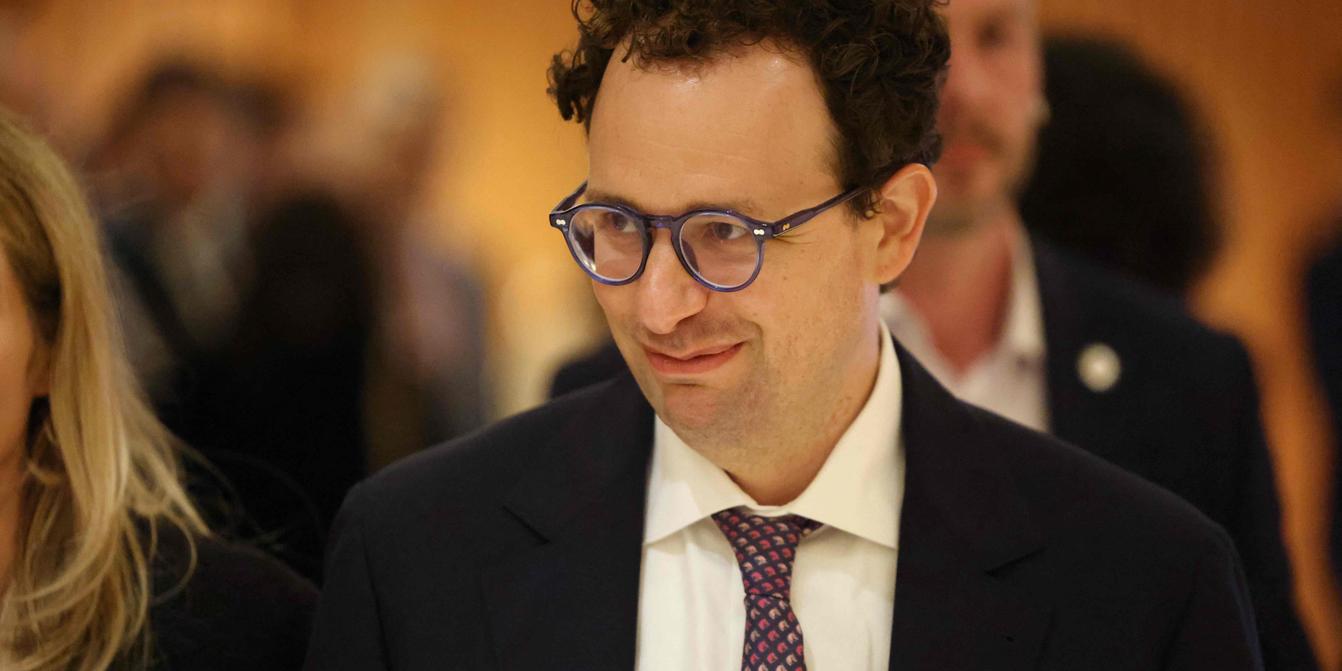
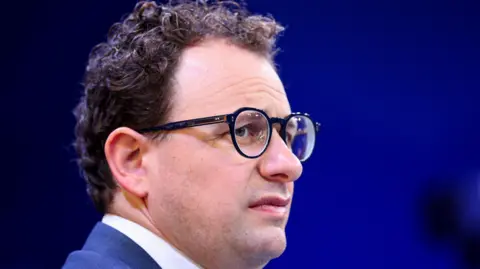
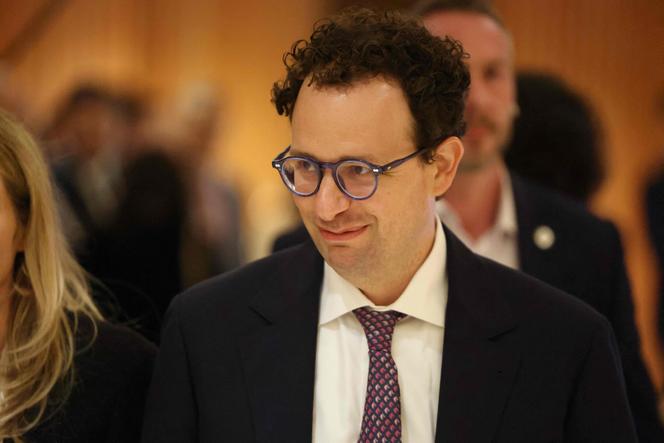
Government officials and lawmakers trade accusations over the standoff. Undersecretary Emil Michael attacked Amodei on X, calling him a liar with a “God‑complex,” while Pentagon spokesperson Sean Parnell denied any intent to use AI for illegal surveillance or autonomous weapons [3][4]. Republican Sen. Thom Tillis labeled the Pentagon’s tactics “unprofessional,” and Democrat Sen. Mark Warner called the approach “bullying,” urging Congress to enact binding AI‑governance rules [4].
Claude’s operational track record fuels both sides of the dispute. Claude was the sole AI system used in the Jan 3, 2026 raid that captured Venezuelan President Nicolás Maduro, demonstrating its classified‑mission capability [7][8]. Anthropic markets Claude to regulated enterprises such as banks and manufacturers, emphasizing safety‑focused differentiation, while the DoD seeks broader battlefield integration [8].
Internal policy shift creates a subtle inconsistency in reporting. A CNN report on Feb 26 noted Anthropic had recently “loosened core safety policy” to stay competitive, yet subsequent articles from Le Monde, BBC, AP and The Hindu stress the firm’s refusal to remove the key safeguards [6][1][2][3][4][5]. This discrepancy highlights the tension between the company’s market pressures and its public ethical stance.
Sources
-
1.
CNN: Anthropic Rejects Pentagon’s $200 Million Contract Revision Over AI Safeguard Dispute: Details Hegseth’s ultimatum, Amodei’s blog defense, and Undersecretary Michael’s X attack, emphasizing the contract‑threat dynamic .
-
2.
Le Monde: Anthropic Rejects Pentagon Ultimatum, Keeps AI Restrictions: Highlights the Feb 26 refusal, deadline specifics, and continued bans on surveillance and autonomous weapons .
-
3.
BBC: Anthropic Refuses Pentagon’s “Any Lawful Use” Demand: Reports Amodei’s stance, DPA threat, and the company’s claim that revised language offers “virtually no progress” on safeguards .
-
4.
AP: Anthropic CEO Rejects Pentagon’s Unrestricted AI Use Demand: Adds Pentagon denial of illicit uses, senators’ criticism, and Anthropic’s possible shift to another provider .
-
5.
The Hindu (Feb 27): Anthropic Refuses Pentagon’s Demand for Unrestricted AI Use: Provides deadline time, DPA enforcement threat, and context of the $200 million contract .
-
8.
The Hindu (Feb 21): Anthropic’s Claude Caught Between Pentagon Demands and Enterprise Promise: Describes Claude’s role in the Maduro raid and Anthropic’s dual market strategy .
-
6.
CNN (Feb 26): Anthropic Faces Pentagon Ultimatum and Safety Policy Shift: Notes internal safety‑policy loosening as a competitive move, contrasting with later refusals .
-
7.
Newsweek: Pentagon Pressures Anthropic Over AI Access as Military Expands Battlefield Use: Explains supply‑chain‑risk label, DPA threat, and broader DoD AI integration across platforms .
Related Tickers
Timeline
2023 – OpenAI’s board turmoil, where founder Sam Altman is fired then rehired, illustrates how rapid AI growth can clash with safety oversight and prompts structural reforms, a pattern echoed in Anthropic’s current dispute [2].
July 2025 – Anthropic signs a $200 million contract with the U.S. Department of Defense, positioning Claude as the sole AI cleared for classified military operations and marking the firm as a frontline national‑security supplier [7][4].
2025 (mid‑year) – The Pentagon expands AI across intelligence, logistics, cyber‑defence and autonomous platforms, accelerating a global arms race that now includes artificial intelligence [4].
2025 (late) – Elon Musk’s Grok model receives clearance for classified use, intensifying pressure on Anthropic to relax its safety safeguards to remain competitive [6].
Jan 3, 2026 – U.S. forces use Anthropic’s Claude in the covert raid that abducts Venezuelan President Nicolás Maduro, demonstrating the model’s operational role in high‑stakes intelligence missions [7].
Feb 24, 2026 – Defense Secretary Pete Hegseth delivers an ultimatum to CEO Dario Amodei, demanding “unrestricted lawful use” of Claude and warning that refusal will trigger a supply‑chain‑risk label and possible Defense Production Act action [3].
Feb 26, 2026 – Amodei publicly rejects the demand, stating the company “cannot in good conscience accede” and that AI must not be used for mass domestic surveillance or fully autonomous weapons, underscoring Anthropic’s democratic‑values stance [5][8].
Feb 26, 2026 – Undersecretary Emil Michael attacks Amodei on X, calling him a “liar” with a “God‑complex” and accusing him of endangering national safety [1][3].
Feb 26, 2026 – The Pentagon threatens to cancel the $200 million deal and label Anthropic a “supply‑chain risk,” signaling it could invoke the Cold‑War‑era Defense Production Act if the firm does not comply [3][4][5].
Feb 26, 2026 – Pentagon spokesperson Sean Parnell asserts the military “has no interest in using AI to conduct mass surveillance of Americans (which is illegal) nor do we want to use AI to develop autonomous weapons that operate without human involvement” [5].
Feb 26, 2026 – Senators Thom Tillis (R) calls the dispute “unprofessional,” while Mark Warner (D) brands the Pentagon’s tactics “bullying” and urges Congress to enact binding AI‑governance rules [5].
Feb 27, 2026 (5:01 p.m. GMT) – With the deadline passed, the Pentagon reiterates its threat to invoke the Defense Production Act and cut Anthropic from the defense supply chain, a move that could cripple the firm’s government business [6][4].
Feb 27, 2026 – Anthropic announces it will pursue a “smooth transition to another provider” if the Pentagon’s demands persist, signaling a potential shift away from U.S. defense contracts [5].
2026 onward (future) – Lawmakers, led by Sen. Warner, push for congressional AI‑governance legislation to prevent similar disputes and ensure ethical safeguards in future defense AI deployments [5].
External resources (3 links)
- https://x.com/DarioAmodei (cited 1 times)
- https://x.com/DeptofWar (cited 1 times)
- http://www.apple.com/customer-letter/ (cited 1 times)