Iran Claims General Agreement With United States on Nuclear Talks, Opening Drafting Phase
Updated (22 articles)
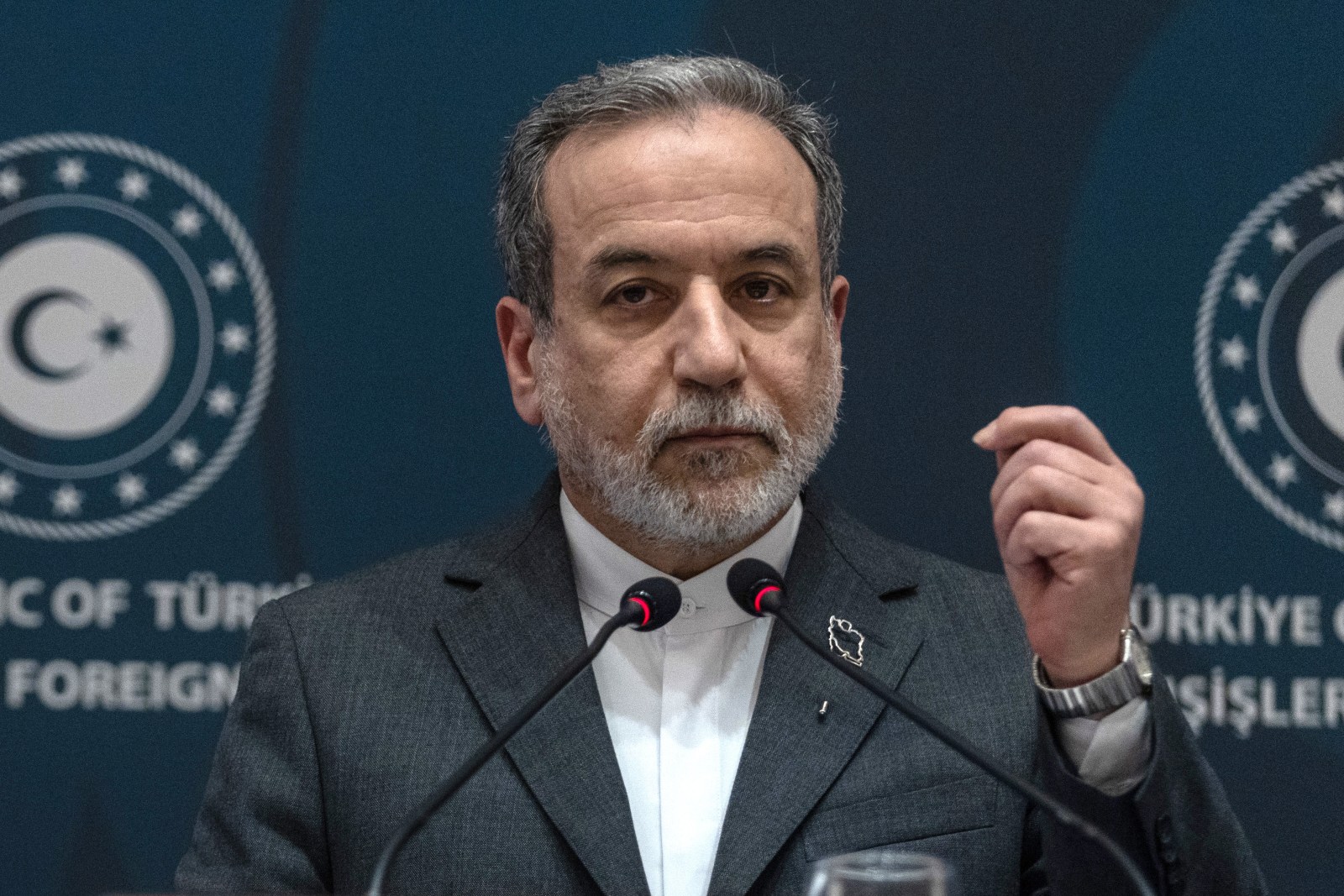
Iran Announces General Agreement in Geneva Iran’s foreign minister Abbas Araghchi declared on Feb 17 that Tehran and Washington reached a “general agreement” that will allow drafting a possible nuclear deal text, marking the first public acknowledgment of such progress [1].
Second Round Initiated After June Conflict The Geneva meeting is the second round following the June 12‑day war and nationwide protest crackdown, with Omani mediation bringing Araghchi and U.S. envoy Witkoff together for face‑to‑face talks [1][2].
U.S. Deploys Carrier Strike Groups to Persian Gulf President Trump ordered an aircraft carrier and additional warships into the Gulf, warning of a strike if Iran responded to protest‑related killings, and referenced a March 5, 2025 letter to Supreme Leader Khamenei [1][2].
Iran Refuses Missile and Regional Ally Concessions Tehran maintains a firm red line, refusing any negotiation on its ballistic‑missile program or the “Axis of Resistance” network, while Supreme Leader Ali Khamenei condemned the presence of U.S. warships as dangerous [1].
Iran Halts Enrichment; IAEA Access Still Denied After the June attacks, Iran announced a stop to uranium enrichment, yet the IAEA remains barred from inspected sites; the agency estimates a stockpile of roughly 9,870 kg, with some material enriched to 60 % [2].
U.S. Intelligence Finds No Active Weapons Program Yet U.S. agencies assess that Iran has not yet begun a nuclear weapons program, though they warn of near‑term capability, a view contested by Israel, which calls for a complete end to the program and missile support [2].
Sources
-
1.
Newsweek: Iran Says “General Agreement” Reached With U.S. on Nuclear Talks: reports Araghchi’s claim of a general agreement, details of U.S. naval buildup, Iran’s missile red line, Khamenei’s warning, and contextual background on the JCPOA and Trump’s stance .
-
2.
AP: Iran, U.S. Consider Second Nuclear Talks Amid Post‑War Tensions: outlines the prospect of new negotiations after the June war, Trump’s naval pressure and 2025 letter, Oman’s mediation, Iran’s enrichment halt, IAEA access denial, stockpile figures, and intelligence assessments .
Timeline
Dec 12, 2025 – President Donald Trump warns that the United States “will attack any new Iranian nuclear facility” if Tehran restarts its program without a deal, citing the June 2025 strikes that crippled Iran’s enrichment sites [18].
Dec 30, 2025 – Iranian President Masoud Pezeshkian posts that “cruel aggression will be met with a harsh and discouraging response,” directly replying to Trump’s nuclear‑threat rhetoric [21].
Dec 30, 2025 – Iran’s leadership vows an “unprecedented” retaliation to any U.S. strike, with former security council secretary Ali Shamkhani saying a limited attack would be “an illusion” [17].
Dec 31, 2025 – The IRGC advances a chemical/biological warhead program for ballistic missiles, prompting Trump to say the U.S. “could back Israeli strikes” if Tehran rebuilds its long‑range missiles [16].
Jan 13, 2026 – Trump hints at “very strong options” against Iran after the protest crackdown; Iran’s parliamentary speaker Mohammad Bagher Qalibaf declares U.S. bases “legitimate targets” if attacked, while President Pezeshkian promises a “harsh and discouraging” response [15].
Jan 15, 2026 – Analysts note the U.S. weapons stockpile is depleted yet still powerful; Trump orders assets to be ready for a strike, underscoring elevated readiness amid the protests [14].
Jan 28, 2026 – Foreign Minister Abbas Araghchi tells reporters that “no request for negotiations exists on our side,” rejecting U.S. pressure to start talks [13].
Jan 28, 2026 – Trump asserts that Iran “is ready for a deal” and moves an “armada” of warships into the region to pressure Tehran [13].
Jan 28, 2026 – U.S. Air Forces Central Command launches multi‑day drills to demonstrate rapid‑deployment capability; Trump posts “Time is running out” on Truth Social, demanding a “fair and equitable” nuclear deal [9].
Jan 29, 2026 – Trump warns “time is running out” for a nuclear agreement, threatens a “massive Armada,” and says the next strike would be “far worse” than the 2025 attacks [3].
Jan 29, 2026 – Iran’s foreign ministry says its forces have “fingers on the trigger” and can “immediately and powerfully respond” to any aggression [12].
Jan 29, 2026 – Trump weighs a new major strike after stalled talks, posts an ultimatum on Truth Social demanding “no nuclear weapons” and warning of a “far worse” attack [8].
Jan 30, 2026 – Foreign Minister Araghchi says Tehran will join “fair and just” nuclear talks but will not accept any imposed terms or discuss its missile program [7].
Jan 30, 2026 – Trump urges Iran to sign a deal, warning that “very big, very powerful ships” are sailing toward Iran and that Tehran must stop killing protesters [7].
Jan 30, 2026 – President Pezeshkian announces Iran is “ready for US talks if a threat‑free environment exists,” and media report a possible Istanbul meeting on Friday with U.S. envoy Steve Witkoff and regional ministers [1].
Jan 31, 2026 – Analysts say Trump’s options narrow to precise strikes on IRGC leaders or a broader bombardment, noting the U.S. now fields a single carrier group after earlier two‑group deployment [6].
Feb 2, 2026 – Turkey works to convene U.S. envoy Steve Witkoff and senior Iranian officials by week’s end, while the USS Abraham Lincoln carrier and destroyers sit in the Middle East as a show of force [20].
Feb 2, 2026 – President Pezeshkian orders the start of nuclear negotiations with the United States; the U.S. threatens military action and moves a carrier group toward West Asia amid the crackdown [22].
Feb 3, 2026 – Iran directs Foreign Minister Araghchi to open U.S. negotiations, ending a long‑standing refusal; Trump posts a “massive Armada” message, warning “time is running out” [11].
Feb 3, 2026 – Iran signals readiness for U.S. talks only in a “threat‑free” setting, with potential Istanbul talks slated for Friday and regional ministers invited [1].
Feb 5, 2026 – Trump tells NBC that Iran’s supreme leader should be “very worried” ahead of Muscat talks; Iran showcases the Khorramshahr‑4 missile with a 1,240‑mile range [5].
Feb 6, 2026 – Trump faces “tough choices” as U.S.–Iran talks are slated to start Friday in Oman, focusing on nuclear, missile, and terrorist‑sponsorship issues [4].
Feb 11, 2026 – Iran and the United States consider a second round of nuclear talks after the June 2025 12‑day war and protest crackdown; Oman mediates face‑to‑face meetings, and the IAEA reports a remaining stockpile of ~9,870 kg of uranium [19].
Feb 17, 2026 – Iran announces a “general agreement” with the United States on nuclear negotiations, opening a path to a deal that excludes any discussion of its ballistic‑missile program [10].
Dive deeper (21 sub-stories)
-
Newsweek: Iran Says “General Agreement” Reached With U.S. on Nuclear Talks
-
AP: Iran, U.S. Consider Second Nuclear Talks Amid Post‑War Tensions
-
CNN: Trump Faces Tough Choices Over Iran Amid Low Approval
-
CNN: Trump warns Iran’s supreme leader of “very worried” stance ahead of Muscat talks
-
BBC: Iran Signals Readiness for US Negotiations Amid Heightened Regional Tensions
-
Newsweek: Trump’s Nuclear Pressure Prompts Iran to Seek Talks
-
AP: Turkey Pushes for US‑Iran Talks Amid Rising Tensions
-
The Hindu: Iranian President Orders Nuclear Talks Amid U.S. Military Threats
-
CNN: Trump’s Iran Options Remain Limited Amid Naval Buildup and Regime Weakness
-
CNN: Iran Signals Openness to US Nuclear Talks While Rejecting Dictation and Missile Negotiations
-
BBC: Trump Claims Iran Wants Nuclear Deal as U.S. Buildup Continues
-
CNN: Trump Considers Major New Strike on Iran Amid Stalled Nuclear Talks
-
Newsweek: Iran Threatens Unprecedented Retaliation After Trump Revives Strike Threat
-
BBC: Trump warns Iran “time is running out” as US forces surge in Gulf
-
CNN: US Air Drills Intensify as Trump Threatens Iran Over Protest Crackdown
-
Newsweek: Iran Says It Has Not Requested Negotiations After Trump Claims Deal Is Possible
-
Newsweek: US weapons stockpile examined amid potential war with Iran
-
Newsweek: Iran's military assessed against US as Tehran vows retaliation amid Trump threats
-
Newsweek: Iran developing chemical and biological warheads for long-range missiles, report says
-
Iran President Vows Harsh Retaliation After Trump Threat, Protests Intensify
(2 articles)
-
Newsweek: Trump Threatens to Strike Iran if It Re‑starts Nuclear Program Without Deal
All related articles (22 articles)
-
Newsweek: Iran Says “General Agreement” Reached With U.S. on Nuclear Talks
-
AP: Iran, U.S. Consider Second Nuclear Talks Amid Post‑War Tensions
-
CNN: Trump Faces Tough Choices Over Iran Amid Low Approval
-
CNN: Trump warns Iran’s supreme leader of “very worried” stance ahead of Muscat talks
-
BBC: Iran Signals Readiness for US Negotiations Amid Heightened Regional Tensions
-
Newsweek: Trump’s Nuclear Pressure Prompts Iran to Seek Talks
-
AP: Turkey Pushes for US‑Iran Talks Amid Rising Tensions
-
The Hindu: Iranian President Orders Nuclear Talks Amid U.S. Military Threats
-
CNN: Trump’s Iran Options Remain Limited Amid Naval Buildup and Regime Weakness
-
CNN: Iran Signals Openness to US Nuclear Talks While Rejecting Dictation and Missile Negotiations
-
BBC: Trump Claims Iran Wants Nuclear Deal as U.S. Buildup Continues
-
CNN: Trump Considers Major New Strike on Iran Amid Stalled Nuclear Talks
-
Newsweek: Iran Threatens Unprecedented Retaliation After Trump Revives Strike Threat
-
BBC: Trump warns Iran “time is running out” as US forces surge in Gulf
-
CNN: US Air Drills Intensify as Trump Threatens Iran Over Protest Crackdown
-
Newsweek: Iran Says It Has Not Requested Negotiations After Trump Claims Deal Is Possible
-
Newsweek: US weapons stockpile examined amid potential war with Iran
-
Newsweek: Iran's military assessed against US as Tehran vows retaliation amid Trump threats
-
Newsweek: Iran developing chemical and biological warheads for long-range missiles, report says
-
Newsweek: Iran warns of harsh response to any attack after Trump threat
-
AP: Iranian president pledges harsh response to aggression in apparent rebuke to Trump warning
-
Newsweek: Trump Threatens to Strike Iran if It Re‑starts Nuclear Program Without Deal
External resources (5 links)
- https://x.com/alishamkhani_ir/status/2016582565390655585?s=20 (cited 1 times)
- https://x.com/drpezeshkian/status/2018551558959710505?s=20 (cited 1 times)
- https://outrider.org/ (cited 1 times)
- https://www.carnegie.org/ (cited 1 times)