Scientists Announce Inland Sahara Spinosaurus Subspecies and Chinese Dinosaur With Dermal Spikes
Updated (2 articles)
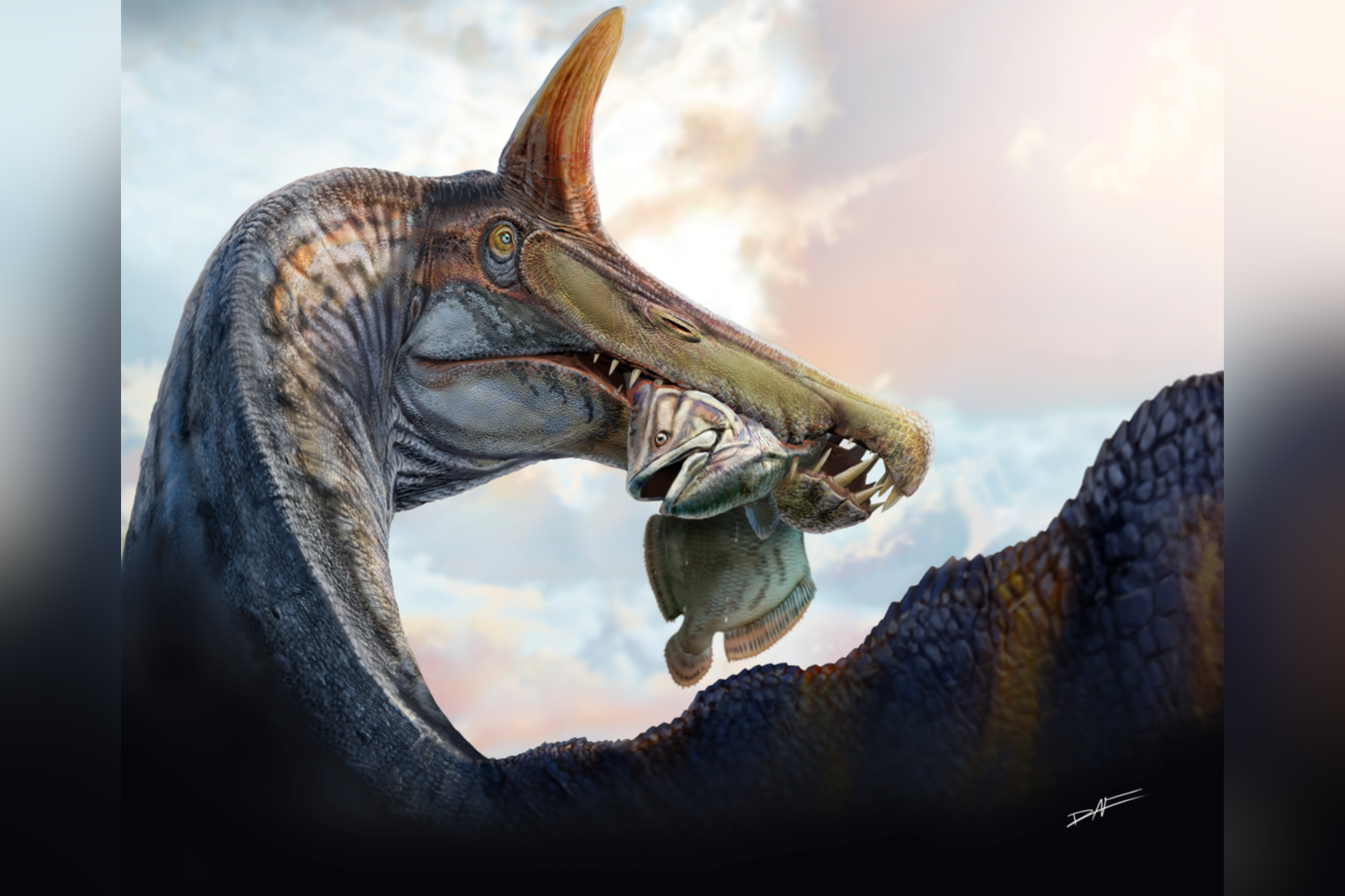
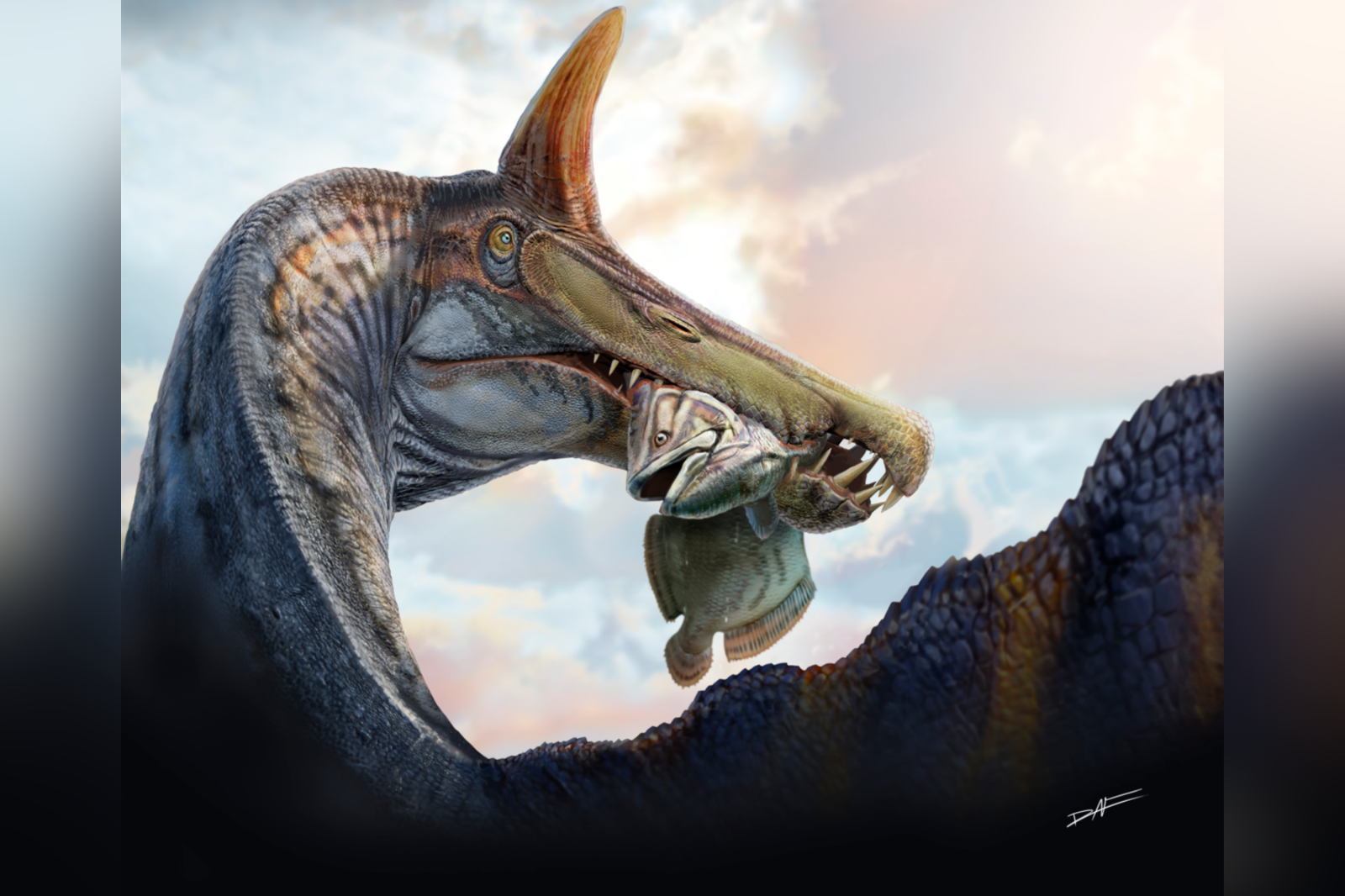
Spinosaurus mirabilis Identified in Niger’s Inland Sahara A team led by Paul Sereno re‑examined fossils first spotted in 2019 and confirmed a new sub‑species, Spinosaurus mirabilis, from a site in Niger roughly 600 miles from the Cretaceous shoreline [1]. The discovery emerged from a 2022 field effort that expanded the original find with a 20‑person crew. The team used solar‑powered laptops to generate 3D digital bone models in the desert, enabling rapid assembly of the skull.
Crest Measures Twelve Inches and Likely Keratin‑Sheathed The species’ name “mirabilis” references its striking 12‑inch scimitar‑shaped crest, which researchers infer was covered in keratin and possibly brightly colored [1]. High‑resolution scans reveal the crest’s curvature and attachment points, suggesting it functioned as a visual display structure. The crest’s size distinguishes the taxon from other spinosaurids known from coastal deposits.
Anatomy Points to Shallow‑Water Hunting Strategy Interlocking rows of conical teeth indicate a fish‑eating diet, while robust hind limbs imply the animal could wade in up to two meters of water and stalk prey in shallow traps [1]. The skeletal morphology contradicts earlier hypotheses of a fully aquatic lifestyle for spinosaurids. Findings were published on the cover of Science and a replica skull will appear at Chicago Children’s Museum’s Dinosaur Expedition exhibit.
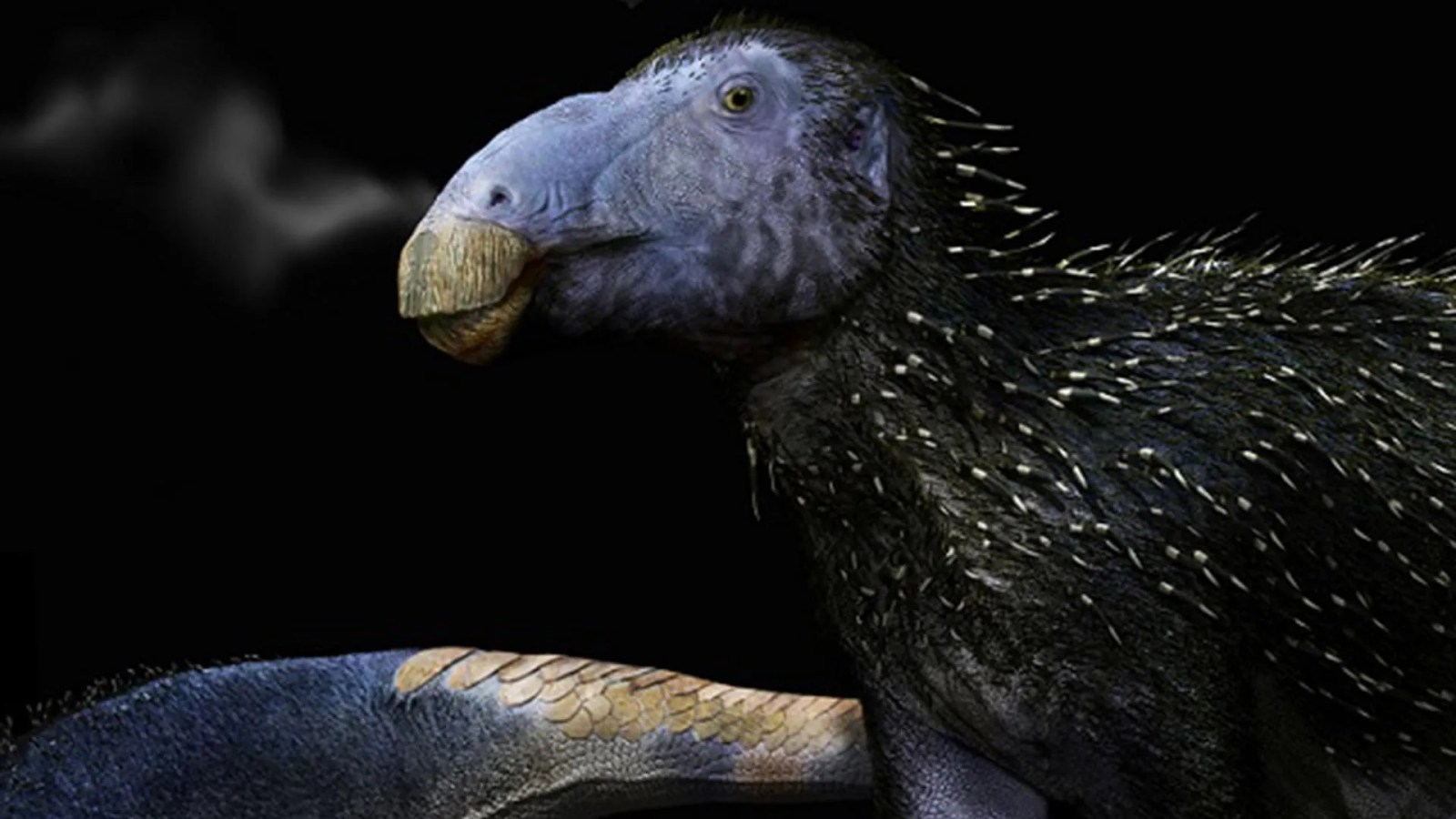
Juvenile Iguanodontian From Liaoning Shows Dermal Spikes Fossils uncovered near Xiawujiazi, Liaoning Province, China, belong to a new species, Haolong dongi, a juvenile dated to about 125 million years ago in the Early Cretaceous [2]. Exceptional preservation allowed researchers to image individual cells and confirm the specimen’s age. X‑ray and ultrathin‑section microscopy demonstrated that the hollow spikes originated from the skin rather than bone, marking the first documented case of dermal spikes in an iguanodontian.
Spikes May Serve Defense, Thermoregulation, or Sensory Functions The research team, honoring paleontologist Dong Zhiming in the species name, proposes the spikes could deter predators, increase surface area for heat exchange, or act as sensory organs [2]. Because only a juvenile has been found, scientists stress the need for additional specimens to determine whether adults retained the spikes. The study highlights a previously unknown avenue of integument evolution among herbivorous dinosaurs.
Sources
-
1.
Newsweek:New Scimitar‑Crested Spinosaurus Species Unearthed Far From Ancient Coastline: details the Sahara discovery, solar‑powered 3D modeling, and upcoming Chicago exhibit, emphasizing the crest’s size and shallow‑water hunting inference .
-
2.
Newsweek:New Juvenile Iguanodontian Dinosaur Shows Unprecedented Skin Spikes: reports the Liaoning juvenile with cutaneous spikes, cellular preservation, and hypotheses about defensive or thermoregulatory roles, noting the need for more adult specimens .
Timeline
2019 – Fossil fragments of a large spinosaurid are first spotted at an overlooked Sahara site in Niger, later recognized as belonging to a new taxon [1].
2022 – Paul Sereno’s 20‑person team re‑examines the 2019 material, uses solar‑powered 3D modeling to reconstruct the skull, and identifies a distinct sub‑species, Spinosaurus mirabilis; its interlocking teeth and sturdy legs indicate shallow‑water fish hunting and the ability to wade in up to two meters of water [1].
Early Cretaceous (~125 Ma) – A juvenile iguanodontian lives in what is now Liaoning Province, China, bearing hollow, porcupine‑like skin spikes that later become fossilized [2].
2025 (approx.) – Paleontologists uncover the exceptionally preserved juvenile specimen Haolong dongi near Xiawujiazi, confirming its age at ~125 Ma and revealing cutaneous spikes through X‑ray scanning and ultrathin‑section microscopy [2].
Feb 19, 2026 – Researchers publish the description of Haolong dongi, name it after Dong Zhiming, and propose the spikes served defensive, thermoregulatory, or sensory roles while urging discovery of adult specimens to clarify spike persistence [2].
Feb 20, 2026 – The Spinosaurus mirabilis study appears on the cover of Science; a replica skull is scheduled for the Dinosaur Expedition exhibit at the Chicago Children’s Museum later in 2026 [1].
Feb 20, 2026 – Paul Sereno says the moment the digital skull assembled “was so sudden and amazing, it was really emotional for our team,” highlighting the discovery’s emotional impact [1].
Late 2026 (planned) – The replica Spinosaurus mirabilis skull opens to the public at the Chicago Children’s Museum, showcasing the 12‑inch scimitar‑shaped crest and the new species to visitors [1].
External resources (2 links)
- https://doi.org/10.1038/s41559-025-02960-9 (cited 1 times)
- https://doi.org/10.1126/science.adx5486 (cited 1 times)