Faith Leaders Rally in Springfield as Haitian TPS Deadline Approaches, Sparking ICE Concerns
Updated (3 articles)

TPS termination set for Feb. 3, 2026 removes legal status for Haitian nationals The Department of Homeland Security announced that Temporary Protected Status for Haitians ends on Feb. 3, 2026, stripping roughly 350,000 holders of work authorization and lawful residence nationwide[2]. Federal officials framed the move as a lawful policy decision, while a U.S. District Court is reviewing a petition that could pause the deadline[3]. No stay has been granted yet, leaving Haitian communities across the country in legal limbo[1].
Springfield’s Haitian population estimated at 12,000‑15,000, vital to local economy Local leaders count between twelve and fifteen thousand Haitian residents in Springfield, Ohio, many of whom fill essential roles in manufacturing, services, and caregiving[1][3]. State officials, including Gov. Mike DeWine, warned that revoking TPS could harm the city’s labor market and tax base[3]. Community advocates highlighted the group’s contributions, arguing that the termination would create a public‑policy mistake for the region[3].
Elder‑care sector faces acute staffing shortage as Haitian TPS workers lose status Haitian TPS holders comprise a sizable share of certified nursing assistants and aides in long‑term and home‑care settings, sectors already short about 350,000 workers nationwide[2]. The termination forced Laurel Ridge Rehabilitation to dismiss 13 Haitian staff, jeopardizing care for 115 residents and illustrating the difficulty of replacing experienced caregivers[2]. LeadingAge warned the loss will deepen a crisis that forces facilities to rely on costly agency staff or turn away patients[2].
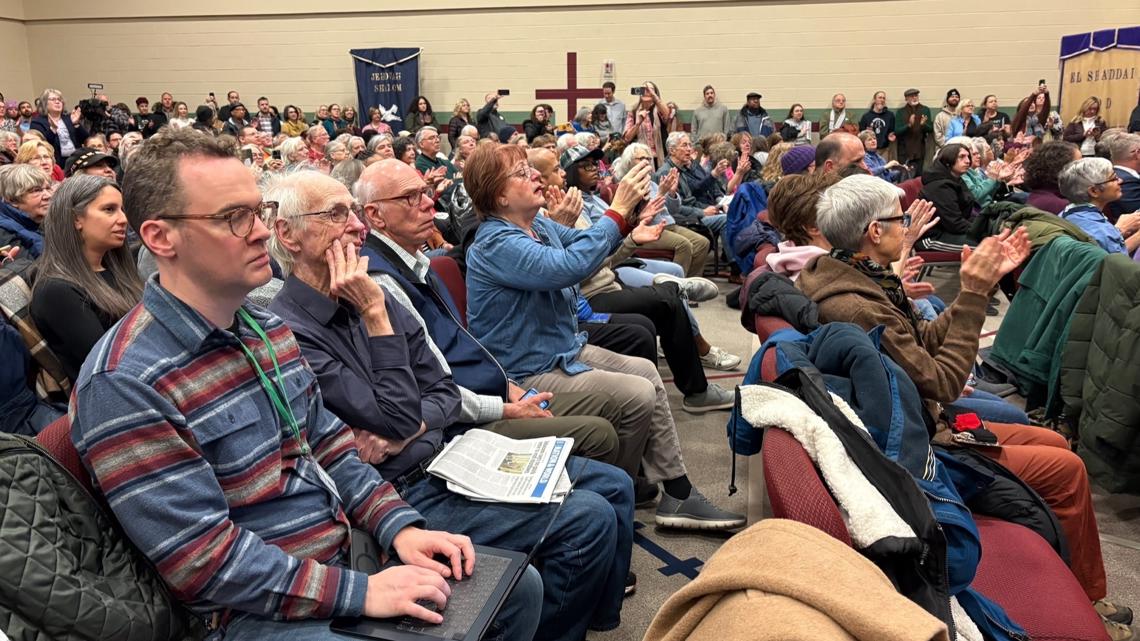
Faith leaders convene rally, warn of possible ICE raids, and demand TPS extension Hundreds packed St. John Missionary Baptist Church for a multi‑denominational rally on Feb. 2, prompting fire‑marshal intervention when capacity was exceeded[1]. Speakers, including Viles Dorsainvil of the Haitian Support Center, called for a humanitarian extension and urged the Biden administration to reconsider the policy[1]. While DHS declined to comment on future enforcement, local officials prepared for potential ICE activity, heightening community anxiety[1][3].
Sources
-
1.
WBNS: Faith leaders rally in Springfield as Haitian TPS deadline looms: Reports a crowded church rally, estimates of 12‑15 k Haitian residents, the Feb 3 TPS termination, and mixed statements from officials on ICE activity.
-
2.
CNN: Haitian TPS Termination Threatens U.S. Elder‑Care Workforce: Details the federal termination, its impact on 350,000 Haitian TPS holders, the dismissal of 13 caregivers at a Boston rehab center, and broader staffing shortages in elder‑care.
-
3.
WBNS: Haitian Community Braces for End of TPS and Possible ICE Action: Highlights the Feb 3 deadline, pending court review, fears of ICE raids, pastor‑led rights education, and criticism of the policy by Ohio officials.
Timeline
Jan 30, 2026 – Federal authorities announce that Temporary Protected Status for Haitian nationals will end on Feb 3, stripping roughly 350,000 holders of legal residence and work authorization, while a U.S. District Court judge reviews a petition to suspend the deadline[3].
Jan 30, 2026 – Ohio’s State Highway Patrol mobilizes to back local law‑enforcement agencies, warning that ICE could launch raids within 24‑48 hours after the TPS termination, though DHS declines comment[3].
Jan 30, 2026 – Pastor Dr. Carl Ruby of Central Christian Church trains Haitian families on their legal rights and helps them prepare power‑of‑attorney documents amid widespread fear of detention and deportation[3].
Jan 30, 2026 – Gov. Mike DeWine calls revoking Haitian TPS a “public‑policy mistake,” and Sen. Bernie Moreno warns the move will strain Ohio’s social‑safety‑net resources[3].
Feb 1, 2026 – The Department of Homeland Security officially terminates Haitian TPS effective Feb 3, defending the action as lawful and rejecting claims that TPS functions as de‑facto asylum[1].
Feb 1, 2026 – Colin O’Leary, executive director of Laurel Ridge Rehabilitation, dismisses 13 Haitian staff with TPS, telling them they are losing their jobs and warning that replacing certified nursing assistants will take years[1].
Feb 1, 2026 – Katie Smith Sloan, CEO of LeadingAge, says the curtailment “really creating problems for a sector that is already challenged from a workforce perspective”[1].
Feb 1, 2026 – DHS spokesperson Tricia McLaughlin calls the notion that seniors rely on “unvetted illegal aliens” “grossly false and lazy”[1].
Feb 2, 2026 – Hundreds pack St. John Missionary Baptist Church in Springfield for a faith‑led rally, exceeding the 700‑person capacity and prompting a fire‑marshal order to evacuate the sanctuary[2].
Feb 2, 2026 – Viles Dorsainvil, head of the Haitian Support Center, declares that forcing Haitians to return is “neither safe, human nor just,” urging the government to extend TPS[2].
Feb 2, 2026 – Kristi Noem asserts that TPS was “abused” under the Biden administration and was not used correctly, reminding listeners that affected individuals can still appeal or seek other immigration programs[2].
Feb 2, 2026 – A DHS spokesperson reiterates the agency cannot comment on any potential ICE operations in Ohio, leaving the Haitian community uncertain about future enforcement[2].
Feb 3, 2026 – Haitian TPS terminates nationwide, ending legal status and work authorization for roughly 350,000 Haitian TPS holders and triggering immediate staffing crises in elder‑care facilities across the United States[1][2].
Feb 3‑4, 2026 – Anticipated ICE enforcement actions may commence within 24‑48 hours of the TPS termination, as Ohio law‑enforcement agencies stand ready to respond to any raids[3].