Bomb Cyclone Dumps Foot‑Deep Snow, Over 100 Dead, Power Outages Persist
Updated (2 articles)
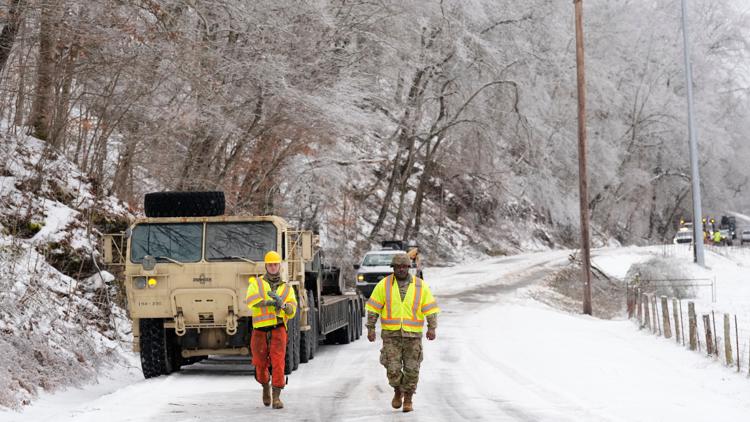
Massive snow and traffic chaos hit Charlotte and coastal Carolinas The bomb cyclone dropped about a foot (30 cm) of snow in Charlotte and up to eight inches (20 cm) in Myrtle Beach, prompting an hours‑long backup of semis on Interstate 85 and at least 750 collisions, though no fatalities were reported on the road [1][2]. State Highway Patrol confirmed the gridlock stretched for several miles, while local officials scrambled to clear streets with borrowed equipment. Residents such as teacher Cindy Symonds described the snowfall as a “complete aberration” for the region.
Record‑low temperatures spread from West Virginia to Florida Temperatures plunged to a historic minus 27 °F (‑33 °C) in West Virginia, triggering cold‑weather advisories for roughly 240 million people across the eastern United States [1][2]. Meteorologists warned that sub‑freezing air would reach as far south as Florida, prompting widespread alerts and urging the public to limit outdoor exposure. The bitter chill intensified the storm’s impact on vulnerable populations already coping with snow and power loss.
Power outages affect over 197,000 customers in Mississippi and Tennessee Following a prior ice storm, more than 197,000 customers lost electricity, with about 48,000 homes in the Nashville area still without power [1][2]. Utilities estimated that 90 % of the outages would be restored by Tuesday, though some customers could wait up to two weeks for full service. State and local agencies opened warming centers and deployed National Guard units to deliver supplies to those stranded.
Air travel and regional airports suffer extensive cancellations FlightAware data showed hundreds of flights delayed or canceled at Atlanta, Charlotte, and Raleigh airports as snow and ice hampered operations [1][2]. The disruptions compounded travel challenges for residents and visitors, while airlines worked to re‑schedule affected passengers. Airport officials coordinated with ground crews to clear runways, but lingering snow slowed recovery.
Death toll climbs above 100, many linked to cold exposure Authorities reported more than 100 fatalities from Texas to New Jersey, with roughly half occurring in Tennessee, Mississippi, and Louisiana [1][2]. Causes include hypothermia and suspected carbon‑monoxide poisoning from improper heating, though details on several deaths remain pending. Emergency responders continue to investigate and issue safety warnings to prevent further loss of life.
Sources
-
1.
WBNS: Snow‑laden Carolinas and widening power‑outage crisis: Details foot‑deep snow in Charlotte, 750 collisions, 197,000 outages, over 100 deaths, and local relief efforts, emphasizing the humanitarian response and regional impacts .
-
2.
King5: Snow‑Heavy Bomb Cyclone Slams Carolinas, Extends Frigid Outbreak Down East: Mirrors WBNS on snowfall and outages while highlighting coastal snow in Myrtle Beach, travel disruptions, and the North Carolina DOT road closure, focusing on the storm’s unusual southern reach .
Related Tickers
Timeline
Early Jan 2026 – A severe ice storm strikes Mississippi and Tennessee, knocking out electricity for more than 197,000 customers and prompting the deployment of National Guard crews and the opening of about 80 warming centers in Mississippi [1].
Jan 31, 2026 – A bomb cyclone slams the Carolinas, dumping a foot‑plus of snow in Charlotte and surrounding areas and triggering at least 750 traffic collisions on Interstate 85, creating an hours‑long backup of semis [1][2].
Jan 31, 2026 – Extreme cold spreads from West Virginia to Florida, with a record low of ‑27 °F (‑33 °C) in West Virginia; roughly 240 million people fall under cold‑weather advisories and winter‑storm warnings [1][2].
Jan 31, 2026 – Power outages linger for hundreds of thousands, especially about 48,000 homes in Nashville; the utility estimates 90 % of service will be restored by Tuesday (Feb 4) but some customers may wait up to two weeks [1][2].
Jan 31, 2026 – Snow and ice force hundreds of flight cancellations and delays at major southeastern airports, including Atlanta, Charlotte and Raleigh, compounding travel disruptions [1][2].
Jan 31, 2026 – Myrtle Beach records up to 8 inches (20 cm) of snow despite lacking its own snow‑removal equipment; Mayor Mark Kruea says the city is coordinating with county and state crews to clear roads [1].
Jan 31, 2026 – Local resident and teacher Cindy Symonds describes the snowfall as “a complete aberration” for the coastal South, highlighting the rarity of such an event [2].
Jan 31, 2026 – The death toll from the storm exceeds 100 across a corridor from Texas to New Jersey, with roughly half the fatalities in Tennessee, Mississippi and Louisiana and causes linked to hypothermia and suspected carbon‑monoxide poisoning [1][2].
Jan 31, 2026 – The North Carolina Department of Transportation closes a 13‑mile stretch of Outer Banks road due to dangerous ocean overwash and poor visibility caused by the storm [2].
Feb 4, 2026 (expected) – Utility crews aim to restore power to 90 % of affected Nashville customers, marking a major step toward full recovery from the ice‑storm outages [1].
External resources (1 links)
- https://poweroutage.us/ (cited 2 times)