California Teen Testifies That Instagram and YouTube Fueled Addiction in Landmark Trial
Updated (12 articles)

Plaintiff’s Early Platform Exposure and Usage Patterns Kaley G.M., a 20‑year‑old from Chico, California, began watching YouTube at age 6 and opened Instagram at age 9, later spending “all day long” on both services, creating multiple accounts, buying likes, and relying on appearance‑altering filters; she said push notifications gave her a “rush” that led to bathroom checks at school and an inability to set limits [1][2][3][4][5].
Testimony Links Constant Use to Severe Mental‑Health Issues She described chronic anxiety, depression, body‑dysmorphia, and self‑harm beginning at age 10, with recurring suicidal thoughts and ongoing therapy since age 13; former therapist Victoria Burke testified that her mood “could make or break” based on online activity [1][4][5].
Bellwether Trial’s Potential Nationwide Impact and Defendant Defenses The Los Angeles federal case is designated a bellwether trial that could shape thousands of similar lawsuits; Meta and Google‑owned YouTube remain defendants after TikTok and Snap settled, while Meta argues Kaley’s challenges pre‑dated social‑media use and she never received a clinical addiction diagnosis [2][3][4][5][6].
Global Regulatory Momentum and Expert Commentary on Digital Addiction The lawsuit arrives amid a worldwide push to restrict teen platform access, exemplified by Australia’s ban on users under 16 and other nations considering limits; experts highlighted on The Hindu podcast how platform design creates neural addiction pathways in adolescents [1][6].
Sources
-
1.
The Hindu: California Plaintiff Testifies Social‑Media Addiction Harmed Her Mental Health: details Kaley’s childhood YouTube/Instagram use, mental‑health harms, and Meta/Google defenses, emphasizing global regulatory trends .
-
2.
WBNS: Young Woman Testifies About Lifelong Social‑Media Use in Landmark Addiction Trial: focuses on Kaley’s testimony, bellwether status, and expert linking platform features to mood volatility .
-
3.
King5: Young Woman Testifies on Lifelong Social Media Use in Landmark Addiction Trial: mirrors WBNS coverage, adds description of self‑likes, bought likes, and mother’s abuse narrative .
-
4.
AP: Young Woman Testifies on Social Media Addiction in Los Angeles Trial: highlights mental‑health impact, Meta’s pre‑existing‑issues defense, and potential precedent for thousands of suits .
-
5.
BBC: Woman sues Meta and Google, claims Instagram and YouTube addiction: provides overview of lawsuit’s scope, trial timeline, and Kaley’s description of nonstop platform use and resulting health issues .
-
6.
The Hindu: Landmark US Trial Targets Meta and YouTube Over Youth Social Media Addiction: previews the trial’s broader context, expert podcast on addiction pathways, and international legislative responses .
Related Tickers
Videos (1)
Timeline
2015 – Internal Meta documents estimate more than 4 million Instagram users are under 13, representing roughly 30 % of U.S. 10‑12‑year‑olds, and reveal that the platform lacks robust age‑verification mechanisms[3].
2018 – Meta rolls out Instagram’s daily‑limit tool and launches Messenger Kids, but internal data later show only about 1.1 % of teen users adopt the limit feature[2].
2019 – Executives exchange emails that discuss “tween” retention strategies, criticize unenforced age limits, and set informal goals to increase time spent on Instagram, indicating early awareness of under‑13 usage[2].
Dec 2019 – Instagram begins requiring new users to enter a birthdate at sign‑up, a policy that later expands to existing accounts in August 2021, meaning early adopters like Kaley join without age checks[3].
Aug 2021 – Instagram extends birth‑date verification to legacy accounts, yet internal estimates still show millions of under‑13 users remain active[3].
2022 – Internal targets project average daily Instagram use to rise from 40 minutes in 2023 to 46 minutes in 2026, reflecting a “stretch goal” to outpace TikTok[3].
2024 – Parents gather outside the Los Angeles courthouse during a related hearing, recalling Zuckerberg’s congressional apology for Instagram’s impact on teen mental health and urging stronger safeguards[3].
2025 – Kaley’s deposition contains statements that later appear inconsistent with her trial testimony, which Meta’s lawyers cite to question the addiction diagnosis[6].
Early 2026 – TikTok and Snap settle similar youth‑addiction lawsuits with undisclosed terms, clearing the way for a focused bellwether trial against Meta and YouTube[2].
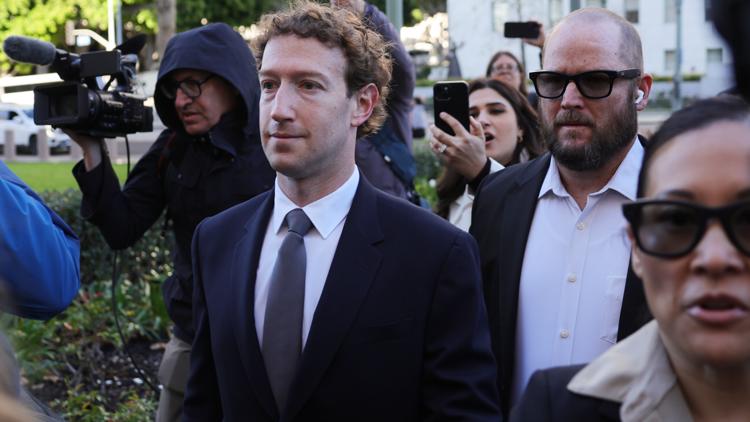
Feb 18, 2026 – Mark Zuckerberg testifies before a Los Angeles jury, admits regret that age‑verification tools arrived late, and acknowledges internal awareness of 4 million under‑13 users in 2015[10].
Feb 19, 2026 – Zuckerberg gives more than five hours of testimony, denies a causal link between Instagram and mental‑health harm, and asserts that Meta has shifted from time‑spending goals to a “utility‑focused” product strategy[2][7].
Feb 21, 2026 – The landmark social‑media addiction trial officially opens in federal court, accusing Meta and YouTube of engineering addictive experiences for minors and joining dozens of parallel lawsuits nationwide[9].
Feb 26, 2026 – Kaley files a federal lawsuit in Los Angeles against Meta and Google, alleging that Instagram and YouTube dominated her childhood, caused anxiety, depression, body‑dysmorphia and self‑harm, and that the case could set a precedent for youth‑online liability[1].
Feb 26‑27, 2026 – Kaley testifies that she used YouTube from age 6 and Instagram from age 9, bought likes, relied on beauty filters, and experienced a “rush” from notifications, while her former therapist links her mood swings to platform use[6][8][11].
Late Mar 2026 – The trial is slated to conclude by mid‑ to late‑March, with the verdict expected to influence thousands of pending social‑media addiction suits across the United States[1][10].
Summer 2026 – Two additional Los Angeles bellwether trials are scheduled, each poised to further shape national jurisprudence on platform liability[5].
2024‑present – Australia bans users under 16 from major social platforms, and the UK, Denmark, France and Spain consider similar age‑restriction legislation, reflecting a global push to curb teen exposure to addictive design[2].
Ongoing – A separate New Mexico state case proceeds against Meta, alleging its algorithms facilitate sexual exploitation of minors, and its outcome may affect other state‑level actions[5].
Dive deeper (10 sub-stories)
-
The Hindu: California Plaintiff Testifies Social‑Media Addiction Harmed Her Mental Health
-
California Teen Testifies in Landmark Social‑Media Addiction Trial; Meta and YouTube Remain Defendants
(2 articles)
-
Kaley Testifies About Lifelong Social‑Media Use in Los Angeles Bellwether Trial
(2 articles)
-
The Hindu: Landmark US Trial Targets Meta and YouTube Over Youth Social Media Addiction
-
CNN: Zuckerberg Testifies on Instagram’s Impact on Youth Mental Health
-
BBC: Zuckerberg defends Meta in Los Angeles social‑media addiction trial
-
AP: Zuckerberg Testifies in Landmark Social‑Media Addiction Trial
-
CNN: Meta CEO Mark Zuckerberg Testifies on Instagram’s Impact on Children
-
The Hindu: Zuckerberg Testifies on Under‑Age Instagram Use in Landmark Trial
-
Newsweek: Mark Zuckerberg to Testify in Los Angeles Bellwether Social‑Media Trial
All related articles (12 articles)
-
The Hindu: California Plaintiff Testifies Social‑Media Addiction Harmed Her Mental Health
-
WBNS (Columbus, OH): Young Woman Testifies About Lifelong Social‑Media Use in Landmark Addiction Trial
-
King5 (Seattle, WA): Young Woman Testifies on Lifelong Social Media Use in Landmark Addiction Trial
-
AP: Young Woman Testifies on Social Media Addiction in Los Angeles Trial
-
BBC: Woman sues Meta and Google, claims Instagram and YouTube addiction
-
The Hindu: Landmark US Trial Targets Meta and YouTube Over Youth Social Media Addiction
-
CNN: Zuckerberg Testifies on Instagram’s Impact on Youth Mental Health
-
BBC: Zuckerberg defends Meta in Los Angeles social‑media addiction trial
-
AP: Zuckerberg Testifies in Landmark Social‑Media Addiction Trial
-
CNN: Meta CEO Mark Zuckerberg Testifies on Instagram’s Impact on Children
-
The Hindu: Zuckerberg Testifies on Under‑Age Instagram Use in Landmark Trial
-
Newsweek: Mark Zuckerberg to Testify in Los Angeles Bellwether Social‑Media Trial
External resources (1 links)
- https://www.youtube.com/watch?v=kz9crfdO5IM (cited 1 times)