French Prime Minister Sends 2026 Budget to Constitutional Council Over Wealth Tax Proposals
Updated (3 articles)
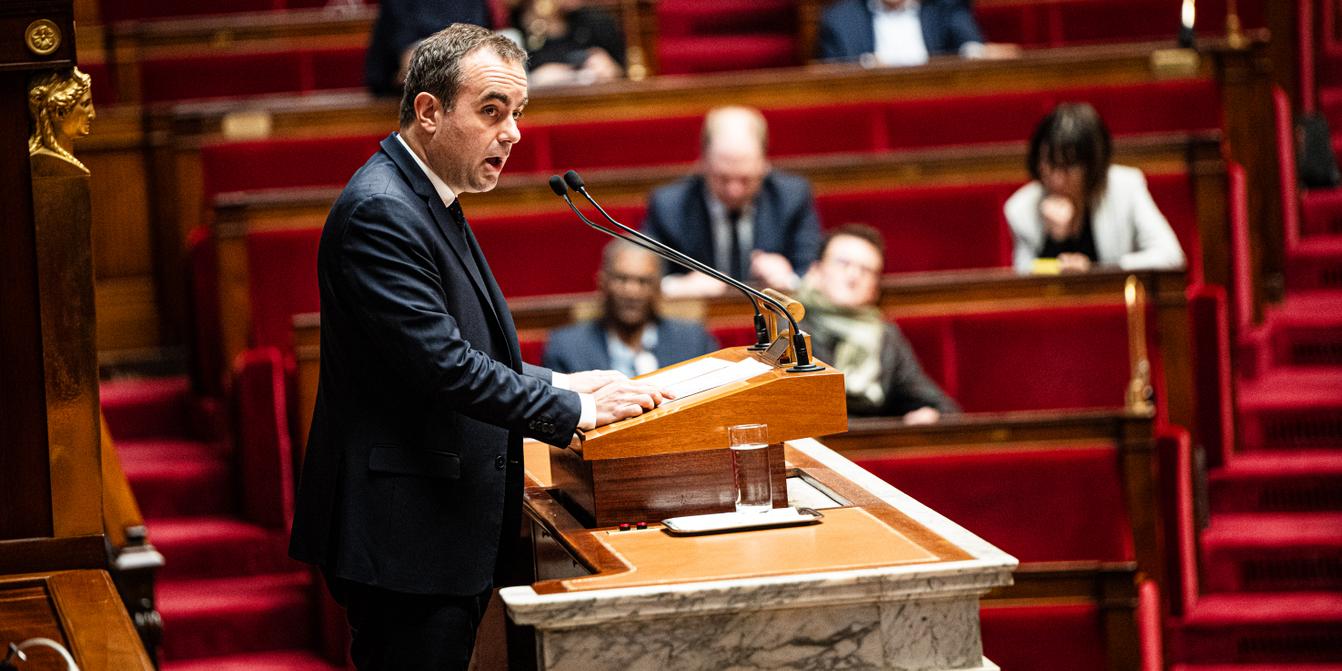
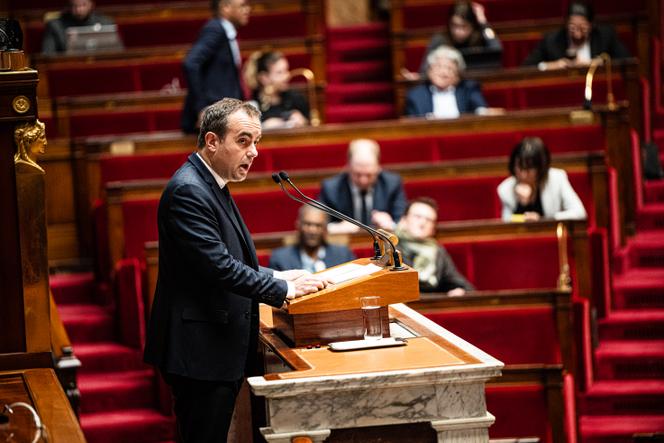
Constitutional Review Initiated After Budget Passage On 4 February 2026 Prime Minister Sébastien Lecornu submitted the 2026 budget draft to the Conseil constitutionnel, marking the first executive‑initiated referral in 49 years [1]. The budget had already been adopted on 2 February via article 49.3, bypassing a full parliamentary vote [1]. Lecornu’s filing targets the legal robustness of three specific provisions aimed at wealthy taxpayers [1].
Three Contested Measures Target Wealthy Tax Optimisation The review focuses on a proposed holdings tax, a tightening of the Dutreil pact, and a third unnamed article designed to curb tax optimisation by affluent families [1]. The holdings tax was originally expected to raise €1.1 billion, but the Senate stripped its substance, reducing projected revenue to zero while the underlying mechanism remains under scrutiny [1]. The Dutreil pact amendment seeks to limit the fiscal advantage families enjoy when transferring ownership of businesses, reflecting the government’s push against tax‑favoured loopholes [1].
Political Stakes Center on Budget Balance The three measures represent a significant shift toward taxing richer households, and their potential invalidation could destabilise the overall equilibrium of the 2026 budget [1]. Left‑wing parties and the MoDem coalition championed the provisions, while the executive’s challenge underscores the high political stakes surrounding fiscal reform [1]. Analysts note that any constitutional ruling may force the government to renegotiate large portions of the budget to preserve fiscal targets [1].
Historical Context Highlights Unprecedented Executive Action This is the first time in nearly half a century that a French prime minister has referred a budget to the constitutional court before enactment [1]. The move signals heightened concern over the legality of wealth‑tax measures and sets a new precedent for executive oversight of fiscal legislation [1]. Observers anticipate that the council’s decision will influence future budgetary strategies and the political calculus of tax policy [1].
Timeline
June 2024 – Snap parliamentary elections split France’s National Assembly into three roughly equal blocs (centre, left, far‑right), eliminating a clear governing majority and forcing future premiers to seek cross‑bloc coalitions [1].
September 2024 – President Emmanuel Macron appoints Sébastien Lecornu as his fourth prime minister, tasking him with steering the 2026 budget through both chambers amid the fragmented Assembly [1].
May 2025 – Germany’s two‑round federal election produces a coalition that backs Chancellor Friedrich Merz, setting the stage for his pension‑reform agenda [2].
July 2025 – The German government endures internal turbulence, highlighted by a high‑profile clash over a court nominee, underscoring the fragility of Merz’s coalition [2].
Dec 5 2025 – The Bundestag passes the pension‑reform package by a 318‑224 vote, locking the state‑pension level at 48 % of average wages until 2031 and preserving the reform despite 53 abstentions and 7 Union dissenters [2].
Dec 5 2025 – Eighteen young CDU lawmakers rebel against a post‑2031 pension increase they fear could cost up to €15 billion annually, arguing it would overburden younger generations [2].
Dec 5 2025 – The coalition announces a commission that will draft a broader pension‑reform proposal by mid‑2026 to address Germany’s ageing demographic [2].
Dec 9 2025 – The French National Assembly approves the 2026 social‑security budget by a 247‑234 margin, a win Lecornu frames as proof that a majority can be built across blocs [1].
Dec 9 2025 – To secure Socialist Party support, Lecornu promises to suspend the retirement‑age reform that would raise the age to 64 and pledges not to invoke article 49.3 to force the budget through [1].
Dec 9 2025 – Centre‑right figures such as Edouard Philippe criticize the bill for doing little to curb deficits, while Bruno Retailleau calls it a “fiscal hold‑up” that may prolong Macron’s tenure but worsen France’s outlook; left‑wing MP Mathilde Panot accuses the Socialists of betraying principles by voting for the budget [1].
Dec 9 2025 – Officials warn that if the main 2026 budget fails before year‑end, a special law will be required to keep state administration running from Jan 1 using 2025 allocations [1].
Feb 2 2026 – The French National Assembly adopts the full 2026 budget using article 49.3, overriding expectations that the budget saga ended with a regular vote and leaving four articles contestable [3].
Feb 4 2026 – Prime Minister Lecornu files an unprecedented constitutional‑council review of three budget provisions – a holdings‑tax measure, a tightened Dutreil pact, and another anti‑optimisation rule – marking the first executive referral in 49 years [3].
Feb 4 2026 – The Senate strips the proposed holdings‑tax provision of its substance, reducing its projected €1.1 billion revenue to zero, yet Lecornu argues the underlying mechanism still warrants constitutional scrutiny [3].