US Trial Begins Targeting Meta and YouTube Over Youth Social‑Media Addiction
Updated (7 articles)
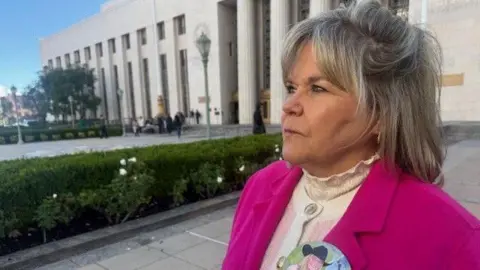
Trial Launches in Los Angeles Targeting Meta and YouTube The Los Angeles Superior Court opened a landmark case on Feb 21 2026 accusing Meta and Google‑owned YouTube of deliberately engineering addiction among young users [1]. Plaintiff Kaley G.M., now 20, alleges that she began using Instagram at age 9 and YouTube at 6, and that platform design contributed to her anxiety, depression and suicidal thoughts [1][6]. The lawsuit is one of several high‑profile actions linking social‑media use to teen mental‑health crises [1].
Internal Documents Reveal Under‑13 Users and Time‑Spend Goals 2015 internal memo disclosed more than 4 million Instagram accounts under age 13, representing roughly 30 % of U.S. tweens aged 10‑12 [2][6]. Separate emails showed a “stretch goal” to raise average daily usage from 40 minutes in 2023 to 46 minutes by 2026, and a “Time +10%” target for Instagram [2][3][6]. Zuckerberg acknowledged these past objectives but said Meta later abandoned time‑spending metrics in favor of utility‑focused product development [5][6].
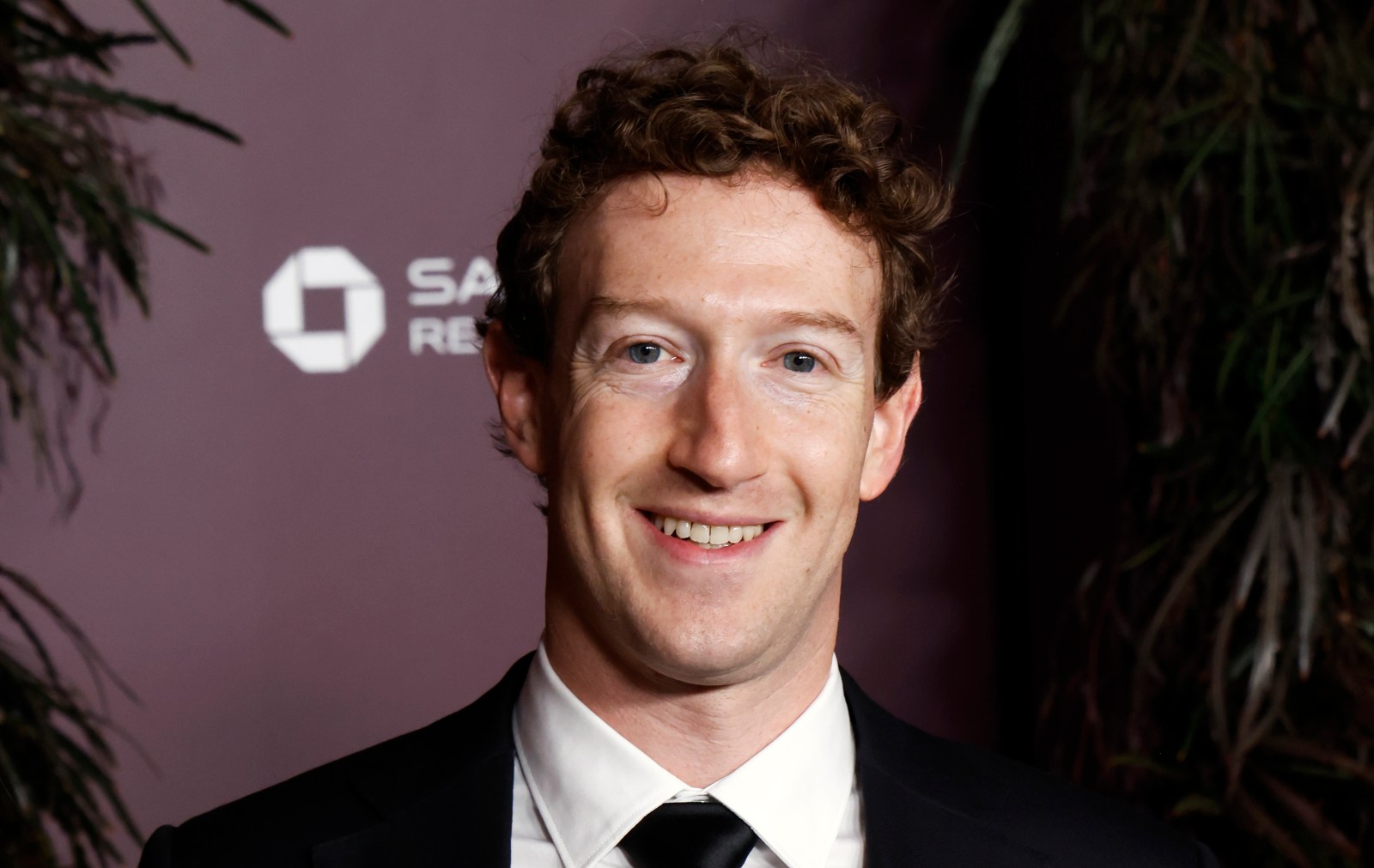
Zuckerberg Testifies, Denies Causal Link and Emphasizes Low Revenue Mark Zuckerberg appeared before the jury on Feb 19 2026, stating that scientific research has not proven a causal link between Instagram and mental‑health injury [4]. He argued teen users generate “less than 1 %” of Meta’s ad revenue and that the company’s addiction research was commissioned externally [3][4]. Zuckerberg also claimed new age‑verification tools now assess behavior rather than relying solely on birth‑date entry [6].
Plaintiff’s Claims Focus on Addiction Features and Mental‑Health Harm Kaley’s lawyer Mark Lanier presented a multi‑foot poster of her Instagram feed to illustrate compulsive scrolling, citing infinite‑scroll algorithms, recommendation engines and cosmetic “beauty” filters as drivers of anxiety and body‑dysmorphia [2][5][7]. Parents and child‑advocates gathered outside the courthouse, echoing earlier protests from 2024 congressional hearings [2][4]. The jury’s verdict, expected by late March, could influence hundreds of similar lawsuits nationwide [1][5].
Parallel Settlements and Global Regulatory Momentum TikTok and Snapchat settled comparable lawsuits shortly before the trial, though settlement terms remain confidential [3][7]. Meanwhile, Australia has banned under‑16 access, and the UK, Denmark, France and Spain are debating similar restrictions [3]. A separate New Mexico state case accusing Meta of facilitating sexual exploitation through its algorithms may further shape national legal standards [7].
Sources
-
1.
The Hindu: Landmark US Trial Targets Meta and YouTube Over Youth Social Media Addiction: reports trial start, defendants, plaintiff background, and podcast discussion of addiction pathways.
-
2.
CNN: Zuckerberg Testifies on Instagram’s Impact on Youth Mental Health: details Zuckerberg’s courtroom appearance, internal time‑spend targets, beauty‑filter concerns, and parental protests.
-
3.
BBC: Zuckerberg defends Meta in Los Angeles social‑media addiction trial: highlights Zuckerberg’s claim of mischaracterized internal emails, revenue share from minors, and reference to recent TikTok/Snapchat settlements.
-
4.
AP: Zuckerberg Testifies in Landmark Social‑Media Addiction Trial: notes Zuckerberg’s denial of causal link, acknowledgment of past goals, and exchange on age‑verification complexity.
-
5.
CNN: Meta CEO Mark Zuckerberg Testifies on Instagram’s Impact on Children: emphasizes five‑hour testimony, under‑13 user estimates, shift from time goals to utility focus, and Zuckerberg’s wealth pledge.
-
6.
The Hindu: Zuckerberg Testifies on Under‑Age Instagram Use in Landmark Trial: focuses on Zuckerberg’s regret over slow detection, new behavior‑based age tools, and lawyer Lanier’s enforcement questions.
-
7.
Newsweek: Mark Zuckerberg to Testify in Los Angeles Bellwether Social‑Media Trial: previews trial’s bellwether status, plaintiff’s claims, Meta’s defense, and parallel New Mexico case on sexual exploitation.
Related Tickers
Videos (1)
Timeline
2015 – Internal Meta memo estimates over 4 million Instagram users are under 13, about 30 % of U.S. 10‑12‑year‑olds, showing early awareness of extensive under‑age activity[2][7].
2015 – An internal email sets a “Time + 10%” goal for Instagram, indicating the company explicitly targets increased user time on the platform[3].
2018 – Meta launches Instagram’s daily‑limit feature, a tool meant to curb excessive use, though later data reveal only 1.1 % of teen users adopt it[1].
2019 – Executives discuss “tween” retention and criticize “unenforced” age limits in internal communications, highlighting a strategic focus on younger users[1].
Dec 2019 – Instagram begins requiring new users to enter a birthdate, marking the first formal age‑verification step for the platform[2].
Aug 2021 – Meta extends birth‑date verification to existing accounts, tightening age‑check enforcement[3].
2022 – Instagram leadership sets a “stretch goal” to surpass TikTok, projecting average daily use to rise from 40 minutes in 2023 to 46 minutes in 2026, underscoring a quantitative push for longer engagement[2].
2024 – Zuckerberg delivers a congressional apology for Instagram’s impact on youth mental health, a moment parents cite while seeking accountability in later lawsuits[2].
Early 2026 – TikTok and Snapchat settle undisclosed lawsuits with plaintiffs, clearing the field for Meta’s upcoming bellwether trial[1].
Feb 18, 2026 – Zuckerberg testifies in Los Angeles, admits regret that age‑verification tools arrived late, and acknowledges internal emails showing 4 million under‑13 users and past time‑spend goals[7].
Feb 19, 2026 – He tells the jury teen users generate “less than 1 %” of Meta’s ad revenue and that research on teen “addiction” comes from external studies, attempting to downplay liability[1].
Feb 19, 2026 – Zuckerberg confronts internal “beauty‑filter” concerns, noting Meta experts warned of intense pressure on teen girls, yet the filters remain available under a free‑expression rationale[2].
Feb 19, 2026 – During a five‑hour testimony, he acknowledges a 2015 “Time + 10%” target but says Meta has shifted to a “utility and value” focus, arguing the company no longer pursues time‑spending metrics[3].
Feb 19, 2026 – Plaintiff lawyer Mark Lanier displays a multi‑foot poster of the plaintiff’s Instagram photos and cites an internal memo urging Zuckerberg to sound “authentic, direct, human,” highlighting internal criticism of corporate messaging[5].
Feb 21, 2026 – The landmark U.S. trial officially begins, accusing Meta and YouTube of engineering addiction among youth; the case joins two other Los Angeles trials slated for later in the year[6].
Late Mar 2026 (expected) – The jury is scheduled to deliver a verdict, a decision that could set precedent for thousands of similar lawsuits nationwide[7].
Summer 2026 – Additional Los Angeles bellwether trials are planned, expanding the legal battle over social‑media addiction across the United States[4].
2026 (ongoing) – A parallel New Mexico state case alleges Meta’s algorithms facilitate sexual exploitation of minors, potentially influencing outcomes of federal suits[4].
2026 – International regulators consider bans for users under 16 in Australia and debate similar restrictions in the UK, Denmark, France and Spain, reflecting growing global policy pressure on Meta[1].
External resources (1 links)
- https://www.youtube.com/watch?v=kz9crfdO5IM (cited 1 times)