U.S. Prepares Limited Precision Strikes on Iran, Risks Regional Escalation
Updated (2 articles)
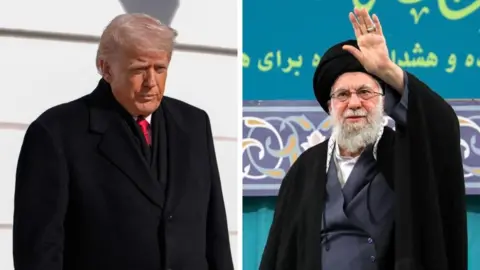
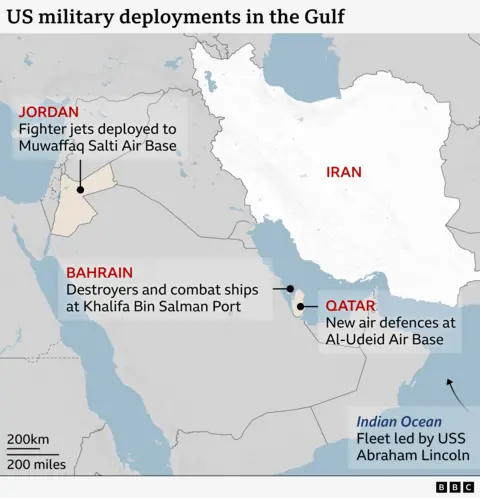
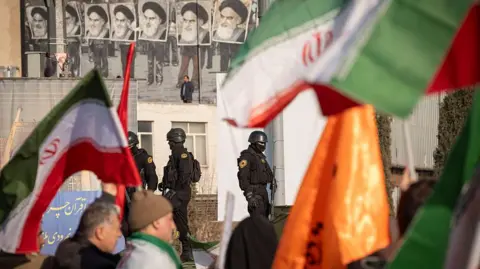
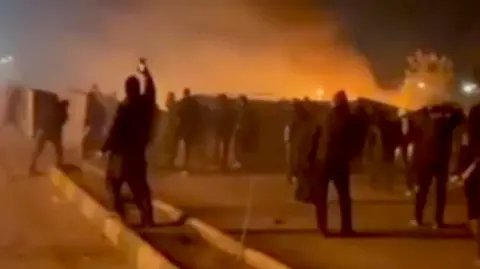
U.S. Readiness for Immediate Limited Strikes The United States is positioned to launch limited air and naval attacks within days, focusing on Islamic Revolutionary Guard Corps (IRGC) and Basij bases, ballistic‑missile launch sites, and Iran’s nuclear facilities [1]. Analysts describe the operation as highly targeted rather than a full‑scale invasion, aiming to degrade specific capabilities while avoiding broader conflict [1]. This posture follows recent diplomatic deadlock and heightened rhetoric between Washington and Tehran [1].
Iran’s Threats of Retaliation and Trigger Warning Iran has publicly vowed to respond to any U.S. attack, declaring its “finger is on the trigger” and warning of concealed ballistic missiles and drones launched from caves, underground sites, or remote mountainsides [1]. Tehran’s statements emphasize a rapid, asymmetric response designed to exploit U.S. force dispersion [1]. The Iranian leadership frames retaliation as both a deterrent and a signal of resolve to domestic and regional audiences [1].
Potential Regional Targets and Escalation Scenarios Iranian planners could strike U.S. facilities in Bahrain and Qatar and may extend attacks to critical infrastructure in Jordan or Israel [1]. Plans include swarm attacks using high‑explosive drones and fast torpedo boats capable of overwhelming naval defenses [1]. Such actions would broaden the conflict beyond Iran’s borders, drawing in regional allies and complicating U.S. force protection [1].
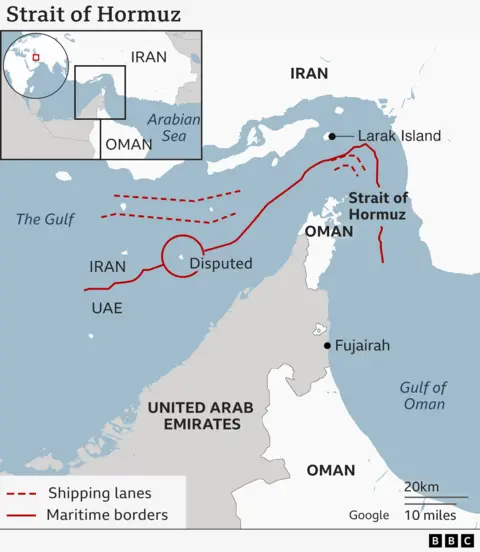
Economic Impact of Disrupting Strait of Hormuz The Strait of Hormuz handles roughly 20 % of global LNG and 20‑25 % of oil shipments annually; Iran could mine or attack the strait, sharply raising oil prices and hindering world trade [1]. Rapid sea‑mine deployment drills suggest Tehran can quickly threaten this chokepoint [1]. Disruption would reverberate through energy markets, affecting both consumer prices and strategic reserves [1].
Risk of Internal Iranian Conflict and Humanitarian Crisis U.S. strike could ignite ethnic tensions among Kurds, Baluchis, and other minorities, potentially sparking civil war within Iran [1]. The ensuing instability may generate a large refugee flow and destabilize neighboring states [1]. Humanitarian fallout would compound the regional security challenges already present [1].
Related Tickers
Timeline
2025 – The Trump administration carries out a B‑2 bomber campaign against two Iranian nuclear installations, dropping 14 of the world’s largest bombs without any U.S. casualties or aircraft loss, and touts the operation as a major victory [2].
Early 2026 (Jan) – Hundreds of thousands of Iranians flood the streets to protest Tehran’s hard‑line regime, prompting President Trump to signal a possible new U.S. attack in solidarity with the demonstrators [2].
Jan 14‑15, 2026 – Analysts outline U.S. targeting options, stressing the need to avoid populated areas to limit civilian harm and noting that viable weapons include Tomahawk and JASSM missiles launched from offshore platforms, while the nearest carrier, USS Abraham Lincoln, remains in the South China Sea, constraining immediate action [2].
Jan 29, 2026 – The United States readies limited precision air and naval strikes to be launched within days, focusing on IRGC and Basij bases, ballistic‑missile launch sites, and Iran’s nuclear facilities, and emphasizes that the operation will be highly targeted rather than a full‑scale invasion [1].
Jan 29, 2026 – Iran warns that its “finger is on the trigger,” threatening to fire concealed ballistic missiles and drones from caves, underground sites, or remote mountainsides in retaliation for any U.S. attack [1].
Jan 29, 2026 – Tehran threatens to strike U.S. facilities in Bahrain and Qatar and to target critical infrastructure in Jordan or Israel with swarms of high‑explosive drones and fast torpedo boats, raising the risk of a broader regional confrontation [1].
Jan 29, 2026 – Iran practices rapid sea‑mine deployment in the Strait of Hormuz, a chokepoint that moves roughly 20‑25 % of global oil and LNG; mining the strait could sharply raise energy prices and disrupt world trade [1].
Jan 29, 2026 – Experts warn that a U.S. strike could spark ethnic tensions among Kurds, Baluchis, and other minorities, potentially igniting civil war, a refugee crisis, and extensive humanitarian fallout across the Middle East [1].