Zuckerberg Testifies in Los Angeles Trial Over Instagram’s Harm to Youth
Updated (10 articles)
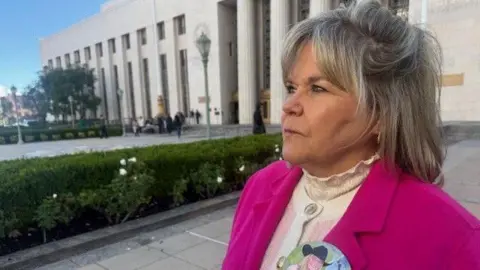
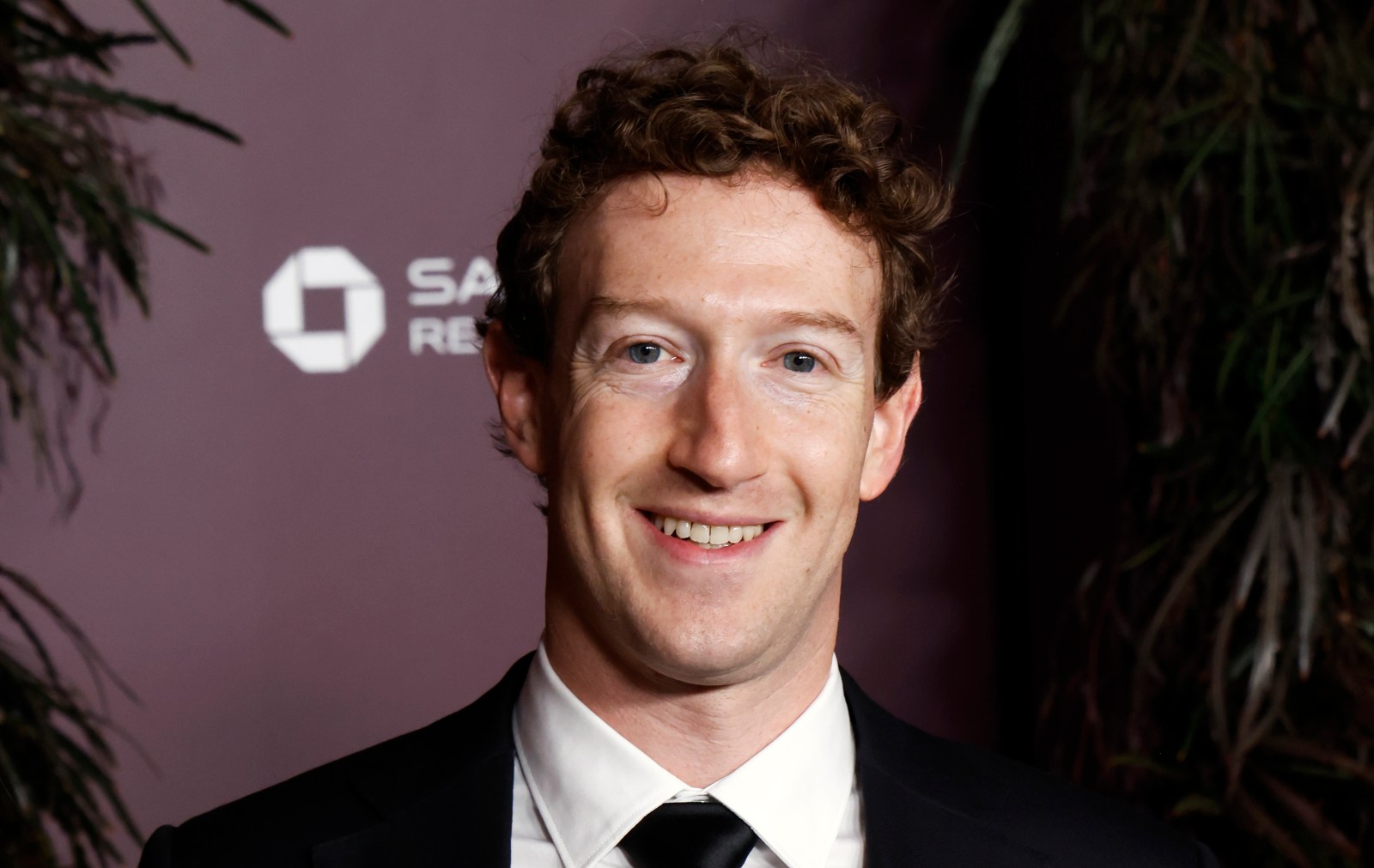
Zuckerberg Appears Before Jury in Landmark LA Case Mark Zuckerberg took the stand on February 19 2026 in Los Angeles Superior Court, answering a jury in the first‑of‑its‑kind lawsuit alleging Instagram addiction harmed a California teen now known as KGM, a 20‑year‑old who began using the platform at age 9[1][2]. The plaintiff’s lawyer, Mark Lanier, presented a multi‑foot poster of KGM’s Instagram feed to illustrate compulsive scrolling and claimed the platform caused anxiety, depression, body‑dysmorphia and suicidal thoughts[4]. Zuckerberg maintained that no scientific consensus links Instagram use to mental‑health injury and emphasized Meta’s “utility‑focused” product philosophy[3].
Internal Documents Reveal Past Time‑Spending Goals and Under‑13 Users Internal emails and memos disclosed that Instagram executives set “stretch” goals to boost average daily usage from 40 minutes in 2023 to 46 minutes in 2026 and pursued a “Time +10%” target in 2015[1][5]. A 2015 internal memo estimated more than 4 million users were under 13, representing roughly 30 % of U.S. 10‑12‑year‑olds, and noted that robust age‑verification was not in place until December 2019 (and retroactively in August 2021)[1][4]. Former public‑policy head Nick Clegg later called the lax enforcement “indefensible,” highlighting a gap between policy and practice[5].
Meta Cites Safety Tools and Low Teen Revenue While Plaintiffs Question Design Features Meta pointed to parental‑control tools, daily‑use limits introduced in 2018, and the fact that teens generate less than 1 % of its ad revenue, noting only about 1.1 % of teen users adopted the limits[2]. Plaintiffs, however, focused on algorithmic recommendation feeds, infinite scroll, and “beauty” filters, citing internal concerns that such filters could damage teen self‑image and that only a small fraction of users engaged with safety features[1][6]. Zuckerberg acknowledged the company’s past “beauty‑filter” controversy but argued the features remain under a free‑expression rationale[1].
Trial Expected to Influence Nationwide Youth‑Social‑Media Litigation The case joins two other Los Angeles bellwether trials slated to run through late March and follows settlements by TikTok and Snapchat, underscoring a broader wave of lawsuits targeting social‑media firms for youth harm[2][6]. A parallel New Mexico state case alleging algorithm‑driven sexual exploitation of minors could further shape legal standards for Meta and its competitors[6]. Legal analysts predict the verdict may set precedent for hundreds of similar actions filed by families, states and schools worldwide[1].
Sources
-
1.
CNN: Zuckerberg Testifies on Instagram’s Impact on Youth Mental Health: Details Zuckerberg’s five‑hour testimony, plaintiff Kaley’s claims, internal targets, beauty‑filter concerns, and parents’ presence outside the courthouse.
-
2.
BBC: Zuckerberg Testifies in Los Angeles Social‑Media Addiction Trial: Highlights internal emails about teen usage goals, Nick Clegg’s criticism of age‑limit enforcement, and external research on teen “hooked” feelings.
-
3.
AP: Zuckerberg Testifies in Landmark Social‑Media Addiction Trial: Focuses on Zuckerberg’s denial of causal link, abandonment of time‑spending goals, and clash with children’s advocates over Instagram’s role.
-
4.
CNN: Meta CEO Mark Zuckerberg Testifies on Instagram’s Impact on Children: Emphasizes plaintiff’s mental‑health allegations, under‑13 user estimates, shift from time goals to utility, and activist accusations of profit‑driven exploitation.
-
5.
The Hindu: Zuckerberg Testifies on Under‑Age Instagram Use in Landmark Trial: Reports Zuckerberg’s regret over slow age‑verification, internal awareness of under‑13 users, and lawyer Lanier’s enforcement challenges.
-
6.
Newsweek: Mark Zuckerberg to Testify in Los Angeles Bellwether Social‑Media Trial: Provides preview of the trial, plaintiff’s claims, Meta’s safety record defense, and mention of parallel New Mexico lawsuit.
Related Tickers
Videos (1)
Timeline
2015 – Internal Meta documents estimate more than 4 million Instagram users are under 13, representing roughly 30 % of U.S. 10‑12‑year‑olds, and reveal early awareness that age‑verification tools are “not fit for purpose”[10].
2015‑2017 – Internal emails show Zuckerberg sets “stretch goals” to boost teen time on Instagram, labeling teenagers a top priority and discussing ways to increase daily usage[1].
Dec 2019 – Instagram begins requiring new users to enter a birthdate, a step toward enforcing its under‑13 ban[4].
Aug 2021 – Meta extends birth‑date verification to existing Instagram accounts, tightening age‑check enforcement[5].
2022 – Instagram leadership sets a “stretch goal” to raise average daily teen use from 40 minutes in 2023 to 46 minutes in 2026, reflecting a focus on time‑spend metrics[4].
2024 – Zuckerberg delivers a congressional apology for Instagram’s impact on youth mental health, a moment parents later cite while protesting the trial[4].
2024 – Surgeon General Vivek Murthy urges Congress to require tobacco‑style warnings on social‑media platforms, adding federal pressure to the litigation landscape[6].
Jan 21, 2026 – Snap settles a related social‑media‑addiction lawsuit days before jury selection, removing itself from the imminent Los Angeles trial[3].
Jan 26, 2026 – The landmark Los Angeles trial against Meta, TikTok and YouTube launches, with senior executives slated to testify over a projected six‑to‑eight‑week period[6].
Jan 27, 2026 – TikTok reaches a confidential settlement hours before jury selection, preventing it from being a defendant when the trial begins[2].
Jan 27, 2026 – Jury selection starts for the Instagram‑TikTok‑YouTube case, marking the first time the three firms face a jury and establishing the suit as a bellwether for roughly 1,500 similar actions[9].
Feb 18, 2026 – Zuckerberg testifies that he “wishes age‑verification improvements had arrived sooner,” acknowledges past under‑13 detection gaps, and says Meta now relies on content‑behavior signals to flag minors[10].
Feb 19, 2026 – Zuckerberg tells the jury that scientific research has not proven a causal link between social‑media use and mental‑health injury, admits former “time +10%” goals existed but claims the company has shifted to a “utility‑focused” approach, and rejects an internal memo urging a more authentic public persona as “simple feedback”[8].
Late Mar 2026 (expected) – The Los Angeles jury is scheduled to deliver a verdict, a decision that could set precedent for thousands of parallel lawsuits and force substantial platform changes[10].
Summer 2026 (planned) – Additional Los Angeles bellwether trials run later in the year, expanding the legal pressure on Meta, TikTok and YouTube[10].
June 2026 (planned) – A federal bellwether trial for school‑district plaintiffs begins in Oakland, California, potentially creating a nationwide benchmark for social‑media liability[9].
2026 (ongoing) – A separate New Mexico state case against Meta for alleged facilitation of sexual exploitation of minors proceeds in Santa Fe, with its outcome likely to influence other state‑level actions[7].
All related articles (10 articles)
-
CNN: Zuckerberg Testifies on Instagram’s Impact on Youth Mental Health
-
BBC: Zuckerberg Testifies in Los Angeles Social‑Media Addiction Trial
-
AP: Zuckerberg Testifies in Landmark Social‑Media Addiction Trial
-
CNN: Meta CEO Mark Zuckerberg Testifies on Instagram’s Impact on Children
-
The Hindu: Zuckerberg Testifies on Under‑Age Instagram Use in Landmark Trial
-
Newsweek: Mark Zuckerberg to Testify in Los Angeles Bellwether Social‑Media Trial
-
BBC: TikTok settles hours before landmark social‑media addiction trial begins
-
AP: Landmark Trial Targets Instagram, TikTok, YouTube Over Youth Addiction Claims
-
CNN: Meta, TikTok and YouTube go on trial over youth addiction claims
-
BBC: Snap settles social media addiction lawsuit ahead of trial
External resources (5 links)
- https://www.youtube.com/watch?v=kz9crfdO5IM (cited 1 times)
- https://www.cnbc.com/2025/05/16/tiktok-turns-to-meditation-as-it-battles-lawsuits-and-criticism.html (cited 1 times)
- https://www.nytimes.com/2024/06/17/opinion/social-media-health-warning.html (cited 1 times)