Over 3,200 Detainees Freed as Venezuela’s New Amnesty Law Takes Effect
Updated (6 articles)
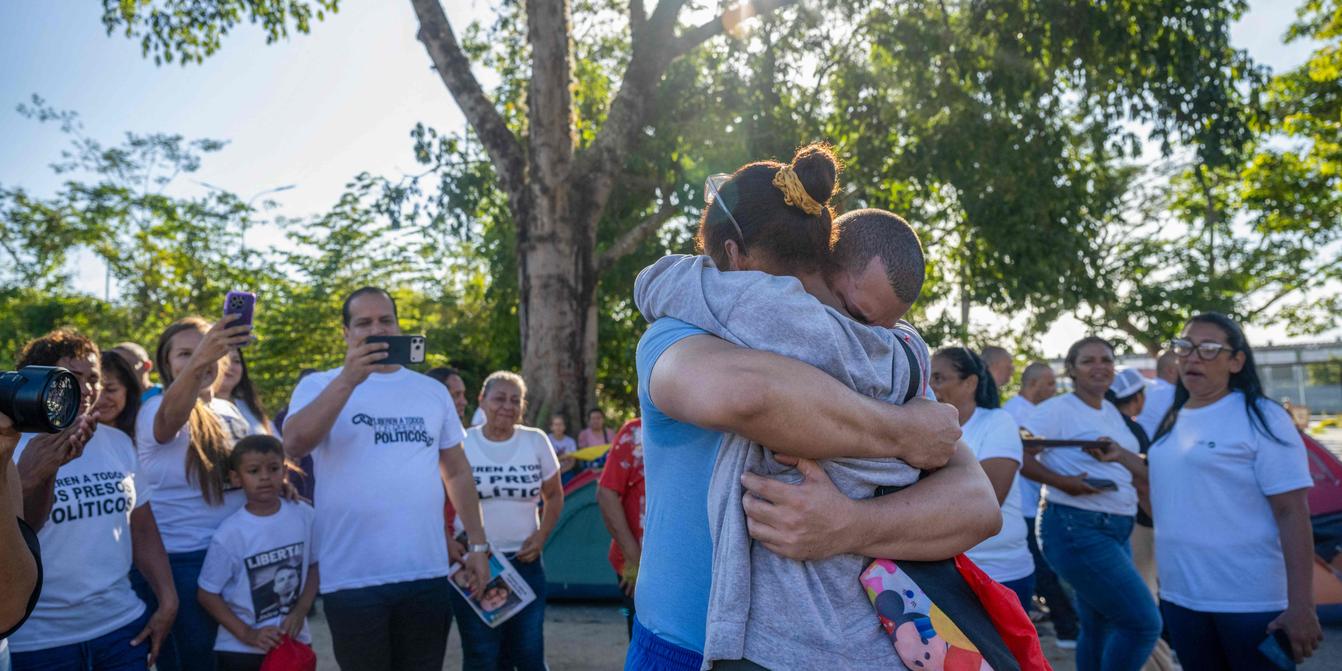
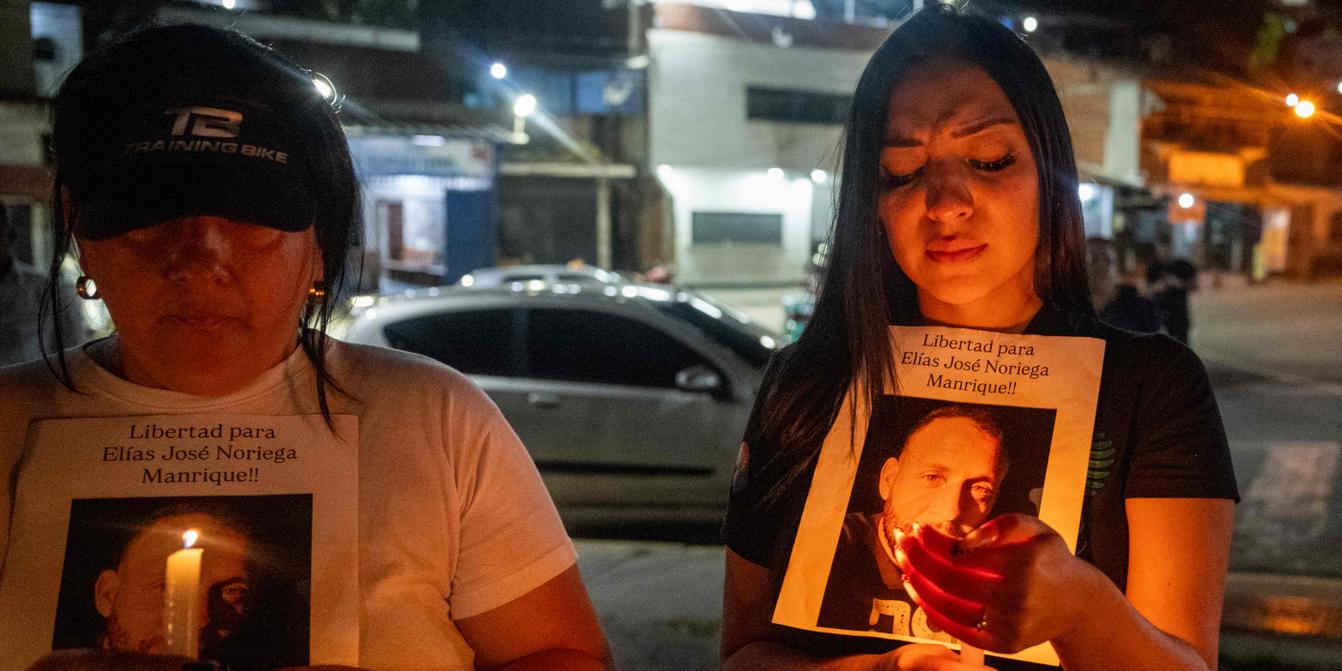
Amnesty Law Signed by Acting President Delcy Rodríguez Acting President Delcy Rodríguez signed the amnesty bill into law on 19 Feb, formalizing it on 20 Feb 2026 [4][5]. The legislation targets politicians, activists, lawyers and other individuals detained for political reasons while explicitly excluding homicide, drug trafficking, war crimes, corruption and foreign‑backed activism [1][4]. It also permits legal representatives abroad to apply for amnesty on behalf of exiled detainees, granting them protection from arrest upon return [4][5].
Thousands Freed Within First Week of Law’s Implementation By 25 Feb, a special National Assembly commission reported that more than 3,200 former detainees and house‑arrested persons had been released, including 3,052 under house‑arrest and 179 imprisoned individuals [1]. Authorities have received 4,203 amnesty applications to date, indicating high demand for the clemency measure [1]. Earlier court actions had already freed 379 political prisoners, and human‑rights monitors counted 448 releases since 8 Jan 2026 [4][5].
Human‑Rights Groups Highlight Discrepancies in Release Figures Prisoners’ rights organization Foro Penal verified only 91 political releases since the law took effect, contrasting sharply with the government’s 3,200‑plus figure and noting roughly 600 detainees remain in custody [1][5]. The NGO also recorded 464 releases following the U.S. raid on President Nicolás Maduro on 3 Jan, of which 54 occurred after the 19 Feb amnesty vote [2]. These divergent counts underscore ongoing concerns about transparency and the law’s limited scope.
Inmates Launch Hunger Strikes Over Exclusion from Amnesty On 22 Feb, about 200 inmates at Rodeo I prison began a hunger strike to demand inclusion under the new amnesty, a protest that grew to 214 participants the following day [2][3]. Detainees argue that most of those incarcerated are excluded from the law, prompting families to gather outside the facility and international observers such as the ICRC to gain first‑time access to both Rodeo I and the Helicoid prison [3]. The strike highlights persistent grievances despite the wave of releases.
Opposition and Families React With Mixed Optimism and Criticism Opposition lawmaker Nora Bracho called the legislation “a great step forward,” while exile aide Pedro Urruchurtu condemned the requirement that exiles appear in court as a “trap” [4]. Families of detainees have publicly appealed to U.S. President Trump for pressure on the Venezuelan government and, earlier on 14 Feb, launched their own hunger strike to protest the slow pace of releases [5][4]. The divergent reactions reflect both hope for broader clemency and skepticism about the law’s effectiveness.
Sources
-
1.
AP: Venezuela releases over 3,200 detainees under new amnesty law: Reports 3,200+ freed, 4,203 applications, breakdown of releases, exclusions, and Foro Penal’s lower verification count (Feb 25)
-
2.
Le Monde: Hunger strike by 200 Venezuelan inmates follows new amnesty law: Details 200‑person hunger strike starting 22 Feb at Rodeo I, demands for inclusion, and 464 releases since the U.S. raid with 54 after the amnesty vote (Feb 24)
-
3.
Le Monde: Venezuela releases 23 prisoners as hunger strike swells: Notes 23 political detainees freed on 22 Feb, 214‑person hunger strike, ICRC access to prisons, and total of 1,557 applications (Feb 23)
-
4.
AP: Venezuela’s Acting President Signs Amnesty Law Amid Calls for Prisoner Releases: Covers signing on 19 Feb, potential to free hundreds, 448 releases since 8 Jan, exclusions, split opposition reaction, and families urging Trump (Feb 20)
-
5.
The Hindu: Venezuela Legislature Passes Amnesty Bill Amid Political Prisoner Debate: Describes 19 Feb legislative vote, expected signing, target of hundreds of political detainees, opposition praise, lawyer provision for exiles, and families’ hunger strike on 14 Feb (Feb 20)
Related Tickers
Timeline
Jan 3, 2026 – U.S. special‑forces capture President Nicolás Maduro in Caracas, triggering a political transition and prompting the interim government to announce a large‑scale amnesty for political detainees[4].
Early Jan 2026 – Since the start of the year, roughly 350 political prisoners are released, according to Foro Penal, while the organization estimates more than 600 remain incarcerated for political reasons[6].
Jan 8, 2026 – Human‑rights group Foro Penal records that 448 detainees have been freed following the January raid, highlighting the growing pressure on the Maduro regime[2].
Feb 5, 2026 – Venezuela’s National Assembly unanimously adopts a historic amnesty law covering the entire 27‑year Chavismo period; Acting President Delcy Rodríguez declares it “a very important event for Venezuela,” and opposition deputy Tomás Guanipa says it could launch a historic phase of “mutual recognition, respect, tolerance and ultimately peace”[6].
Feb 14, 2026 – Families of political prisoners launch a hunger strike outside detention centers to protest the slow pace of releases after the January capture of Maduro, underscoring mounting domestic pressure on the interim government[3].
Feb 19, 2026 – The National Assembly passes the amnesty bill, targeting hundreds of political detainees; opposition lawmaker Nora Bracho praises it as “a great step forward,” while exile aide Pedro Urruchurtu warns the requirement for exiles to appear in court is “a trap”[3][2].
Feb 20, 2026 – Acting President Delcy Rodríguez signs the amnesty legislation into law, formally authorizing the release of eligible political prisoners and signaling compliance with U.S. diplomatic pressure[2].
Feb 22, 2026 – Two hundred inmates at Rodeo I prison begin a hunger strike, demanding inclusion under the new amnesty; Shakira Ibarreto protests that “La plupart des détenus incarcérés ici ne sont pas couverts par la loi d’amnistie”[4][5].
Feb 22, 2026 – The interim government frees 23 political detainees, including seven members of the opposition Vente Venezuela such as Juan Freites, as part of the amnesty rollout[5].
Feb 22, 2026 – The International Committee of the Red Cross gains its first access to El Rodeo I and the notorious Helicoid prison; health coordinator Filippo Gatti describes the entry as “a first step” toward improving detainee conditions[5].
Feb 24, 2026 – A special commission of the National Assembly reports that more than 3,200 former detainees, house‑arrested individuals and others have been fully released since the amnesty took effect on Feb 20; commission head Jorge Arreaza notes 4,203 applications have been submitted, while Foro Penal confirms only 91 political releases and estimates 600 people remain detained[1].
Future (post‑amnesty) – A parliamentary commission is slated to review the 232 excluded cases, and the law’s exclusion of serious crimes means many police, military and 1999‑2026 era detainees remain omitted, limiting the amnesty’s impact on broader reconciliation[5].
All related articles (6 articles)
-
AP: Venezuela releases over 3,200 detainees under new amnesty law
-
Le Monde: Hunger strike by 200 Venezuelan inmates follows new amnesty law
-
Le Monde: Venezuela releases 23 prisoners as hunger strike swells
-
AP: Venezuela’s Acting President Signs Amnesty Law Amid Calls for Prisoner Releases
-
The Hindu: Venezuela Legislature Passes Amnesty Bill Amid Political Prisoner Debate
-
Le Monde: Venezuela’s Assembly Passes Historic Amnesty Bill in First Reading