Netanyahu Faces Growing Pressure as Arab‑Targeted Drug Violence Escalates
Updated (2 articles)
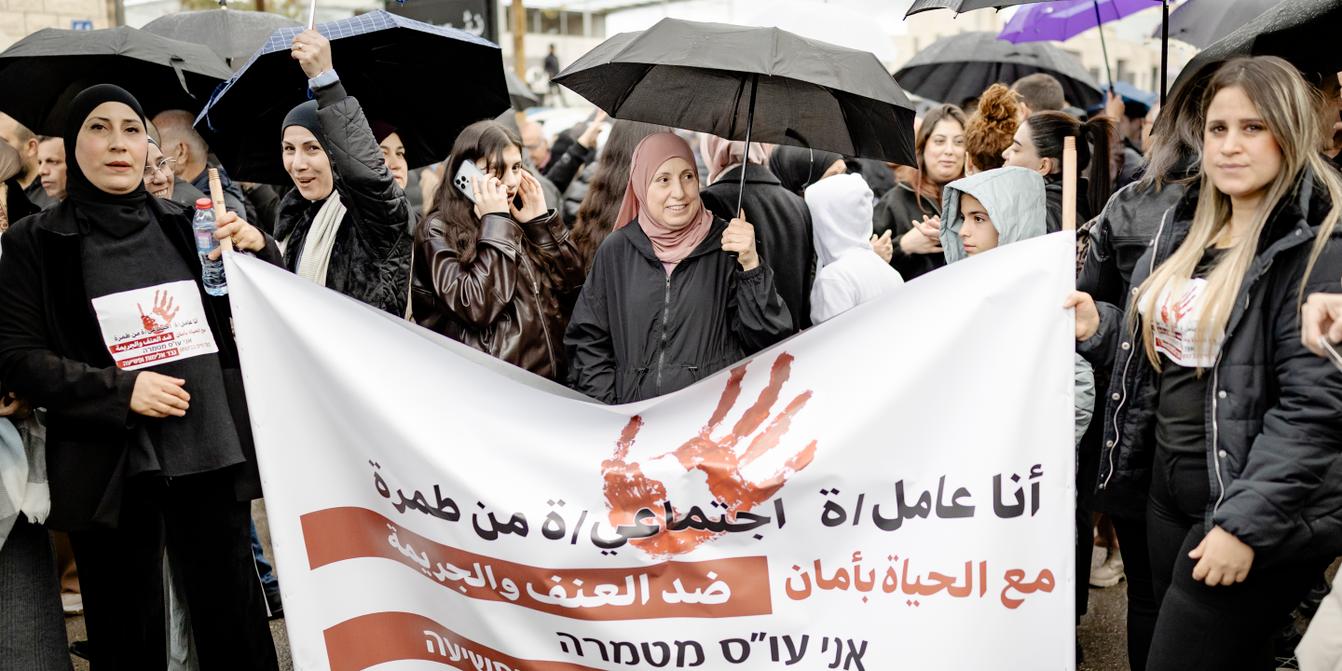
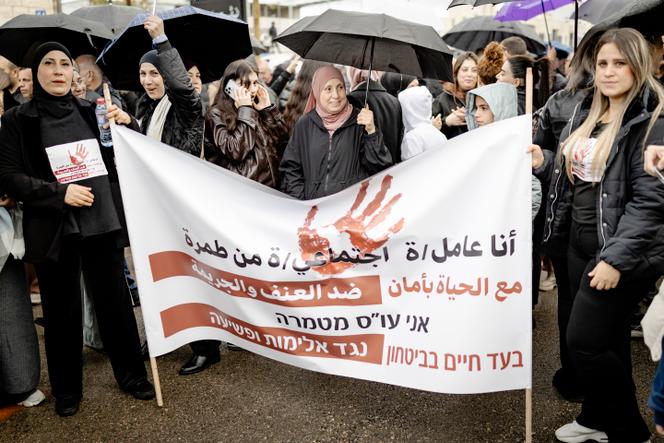
Surge in Drug‑Related Violence Targets Arab Citizens A wave of criminal activity aimed at Israel’s Arab minority has intensified, forcing Prime Minister Benjamin Netanyahu’s government to confront its role and accountability in the crisis, according to historian Jean‑Pierre Filiu. The violence is linked to drug trafficking networks that specifically exploit Arab neighborhoods, raising domestic political stakes. The article, dated 22 February 2026, highlights the urgency of governmental response [1].
Historical Shift After 1967 Enabled Trafficking Networks Prior to the 1967 occupation, Israeli society largely avoided drug trafficking, stigmatizing hashish as an Arab vice. Post‑1967, a US‑inspired psychedelic culture emerged, connecting Israeli drug pilgrimages to India with mandatory military service. This cultural shift created a conduit for illicit substances to flow into the country, laying groundwork for today’s crisis [1].
Lebanese Hashish Influx Fueled by 1982 Invasion The 1982 Israeli incursion into Lebanon linked Lebanese production zones to the Israeli market, resulting in an estimated 700 tonnes of illegal hashish imported the following year. This surge dramatically expanded the supply chain feeding the current wave of violence. The article ties this historical influx to the present‑day targeting of Arab communities [1].
Security Personnel Occasionally Compromised in Cross‑Border Routes Israeli officers have been implicated in transnational drug routes, prompting periodic dismantling of these networks by security forces. Such compromises underscore challenges within law‑enforcement agencies to curb the trafficking that fuels community violence. The piece notes recurring investigations and arrests of compromised personnel [1].
Hezbollah Involvement Prompted Tighter Crackdowns Until 2000 The pro‑Iranian militia’s participation in trafficking spurred intensified Israeli crackdowns, which persisted until Israel’s 2000 withdrawal from Lebanon. Hezbollah’s role amplified the scale of the drug trade and heightened security concerns. The article emphasizes how militia involvement shaped policy responses [1].
Drug Pilgrimages Linked to Mandatory Military Service Young Israelis often undertake drug pilgrimages to India between completing mandatory service (three years for men, two for women) and entering civilian employment. These journeys have become a cultural rite of passage, further entrenching drug use within certain segments of society. The analysis connects this pattern to the broader escalation of drug‑related violence [1].
Timeline
Pre‑1967 – Early Zionist society stigmatizes hashish as “Arab decadence” and avoids drug trafficking, establishing a cultural taboo that shapes later drug policies. [2]
1967 – After Israel occupies East Jerusalem, the West Bank and Gaza, a US‑inspired psychedelic culture emerges, linking drug pilgrimages to India with mandatory military service. [2]
1982 – Israel’s invasion of Lebanon connects Lebanese hashish production zones to the Israeli market, resulting in an influx of about 700 tonnes of illegal hashish the following year. [2]
2000 – Israel’s withdrawal from Lebanon reduces direct cross‑border drug routes, but Hezbollah’s involvement in trafficking prompts intensified Israeli crackdowns until that year. [2]
2023‑24 – The Israel‑Hezbollah conflict displaces southern Lebanese residents and devastates agricultural areas, setting the stage for later environmental disputes. [1]
2024 – The UN Food and Agriculture Organization estimates more than $700 million in agricultural losses in Lebanon due to the war, highlighting the sector’s vulnerability. [1]
Feb 5, 2026 – Lebanese ministries announce that Israeli aircraft sprayed glyphosate at 20‑30 times normal levels over border villages; President Joseph Aoun denounces the act as a “sovereignty breach” and “health crime,” calling the material “toxic substances.” [1]
Feb 5, 2026 – United Nations peacekeepers receive advance notice from Israel and suspend operations near the border, noting this is not the first alleged chemical drop over Lebanese territory. [1]
Feb 5, 2026 – Human Rights Watch researcher Ramzi Kaiss warns that the herbicide spray hinders displaced residents’ return and threatens livelihoods in agriculture‑dependent border areas. [1]
Feb 5, 2026 – Lebanon prepares to lodge a formal complaint at the UN Security Council against Israel over the high‑dose herbicide spraying. [1]
Feb 22, 2026 – Historian Jean‑Pierre Filiu states that the surge in drug‑related violence targeting Israel’s Arab minority forces the Netanyahu administration to confront its role and accountability. [2]
Feb 22, 2026 – Israeli security officers are implicated in cross‑border drug networks, leading to periodic dismantling of these routes; repression had intensified due to Hezbollah’s involvement until Israel’s 2000 withdrawal. [2]