Pakistan Airstrikes on Afghan Border Kill Dozens, Escalate Fragile Cease‑Fire
Updated (2 articles)
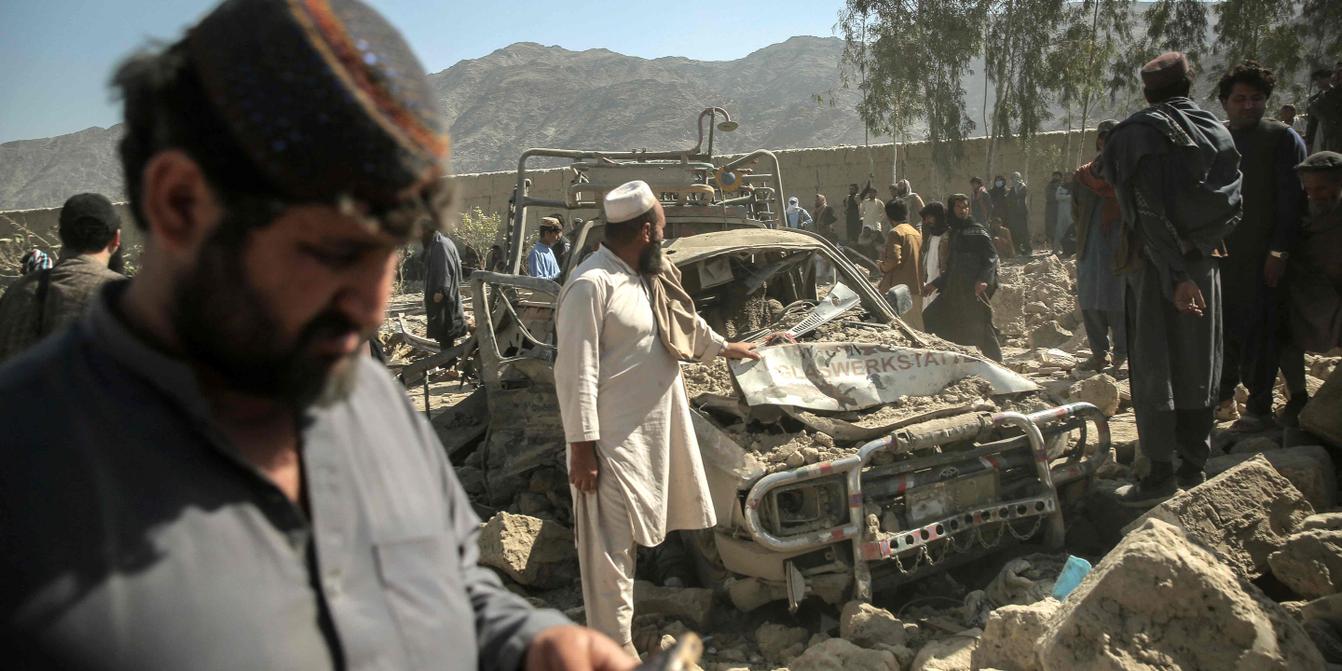
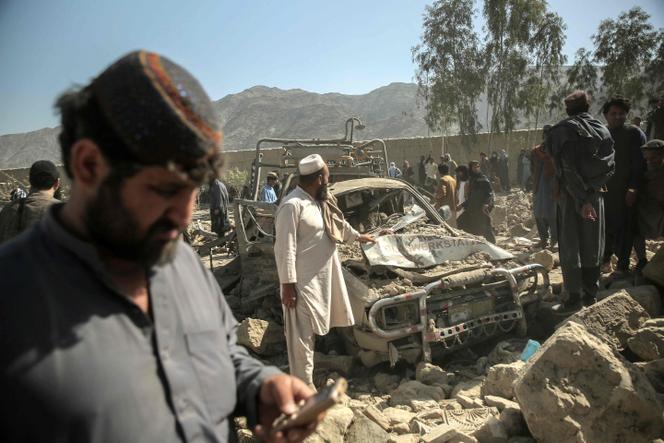
Pakistan Launches Selective Airstrikes Against TTP and IS‑Affiliated Camps On 22 February 2026 Pakistan’s military announced precision strikes on seven Taliban‑Pakistan (TTP) and Islamic State‑linked camps in Afghanistan’s Nangarhar and Paktika provinces, saying the operations were retaliation for a 6 February mosque bombing that killed 40 people and other recent suicide attacks [1][2]. The strikes were described by Islamabad’s information ministry as “intelligence‑based” and justified by “conclusive evidence” linking the attacks to Afghan‑based militants [2]. Pakistan also accused the Afghan Taliban of sheltering the militants and called on the international community to pressure Kabul [1].
Civilian Deaths and Injuries Reported Across Affected Villages Afghan defence officials reported that the bombings hit civilian structures, including a religious seminary and homes, killing at least 18 people—among them women and children—and wounding dozens more [2]. Local police in the mountain village confirmed a single house where 23 family members were buried, with 18 dead and five injured [1]. Pakistani security sources claimed more than 80 fatalities, a figure disputed by Afghan authorities, leading to divergent casualty tallies [1].
Afghanistan Labels Strikes Sovereignty Violation, Cease‑Fire at Risk Afghanistan’s Ministry of Defense issued a statement calling the cross‑border attacks a “blatant violation of national sovereignty” and a breach of international law [2]. Kabul vowed an “appropriate and calculated” response and warned that the fragile cease‑fire established in October could unravel if Pakistan continues such operations [1][2]. Pakistan reiterated that the Taliban’s failure to curb militant activity justified the strikes and noted the border has remained largely closed since mid‑October, except for limited repatriations [1].
UN Reports Rising Civilian Toll From Recent Cross‑Border Actions United Nations Assistance Mission in Afghanistan (UNAMA) report dated 8 February recorded 70 civilian deaths and 478 injuries from Pakistani strikes during the last three months of 2025, highlighting an upward trend in civilian harm [1]. The report noted that October 2025 clashes alone killed 47 civilians, far exceeding the annual average since 2011. International observers warned that continued airstrikes could further destabilize the region and undermine peace‑building efforts.
Sources
-
1.
Le Monde: Pakistan Airstrikes Kill Dozens in Afghan Border Provinces, Afghan Officials Respond: Details Pakistan’s selective strikes on seven TTP/IS camps, Afghan civilian casualty figures, a massive family death, conflicting death tolls, UN civilian‑toll data, and Pakistan’s accusation against the Taliban .
-
2.
CNN: Pakistan Airstrikes Target Afghan‑Based Militants, Raising Cease‑Fire Concerns: Focuses on the intelligence‑based nature of the strikes, 18 civilian deaths, Afghan condemnation as sovereignty breach, links to recent Pakistani attacks, and the risk to the October cease‑fire .
Timeline
Oct 2025 – A wave of deadly cross‑border fire erupts along the 1,600‑mile Pakistan‑Afghanistan border, killing 47 civilians and prompting both sides to negotiate a cease‑fire that formally begins later in the month, marking the most lethal exchange in years and setting a fragile peace framework [1].
Nov 2025 – Pakistan’s Defence Minister Khawaja Asif tells reporters that Islamabad will use “whatever means are available” to “take out” TTP leadership operating from Afghan soil, signalling a hard‑line stance that underpins later military actions [1].
Late 2025 (Dec‑Feb 2026) – A UNAMA assessment dated 8 Feb 2026 records 70 civilian deaths and 478 injuries in Afghanistan from Pakistani strikes during the last three months of 2025, highlighting a sharp rise in cross‑border violence compared with the pre‑2021 average [2].
6 Feb 2026 – A suicide bomber detonates a device inside a Shia mosque in Islamabad, killing about 40 worshippers and sparking Pakistani accusations that Afghan‑based militants orchestrated the attack [1].
22 Feb 2026 – Pakistan’s military conducts intelligence‑based, selective airstrikes on seven TTP camps and an Islamic State‑affiliated group in Afghanistan’s Nangarhar and Paktika provinces, claiming the raids retaliate for the Islamabad mosque bombing and recent attacks on Pakistani soldiers [1][2].
22 Feb 2026 – Afghanistan’s Ministry of Defence condemns the strikes as “a blatant violation of Afghanistan’s national sovereignty” and a breach of international law, vowing an “appropriate and calculated” response to the incursion [1][2].
22 Feb 2026 – Civilian casualties mount as the airstrikes hit a religious seminary and residential homes, leaving 18 dead—including women and children—while police report a single house in a mountain village loses 23 family members, 18 of whom die on the spot [1][2].
22 Feb 2026 – A Pakistani security source alleges more than 80 people are killed in the strikes, a figure contested by Afghan officials who describe the death toll as “dozens,” underscoring divergent narratives on the humanitarian impact [2].
22 Feb 2026 – Islamabad accuses the Afghan Taliban of failing to curb armed groups on its territory, notes the land border has remained closed since mid‑October except for limited repatriations, and calls on the international community to pressure Kabul [2].
Future (post‑Feb 2026) – Afghanistan signals it will mount a “calculated” retaliation against Pakistan’s cross‑border actions, while Pakistan reiterates its intent to pursue “conclusive evidence” linking attacks to Afghan‑based militants, suggesting a continued cycle of strikes and diplomatic friction [1][2].