US Carrier Gerald R. Ford Moves Toward Middle East as Iran Closes Hormuz Strait
Updated (8 articles)
-
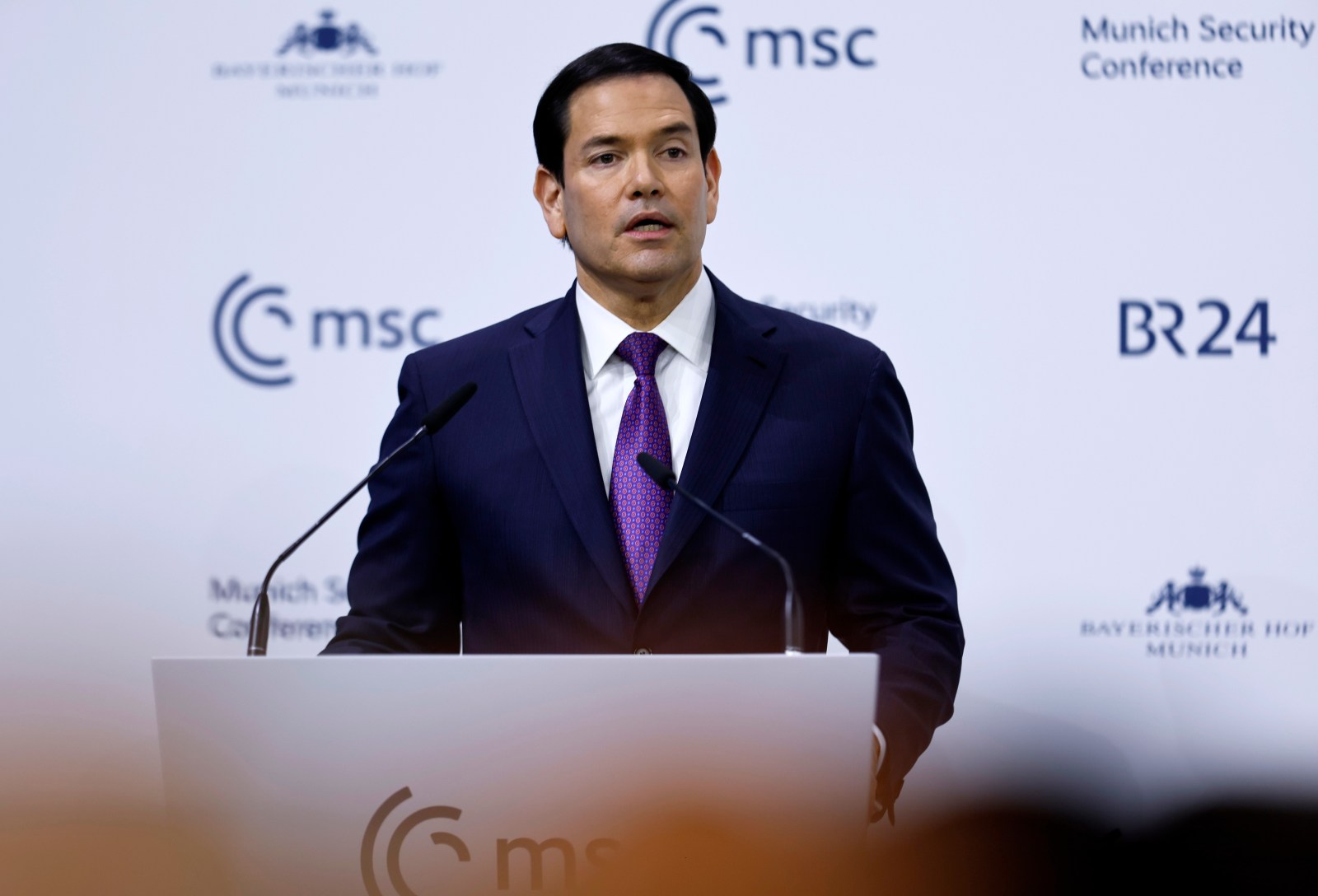 Image: NewsweekMUNICH, GERMANY – FEBRUARY 14: U.S. Secretary of State Marco Rubio delivers a key note speech at the 62nd Munich Security Conference on February 14, 2026 in Munich, Germany. The conference, which brings together government leaders, security experts and defence ministers, is taking place at a time when the traditional western political and military alliance is facing rupture due to the policies of U.S. President Donald Trump. (Photo by Johannes Simon/Getty Images) Source Full size
 -
Image: NewsweekMUNICH, GERMANY – FEBRUARY 14: U.S. Secretary of State Marco Rubio delivers a key note speech at the 62nd Munich Security Conference on February 14, 2026 in Munich, Germany. The conference, which brings together government leaders, security experts and defence ministers, is taking place at a time when the traditional western political and military alliance is facing rupture due to the policies of U.S. President Donald Trump. (Photo by Johannes Simon/Getty Images) Source Full size
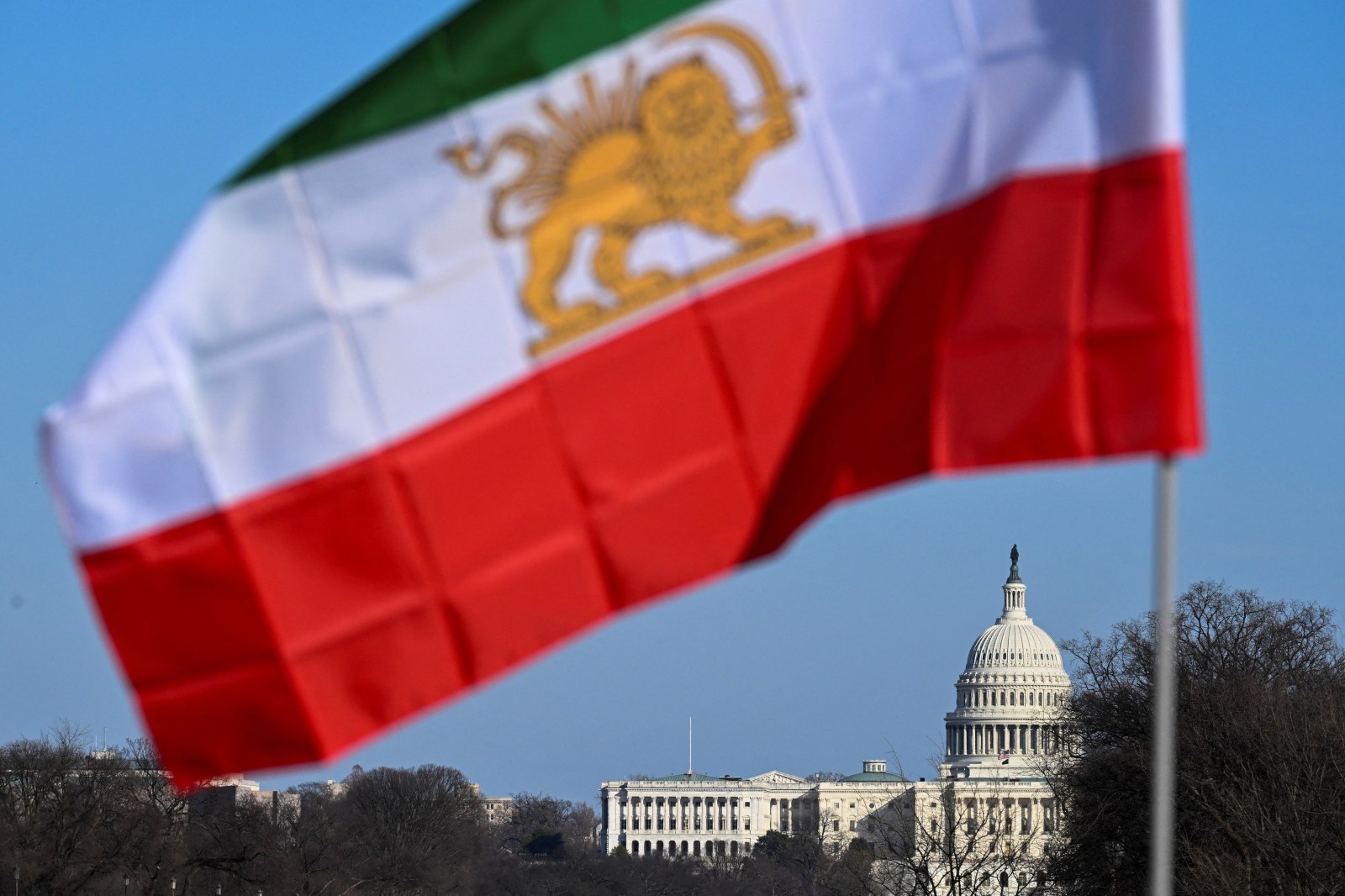
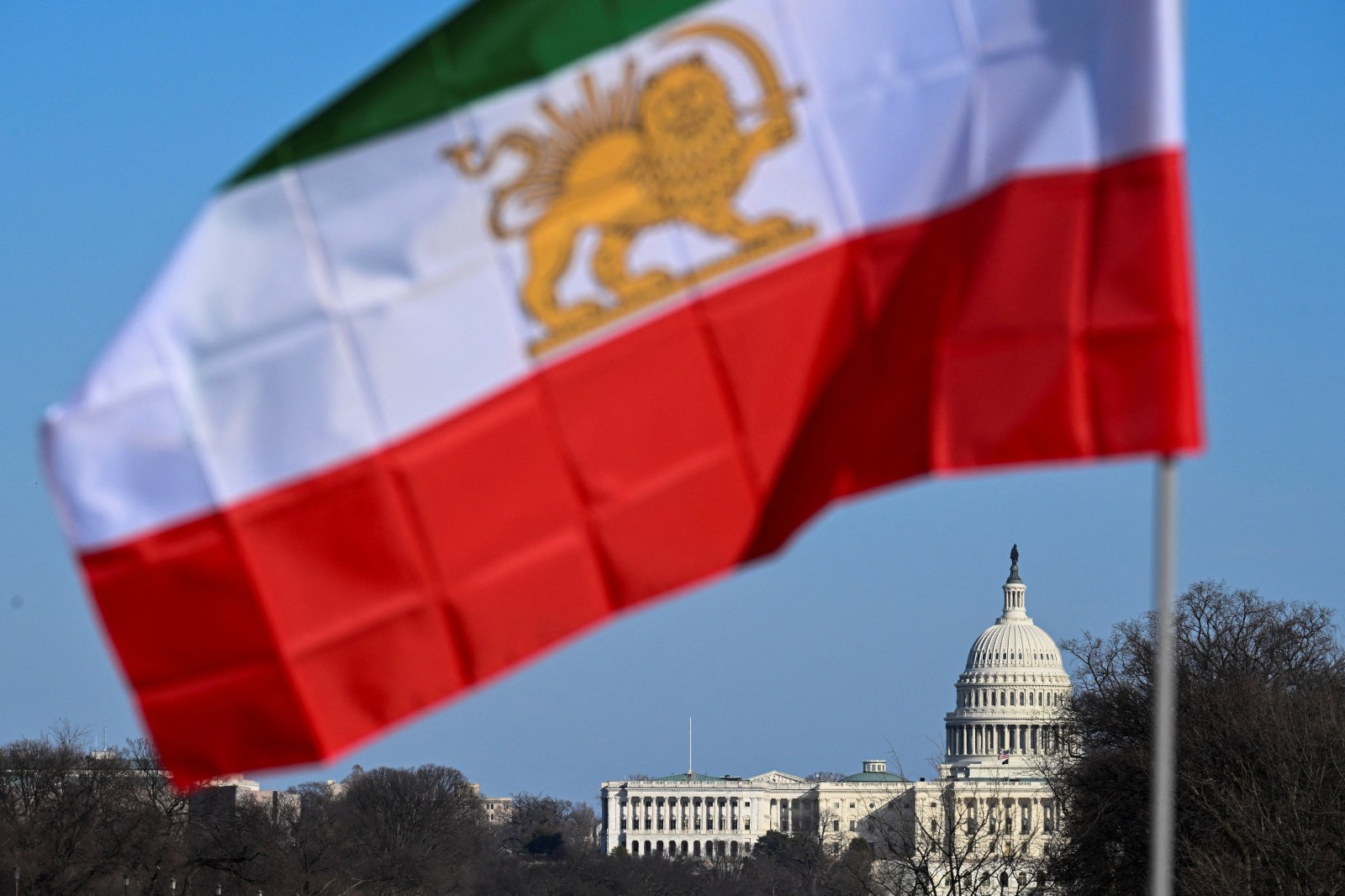
Escalating Naval Posturing by US and Iran Iran and Russia conducted a joint live‑fire drill in the Strait of Hormuz and Gulf of Oman, while the United States positioned the nuclear‑powered carrier USS Gerald R. Ford off Morocco, hinting at a possible transit through Gibraltar into the eastern Mediterranean [1][4]. The drill featured a Steregushchiy‑class corvette and emphasized coordination, but China did not participate [1]. Simultaneously, Iran temporarily shut sections of the Hormuz waterway, the first such closure since the 1980s, disrupting a route that carries roughly 20 % of global oil shipments [4][3].
US Military Readiness and Trump’s Decision Pending U.S. forces prepared for a possible strike on Iran as early as the weekend of Feb. 19‑20, yet President Donald Trump had not granted final authorization [2]. Top national‑security officials convened in the White House Situation Room, where Trump was briefed by envoy Steve Witkoff and Jared Kushner on the Geneva indirect talks that produced guiding principles but left many issues unresolved [2]. Planners linked the timing to the end of the Winter Olympics, the start of Ramadan, and Trump’s State of the Union address, all factors that could shift the strike window [2].
Iran Reinforces Nuclear Facilities Amid Diplomatic Stalemate Commercial satellite imagery showed Iran burying key nuclear sites under concrete and soil, adding new roofs and reinforced tunnel entrances at Natanz, Isfahan and other locations [2][3]. These fortifications suggest Tehran expects a prolonged conflict despite ongoing indirect negotiations [3]. Domestically, Iran faced heightened unrest; Tehran reported 3,117 protest‑related deaths, while U.S.‑based monitors estimated over 7,000 fatalities [1].
Strait of Hormuz Closure Threatens Global Oil Flow The temporary shutdown of parts of the Strait of Hormuz raised immediate concerns for oil markets, given the waterway’s role in transporting one‑fifth of the world’s petroleum [4]. U.S. Central Command warned of unsafe behavior near its forces but remained silent on the latest closure, while a U.S. Navy fighter had previously shot down an Iranian drone near the carrier USS Abraham Lincoln [4][1]. Analysts noted the move could provoke collision risks and further escalation [4].
Geneva Talks Yield Principles but No Deal Indirect talks in Geneva produced a set of guiding principles but failed to resolve core issues, leaving the nuclear agreement prospects low [2]. U.S. Secretary of State Marco Rubio described negotiations as “very difficult” because Iran’s radical clerics prioritize theological over geopolitical considerations [5]. Iran offered to dilute its 60 % enriched uranium in exchange for sanctions relief, while the IAEA requested data on 400 kg of missing uranium and access to Natanz, Fordow and Isfahan sites [5].
Sources
-
1.
AP: Iran and US Escalate Naval Moves Amid Stalled Nuclear Talks: Details joint Iran‑Russia drill, live‑fire in Hormuz, USS Gerald R. Ford’s positioning, Trump’s threats, and disputed protest death tolls .
-
2.
CNN: US Military Poised for Iran Strike This Weekend, Trump Yet to Decide: Reports U.S. strike readiness, Trump’s pending decision, Situation Room briefing, Geneva guiding principles, and timing factors .
-
3.
Newsweek: Six Indicators Suggest Imminent US‑Iran Conflict: Highlights leaked briefings on a week‑long campaign, expanded carrier deployment, fortified Iranian nuclear sites, Hormuz closure, and prediction‑market odds .
-
4.
AP: Iran’s Temporary Closure of the Strait of Hormuz Raises Global Oil Concerns: Focuses on the Hormuz shutdown’s impact on oil flow, historical context, CENTCOM warning, drone incident, and Khamenei’s warning .
-
5.
Newsweek: Rubio warns Iran “difficult” ahead of Geneva talks: Emphasizes Rubio’s critique of Iranian clerics, second carrier deployment, Iran’s uranium dilution offer, IAEA data request, and Israeli‑U.S. strike signals .
Related Tickers
Timeline
Dec 5, 2025 – Iran launches the two‑day Shahid Mohammad Nazeri naval drill across the Persian Gulf, Strait of Hormuz and Sea of Oman, warns U.S. warships to stay away and threatens decisive action if interfered, while the drill follows U.S. F‑35 strikes on Iranian nuclear sites in June that Tehran condemns as violations of sovereignty[5].
Jan 31, 2026 – U.S. Central Command issues an explicit warning that any unsafe Iranian IRGC behavior near U.S. forces in the Strait of Hormuz could trigger escalation, as Tehran announces a two‑day live‑fire naval exercise that could affect the corridor used by roughly one‑fifth of global oil shipments[4].
Feb 1, 2026 – Supreme Leader Ayatollah Ali Khamenei tells a Tehran crowd that any U.S. attack would spark a regional war and that Iran will deliver a heavy blow, while Iran conducts a live‑fire drill in the Strait of Hormuz and the U.S. carrier USS Abraham Lincoln operates in the Arabian Sea amid a crackdown that has detained over 49,500 protesters[8].
Feb 4, 2026 – A U.S. Navy fighter shoots down an Iranian drone approaching the carrier USS Abraham Lincoln, and Iran later harasses a U.S.-flagged merchant vessel in the Strait of Hormuz, heightening the risk of accidental escalation[7].
Feb 16, 2026 – Secretary of State Marco Rubio says Iran’s radical clerics make real deals “very difficult,” as the U.S. sends the nuclear‑powered carrier USS Gerald R. Ford from the Caribbean to join USS Abraham Lincoln, Iran offers to dilute 60 % enriched uranium for sanctions relief, and the Revolutionary Guard conducts drills in the Strait of Hormuz ahead of Geneva talks[3].
Feb 18, 2026 – Analysts note six indicators of an imminent U.S.–Iran conflict, including a massive week‑long campaign plan, deployment of the Gerald R. Ford carrier fleet, reinforced Iranian nuclear sites, live‑fire drills that temporarily close the Strait of Hormuz, and prediction‑market odds that a strike occurs before June 30 at about 71 %[2].
Feb 18, 2026 – Iran temporarily closes parts of the Strait of Hormuz, disrupting a route that carries roughly 20 % of world oil, while Ayatollah Khamenei warns the United States that even the world’s strongest army could receive a crippling “slap,” echoing rare escalations not seen since the 1980s[7].
Feb 19, 2026 – The U.S. military positions the USS Gerald Ford carrier group to arrive in the region this weekend, convenes a White House Situation Room briefing with special envoy Steve Witkoff and Jared Kushner on Geneva indirect talks, and monitors Iran’s concrete‑covering of nuclear sites, as President Trump remains undecided on authorizing a strike before the State of the Union and the end of the Winter Olympics[1].
Feb 19, 2026 – Iran and the United States intensify gunboat diplomacy: Tehran holds a joint live‑fire drill with Russia in the Gulf of Oman and Indian Ocean, the Gerald R. Ford moves off Morocco toward the eastern Mediterranean, and Trump posts that the U.S. may use Diego Garcia and the UK’s Fairford airfield to neutralize Iran if a deal fails, while domestic‑unrest death‑toll estimates diverge sharply between Tehran (3,117) and U.S. human‑rights groups (over 7,000)[6].
Feb 20, 2026 (planned) – President Trump is set to deliver the State of the Union address, a political moment that could influence the timing of any U.S. strike on Iran, while Ramadan continues and the Winter Olympics conclude on Sunday, shaping regional and domestic considerations for both leaders[1].
Feb 2026 (upcoming) – U.S. and Iranian negotiators prepare for a Geneva conference aimed at establishing guiding principles for a nuclear deal, though many details remain unresolved and the talks occur amid heightened military posturing on both sides[1][3].
All related articles (8 articles)
-
AP: Iran and US Escalate Naval Moves Amid Stalled Nuclear Talks
-
CNN: US Military Poised for Iran Strike This Weekend, Trump Yet to Decide
-
Newsweek: Six Indicators Suggest Imminent US‑Iran Conflict
-
AP: Iran’s Temporary Closure of the Strait of Hormuz Raises Global Oil Concerns
-
Newsweek: Rubio warns Iran “difficult” ahead of Geneva talks
-
AP: Iran’s Supreme Leader Threatens Regional War Over Possible U.S. Attack
-
Newsweek: U.S. Warns Iran’s IRGC Over Live‑Fire Drills in Strait of Hormuz
-
Newsweek: Iran Issues Final Warning to U.S. Warships as Naval Drill Concludes
External resources (5 links)
- https://www.iranintl.com/en/liveblog/202601258930 (cited 1 times)
- https://x.com/IranObserver0/status/1996871455900946913 (cited 1 times)
- https://x.com/araghchi (cited 1 times)
- https://www.bcaresearch.com/marketing/matt-gertken (cited 2 times)
- https://www.fdd.org/team/behnam-ben-taleblu/ (cited 2 times)