Eight Dead, One Missing After Lake Tahoe Avalanche; Recovery Delayed by Ongoing Storm
Updated (13 articles)
Deadly Slide Strikes 15‑Person Backcountry Party The avalanche hit Castle Peak near Lake Tahoe on February 17 at 11:30 a.m. local time, burying eight skiers, leaving one presumed dead, and rescuing six survivors from a group of fifteen skiers [4][9][12]. Participants ranged from 30‑55 years old and included four Blackbird Mountain Guides and members of the Sugar Bowl Academy ski club [2][6][10]. The incident is the deadliest U.S. avalanche since the 1981 Mount Rainier disaster [4][9][11].
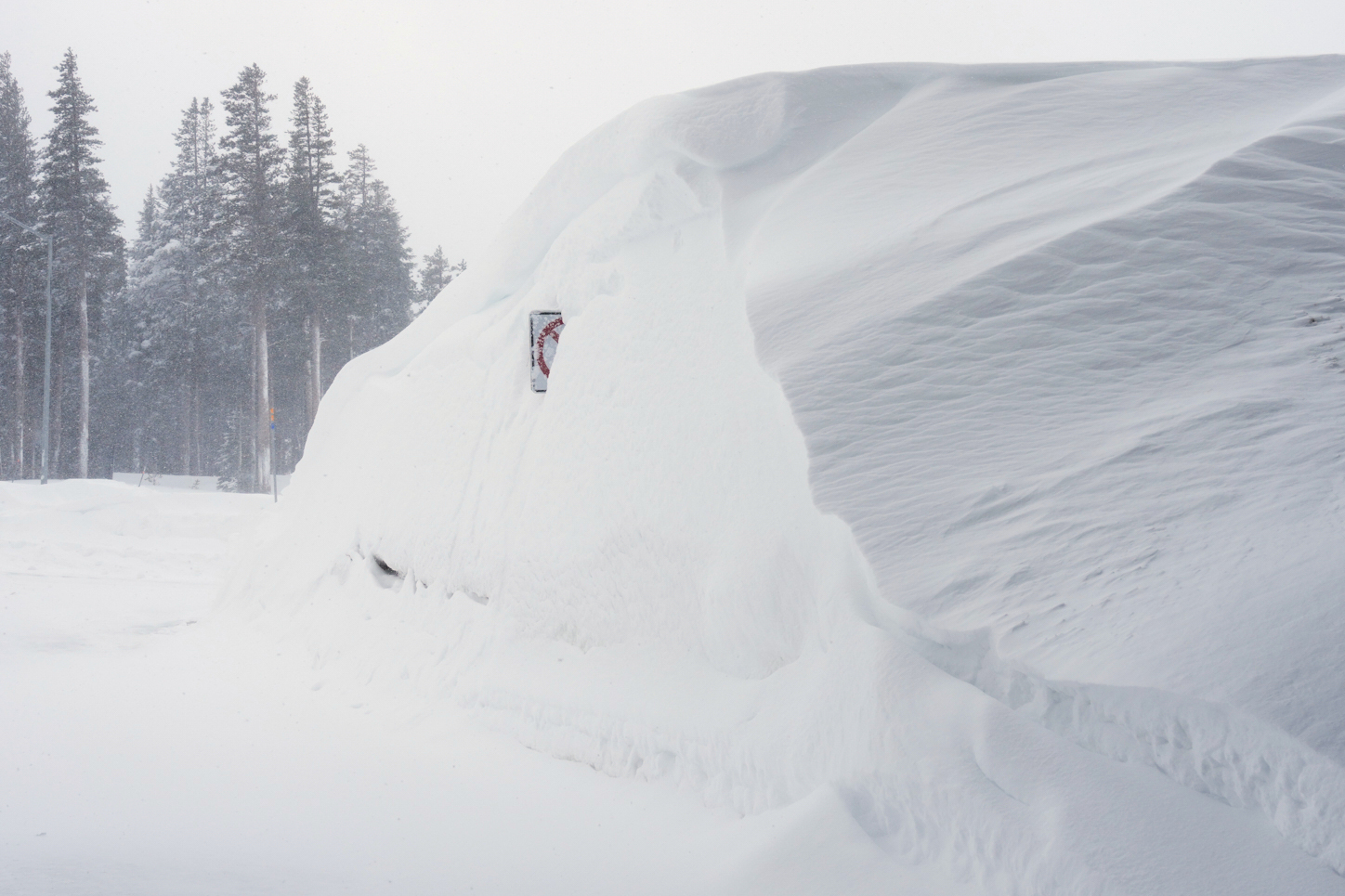
Severe Storm Generates Unstable Snowpack “monster” winter storm dumped three to six feet of new snow, produced gale‑force winds, and created a weak‑layer hazard that prompted the Sierra Avalanche Center to issue an avalanche watch at 6:49 a.m., later upgraded to a level‑4 warning [4][6][8]. Snowfall rates of 2–4 inches per hour and a rapid 30‑inch accumulation at Soda Springs contributed to the slide’s destructive potential, classified as a D2.5 event [9][11][13]. Forecasts called for additional snowfall through Thursday, maintaining high avalanche danger and delaying body recovery [1][5][7].
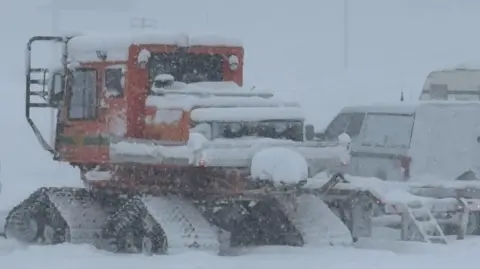
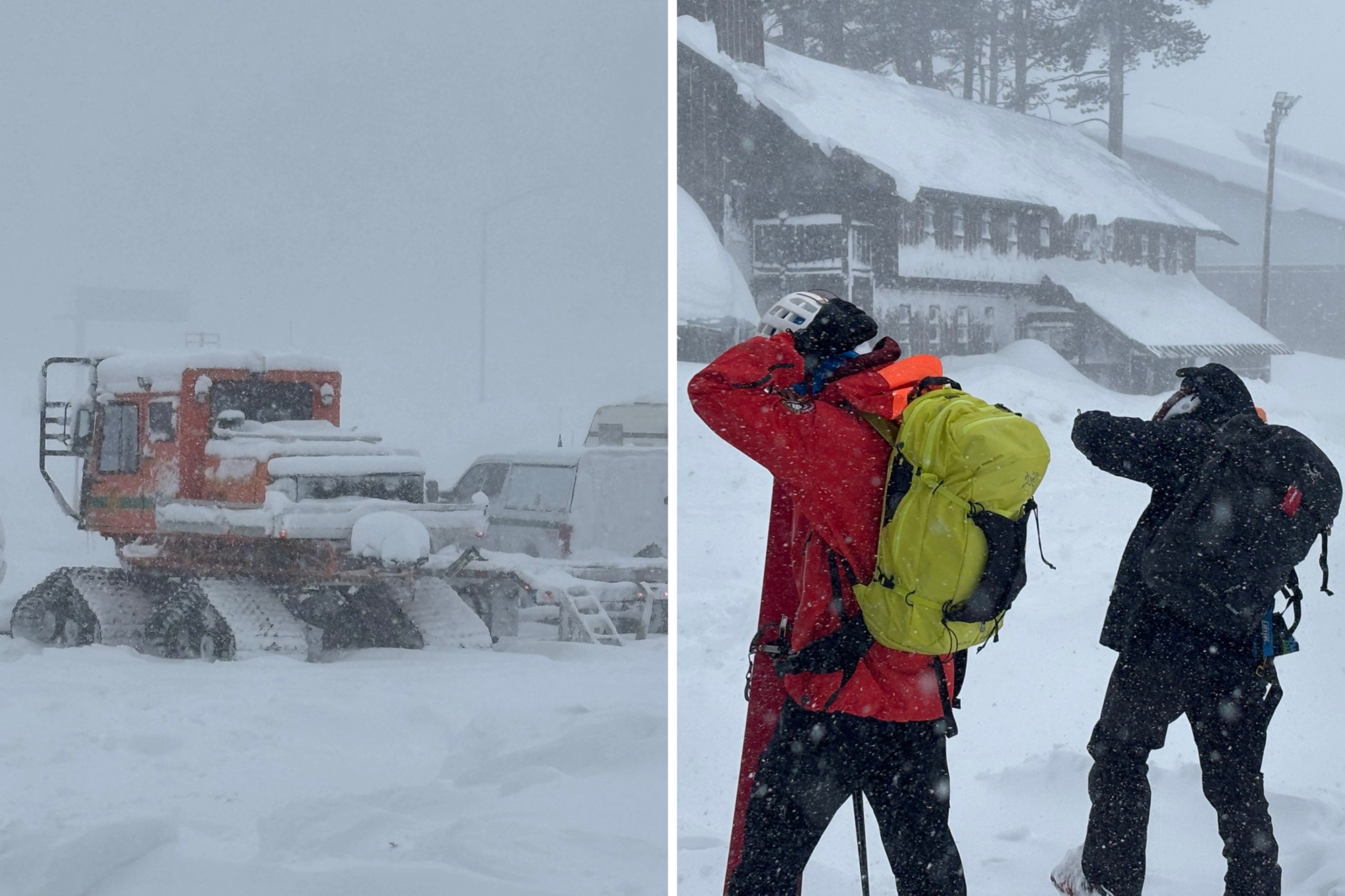
Rescue Teams Deploy Snowcat and Beacon Technology Approximately fifty responders, including ski‑rescue units from Boreal Mountain and Tahoe Donner, used a snowcat to reach a site two miles from the trailhead before skiing in on foot [5][10][13]. Survivors activated electronic beacons, iPhone satellite SOS messages, and text alerts, enabling rescuers to locate the six living skiers after about eleven hours [9][11][12]. One rescued skier remains hospitalized, and recovery of the eight bodies is on hold until weather improves [1][7][10].
Blackbird Mountain Guides Launch Investigation and Suspend Operations The guiding company, whose four guides held AMGA and AIARE certifications, opened an internal review of communications and decision‑making, and announced a suspension of all field trips through at least February 22 [1][2][6]. Guides are cooperating with Nevada County Sheriff’s Office investigators who are examining why the party proceeded after the avalanche warning [4][7][8]. The tour, priced at $1,165, required participants to carry beacons, probes, and shovels, though it is unclear whether inflatable airbags were used [6][9][13].
Officials and Community Offer Support Amid Ongoing Hazard Governor Gavin Newsom called the event a “horrible tragedy” and coordinated an all‑hands SAR effort, while Sugar Bowl Academy pledged grief counseling for athletes and families [9][10][1]. Avalanche forecasters in both California and the Pacific Northwest warned that the incoming storm could raise danger in the Cascades, urging the public to check nightly forecasts and carry essential rescue gear [3][5][8]. Road closures on Interstates 80 and 50 remain in effect, and authorities advise avoiding backcountry terrain until conditions stabilize [10][12][13].
Sources
-
1.
CNN: Deadly Lake Tahoe Avalanche Halts Body Recovery Amid Ongoing Storm: Details the eight deaths, ongoing recovery delays due to fresh snowfall, and Blackbird’s operation suspension .
-
2.
AP: Deadly Sierra Nevada Avalanche Claims Eight, Leaves One Missing: Highlights the group’s ties to Sugar Bowl Academy, beacon use, and storm‑driven recovery challenges .
-
3.
King5: California avalanche kills eight, prompts Washington safety warning: Connects the California tragedy to broader Pacific Northwest avalanche risk and includes a Washington father’s safety perspective .
-
4.
AP: Deadly Lake Tahoe Avalanche Claims Eight, Leaves One Missing: Provides casualty numbers, storm impact, and the avalanche watch‑to‑warning timeline .
-
5.
BBC: Avalanche Strikes Backcountry Ski Group in Truckee, California: Reports nine fatalities, highway closures, and the personal loss of a rescuer’s spouse .
-
6.
AP: Avalanche kills eight backcountry skiers on California’s Sierra Nevada: Focuses on the guide investigation, tour cost, and rapid snow accumulation data .
-
7.
WBNS: Eight Skier Deaths and One Missing After Deadliest U.S. Avalanche in Nearly 50 Years: Emphasizes the historical context and details the sheriff’s investigation of the warning issuance .
-
8.
King5: Eight skiers killed, one still missing after California avalanche: Mirrors other reports, stressing the watch‑to‑warning upgrade and rescue difficulties .
-
9.
CNN: Deadliest California Avalanche Claims Eight Lives, Leaves One Missing: Adds avalanche rating (D2.5), responder count, and Governor Newsom’s reaction .
-
10.
BBC: Eight Dead and One Missing After Lake Tahoe Avalanche: Notes road closures, victim demographics, and the joint rescue effort .
-
11.
Newsweek: Eight Killed in Sierra Nevada Avalanche as Rescue Turns to Recovery: Describes the shift to recovery mode and the use of satellite SOS alerts .
-
12.
BBC: Nine Missing After Lake Tahoe Avalanche, Rescue Effort Ongoing: Reports the revised participant count and high‑danger forecast through Wednesday .
-
13.
Newsweek: Search Ongoing for Missing Backcountry Skiers After California Avalanche: Highlights the early high‑danger warning and recent fatal incidents in the area .
Related Tickers
Timeline
1981 – The last U.S. avalanche with comparable casualties occurs on Mount Rainier, killing 11 climbers and establishing a benchmark for the severity of the 2026 Lake Tahoe event [6][9][13].
Jan 2026 – A fatal avalanche strikes the Castle Peak area, underscoring the region’s ongoing snowpack instability and foreshadowing the February disaster [7].
Jan 2026 – A snowmobiler dies in a separate avalanche at Johnson Peak/Castle Peak, adding to the recent string of backcountry fatalities in the Sierra Nevada [7].
Feb 17, 2026 – 6:49 a.m. – The Sierra Avalanche Center issues an avalanche watch for the Castle Peak backcountry, warning of possible large slides within 24‑48 hours [9][10][13].
Feb 17, 2026 – 5:00 a.m. – The watch upgrades to an avalanche warning, urging travelers to avoid avalanche terrain just hours before the group departs the trailhead [9][10][13].
Feb 17, 2026 – 11:30 a.m. – A D2.5 “football‑field‑size” avalanche erupts on the north‑facing slope near Castle Peak, burying eight skiers, leaving one missing, and rescuing six survivors after they activate beacons and an iPhone SOS [1][5][6][9][11][13].
Feb 17, 2026 – shortly after 11:30 a.m. – Roughly 50 specialized responders, including snowcats and ski units from Boreal Mountain, Tahoe Donner’s Alder Creek, and local sheriffs, navigate whiteout conditions and gale‑force winds to reach the site [1][2][6][7].
Feb 17, 2026 – afternoon – Sheriff Wayne Woo notes that a rescuer’s spouse is among the deceased but affirms the team’s commitment to rescue and recovery, while Capt. Russell “Rusty” Greene says the slide overtook the party “quickly” and warns the search will be “slow and tedious” [2][13].
Feb 17, 2026 – evening – Governor Gavin Newsom posts on X that the avalanche is a “horrible tragedy,” his office coordinates an all‑hands state SAR effort, and Nevada County Sheriff Shannan Moon announces a transition to a recovery mission for the eight victims [5][3].
Feb 18, 2026 – Crews recover eight bodies but leave the ninth victim’s remains buried because ongoing whiteout, 3‑6 feet of new snow, and high avalanche danger prevent safe retrieval; the Sierra Avalanche Center maintains a high‑danger warning through Wednesday [4][9][11].
Feb 18, 2026 – Forecasts call for an additional 1‑4 feet of snow Wednesday night through Thursday, raising the risk of further slides and delaying body recovery until a possible brief reprieve on Friday‑Saturday [4][9].
Feb 19, 2026 – Blackbird Mountain Guides suspends all field operations through at least Feb 22, 2026, launches an internal investigation, and pledges support for victims’ families while urging the public to avoid speculation [4][8].
Feb 19, 2026 – The Northwest Avalanche Center warns that a heavy‑snow system expected next week could elevate avalanche danger in the Cascades, echoing the California tragedy and urging travelers to check nightly forecasts [12].
Dive deeper (11 sub-stories)
-
CNN: Deadly Lake Tahoe Avalanche Halts Body Recovery Amid Ongoing Storm
-
AP: Deadly Sierra Nevada Avalanche Claims Eight, Leaves One Missing
-
King5 (Seattle, WA): California avalanche kills eight, prompts Washington safety warning
-
AP: Deadly Lake Tahoe Avalanche Claims Eight, Leaves One Missing
-
Avalanche in Truckee Claims Nine Lives, Leaves One Missing After Rescue Efforts
(2 articles)
-
AP: Avalanche kills eight backcountry skiers on California’s Sierra Nevada
-
Eight Skiers Killed, One Missing After Deadliest U.S. Avalanche Since 1981
(2 articles)
-
CNN: Deadliest California Avalanche Claims Eight Lives, Leaves One Missing
-
BBC: Eight Dead and One Missing After Lake Tahoe Avalanche
-
Newsweek: Eight Killed in Sierra Nevada Avalanche as Rescue Turns to Recovery
-
BBC: Nine Missing After Lake Tahoe Avalanche, Rescue Effort Ongoing
External resources (12 links)
- https://avalanche.state.co.us/accidents/us (cited 1 times)
- https://forecast.weather.gov/showsigwx.php?warnzone=CAZ072&warncounty=CAC017&firewxzone=CAZ272&local_place1=South%20Lake%20Tahoe%20CA&product1=Avalanche+Warning&lat=38.9416&lon=-119.9772 (cited 1 times)
- https://www.facebook.com/reel/1268885675121451 (cited 1 times)
- https://www.facebook.com/reel/896103729865191 (cited 1 times)
- https://x.com/CAgovernor/status/2024206111990226985?s=20 (cited 1 times)
- https://avalanche.org/avalanche-encyclopedia/avalanche/ (cited 3 times)
- https://avalanche.org/avalanche-accidents/#/report/4187d5a2-dbbc-437d-8ac8-8c5dd4d0b1f9 (cited 1 times)
- https://blackbirdguides.com/pages/live-incident-updates (cited 1 times)
- https://blackbirdguides.com/products/frog-lake-huts-private-guiding?variant=49391266070827 (cited 1 times)
- https://utahavalanchecenter.org/education/faq (cited 1 times)
- https://www.google.com/url?sa=t&rct=j&q=&esrc=s&source=web&cd=&cad=rja&uact=8&ved=2ahUKEwiLk4q80-GSAxX-6ckDHTx8NnsQFnoECBYQAQ&url=https%3A%2F%2Fwww.sierraavalanchecenter.org%2F&usg=AOvVaw0TF2aAxE6dEgFqRvVtvdnS&opi=89978449 (cited 1 times)
- https://www.truckeedonnerlandtrust.org/frog-lake-huts (cited 1 times)