U.S. Southern Command Executes Second Fatal Pacific Strike, Killing Three Narco‑Terrorists
Updated (100 articles)
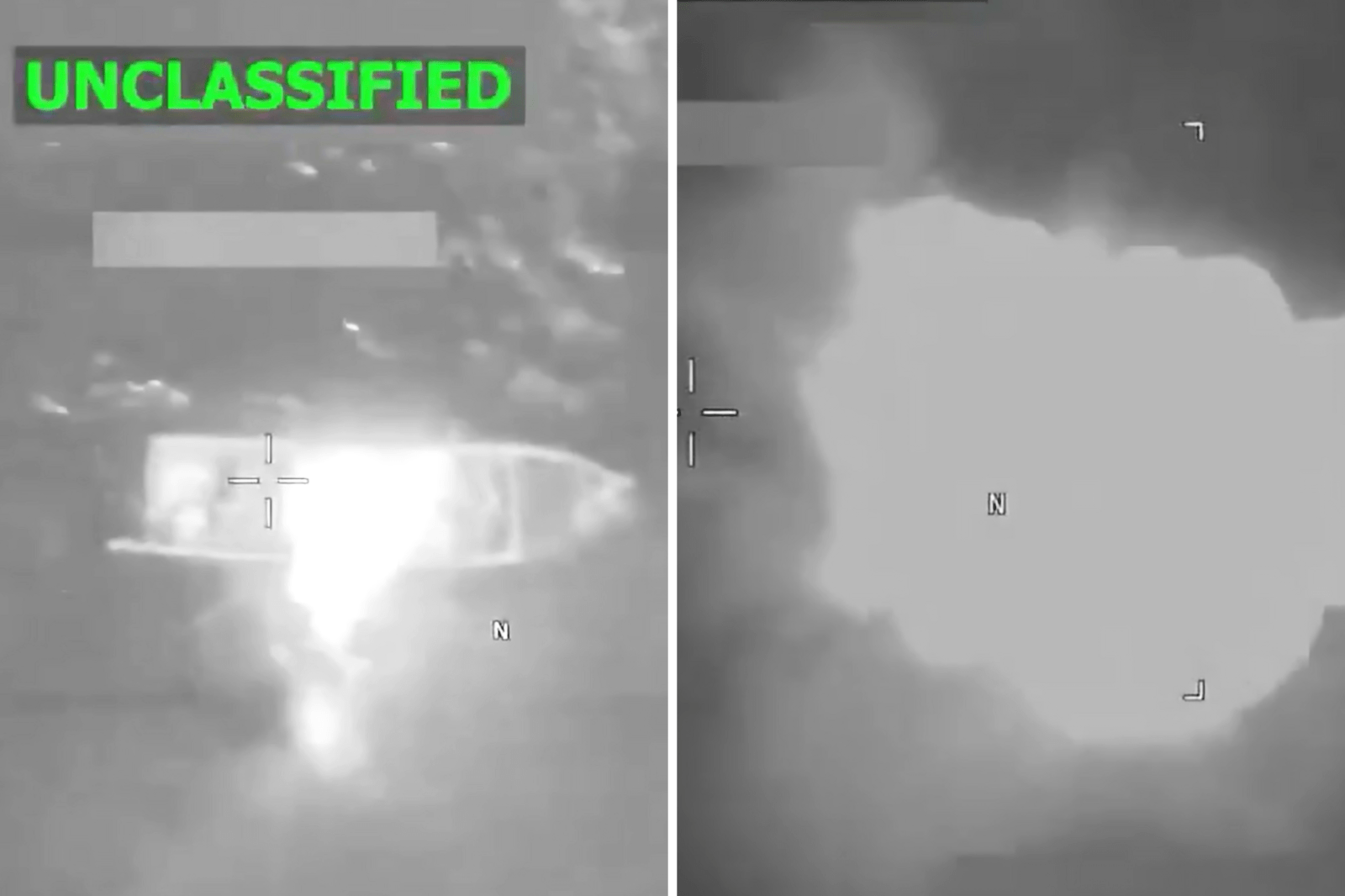
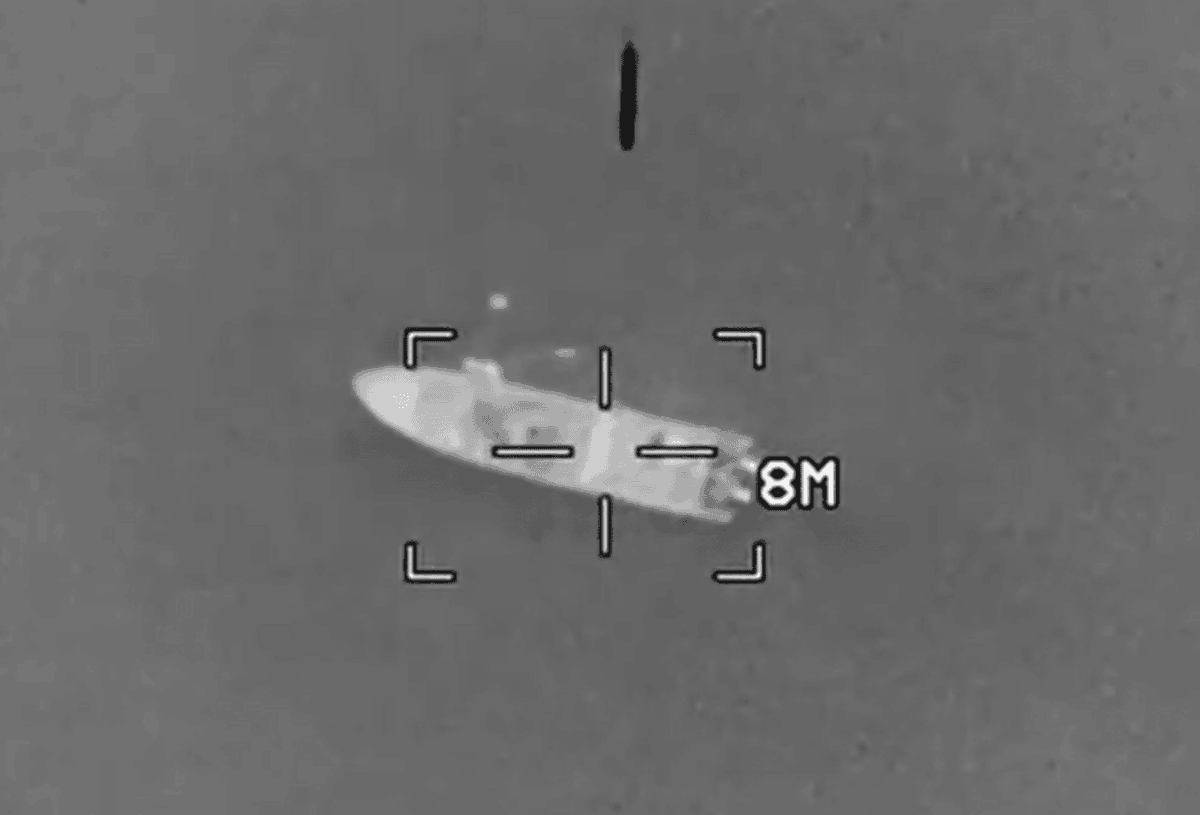
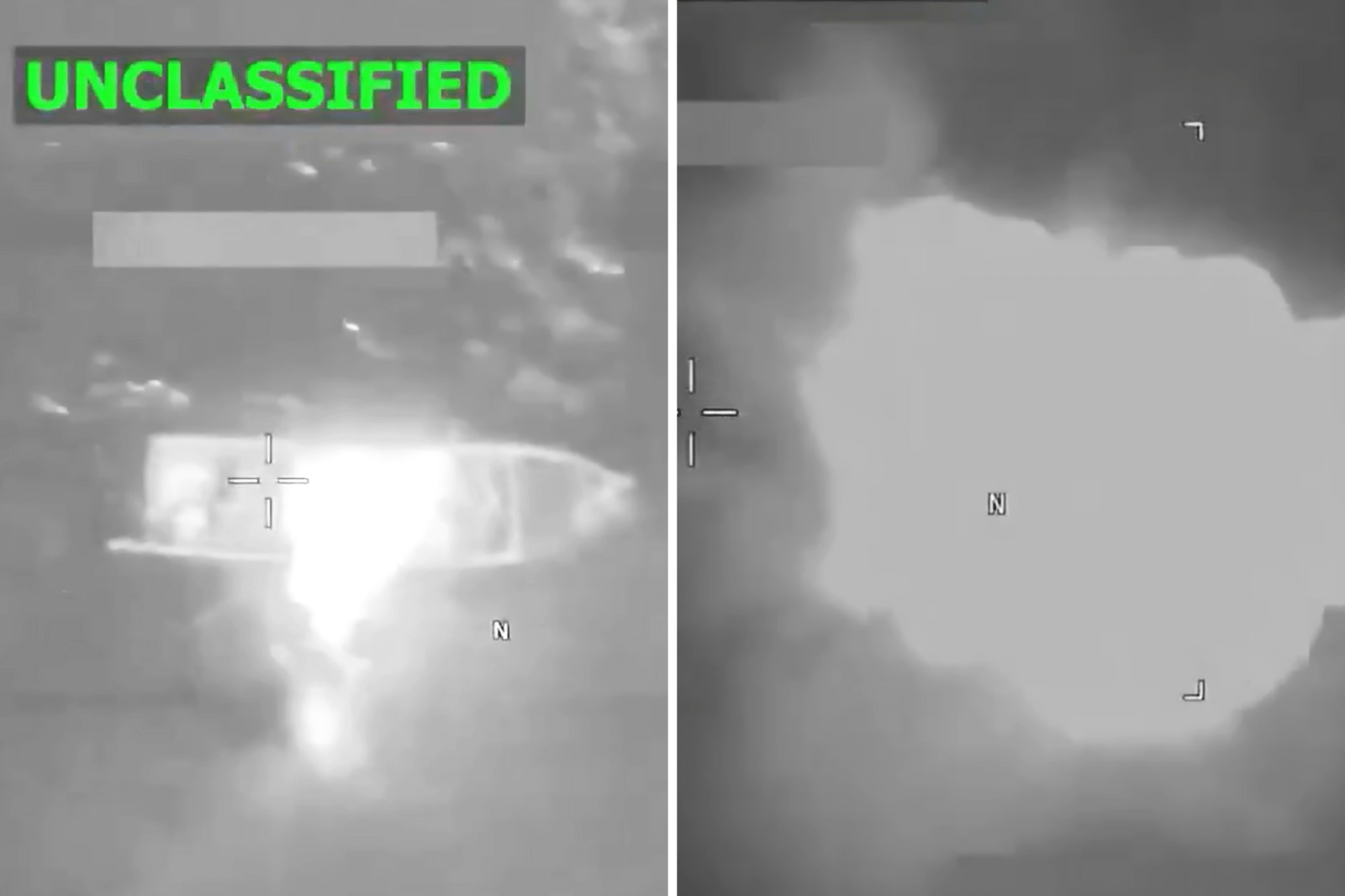
Strike Occurred on Feb. 20 Targeting Drug Vessel The U.S. Southern Command posted video of a lethal kinetic strike on Feb. 20 against a vessel transiting known narco‑trafficking routes in the eastern Pacific. Joint Task Force Southern Spear carried out the operation under orders from Gen. Francis L. Donovan, commander of SOUTHCOM. The strike killed three male suspects identified as narco‑terrorists and caused no U.S. casualties [1][2][3].
Operation Southern Spear Death Toll Approaches One Hundred Forty The latest attack brings the cumulative fatalities from Operation Southern Spear to at least 138 according to CNN, while the Associated Press counts 148 deaths across 43 incidents since September. Newsweek’s earlier report listed 145 deaths after the Feb. 18 strikes, indicating a slight discrepancy in tallies. All outlets agree the campaign has intensified, with six known attacks in 2026 and two strikes occurring within days [2][3][4].
Legal Experts and Lawmakers Question Strike Legality Critics argue the strikes may violate international law and label them potential war crimes, especially after reports of a “double‑tap” on survivors. President Trump has framed the operations as an armed conflict with Latin American cartels, but legal scholars dispute the enemy‑combatant justification. Congressional hearings are scrutinizing the Pacific and Caribbean attacks, with Democrats calling the killings murders and Republicans defending their legality [2][3][5].
Coast Guard Maintains Non‑Lethal Drug Interdictions Despite the military’s lethal campaign, the U.S. Coast Guard continues to interdict vessels and seize narcotics without using force. Coast Guard operations predate the September shift to kinetic strikes and remain active in the eastern Pacific. The dual approach underscores a separation between law‑enforcement interdictions and military kinetic actions [3][5].
Sources
-
1.
Newsweek: U.S. Southern Command Releases Video of Second Fatal Pacific Strike on Suspected Narco‑Terrorists: Video posted on Feb. 21 shows the Feb. 20 lethal strike, notes three fatalities, mentions Gen. Donovan’s orders, and highlights lack of vessel details.
-
2.
AP: U.S. Military Conducts Latest Deadly Strike on Pacific Drug Boat: Announces three deaths, raises total to 148 across 43 attacks, includes Trump’s war‑on‑cartels framing, and notes legal scholars’ criticism.
-
3.
CNN: US Military Strike on Pacific Drug Boat Kills Three: Confirms Feb. 20 strike, cites Gen. Donovan, updates cumulative death toll to 138, notes sixth 2026 attack and ongoing congressional scrutiny.
-
4.
Newsweek: U.S. Military Strikes Kill 11 Alleged Narco‑Terrorists in Pacific and Caribbean: Details Feb. 18 attacks killing 11, places total at 145 deaths, links strikes to Maduro capture, and mentions first U.S. casualty on the Iwo Jima.
-
5.
CNN: US Military Strikes Kill 11 on Three Alleged Drug Boats: Reports three vessels hit on Feb. 17, total deaths at least 135, references classified memo authorizing lethal force, and notes Coast Guard’s non‑lethal role.
Related Tickers
Videos (2)
Timeline
Sep 2, 2025 – The U.S. launches its first Operation Southern Spear strike, hitting a suspected drug‑smuggling vessel off Venezuela, killing nine crew members and splitting the boat in half; a follow‑up missile 41 minutes later destroys the capsized hull and kills two survivors who could not radio for help[17].
Sep 2, 2025 – Admiral Frank “Mitch” Bradley orders the second strike, saying the survivors “could not radio” and that the follow‑up was needed to prevent traffickers from escaping, a decision later defended as lawful under U.S. law[22].
Sep 2025 (through early 2026) – Operation Southern Spear logs at least 38 lethal strikes on Caribbean and Eastern Pacific vessels, causing more than 120 deaths as the Trump administration frames the campaign as a non‑international armed conflict against “narco‑terrorists”[1].
Dec 5, 2025 – The 22nd strike in the eastern Pacific kills four people, raising the cumulative death toll to at least 87; Defense Secretary Pete Hegseth defies criticism, insisting the operations are lawful and necessary[19].
Dec 7, 2025 – Speaking at the Reagan National Defense Forum, Hegseth defends the boat strikes and declares that President Trump “can order the use of force as he sees fit,” while noting the campaign’s death toll has risen to 87[16].
Dec 7, 2025 – “Saturday Night Live” airs a cold‑open parody of the strikes, with a line that the operation is part of “Operation Kill Everybody,” and the White House later confirms Admiral Bradley ordered the second strike[15].
Dec 8, 2025 – Bipartisan lawmakers, including Rep. Jim Himes, say the video of the September “double‑tap” strike should be released so “Americans can judge for themselves”[14].
Dec 8, 2025 – The 2025 National Defense Authorization Act inserts a provision requiring the Pentagon to turn over the unedited strike footage to the House and Senate Armed Services Committees[12].
Dec 9, 2025 – A defense‑spending bill ties 25 % of Hegseth’s travel budget to the release of the unedited video, while President Trump tells reporters “Whatever Pete Hegseth wants to do is OK with me”[5].
Dec 9, 2025 – The White House delays releasing the full September strike video; Trump later says he never promised the footage and defers the decision to Defense Secretary Hegseth[11].
Dec 15, 2025 – The U.S. military strikes three vessels in the eastern Pacific, killing eight people (three, two, and three on each boat) and President Trump calls the action a necessary escalation against drug cartels[10].
Dec 16, 2025 – The White House affirms that Admiral Bradley acted within his authority and U.S. law when he ordered the September 2 follow‑up strike, while President Trump says he would not have wanted a second strike[30].
Dec 18, 2025 – Two alleged drug‑trafficking boats are hit in the eastern Pacific, killing five; the attack marks the third strike that week and brings the weekly death count to 104[8].
Dec 22, 2025 – A low‑profile vessel is struck in the eastern Pacific, killing one person; the administration says the operation pressures Venezuelan President Nicolás Maduro and disrupts narcotics flows[28].
Dec 29, 2025 – A kinetic strike on a vessel operated by Designated Terrorist Organizations kills two men in international waters of the eastern Pacific; the operation is directed by Secretary of War Pete Hegseth[27].
Dec 30, 2025 – Southern Command posts that the Dec 29 strike killed two men and caused no U.S. casualties, reinforcing the campaign’s pattern of lethal kinetic actions[7].
Jan 1, 2026 – The U.S. military strikes two boats in the Caribbean/Eastern Pacific, killing five people; the attack follows a convoy strike the previous day that killed at least three, bringing the campaign’s total to over 30 strikes and 110 deaths since September 2025[3].
Jan 27, 2026 – Relatives of two Trinidadian men file a lawsuit in Boston federal court under the Death on the High Seas Act, alleging the Oct 14, 2025 strike that killed six men was an unlawful “lawless killing in cold blood”[2].
Feb 6, 2026 – U.S. Southern Command reports a strike on an alleged drug vessel in the Eastern Pacific that kills two people, marking the second strike of the year after a slowdown following the capture of Venezuelan President Nicolás Maduro in early January[1].
Feb 21, 2026 – Gen. Francis L. Donovan orders a kinetic strike on a vessel operated by Designated Terrorist Organizations, killing three; the cumulative death toll from Operation Southern Spear reaches at least 138, the sixth publicly known boat attack in 2026[6].
Feb 28, 2026 – President Trump announces a $12 billion farm‑aid package, providing $11 billion in one‑time payments to crop farmers and $1 billion for specialty crops, to be delivered by this date[13].
Dive deeper (14 sub-stories)
-
U.S. Southern Command Executes Second Fatal Pacific Strike, Killing Three Narco‑Terrorists
(37 articles)
-
Trinidadian Families File Boston Lawsuit Over 2025 U.S. Boat Strike
(3 articles)
-
Pentagon Refuses Full Release of September Drug‑Boat Strike Video Amid Congressional Pressure
(8 articles)
-
Congress Holds Classified Briefing on Pacific Boat Strikes While Subsidy Vote Delayed
(3 articles)
-
U.S. Defense and State Secretaries to Testify on Controversial Caribbean Boat Strikes
(30 articles)
-
Newsweek: Impeachment Articles Filed Against Secretary of Defense Pete Hegseth
-
Congress Ties Travel Funds to Release of Contested Boat‑Strike Video
(5 articles)
-
CNN: Supreme Court Hears Trump FTC Firing Case; Boat Strike Video Release Pending; Farm Aid Package Announced
-
Newsweek: SNL parodies Hegseth, Trump in wake of Venezuela strikes
-
U.S. Military Strike on Caribbean Drug Boat Triggers Congressional Oversight and Legal Scrutiny
(2 articles)
-
Newsweek: Coast Guard Sniper Highlights Record Cocaine Seizure in Eastern Pacific
-
Admiral Denies ‘Kill Them All’ Order as Video Shows Survivors Killed in Caribbean Strike
(3 articles)
-
IG Report Finds No Classified Leak, Yet Hegseth Faces Congressional Push for Removal
(3 articles)
-
Trump Calls Dec 3 Cabinet Meeting to Address Navy Boat Strike Controversy
(2 articles)
All related articles (100 articles)
-
Newsweek: U.S. Southern Command Releases Video of Second Fatal Pacific Strike on Suspected Narco‑Terrorists
-
AP: U.S. Military Conducts Latest Deadly Strike on Pacific Drug Boat
-
CNN: US Military Strike on Pacific Drug Boat Kills Three
-
Newsweek: U.S. Military Strikes Kill 11 Alleged Narco‑Terrorists in Pacific and Caribbean
-
CNN: US Military Strikes Kill 11 on Three Alleged Drug Boats
-
CNN: US Military Boat Strikes Kill 124, Prompt Ongoing Search Efforts
-
AP: U.S. Military Strikes Another Alleged Drug Boat, Raising Death Toll to 128
-
BBC: US Military Strikes Alleged Drug Boat, Killing Two Amid Growing Controversy
-
CNN: US Southern Command conducts second lethal boat strike in Pacific, killing two
-
BBC: Families of Trinidadian Victims Sue U.S. Over 2025 Boat Strike
-
CNN: Families of Two Trinidadian Men Sue U.S. Over 2025 Boat Strike
-
Newsweek: U.S. Military Kinetic Strike on Eastern Pacific Narco Vessel – Jan. 23 Update
-
CNN: US military strike on Pacific drug boat kills two, leaves one survivor (Jan 23)
-
AP: U.S. Military Strikes First Drug Boat Since Maduro Raid
-
CNN: Coast Guard suspends search after US strikes on alleged drug boats
-
AP: Coast Guard hunts survivors as boat-strike campaign widens search
-
Newsweek: Petro says survivors jumped into Pacific to escape U.S. attack on drug boats
-
BBC: US says five killed in strike on two drug-carrying boats
-
CNN: U.S. strikes on alleged drug boats kill at least eight over two days, with survivors abandoning ship
-
AP: U.S. military strikes five more alleged drug boats, eight killed, survivors possibly left
-
CNN: US strikes vessel in eastern Pacific, killing 2
-
The Hindu: U.S. Military says two men killed in strike on suspected drug vessel in Pacific
-
AP: US conducts 30th strike against drug-boat in eastern Pacific
-
The Hindu: U.S. strikes another alleged drug boat in eastern Pacific, killing one
-
CNN: US strikes low-profile vessel in eastern Pacific, killing one
-
AP: US strikes another drug-smuggling boat in the eastern Pacific, one killed
-
CNN: US strikes two alleged drug-trafficking boats in the eastern Pacific, five killed
-
Newsweek: Death toll from U.S. strikes on alleged drug boats passes 100
-
AP: U.S. conducts two more strikes on drug boats in the eastern Pacific, killing five
-
Newsweek: Four Men Killed in U.S. Eastern Pacific Drug‑Boat Strike on Dec 17
-
CNN: US strike on alleged drug boat kills four in eastern Pacific
-
AP: U.S. Military Boat Strike Kills Four, Raises Congressional Scrutiny
-
CNN: Pentagon refuses public release of full Sep 2 drug‑boat strike video
-
CNN: Trump Administration Briefings and Policy Standoff on Boat Strikes and Health‑Care Subsidies
-
BBC: Eight killed in latest strikes on alleged drug boats, US military says
-
AP: U.S. Officials to Testify on Controversial Boat Strikes Amid Legal Scrutiny
-
Newsweek: U.S. Southern Command Strikes Three Drug Vessels, Killing Eight
-
AP: U.S. Military Strikes Three Pacific Boats, Killing Eight
-
CNN: House Passes NDAA, Adds Provision for Boat‑Strike Video
-
Newsweek: Impeachment Articles Filed Against Secretary of Defense Pete Hegseth
-
CNN: US strikes on drug boats yield survivors treated differently
-
AP: Hegseth Weighs Release of Boat Strike Video Amid Congressional Demand
-
CNN: Trump boat-strike video: White House delays release as Congress seeks unedited footage
-
BBC: Congress ups pressure to release boat strike video with threat to Hegseth's travel budget
-
Newsweek: NDAA Provision Requires Pentagon to Release Unedited Strike Footage
-
CNN: Supreme Court Hears Trump FTC Firing Case; Boat Strike Video Release Pending; Farm Aid Package Announced
-
CNN: Trump Denies Saying He Would Release Video of Second Boat Strike
-
CNN: Trump Administration Revises Narrative on Second Drug Vessel Strike
-
CNN: Top bipartisan lawmakers back release of video from Caribbean boat strike
-
AP: GOP senator says he has no objection to releasing video of strike that killed two survivors
-
Newsweek: SNL parodies Hegseth, Trump in wake of Venezuela strikes
-
CNN: Trump’s Immunity Shields Those Behind 2025 Caribbean Boat Strikes
-
AP: Hegseth defends strikes on alleged cartel boats, says Trump can order use of force ‘as he sees fit’
-
CNN: Hegseth defends Caribbean counter-drug strikes amid scrutiny
-
Newsweek: Hegseth stops short of promising release of second-strike video
-
King5 (Seattle, WA): Hegseth defends strikes on cartel boats; Trump empowered to order force
-
CNN: US Boat Strike Linked to Suriname Trafficking Route
-
Newsweek: Coast Guard Sniper Highlights Record Cocaine Seizure in Eastern Pacific
-
AP: US Military Strikes Drug Boat Near Venezuela, Killing 87 People
-
Newsweek: U.S. Double‑Strike Vessel Not Bound for U.S.; Targeted Boat Heading to Suriname, CNN Reports
-
CNN: Admiral Bradley Confirms Survivors Unable to Call for Help in September 2 Drug Vessel Strike
-
AP: Admiral denies “kill them all” order after U.S. Navy boat attack video circulates
-
BBC: US Continues Drone and Naval Strikes on Alleged Drug Boats, Expands Covert Operations in Venezuela
-
Newsweek: Hegseth Stands Firm Amid 22nd Drug‑Boat Strike and Growing Scrutiny
-
AP: Admiral Denies “Kill Them All” Order Amid Video‑Alarming Congressional Briefing
-
CNN: US Military Strikes Suspected Drug Boat in Eastern Pacific, Killing Four
-
Newsweek: US Military Conducts 22nd Drug‑Boat Strike in Eastern Pacific Amid Ongoing Controversy
-
BBC: Congressional Review of US Boat Strike in Caribbean Raises Questions for Hegseth
-
CNN: Congressional Split Over Second Strike on Alleged Drug Vessel
-
CNN: Admiral Briefs Congress on Controversial Drug Boat Strikes as Trump Defends Hegseth
-
Newsweek: U.S. Congress Seeks Full Account of Caribbean Boat Strike
-
CNN: Trump’s Second Caribbean Boat Strike Sparks Legal and Public Opinion Debate
-
AP: Navy Admiral Briefs Lawmakers on Boat Strike Attack
-
CNN: Admiral Bradley to Brief Congress on September 2 Drug‑Boat Strike
-
AP: Pentagon Knew Survivors After September Drug Boat Strike, Still Ordered Follow‑On Attack
-
CNN: Hegseth Faces IG Report Over Signal Leak and Caribbean Strike
-
Newsweek: Pentagon Knew Survivors After First Strike, Yet Second Attack Occurred
-
AP: Pete Hegseth Faces Congressional Scrutiny Over Venezuelan Strike
-
CNN: Trump promises release of video from second Caribbean strike
-
CNN: Hegseth Denies Direct Order for Second Caribbean Strike
-
CNN: Trump Administration Clarifies No Involvement in Second Strike on Alleged Drug Boat
-
AP: Hegseth Defends Second Strike on Alleged Drug Boat, Citing “Fog of War”
-
CNN: Republicans Split on U.S. Double‑Tap Strike on Drug Vessel
-
BBC: US Defence Secretary Clarifies Role in 2 September Drug‑Boat Strike
-
AP: Trump to Convene Cabinet Meeting Amid Boat Strike Scrutiny
-
BBC: White House Confirms Admiral Ordered Second Strike on Venezuelan Drug Boat
-
CNN: US Military Boat Strike Raises War‑Crime Questions
-
Newsweek: Admiral Frank Bradley Endorsed by Hegseth Amid Venezuela‑Related Strike Controversy
-
AP: White House Defends Admiral’s Follow‑Up Strike on Alleged Drug Boat as Lawful
-
AP: Second U.S. Boat Strike in September Raises Legal Questions
-
CNN: Congress Seeks Audio‑Video Evidence of Second U.S. Strike on Alleged Drug Boat
-
Newsweek: Defense Secretary Hegseth Defends Admiral Bradley Amid Second Boat Strike Controversy
-
CNN: White House Confirms Second U.S. Boat Strike, Hegseth Defends Actions
-
AP: Trump to Convene National Security Meeting Over September Boat Strike
-
CNN: Hegseth’s Pentagon Press Restrictions and the Controversial Drug‑Boat Strikes
-
King5 (Seattle, WA): White House Defends Admiral's Follow‑Up Strike on Alleged Drug Boat
-
Newsweek: Republicans Demand Probe into Pete Hegseth’s Boat Strikes
-
Newsweek: Defense Secretary Hegseth Responds to Criticism Over Alleged Second Strike on Drug Boat
-
CNN: Congress Questions Legality of Second Strike on Alleged Drug Vessel
-
CNN: US Military Conducts Second Strike Killing Survivors on Suspected Drug Vessel
External resources (69 links)
- https://www.youtube.com/live/U0xA3_FO7u4?si=gZk2LbIGMDAK1DJF&t=2538 (cited 1 times)
- https://www.youtube.com/watch?v=k0XDJjisTh0 (cited 1 times)
- https://www.youtube.com/watch?v=mSMcTTiRam8 (cited 1 times)
- https://rules.house.gov/sites/evo-subsites/rules.house.gov/files/documents/rcp_xml-2.pdf (cited 1 times)
- https://uscode.house.gov/view.xhtml?req=granuleid:USC-prelim-title10-section824a&num=0&edition=prelim (cited 1 times)
- https://www.state.gov/designation-of-international-cartels (cited 1 times)
- https://www.state.gov/releases/office-of-the-spokesperson/2025/09/secretary-of-state-marco-rubio-and-mexican-foreign-secretary-juan-ramon-de-la-fuente-at-a-joint-press-availability (cited 1 times)
- https://www.state.gov/releases/office-of-the-spokesperson/2025/09/secretary-of-state-marco-rubio-remarks-to-press (cited 1 times)
- https://www.state.gov/wp-content/uploads/2025/03/2025-International-Narcotics-Control-Strategy-Volume-1-Accessible.pdf (cited 1 times)
- https://www.washingtonpost.com/national-security/2025/11/28/hegseth-kill-them-all-survivors-boat-strike/ (cited 6 times)
- https://www.politico.com/news/2025/12/08/ndaa-boat-strikes-congress-hegseth-without-funds-00680679 (cited 2 times)
- https://www.vanityfair.com/news/story/trump-susie-wiles-interview-exclusive-part-1 (cited 2 times)
- https://www.ap.org/news-highlights/spotlights/2024/john-thune-is-striving-to-be-the-next-republican-senate-leader-but-can-he-rise-in-trumps-gop/ (cited 1 times)
- https://www.ap.org/news-highlights/spotlights/2025/the-atlantic-releases-the-signal-chat-showing-hegseths-detailed-attack-plans-against-the-houthis/ (cited 1 times)
- https://www.nationalreview.com/corner/this-might-be-the-worst-argument-ive-ever-read/ (cited 1 times)
- https://www.nytimes.com/2025/12/06/us/politics/pete-hegseth-boat-attack-video.html (cited 1 times)
- https://www.nytimes.com/2025/12/09/us/politics/pentagon-boat-strike-survivors.html (cited 1 times)
- https://www.politico.com/news/2025/10/28/trump-counts-on-public-support-for-drug-boat-strikes-without-congressional-approval-00626065 (cited 1 times)
- https://www.politico.com/news/2025/12/09/donald-trump-full-interview-transcript-00681693 (cited 1 times)
- https://www.reuters.com/world/us/just-29-americans-support-us-military-killing-drug-suspects-reutersipsos-poll-2025-11-14/ (cited 1 times)
- https://www.documentcloud.org/documents/26336195-unclassified-inspector-general-report-on-hegseth-use-of-signal/ (cited 2 times)
- https://www.documentcloud.org/documents/26341039-national-security-strategy/ (cited 2 times)
- https://www.documentcloud.org/documents/26378920-law-of-war-manual/ (cited 1 times)
- https://x.com/SecWar/status/1994552598142038358 (cited 4 times)
- https://truthsocial.com/@realDonaldTrump/posts/115136798909755892 (cited 2 times)
- https://truthsocial.com/@realDonaldTrump/posts/115686072737425841 (cited 2 times)
- https://x.com/SecWar (cited 2 times)
- https://x.com/SecWar/status/1994552598142038358?s=20 (cited 2 times)
- https://x.com/Southcom/status/1996726797086457886?s=20 (cited 2 times)
- https://x.com/SusieWiles/status/2000943061627548148?s=20 (cited 2 times)
- https://x.com/jonkarl/status/1998128887180472659 (cited 2 times)
- https://x.com/susiewiles/status/2000943061627548148?s=46&t=LIC6EJperuKtSHHmaxh_IQ (cited 2 times)
- https://t.co/69ywxXk30N (cited 1 times)
- https://twitter.com/SecWar?ref_src=twsrc%5Etfw (cited 1 times)
- https://x.com/AndrewKolvet/status/1996706611029532744 (cited 1 times)
- https://x.com/DeptofWar (cited 1 times)
- https://x.com/PeteHegseth/status/1995291042346852861 (cited 1 times)
- https://x.com/PeteHegseth/status/1996757617427824861?s=20 (cited 1 times)
- https://x.com/SeanParnellUSA/status/1994556986768155105 (cited 1 times)
- https://x.com/SenSchumer/status/1996669529267884292 (cited 1 times)
- https://x.com/Southcom/status/1996726797086457886 (cited 1 times)
- https://x.com/Southcom/status/2001464448750621120 (cited 1 times)
- https://x.com/Southcom/status/2001840669313135099 (cited 1 times)
- https://x.com/Southcom/status/2003303616963133694 (cited 1 times)
- https://x.com/Southcom/status/2005776276100207032?s=20 (cited 1 times)
- https://x.com/Southcom/status/2006474817076330557?s=20 (cited 1 times)
- https://x.com/Southcom/status/2006531145844867143?s=20 (cited 1 times)
- https://x.com/Southcom/status/2019599912107712962?s=20 (cited 1 times)
- https://x.com/Southcom/status/2025006036776878463?s=20 (cited 1 times)
- https://x.com/StevenCheung47/status/1995221152910991566 (cited 1 times)
- https://x.com/mkraju/status/1995637021956866231 (cited 1 times)
- https://x.com/selinawangtv/status/1998129632500183307?s=20 (cited 1 times)
- https://www.oyez.org/cases/1900-1940/295us602 (cited 4 times)
- http://bloomberg.com/news/articles/2025-12-08/trump-set-to-unveil-12-billion-aid-for-farmers-hit-by-trade-war (cited 2 times)
- https://supreme.justia.com/cases/federal/us/295/602/ (cited 2 times)
- https://theintercept.com/2025/09/10/u-s-attacked-boat-near-venezuela-multiple-times-to-kill-survivors/ (cited 2 times)
- https://www.justsecurity.org/125948/illegal-orders-shipwrecked-boat-strike-survivors/ (cited 2 times)
- https://www.news.uscg.mil/Press-Releases/Article/4406849/coast-guard-offloads-over-1335-million-in-illicit-drugs-interdicted-in-eastern/ (cited 2 times)
- https://casebook.icrc.org/a_to_z/glossary/hors-de-combat (cited 1 times)
- https://ogc.osd.mil/Portals/99/department_of_defense_law_of_war_manual.pdf (cited 1 times)
- https://rollcall.com/factbase/trump/transcript/donald-trump-remarks-fuel-standards-environment-december-3-2025/#220 (cited 1 times)
- https://www.aclu.org/cases/burnley-v-united-states?document=Complaint#legal-documents (cited 1 times)
- https://www.execfunctions.org/p/a-dishonorable-strike?r=4xo6yq&utm_campaign=post&utm_medium=web (cited 1 times)
- https://www.hpcrresearch.org/blog/ofilio-mayorga/2013-05-08/double-tap-drone-strikes-and-denial-quarter-ihl/ (cited 1 times)
- https://www.justsecurity.org/97455/ukraine-russia-double-tap-strikes/ (cited 1 times)
- https://www.natesilver.net/p/trump-approval-ratings-nate-silver-bulletin (cited 1 times)
- https://www.ohchr.org/en/press-releases/2025/11/unprovoked-lethal-strikes-united-states-against-vessels-sea-may-amount (cited 1 times)
- https://www.semafor.com/article/12/01/2025/trumps-push-against-venezuela-faces-republican-blowback-at-pivotal-moment (cited 1 times)