U.S. Southern Command Executes Second Fatal Pacific Strike, Killing Three Narco‑Terrorists
Updated (37 articles)
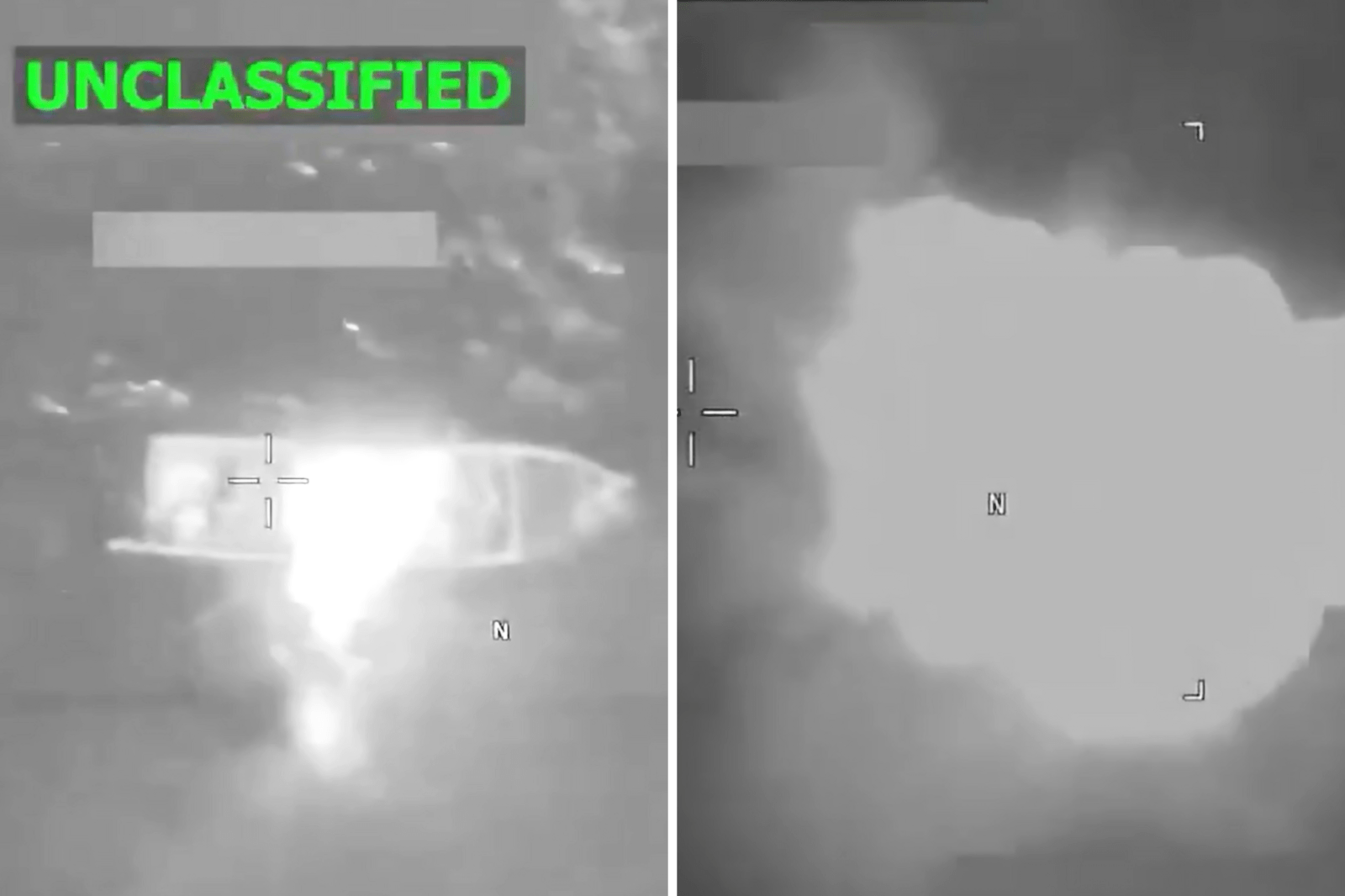
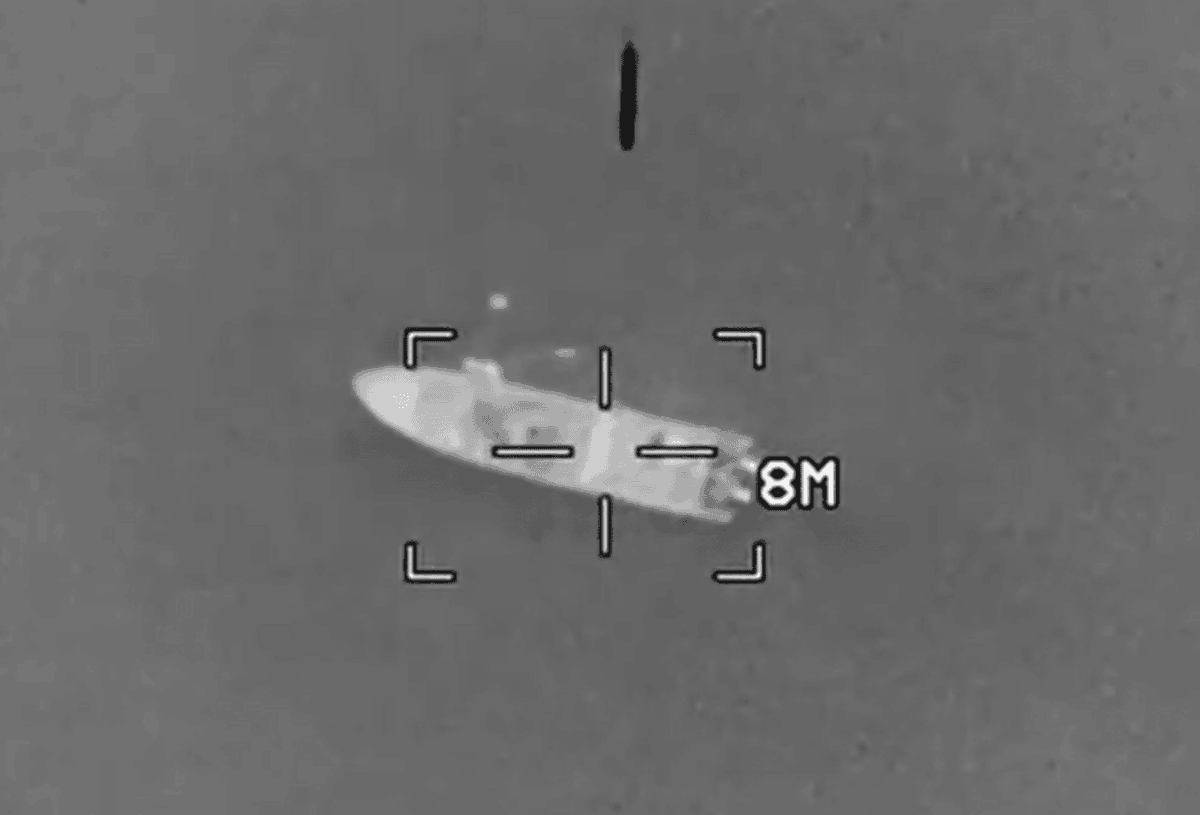
Strike Conducted on Feb. 20 Vessel in Eastern Pacific The U.S. Southern Command posted video on Feb. 20 showing a kinetic strike that hit a boat transiting known narco‑trafficking routes in the eastern Pacific. Gen. Francis L. Donovan ordered Joint Task Force Southern Spear to engage the vessel, which intelligence identified as operated by Designated Terrorist Organizations. The attack killed three male suspects and caused no U.S. personnel injuries [1][2][3].
Cumulative Death Toll Reaches Over 138 Across Campaign The latest strike brings the total number of people killed in the Trump administration’s anti‑drug campaign to at least 138, according to CNN, while AP reports the figure has risen to 148 across 43 incidents [2][3]. Newsweek notes 145 deaths from more than 40 strikes since September, and an earlier CNN report listed 135 fatalities, highlighting slight discrepancies in counting methods [4][5]. All outlets agree the campaign’s tempo has accelerated, with six known attacks in 2026 and two lethal strikes occurring within days [3][5].
Legal and Congressional Scrutiny Intensifies Over Strike Legality Legal scholars and Democratic lawmakers label the strikes as potential violations of international law and possible war crimes, especially after reports of “double‑tap” attacks on survivors [2][5]. President Trump frames the operations as an “armed conflict” with Latin American cartels, but critics argue the U.S. lacks a formal declaration of war and that most fentanyl enters the United States via land routes [2][4]. Congressional committees have launched investigations into the legal justifications and the classified memo that authorized lethal force against a secret list of traffickers [4][5].
Coast Guard Continues Non‑lethal Interdictions Amid Military Campaign Despite the surge in lethal strikes, the U.S. Coast Guard remains active in non‑lethal interdictions, seizing narcotics and boarding vessels without using force [3][5]. Before September, drug interdiction was primarily a law‑enforcement task; the Coast Guard’s role now complements the military’s kinetic operations [3][5].
Sources
-
1.
Newsweek: U.S. Southern Command Releases Video of Second Fatal Pacific Strike on Suspected Narco‑Terrorists: Details the Feb. 20 lethal strike, three deaths, Gen. Donovan’s orders, and notes lack of vessel specifics .
-
2.
AP: U.S. Military Conducts Latest Deadly Strike on Pacific Drug Boat: Reports three fatalities, total death toll of 148 across 43 attacks, Trump’s “war on cartels” framing, and legal criticisms .
-
3.
CNN: US Military Strike on Pacific Drug Boat Kills Three: Confirms three deaths, operation under Southern Spear, cumulative toll of 138, and congressional scrutiny .
-
4.
Newsweek: U.S. Military Strikes Kill 11 Alleged Narco‑Terrorists in Pacific and Caribbean: Covers earlier Feb. 18 attacks killing 11, overall campaign death count of 145, and legal backlash .
-
5.
CNN: US Military Strikes Kill 11 on Three Alleged Drug Boats: Describes three‑boat attack killing 11, total deaths of at least 135, classified memo authorizing lethal force, and ongoing Coast Guard non‑lethal efforts .
Related Tickers
Timeline
Sep 2, 2025 – The U.S. Navy fires missiles at a vessel off Venezuela suspected of carrying cocaine, then orders a second strike that kills two survivors clinging to the wreckage, prompting congressional requests for the execution order and rules of engagement [28].
Sep 5, 2025 – The Department of Justice’s Office of Legal Counsel issues a 40‑page opinion classifying drug trafficking as a terrorist activity, giving the military legal cover to use lethal force against “designated terrorist organizations” [28].
Dec 4, 2025 – After a three‑week pause, the 22nd “Southern Spear” strike hits a small Eastern Pacific vessel, killing four and raising the cumulative death toll to at least 87; bipartisan investigations into the campaign’s legality intensify [25].
Dec 10, 2025 – Survivors of earlier boat strikes receive disparate treatment: some are rescued, while others are allegedly killed in a follow‑on “double‑tap” ordered by Admiral Bradley, sparking expert criticism that the actions may breach the law of armed conflict [24].
Dec 15, 2025 – U.S. forces strike three drug‑smuggling boats in the Eastern Pacific, killing eight men (three, two, and three on each vessel) and labeling the targets “designated terrorist organizations” despite providing no public evidence of narcotics links [27].
Dec 17, 2025 – Four men are killed when a kinetic strike hits a suspected narco‑terrorist vessel; Defense Secretary Pete Hegseth orders the attack, and President Trump later claims a “94 % drop in drug shipments by sea” [22].
Dec 18, 2025 – A series of strikes on two vessels kills five people, pushing the overall death toll from the campaign past 100; House Republicans reject Democratic resolutions demanding congressional authorization for further strikes [20].
Dec 22, 2025 – A low‑profile Eastern Pacific vessel is hit, killing one person; the Pentagon posts video of the explosion and repeats the claim that the boat was on a known narco‑trafficking route [18].
Dec 23, 2025 – Another low‑profile vessel is struck, killing one; President Trump warns Venezuela’s Maduro that the U.S. has a “massive armada” in South America and that further resistance will be the “last time” [18].
Dec 29, 2025 – A kinetic strike on a suspected drug boat in international waters kills two men; the operation is directed by Secretary of War Pete Hegseth and described as targeting a vessel operated by Designated Terrorist Organizations [17].
Dec 30, 2025 – Two consecutive days of strikes on New Year’s Eve kill five people aboard two boats, part of a three‑day campaign that also saw a Monday strike kill two in the Eastern Pacific [15].
Dec 31, 2025 – A second New Year’s Eve strike hits two boats, killing five more crew members and prompting the Coast Guard to launch a search‑and‑rescue effort [15].
Jan 2, 2026 – The U.S. Coast Guard suspends a 65‑hour search for survivors after a convoy strike near the Mexico‑Guatemala border, citing exhausted resources and a low probability of finding anyone alive [13].
Early Jan 2026 – U.S. forces capture Venezuelan President Nicolás Maduro and his wife aboard the USS Iwo Jima, transporting them to New York for narco‑terrorism charges; the operation coincides with a surge in maritime strikes aimed at pressuring Caracas [7].
Jan 23, 2026 – The first lethal strike since the Maduro raid hits a suspected drug‑trafficking vessel in the Eastern Pacific, killing two and leaving one survivor; Southern Command alerts the Coast Guard for a rescue, and Defense Secretary Pete Hegseth is credited with directing the operation on X [10].
Feb 5, 2026 – Joint Task Force Southern Spear conducts a kinetic strike on a vessel identified as a Designated Terrorist Organization, killing two; the attack is ordered by newly appointed SOUTHCOM commander Gen. Francis L. Donovan, who assumes command the same day [9].
Feb 6, 2026 – A strike on an Eastern Pacific drug boat kills two; Defense Secretary Pete Hegseth posts that “some top cartel drug‑traffickers… have decided to cease all narcotics operations INDEFINITELY,” while families of two Trinidadian victims file a wrongful‑death lawsuit alleging unlawful killings [8][9].
Feb 10, 2026 – Marine Lance Corporal Chukwuemeka Oforah dies after falling overboard from the USS Iwo Jima during the Maduro capture operation, marking the first U.S. casualty in the region and triggering a 72‑hour search involving five Navy ships and ten aircraft [7].
Feb 17, 2026 – U.S. forces strike three alleged drug‑trafficking boats (two in the Pacific, one in the Caribbean), killing all 11 occupants; a classified legal memo released last fall authorizes lethal force against a secret list of at least two dozen cartels, and the campaign death toll rises to 135 [5].
Feb 18, 2026 – Another set of strikes kills 11 (eight in the Pacific, three in the Caribbean), bringing the cumulative death count to at least 145; lawmakers intensify criticism, labeling the attacks “civilian murders” and linking them to the broader pressure campaign on Maduro [7].
Feb 20, 2026 – A kinetic strike in the Eastern Pacific kills three suspected narco‑terrorists; the operation is ordered by Gen. Francis L. Donovan and marks the sixth publicly known boat attack of 2026 [4].
Feb 21, 2026 – Southern Command releases video confirming the Feb 20 strike as the second fatal Pacific attack that week, noting no U.S. personnel are injured and raising the overall Operation Southern Spear death toll to 138; the White House asserts the campaign does “more for the victims than Democrats ever did,” while Congress continues intensive scrutiny [6][1].
Dive deeper (24 sub-stories)
-
U.S. Southern Command Confirms Feb. 20 Pacific Strike Killing Three Narco‑Terrorists
(3 articles)
-
AP: U.S. Military Conducts Latest Deadly Strike on Pacific Drug Boat
-
US Military Kills Three on Pacific Drug Boat in Feb 20 Strike
(7 articles)
-
Newsweek: U.S. Military Strikes Kill 11 Alleged Narco‑Terrorists in Pacific and Caribbean
-
CNN: US Military Strikes Kill 11 on Three Alleged Drug Boats
-
CNN: US Military Boat Strikes Kill 124, Prompt Ongoing Search Efforts
-
AP: U.S. Military Strikes Another Alleged Drug Boat, Raising Death Toll to 128
-
US Military Strike Kills Two on Alleged Drug Boat, Raising Legal and Political Controversy
(2 articles)
-
Newsweek: U.S. Military Kinetic Strike on Eastern Pacific Narco Vessel – Jan. 23 Update
-
AP: U.S. Military Strikes First Drug Boat Since Maduro Raid
-
CNN: Coast Guard suspends search after US strikes on alleged drug boats
-
AP: Coast Guard hunts survivors as boat-strike campaign widens search
-
Newsweek: Petro says survivors jumped into Pacific to escape U.S. attack on drug boats
-
BBC: US says five killed in strike on two drug-carrying boats
-
CNN: U.S. strikes on alleged drug boats kill at least eight over two days, with survivors abandoning ship
-
U.S. Military Strikes Five Drug Boats, Killing Eight and Leaving Survivors Adrift
(2 articles)
-
The Hindu: U.S. Military says two men killed in strike on suspected drug vessel in Pacific
-
U.S. Military Strikes Eastern Pacific Drug Boat, One Killed, December 22, 2025
(2 articles)
-
CNN: US strikes low-profile vessel in eastern Pacific, killing one
-
Newsweek: Death toll from U.S. strikes on alleged drug boats passes 100
-
Latest Pacific Boat Strike Kills Four, Raising Congressional Scrutiny Over U.S. Anti‑Drug Campaign
(2 articles)
-
US Military Strikes Three Pacific Drug Boats, Killing Eight in Latest Operation
(2 articles)
-
CNN: US strikes on drug boats yield survivors treated differently
-
Newsweek: US Military Conducts 22nd Drug‑Boat Strike in Eastern Pacific Amid Ongoing Controversy
All related articles (37 articles)
-
Newsweek: U.S. Southern Command Releases Video of Second Fatal Pacific Strike on Suspected Narco‑Terrorists
-
AP: U.S. Military Conducts Latest Deadly Strike on Pacific Drug Boat
-
CNN: US Military Strike on Pacific Drug Boat Kills Three
-
Newsweek: U.S. Military Strikes Kill 11 Alleged Narco‑Terrorists in Pacific and Caribbean
-
CNN: US Military Strikes Kill 11 on Three Alleged Drug Boats
-
CNN: US Military Boat Strikes Kill 124, Prompt Ongoing Search Efforts
-
AP: U.S. Military Strikes Another Alleged Drug Boat, Raising Death Toll to 128
-
BBC: US Military Strikes Alleged Drug Boat, Killing Two Amid Growing Controversy
-
CNN: US Southern Command conducts second lethal boat strike in Pacific, killing two
-
Newsweek: U.S. Military Kinetic Strike on Eastern Pacific Narco Vessel – Jan. 23 Update
-
CNN: US military strike on Pacific drug boat kills two, leaves one survivor (Jan 23)
-
AP: U.S. Military Strikes First Drug Boat Since Maduro Raid
-
CNN: Coast Guard suspends search after US strikes on alleged drug boats
-
AP: Coast Guard hunts survivors as boat-strike campaign widens search
-
Newsweek: Petro says survivors jumped into Pacific to escape U.S. attack on drug boats
-
BBC: US says five killed in strike on two drug-carrying boats
-
CNN: U.S. strikes on alleged drug boats kill at least eight over two days, with survivors abandoning ship
-
AP: U.S. military strikes five more alleged drug boats, eight killed, survivors possibly left
-
CNN: US strikes vessel in eastern Pacific, killing 2
-
The Hindu: U.S. Military says two men killed in strike on suspected drug vessel in Pacific
-
AP: US conducts 30th strike against drug-boat in eastern Pacific
-
The Hindu: U.S. strikes another alleged drug boat in eastern Pacific, killing one
-
CNN: US strikes low-profile vessel in eastern Pacific, killing one
-
AP: US strikes another drug-smuggling boat in the eastern Pacific, one killed
-
CNN: US strikes two alleged drug-trafficking boats in the eastern Pacific, five killed
-
Newsweek: Death toll from U.S. strikes on alleged drug boats passes 100
-
AP: U.S. conducts two more strikes on drug boats in the eastern Pacific, killing five
-
Newsweek: Four Men Killed in U.S. Eastern Pacific Drug‑Boat Strike on Dec 17
-
CNN: US strike on alleged drug boat kills four in eastern Pacific
-
AP: U.S. Military Boat Strike Kills Four, Raises Congressional Scrutiny
-
BBC: Eight killed in latest strikes on alleged drug boats, US military says
-
Newsweek: U.S. Southern Command Strikes Three Drug Vessels, Killing Eight
-
AP: U.S. Military Strikes Three Pacific Boats, Killing Eight
-
CNN: US strikes on drug boats yield survivors treated differently
-
AP: US Military Strikes Drug Boat Near Venezuela, Killing 87 People
-
CNN: US Military Strikes Suspected Drug Boat in Eastern Pacific, Killing Four
-
Newsweek: US Military Conducts 22nd Drug‑Boat Strike in Eastern Pacific Amid Ongoing Controversy
External resources (17 links)
- https://x.com/Southcom/status/1996726797086457886?s=20 (cited 2 times)
- https://t.co/69ywxXk30N (cited 1 times)
- https://twitter.com/SecWar?ref_src=twsrc%5Etfw (cited 1 times)
- https://x.com/AndrewKolvet/status/1996706611029532744 (cited 1 times)
- https://x.com/PeteHegseth/status/1996757617427824861?s=20 (cited 1 times)
- https://x.com/SecWar (cited 1 times)
- https://x.com/SenSchumer/status/1996669529267884292 (cited 1 times)
- https://x.com/Southcom/status/2001464448750621120 (cited 1 times)
- https://x.com/Southcom/status/2001840669313135099 (cited 1 times)
- https://x.com/Southcom/status/2003303616963133694 (cited 1 times)
- https://x.com/Southcom/status/2005776276100207032?s=20 (cited 1 times)
- https://x.com/Southcom/status/2006474817076330557?s=20 (cited 1 times)
- https://x.com/Southcom/status/2006531145844867143?s=20 (cited 1 times)
- https://x.com/Southcom/status/2019599912107712962?s=20 (cited 1 times)
- https://x.com/Southcom/status/2025006036776878463?s=20 (cited 1 times)