Trump Warns Khamenei Ahead of Friday Muscat Talks as U.S. Buildup Intensifies
Updated (11 articles)
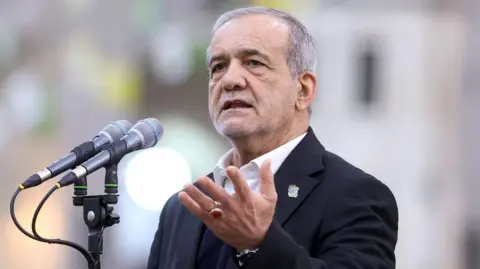
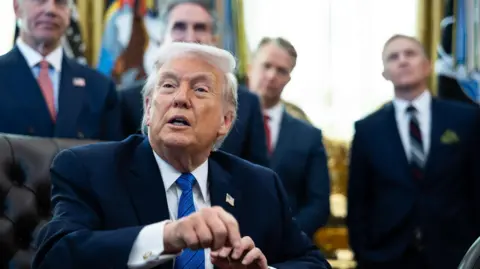
Trump’s Direct Warning to Iran’s Supreme Leader In an NBC interview aired on Feb 4, President Donald Trump told Ayatollah Ali Khamenei he should be “very worried,” linking the warning to Tehran’s alleged plans for a new nuclear site and to recent Iranian drone activity near a U.S. carrier [1][2][3]. The remark accompanied a broader U.S. message that any Iranian strike would trigger an “immediate, decisive response” from American forces [1]. Trump reiterated the warning in subsequent briefings, emphasizing that the United States would use “very big, very powerful ships” if Tehran persisted [7][8].
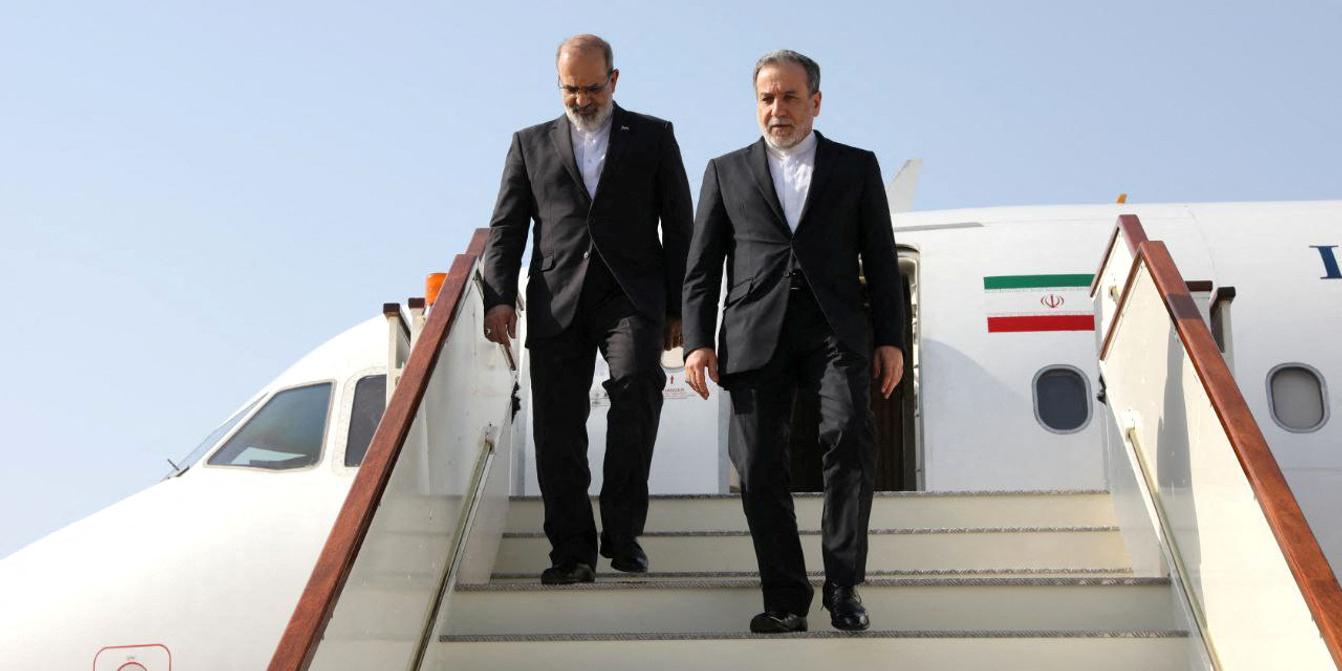
Scheduled Diplomatic Meeting Set for Friday in Muscat Iranian Foreign Minister Abbas Araghchi confirmed that a U.S. special envoy, Steve Witkoff, will meet him on Friday, Feb 7, in Muscat, Oman, at 10 a.m. [2][3][1]. The United States seeks to bind Iran on nuclear limits, ballistic‑missile development, terrorist sponsorship, and human‑rights concerns, while Tehran says the talks will focus solely on its nuclear program and sanction relief [1][2]. A minority of reports floated Istanbul as a possible venue, but the consensus among the latest articles points to Muscat as the confirmed location [4].
U.S. Military Posture Escalates Around Iran The White House disclosed that a carrier strike group centered on the USS Abraham Lincoln, supported by Tomahawk‑armed destroyers, has been positioned in the Arabian Sea and the Strait of Hormuz as a “show of force” [2][5][6]. A U.S. aircraft carrier shot down an Iranian drone, and IRGC gunboats later threatened a U.S.–flagged tanker, raising the risk of direct confrontation [1][2]. Defense Secretary Pete Hegseth ruled out immediate regime‑change plans, but the military buildup underscores Washington’s readiness to act if diplomatic demands are rejected [5].
Iran Showcases Missile Capability and Limits Negotiation Scope State‑run Press TV reported the deployment of the Khorramshahr‑4 ballistic missile, capable of striking targets over 1,240 miles away with a 3,300‑pound warhead, at an undisclosed Revolutionary Guard underground site [1]. Iranian officials reiterated that any talks will exclude missile or “defensive capability” discussions, insisting that Tehran will not accept imposed terms [7][8]. Nonetheless, U.S. officials, including Secretary of State Marco Rubio, have signaled that missile restrictions will remain a core part of the American agenda [2][3].
Human‑Rights Crisis Fuels Tension Over Protest Crackdown Iran’s violent suppression of nationwide protests in January left at least 6,300 deaths according to HRANA, with other estimates exceeding 6,800, and resulted in nearly 50,000 arrests [5][6][8]. Trump demanded that Tehran halt its nuclear program and stop killing protesters as preconditions for avoiding U.S. military action [8][7]. Iran’s president, Masoud Pezeshkian, warned that negotiations must occur in a “threat‑free environment,” linking the protest fallout to the urgency of diplomatic resolution [4].
Sources
-
1.
CNN: Trump Warns Iran’s Supreme Leader of “Very Worried” Stance Ahead of Muscat Talks – Details Trump’s NBC warning, the Muscat meeting agenda, missile display, and recent maritime incidents .
-
2.
Le Monde: Trump Warns Iran’s Supreme Leader as US‑Iran Talks Loom in Oman – Highlights the same NBC warning, confirms Muscat timing, notes venue shift from Turkey, and cites Secretary Rubio’s broader agenda .
-
3.
AP: Iran‑U.S. Nuclear Talks Set for Friday in Oman Amid Heightened Tensions – Reports Araghchi’s Muscat confirmation, Trump’s warning, Iran’s desire for a nuclear‑only format, and mixed regional support .
-
4.
BBC: Iran Signals Readiness for US Negotiations Amid Heightened Regional Tensions – Focuses on Pezeshkian’s “threat‑free” condition, possible Istanbul venue, and Iran’s missile‑program hurdle .
-
5.
AP: Turkey Pushes for US‑Iran Talks Amid Rising Tensions – Describes Ankara’s effort to convene Witkoff and Iranian leaders, U.S. carrier deployment, and EU’s IRGC terrorist designation .
-
6.
The Hindu: Iranian President Orders Nuclear Talks Amid U.S. Military Threats – Announces Pezeshkian’s order for talks, U.S. optimism, and carrier group movement .
-
7.
CNN: Iran Signals Openness to US Nuclear Talks While Rejecting Dictation and Missile Negotiations – Reports Araghchi’s willingness for “fair” talks, rejection of missile talks, and parallel U.S. naval drills .
-
8.
BBC: Trump Claims Iran Wants Nuclear Deal as U.S. Buildup Continues – Covers Trump’s assertion that Iran prefers a deal, Iran’s missile‑exclusion stance, and high protest death tolls .
Timeline
June 2025 – The United States and Israel strike Iranian nuclear facilities, intensifying Tehran’s security concerns and setting the stage for later diplomatic and military confrontations [1][8].
Dec 2025 – Anti‑government protests erupt across Iran; the regime’s violent crackdown begins, later resulting in thousands of deaths [2][3].
Jan 2026 – Human‑rights groups report more than 6,300 deaths, including over 5,900 protesters, highlighting the humanitarian fallout of the crackdown [3][6].
Jan 28, 2026 – Iranian Foreign Minister Abbas Araghchi tells reporters that Tehran has not requested negotiations and urges Washington to stop threatening war [7].
Jan 28, 2026 – U.S. Air Forces Central Command launches multi‑day air drills in the Middle East, and the carrier strike group USS Abraham Lincoln arrives in the region, showcasing rapid‑deployment capability [6].
Jan 28, 2026 – President Donald Trump posts “Time is running out” on Truth Social, warns an “armada” is heading toward Iran and repeats his demand for a “fair and equitable” nuclear deal [6].
Jan 29, 2026 – Trump warns Iran “time is running out” for a nuclear deal, says a massive Armada moves quickly toward Iran and threatens a far‑worse strike if Tehran does not negotiate [3].
Jan 30, 2026 – Trump asserts Iran prefers a deal over war and sets two conditions – halt the nuclear program and stop killing protesters – to avoid U.S. military action [2].
Jan 30, 2026 – Araghchi says Iran will join “fair and just” nuclear talks but will not discuss missiles or accept dictation, insisting negotiations must be threat‑free [5].
Jan 30, 2026 – Iran’s security chief Ali Larijani meets Russian President Vladimir Putin to discuss regional issues, underscoring Tehran’s alignment with Moscow [2].
Jan 30, 2026 – Turkey’s President Recep Tayyip Erdogan and Russia’s President Vladimir Putin offer to facilitate de‑escalation between the United States and Iran [5].
Feb 2, 2026 – Iranian President Masoud Pezeshkian orders the start of nuclear negotiations with the United States and says Iran will prepare a negotiation framework in the coming days [10].
Feb 2, 2026 – The United States deploys the carrier strike group USS Abraham Lincoln and additional warships to West Asia, signaling heightened military pressure amid the protest crackdown [10][9].
Feb 2, 2026 – Turkey works to convene U.S. envoy Steve Witkoff and senior Iranian officials by week’s end, while the EU votes to designate the IRGC as a terrorist organization [9].
Feb 3, 2026 – Pezeshkian instructs Foreign Minister Araghchi to pursue talks only in a “threat‑free environment,” and Iran signals readiness to negotiate if the U.S. halts its “tremendous force” buildup, including the carrier Abraham Lincoln [1].
Feb 4, 2026 – Trump tells Iran’s Supreme Leader Ayatollah Ali Khamenei he should be “very worried” and warns of “very hard” retaliation if Tehran proceeds with a new nuclear site, ahead of the Muscat talks [11].
Feb 4, 2026 – Araghchi confirms that U.S.–Iran nuclear talks will take place on Friday in Muscat, focusing solely on the nuclear program and excluding missiles or human‑rights topics [8].
Feb 5, 2026 – Trump warns the Supreme Leader that he should be “very worried” as both sides prepare for the first formal Muscat talks, and Iran showcases the long‑range Khorramshahr‑4 missile [4].
Feb 5, 2026 – The Muscat meeting is set for Friday (Feb 7) with U.S. special envoy Steve Witkoff and foreign ministers from Egypt, Oman, Pakistan, Qatar, Saudi Arabia and the UAE expected to attend, while the U.S. maintains a substantial air‑and‑naval strike force near Iran [1][11].
Feb 7, 2026 (anticipated) – Nuclear negotiations occur in Muscat between U.S. envoy Steve Witkoff and Iranian Foreign Minister Abbas Araghchi, marking the first formal talks since the 2025 strikes and the recent protest crackdown [1][8].
Dive deeper (10 sub-stories)
-
CNN: Trump warns Iran’s supreme leader of “very worried” stance ahead of Muscat talks
-
Trump Warns Khamenei as US‑Iran Nuclear Talks Scheduled for Friday in Oman
(2 articles)
-
BBC: Iran Signals Readiness for US Negotiations Amid Heightened Regional Tensions
-
AP: Turkey Pushes for US‑Iran Talks Amid Rising Tensions
-
The Hindu: Iranian President Orders Nuclear Talks Amid U.S. Military Threats
-
CNN: Iran Signals Openness to US Nuclear Talks While Rejecting Dictation and Missile Negotiations
-
BBC: Trump Claims Iran Wants Nuclear Deal as U.S. Buildup Continues
-
BBC: Trump warns Iran “time is running out” as US forces surge in Gulf
-
CNN: US Air Drills Intensify as Trump Threatens Iran Over Protest Crackdown
-
Newsweek: Iran Says It Has Not Requested Negotiations After Trump Claims Deal Is Possible
All related articles (11 articles)
-
CNN: Trump warns Iran’s supreme leader of “very worried” stance ahead of Muscat talks
-
Le Monde: Trump warns Iran’s Supreme Leader as US‑Iran talks loom in Oman
-
AP: Iran‑U.S. Nuclear Talks Set for Friday in Oman Amid Heightened Tensions
-
BBC: Iran Signals Readiness for US Negotiations Amid Heightened Regional Tensions
-
AP: Turkey Pushes for US‑Iran Talks Amid Rising Tensions
-
The Hindu: Iranian President Orders Nuclear Talks Amid U.S. Military Threats
-
CNN: Iran Signals Openness to US Nuclear Talks While Rejecting Dictation and Missile Negotiations
-
BBC: Trump Claims Iran Wants Nuclear Deal as U.S. Buildup Continues
-
BBC: Trump warns Iran “time is running out” as US forces surge in Gulf
-
CNN: US Air Drills Intensify as Trump Threatens Iran Over Protest Crackdown
-
Newsweek: Iran Says It Has Not Requested Negotiations After Trump Claims Deal Is Possible
External resources (2 links)
- https://x.com/drpezeshkian/status/2018551558959710505?s=20 (cited 1 times)