Rubio Defends U.S. Venezuela Operations as Senate Probes Airstrikes and Maduro Capture
Updated (76 articles)
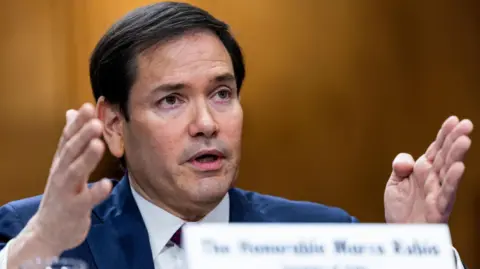
Senate Hearing Highlights First Public Scrutiny Since January Airstrikes On 28 January 2026 the Senate Foreign Affairs Committee held its first public hearing since the 3 January airstrikes on Caracas, questioning Secretary of State Marco Rubio about the removal of Nicolás Maduro and the legality of the strikes [1]. Lawmakers demanded transparency after earlier closed‑door legal debates, with Democrat Tim Kaine recalling the 2 September 2025 strike on alleged drug boats [1]. The hearing marked a rare congressional review of the covert operation’s objectives and outcomes [1].
Delta Force Operation Removed Maduro in Nighttime Arrest Special‑operations troops from Delta Force entered Caracas in the early hours and seized former President Maduro while he was in his pajamas, then air‑lifted him to the United States to face drug‑trafficking indictments [1]. The capture was presented as a law‑enforcement action rather than a conventional military raid [1]. U.S. officials framed the extradition as part of a broader effort to dismantle transnational narcotics networks linked to the Venezuelan regime [1].
Rubio Emphasizes Law‑Enforcement Frame and Rejects War Narrative In his opening statement Rubio asserted that the United States “did not occupy a country” and that no U.S. troops remain on Venezuelan soil, positioning the operation as a targeted police mission [1]. He repeatedly stressed that the action was not a war but a precise response to criminal activity [1]. This narrative aimed to counter criticism that the strike represented an undeclared military intervention [1].
New Oil‑Revenue Control Plan Routes Funds Through Qatar Account Rubio outlined a scheme to hold Venezuelan crude proceeds in an offshore account in Qatar before transferring them to a U.S. Treasury‑blocked account [1]. The plan restricts fund releases to narrowly defined humanitarian and reconstruction needs and mandates that oil sales finance U.S.–made goods, preventing revenue from benefiting Russia or China [1]. This financial architecture seeks to leverage Venezuela’s oil wealth while limiting foreign influence [1].
Future Military Options Not Excluded, Democratic Oil Control Goal Stated While rejecting immediate further combat, Rubio said the United States has not ruled out deploying additional forces if necessary [1]. He emphasized the ultimate aim of restoring oil‑industry authority to a stable, democratic Venezuelan government [1]. Interim President Delcy Rodríguez’s pledge to cut the oil lifeline to Cuba was highlighted as a step toward regional stability [1].
Timeline
2020 – The United States indicts Nicolás Maduro in the Southern District of New York on narco‑terrorism and related drug‑trafficking charges, establishing a legal foothold that later underpins his capture and prosecution [14][25].
Sept 2, 2025 – U.S. forces strike alleged drug‑smuggling boats off Venezuela, marking the first overt use of kinetic force against Maduro’s purported narcotics network and sparking debate over the operation’s legality [1].
2025 – The U.S. raises the bounty on Maduro to $50 million and conducts 35 strikes on vessels, killing more than 115 people, intensifying pressure on the Venezuelan regime and setting the stage for a larger intervention [23][24][25].
Jan 3, 2026 – President Trump announces a large‑scale nighttime strike on Caracas, declares that the United States will “run” Venezuela during a transition, and frames the action as a law‑enforcement effort against a narco‑terrorist regime [29][30][26][21][18][22][23][24][25].
Jan 3, 2026 – U.S. Delta Force and over 150 aircraft execute Operation Absolute Resolve, seize Maduro and First Lady Cilia Flores from their Ft. Tiuna residence, transport them to the USS Iwo Jima and then to Stewart Air National Guard Base in Newburgh, New York, with no U.S. fatalities reported [15][16][20][21][22][26][27][28][29][30].
Jan 3, 2026 – Attorney General Pam Bondi unseals a superseding 25‑page indictment in the Southern District of New York charging Maduro and Flores with narco‑terrorism, cocaine importation, and possession of machine guns and destructive devices, alleging ties to cartels such as Sinaloa, Zetas, FARC and the Tren de Aragua [13][14][15][16][17][18][20][21][22][23][24][25].
Jan 3, 2026 – Vice President Delcy Rodríguez is sworn in by the Supreme Court as interim president, asserts constitutional succession while claiming Maduro remains the legitimate president, and pledges to defend the nation against U.S. aggression [11][13][16][21][24].
Jan 4, 2026 – Trump reiterates that the United States will govern Venezuela’s oil sector and run the country until a “safe, proper and judicious” transition, outlining a plan to channel oil revenues through an offshore Qatar account before moving them to a U.S. Treasury‑blocked account for narrowly defined needs [11][13][26][1].
Jan 4, 2026 – The Federal Aviation Administration lifts Caribbean airspace restrictions imposed during the Caracas raid, allowing commercial flights to resume across the region [12].
Jan 4, 2026 – Protesters gather outside Brooklyn’s Metropolitan Detention Center as Maduro and Flores are transferred to federal custody, while anti‑war demonstrations erupt in more than 100 U.S. cities, reflecting domestic backlash to the intervention [10][18].
Jan 5, 2026 – Maduro and Flores appear in Manhattan federal court, plead not guilty, and Maduro declares himself the “kidnapped president” while asserting his constitutional authority; the court schedules the next hearing for March 17 2026 [2][6][7][8][13].
Jan 5, 2026 – The United Nations Security Council convenes an emergency meeting to address the U.S. raid, with Russia, China and Iran condemning the action as a violation of sovereignty and urging respect for international law [13][22][24][25].
Jan 5, 2026 – Thirty‑eight civic groups rally outside the U.S. Embassy in Seoul, demanding Maduro’s release and denouncing the operation as imperialist aggression, while South Korean officials call for regional de‑escalation [9].
Jan 28, 2026 – The Senate Foreign Affairs Committee holds its first public hearing since the Jan 3 airstrikes; Secretary of State Marco Rubio stresses that the U.S. is not at war, outlines a new oil‑revenue control mechanism, and says a future force is not ruled out but the ultimate goal is a democratic Venezuelan government [1].
Mar 17, 2026 (planned) – A further federal hearing in Manhattan is set to consider pre‑trial challenges, including Maduro’s claim of head‑of‑state immunity and the legality of his abduction [2][6][7][8].
Future (unspecified) – The U.S. Treasury prepares to release Venezuelan oil proceeds only for narrowly defined needs and to ensure sales finance U.S.‑made goods, aiming to prevent Russia or China from benefiting from the revenue [1].
Future (unspecified) – Trump’s administration signals readiness for a second, larger strike and does not rule out deploying boots on the ground to secure the transition, underscoring the ongoing uncertainty over Venezuela’s political future [1][26].
Dive deeper (56 sub-stories)
-
BBC: Rubio Defends US Actions in Venezuela at Senate Hearing
-
CNN: U.S. forces’ strike in Venezuela described as “kinetic” as officials defend Maduro arrest
-
Newsweek: U.S. forces capture Nicolás Maduro in Caracas; Trump touts raid as proof of U.S. strength amid international outcry
-
AP: Nicolás Maduro arraigned in New York after U.S. seizure, begins long legal odyssey
-
The Hindu: U.S. forces seize Venezuelan President Nicolás Maduro and editorial warns of dangerous new precedent
-
AP: Maduro’s capture and arraignment deepens international unease over U.S. use of force
-
AP: Nicolás Maduro and wife arraigned in Manhattan after U.S. military seizure, plead not guilty
-
Newsweek: Florida Gov. DeSantis says state charges against captured Venezuelan president Maduro are possible, 'Stay tuned…'
-
Maduro Pleads Not Guilty in Manhattan Court After Midnight Caracas Capture
(2 articles)
-
Maduro and Wife Plead Not Guilty in Manhattan After U.S. Capture
(2 articles)
-
U.S. Raid Captures Maduro, Installs Delcy Rodríguez as Interim President, Sparks Global Fallout
(2 articles)
-
CNN: Maduro and Flores plead not guilty in New York arraignment; next hearing set for March 17
-
BBC: Maduro appears in New York courtroom, claims kidnapping during arraignment
-
Newsweek: Maduro and wife taken to NYC court to face narco-terror charges after U.S. capture in Caracas
-
Yonhap: Civic groups rally against Maduro capture near U.S. Embassy in Seoul
-
The Hindu: Maduro and wife seized in Caracas raid, to face narcoterrorism charges in New York
-
Nicolás Maduro Appears in Manhattan Federal Court Facing Narco‑Terrorism Charges After Saturday Capture
(3 articles)
-
AP: Maduro captured by U.S. forces and flown to the United States
-
Newsweek: Protests outside Brooklyn detention center as Maduro and wife head to U.S. court
-
Trump Announces U.S. Administration of Venezuela Following Capture of Maduro and Flores
(2 articles)
-
Newsweek: Maduro could face New York trial as DOJ weighs star witness from Venezuelan security elite
-
The Hindu: U.S. lifts Caribbean airspace restrictions after Maduro strike
-
U.S. Captures Maduro, Indicts Him in New York, Delcy Rodríguez Assumes Presidency
(3 articles)
-
WBNS (Columbus, OH): US captures Maduro in overnight strikes; Ohio politicians react
-
BBC: Venezuelans react to US Maduro arrest with hope and uncertainty
-
Maduro and Wife Transported to New York, Face Narco‑Terrorism Charges After Capture
(3 articles)
-
Trump Announces Capture of Maduro, Transfer to New York, U.S. to Govern Transition
(3 articles)
-
The Hindu: NYC mayor Mamdani opposes U.S. capture of Maduro, calls it an act of war after speaking with Trump
-
AP: U.S. captures Maduro, flies him out after large-scale strike; world reacts
-
CNN: U.S. strikes Venezuela, captures Maduro in night raid
-
AP: Maduro capture by U.S. raises new questions about legality and future operations in Venezuela
-
U.S. Captures Maduro and Cilia Flores, Sends Them to New York for Drug Charges
(3 articles)
-
CNN: U.S. captures Maduro, says it will run Venezuela amid crisis
-
BBC: Trump-backed operation topples Maduro; next steps unclear
-
Newsweek: Nationwide anti-war protests planned after U.S. strike on Venezuela and Maduro capture
-
The Hindu: Delcy Rodriguez urges U.S. to free Maduro as Maduro and wife travel aboard U.S. warship toward New York
-
Newsweek: U.S. strikes Venezuela, captures Maduro, prompting global reactions
-
Newsweek: Maduro captured by U.S. forces in Caracas as celebrations spread worldwide
-
BBC: Trump vows to run Venezuela during transition after Maduro capture
-
U.S. Claims Capture of Maduro and Cilia Flores, Announces Indictments After Caracas Strike
(2 articles)
-
AP: U.S. strikes in Venezuela escalate to Maduro capture and criminal charges
-
U.S. Captures Maduro, Indicts Him and Wife in Narco‑Terrorism Plot
(3 articles)
-
AP: US captures Maduro, flies him out at night as new narco-terrorism indictment is released
-
Newsweek: Democrats condemn Trump strikes on Venezuela and Maduro capture
-
AP: Maduro captured and flown out in nighttime operation amid new narco-terrorism indictment
-
CNN: Maduro captured, flown to New York after large US strike, officials say
-
Trump Announces Capture of Maduro, Announces Charges and Plans Press Conference
(3 articles)
-
Yonhap: Trump says U.S. captured Maduro in large-scale strike against Venezuela
-
BBC: US Captures Maduro, launches strikes on Caracas
-
CNN: Maduro captured and flown out after US strikes, Trump says
-
U.S. Nighttime Strike Captures Maduro, Sparks Regional Turmoil on Jan 3, 2026
(2 articles)
-
Newsweek: US strikes in Venezuela target sites as Trump claims Maduro and wife captured
-
CNN: Maduro captured and flown out of Venezuela after US strikes, Trump says
-
CNN: Trump says US strikes Venezuela; Maduro captured and flown out
-
The Hindu: Trump says Maduro captured after U.S.-led strike in Venezuela
-
CNN: Maduro Appears in Caracas After Trump Phone Call
All related articles (76 articles)
-
BBC: Rubio Defends US Actions in Venezuela at Senate Hearing
-
CNN: U.S. forces’ strike in Venezuela described as “kinetic” as officials defend Maduro arrest
-
Newsweek: U.S. forces capture Nicolás Maduro in Caracas; Trump touts raid as proof of U.S. strength amid international outcry
-
AP: Nicolás Maduro arraigned in New York after U.S. seizure, begins long legal odyssey
-
The Hindu: U.S. forces seize Venezuelan President Nicolás Maduro and editorial warns of dangerous new precedent
-
AP: Maduro’s capture and arraignment deepens international unease over U.S. use of force
-
AP: Nicolás Maduro and wife arraigned in Manhattan after U.S. military seizure, plead not guilty
-
Newsweek: Florida Gov. DeSantis says state charges against captured Venezuelan president Maduro are possible, 'Stay tuned…'
-
King5 (Seattle, WA): Maduro pleads not guilty in U.S. court after capture in Caracas
-
The Hindu: Maduro pleads not guilty in U.S. court, maintains presidency
-
Newsweek: Maduro and wife plead not guilty in Manhattan court after U.S. capture
-
The Hindu: Maduro captured in U.S. raid; Delcy Rodríguez sworn in as interim president amid Venezuela tensions
-
CNN: Maduro and Flores plead not guilty in New York arraignment; next hearing set for March 17
-
BBC: Maduro appears in New York courtroom, claims kidnapping during arraignment
-
WBNS (Columbus, OH): Maduro appears in U.S. court, pleads not guilty to drug-trafficking charges after Caracas raid
-
Newsweek: Maduro and wife taken to NYC court to face narco-terror charges after U.S. capture in Caracas
-
Yonhap: Civic groups rally against Maduro capture near U.S. Embassy in Seoul
-
The Hindu: Maduro and wife seized in Caracas raid, to face narcoterrorism charges in New York
-
WBNS (Columbus, OH): Maduro to appear in U.S. court on narco-terrorism charges after capture
-
King5 (Seattle, WA): Maduro set to appear in U.S. court on narco-terrorism charges
-
AP: DOJ indicts Maduro in cocaine-fueled corruption case after Venezuelan arrest
-
AP: Maduro captured by U.S. forces and flown to the United States
-
Newsweek: Protests outside Brooklyn detention center as Maduro and wife head to U.S. court
-
BBC: US captures Maduro in Caracas operation as interim Venezuela government takes shape amid global reaction
-
BBC: Trump vows US will run Venezuela after Maduro's capture
-
Newsweek: Maduro could face New York trial as DOJ weighs star witness from Venezuelan security elite
-
The Hindu: U.S. lifts Caribbean airspace restrictions after Maduro strike
-
Newsweek: Maduro captured in U.S. strike; Trump says U.S. will run Venezuela's oil
-
WBNS (Columbus, OH): US captures Maduro in overnight strikes; Ohio politicians react
-
BBC: Venezuelans react to US Maduro arrest with hope and uncertainty
-
Newsweek: Maduro Captured in Caracas, Released, Flown to U.S. for Narco-Terrorism Charges
-
Yonhap: Trump says U.S. captured Maduro in Venezuela strike, will run country during transition
-
The Hindu: NYC mayor Mamdani opposes U.S. capture of Maduro, calls it an act of war after speaking with Trump
-
AP: U.S. captures Maduro, flies him out after large-scale strike; world reacts
-
CNN: U.S. strikes Venezuela, captures Maduro in night raid
-
Newsweek: Maduro Arrives in New York as U.S. Indicts Venezuelan Leader
-
AP: Maduro capture by U.S. raises new questions about legality and future operations in Venezuela
-
AP: U.S. captures Maduro in covert night operation off Venezuela
-
CNN: U.S. captures Maduro, says it will run Venezuela amid crisis
-
Newsweek: New York Leaders React as Maduro Captured and Indicted for Prosecution in NYC
-
AP: Trump says US will govern Venezuela during transition after night operation captures Maduro and wife
-
BBC: Trump-backed operation topples Maduro; next steps unclear
-
Newsweek: Nationwide anti-war protests planned after U.S. strike on Venezuela and Maduro capture
-
The Hindu: Delcy Rodriguez urges U.S. to free Maduro as Maduro and wife travel aboard U.S. warship toward New York
-
Newsweek: U.S. strikes Venezuela, captures Maduro, prompting global reactions
-
Newsweek: Maduro captured by U.S. forces in Caracas as celebrations spread worldwide
-
BBC: Trump vows to run Venezuela during transition after Maduro capture
-
WBNS (Columbus, OH): U.S. captures Maduro in covert overnight operation, Trump announces
-
Newsweek: Maduro’s wife Cilia Flores captured in U.S. strike as indictment announced
-
Newsweek: Trump launches Venezuela strike; Maduro and Flores captured and flown to sea
-
AP: U.S. strikes in Venezuela escalate to Maduro capture and criminal charges
-
AP: US captures Maduro, indicts him and wife in narco-terrorism conspiracy after overnight strikes in Venezuela
-
AP: US captures Maduro, flies him out at night as new narco-terrorism indictment is released
-
Newsweek: Democrats condemn Trump strikes on Venezuela and Maduro capture
-
Yonhap: Trump claims Maduro captured in large-scale U.S. strike against Venezuela
-
CNN: Maduro captured after US strike; heading to New York to face drugs and weapons charges
-
AP: Maduro captured and flown out in nighttime operation amid new narco-terrorism indictment
-
AP: U.S. captures Maduro, flies him out in nighttime operation as DOJ issues new narco-terrorism indictment
-
AP: DOJ releases new narco-terrorism indictment against Maduro and wife after nighttime capture
-
Newsweek: Maduro captured and flown out of Venezuela after U.S. operation, Trump says
-
Yonhap: Trump says U.S. captured Maduro in Venezuela strike
-
CNN: Maduro captured, flown to New York after large US strike, officials say
-
Yonhap: Trump says U.S. captured Maduro in large-scale strike
-
CNN: Maduro captured and flown out of Venezuela after US strike, Trump says
-
CNN: Maduro captured and flown out of Venezuela after US strike, Trump says
-
Yonhap: Trump says U.S. captured Maduro in large-scale strike against Venezuela
-
BBC: US Captures Maduro, launches strikes on Caracas
-
Newsweek: U.S. strikes on Venezuela reported as Maduro reportedly captured
-
CNN: Maduro captured and flown out after US strikes, Trump says
-
AP: US strike on Venezuela leads to Maduro capture and regional upheaval
-
AP: U.S. strikes Venezuela, Maduro captured and First Lady flown out, triggering regional crisis
-
Newsweek: US strikes in Venezuela target sites as Trump claims Maduro and wife captured
-
CNN: Maduro captured and flown out of Venezuela after US strikes, Trump says
-
CNN: Trump says US strikes Venezuela; Maduro captured and flown out
-
The Hindu: Trump says Maduro captured after U.S.-led strike in Venezuela
-
CNN: Maduro Appears in Caracas After Trump Phone Call
External resources (67 links)
- https://www.justice.gov/archives/opa/pr/nicol-s-maduro-moros-and-14-current-and-former-venezuelan-officials-charged-narco-terrorism (cited 13 times)
- https://www.justice.gov/opa/media/1422326/dl (cited 4 times)
- https://ve.usembassy.gov/security-alert-venezeula-explosions-reported-shelter-in-place/ (cited 3 times)
- https://www.dea.gov/sites/default/files/2025-07/2025NationalDrugThreatAssessment.pdf (cited 1 times)
- https://www.dni.gov/nctc/terrorist_groups/eln.html (cited 1 times)
- https://www.reaganlibrary.gov/sites/default/files/2025-04/40-219-6927378-025-011-2025.pdf (cited 1 times)
- https://www.nytimes.com/live/2026/01/03/world/trump-united-states-strikes-venezuela/e0082f7c-79e7-5f34-a2f1-f5f18c6c938a?smid=url-share (cited 8 times)
- https://cnnespanol.cnn.com/2025/11/20/colombia/colombia-venezuela-salida-negociada-maduro-canciller-orix (cited 4 times)
- https://www.vanityfair.com/news/story/trump-susie-wiles-interview-exclusive-part-1?srsltid=AfmBOoprMOlZHdlYsIfsz_xpXYd8UJE1aU--FS5Q-GG-VlRJwsrUoaLh (cited 4 times)
- https://www.c-span.org/event/white-house-event/pres-trump-holds-news-conference-on-us-airstrikes-against-venezuela/439208 (cited 3 times)
- https://cnnespanol.cnn.com/venezuela/live-news/explosiones-caracas-venezuela-en-vivo-orix (cited 2 times)
- https://www.nydailynews.com/2024/09/22/mdc-brooklyn-federal-jail-sean-diddy-combs-inmate-cancer/ (cited 1 times)
- https://www.washingtonpost.com/archive/politics/1987/02/17/sdi-aide-sees-no-barrier-to-key-tests/5ed8e2c3-46c5-4ac3-9762-80054f499b99/ (cited 1 times)
- https://x.com/basedmikelee/status/2007395531023352319?s=42 (cited 8 times)
- https://x.com/DeputySecState/status/2007393216535081418?s=20 (cited 6 times)
- https://x.com/brianschatz/status/2007360357351010431?s=20 (cited 6 times)
- https://x.com/kajakallas/status/2007405051896123707 (cited 6 times)
- https://x.com/ministerBZ/status/2007385311660388578?s=20 (cited 6 times)
- https://x.com/prevotmaxime/status/2007397064246723015 (cited 6 times)
- https://x.com/sanchezcastejon/status/2007410879793435112?s=20 (cited 6 times)
- https://x.com/sentomcotton/status/2007419529048007012?s=46 (cited 6 times)
- https://x.com/CzechMFA/status/2007427730535591981 (cited 4 times)
- https://x.com/DanishMFA/status/2007441342889082971 (cited 4 times)
- https://x.com/MariaStenergard/status/2007433835659555061 (cited 4 times)
- https://x.com/SwissMFA/status/2007429673853005909 (cited 4 times)
- https://x.com/VjosaOsmaniPRKS/status/2007431081134375141 (cited 4 times)
- https://x.com/andrii_sybiha/status/2007434265781211442 (cited 4 times)
- https://x.com/eucopresident/status/2007423971436732438 (cited 4 times)
- https://x.com/vonderleyen/status/2007440364135674172 (cited 4 times)
- https://x.com/AGPamBondi/status/2007468832567222274 (cited 3 times)
- https://x.com/SwissGov/status/2008141183252566198 (cited 3 times)
- https://x.com/UNHumanRights/status/2007476548937413004 (cited 3 times)
- https://x.com/realDonaldTrump (cited 3 times)
- https://x.com/sentdefender/status/2007374020472365082/photo/1 (cited 3 times)
- https://x.com/BasedMikeLee/status/2007395531023352319?s=20 (cited 2 times)
- https://x.com/JDVance/status/2007447388697268441?s=20 (cited 2 times)
- https://x.com/RepCarlos (cited 2 times)
- https://x.com/RepMariaSalazar/status/2007391189595492800?s=20 (cited 2 times)
- https://bsky.app/profile/atrupar.com/post/3m6x3vnzbdg2z (cited 1 times)
- https://samf.substack.com/p/the-language-of-war (cited 1 times)
- https://t.co/1FZhBNNK7e (cited 1 times)
- https://t.co/H0SYQfkiMF (cited 1 times)
- https://t.co/MXQKqyAJVd (cited 1 times)
- https://truthsocial.com/@realDonaldTrump/115830428767897167 (cited 1 times)
- https://truthsocial.com/@realDonaldTrump/posts/115830428767897167 (cited 1 times)
- https://x.com/AOC/status/2007472955882692798 (cited 1 times)
- https://x.com/BasedMikeLee/status/2007366918806884493?s=20 (cited 1 times)
- https://x.com/BasedMikeLee/status/2007396201600258094 (cited 1 times)
- https://x.com/GovKathyHochul/status/2007487851819086176 (cited 1 times)
- https://x.com/MariaCorinaYA/status/2007473689583829046?s=20 (cited 1 times)
- https://x.com/NewYorkStateAG/status/2007518010354147557 (cited 1 times)
- https://x.com/RepEspaillat/status/2007447726854713706 (cited 1 times)
- https://x.com/SecRubio (cited 1 times)
- https://x.com/SenSchumer/status/2007518220023103768/photo/1 (cited 1 times)
- https://x.com/bradlander/status/2007517865042473156 (cited 1 times)
- https://www.news.admin.ch/en/newnsb/4mdMVbqPTwY-5XoVHeNVP (cited 3 times)
- https://www.migrationpolicy.org/article/venezuelan-immigrants-united-states (cited 2 times)
- https://americandialect.org/American-Dialect-Society-2010-Word-of-the-Year-PRESS-RELEASE.pdf (cited 1 times)
- https://books.google.com.sb/books?id=qxRShj7UqLEC&printsec=frontcover&source=gbs_atb#v=onepage&q=kinetic&f=false (cited 1 times)
- https://books.google.com/books?ei=zca6TbOMM8OUtwelptzSBQ&ct=result&id=v5I8AAAAIAAJ&dq=%22kinetic+energy+weapon%22&focus=searchwithinvolume&q=%22kinetic%22 (cited 1 times)
- https://slate.com/news-and-politics/2002/11/kinetic-warfare.html (cited 1 times)
- https://www.bing.com/ck/a?!&&p=45d7b6ac7c228252f96c84408d3aacc18d79042d5e840bd2cdf96f825b1866c7JmltdHM9MTc2NzM5ODQwMA&ptn=3&ver=2&hsh=4&fclid=38215c8f-3386-6608-0f3c-4eea323d67fb&psq=Trump+warning+Venezuela+Newsweek&u=a1aHR0cHM6Ly93d3cubmV3c3dlZWsuY29tL2RvbmFsZC10cnVtcC13YXJuaW5nLXVzLWF0dGFja3MtdmVuZXp1ZWxhLWNodWNrLXNjaHVtZXItMTExMzc5NjE (cited 1 times)
- https://www.bing.com/search?q=Mark+Cancian%2C+from+the+Center+for+Strategic+and+International+Studies+(CSIS)%2C&cvid=9f7b56259a604b9a99ad85e61448a085&gs_lcrp=EgRlZGdlKgYIABBFGDkyBggAEEUYOTIHCAEQ6wcYQNIBCDM2MjBqMGoxqAIIsAIB&FORM=EDGUC2&PC=DCTS (cited 1 times)
- https://www.southcom.mil/MEDIA/NEWS-ARTICLES/Article/4346451/pentagon-provides-update-on-operation-southern-spear-reaffirms-socom-called-for/ (cited 1 times)
- https://www.southcom.mil/News/PressReleases/Article/4369758/lethal-kinetic-strikes-dec-31-2025/ (cited 1 times)
- https://www.vocabulary.com/articles/dictionary/kinetic-connections/ (cited 1 times)