Kitsap County Child Dies From Flu, Second Pediatric Fatality in Washington Season
Updated (25 articles)
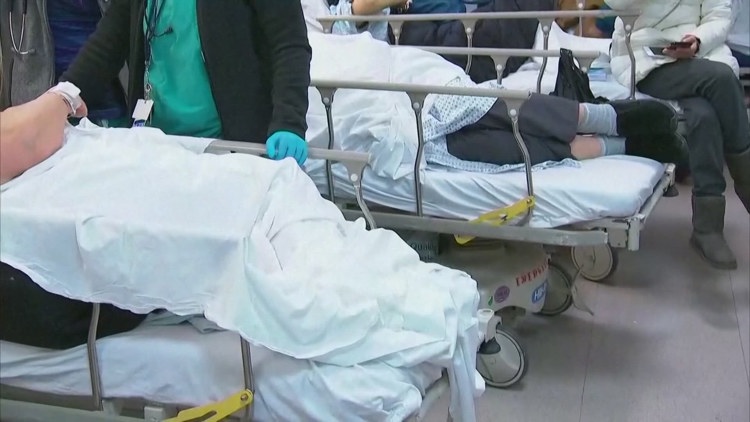
January Child Death Marks Second Pediatric Flu Fatality child in Kitsap County died from a flu‑related illness in January 2026, becoming the second pediatric flu death in Washington during the 2025‑2026 season after a teenager in Snohomish County died in mid‑January [1]. The fatality occurred amid a statewide surge in flu cases as the season reached its peak [1]. Health officials highlighted the rarity of pediatric flu deaths this season, underscoring heightened concern for vulnerable populations [1].
Officials Withhold Child’s Age and Personal Details Authorities did not release the child’s exact age or identifying information, citing privacy protections for the family [1]. No additional personal details were provided in public statements or press releases [1]. The decision reflects standard practice in Washington when handling sensitive health information involving minors [1].
Health Officer Calls Loss Profound, Urges Vaccination Kitsap Public Health District Health Officer Dr. Herbie Duber described the death as a “profound tragedy” and warned that flu can be life‑threatening for high‑risk individuals [1]. Dr. Duber urged at‑risk residents to receive the annual flu vaccine without delay [1]. He emphasized that vaccination remains the most effective tool to prevent severe outcomes during the current flu surge [1].
Flu Season Peaks, Vaccine Recommended for Everyone The flu season, running from October through April, is currently at its peak across Washington [1]. Health officials recommend the flu vaccine for everyone six months of age and older, regardless of prior health status [1]. Campaigns to increase vaccination rates have intensified in response to the recent pediatric fatalities [1].
Timeline
2024‑2025 flu season – The prior season records the highest pediatric death toll since systematic tracking began, with 289 children dying and hospitalization rates reaching the highest level in 15 years, underscoring the vulnerability of unvaccinated kids. [6]
Dec 13, 2025 – The United States sees an early surge driven by the new A(H3N2) subclade K variant; CDC data show the first pediatric flu death of the season and a child‑vaccination rate of only 38 %, prompting Tim Uyeki to urge “everyone … to get vaccinated.” [6]
Dec 20, 2025 – Flu, norovirus and COVID‑19 cases climb ahead of the busiest holiday travel week on record (≈122 million trips); the H3N2 subclade K accounts for ≈89 % of tested H3N2 infections, and officials stress early antivirals and vaccination. [10]
Dec 23, 2025 – CDC’s holiday‑season update reports 7.5 million flu illnesses, 81,000 hospitalizations and 3,100 deaths through Dec 20, with only ≈17 % of children vaccinated, reinforcing the call to test early and start antivirals within 48 hours. [5]
Dec 26, 2025 – New York City records a decade‑high surge in “super flu” symptoms, logging ≈10,000 emergency‑department visits for influenza‑like illness in the week ending Dec 20, prompting officials to stress early antiviral treatment and vaccination. [9]
Dec 30, 2025 – Flu activity reaches a 25‑year high nationwide as subclade K spreads; CDC FluView shows 8.2 % of outpatient visits for fever‑plus‑cough/sore‑throat, and vaccination rates fall to 42 % in children and ≈48 million doses in adults. [4]
Dec 30, 2025 – Five states (Colorado, Louisiana, South Carolina, New York, New Jersey) report “very high” activity; CDC lab‑test positivity jumps 25.6 % week‑over‑week and pediatric deaths rise to eight for the season. [8]
Dec 31, 2025 – Ohio reports its first pediatric flu death of the season, a teenager from Greene County, and officials label the loss “tragic” while urging parents to protect their kids. [18]
Jan 5, 2026 – CDC surveillance shows 45 states with high or very high flu activity during the Christmas week, and HHS announces it will no longer recommend universal flu shots for children, shifting the decision to parents and clinicians; Health Secretary Robert F. Kennedy Jr. posts on social media, “That practice ends now.” [13]
Jan 6, 2026 – CDC data place 19 states at the highest influenza‑activity tier (Level 13) and 30 states in the “very high” bracket, a rapid jump from mid‑December and prompting experts to warn of a “super flu” surge. [7]
Jan 7, 2026 – U.S. flu activity hits the highest level in more than 25 years, measured by doctor visits for fever, sore throat or cough; CNN invites the public to share personal illness stories, highlighting the human impact of the surge. [3]
Jan 8, 2026 – Ohio’s health director reports 1,911 flu‑related hospitalizations in one week (a rise from 1,305 a year earlier) and confirms the state’s first pediatric flu death, emphasizing that children < 11 years and adults > 65 years face the greatest risk. [17]
Jan 9, 2026 – CDC notes a record‑week flu surge (≈40,000 hospitalizations, 12 per 100,000) but cautions the season has not peaked; eight new pediatric deaths bring the national child toll to 17. [2]
Jan 9, 2026 – New CDC figures show a slight decline in outpatient visits, yet 91 % of H3N2 samples belong to subclade K; federal officials stop recommending flu vaccination for children, advising parents to consult doctors. [12]
Jan 12, 2026 – Arctic blasts drive people indoors across the eastern U.S.; CDC reports flu activity remains high in 44 states, with ≈40,000 hospital admissions in the week ending Jan 3 and eight pediatric deaths this season. [16]
Jan 12, 2026 – CDC releases a mid‑season tally of >15 million flu cases, >180,000 hospitalizations and ≈7,400 deaths, labeling the A(H3N2) subclade K a “super flu” and noting that pediatric deaths total 17 (eight in the first week of 2026). [15][25]
Jan 14‑15, 2026 – Western Washington emergency departments see flu‑like visits rise from ≈300 weekly in December to >560 in January; vaccination coverage stalls at ≈31 %, and CDC confirms nine pediatric deaths nationwide, while officials stress that the flu shot still cuts severe illness by 40‑50 %. [23]
Jan 16, 2026 – Four‑year‑old Ellie Rudd dies in Utah after a flu infection leads to pneumonia, sepsis and a massive stroke; her mother, Sarah Rudd, urges other parents, saying “I hope other parents get the flu shot,” as CDC data show 90 % of child deaths are unvaccinated. [1]
Jan 16, 2026 – CDC reports a two‑week decline in flu activity, with high‑activity states dropping from 44 to 36, yet officials warn the season remains “moderate” and could surge again after the holidays. [11]
Jan 22, 2026 – Thurston County announces a flu‑related death; Washington State tallies 39 lab‑confirmed flu deaths this season (up 5 from the prior year), with influenza A dominant. [22]
Jan 27, 2026 – Kittitas County confirms a flu death; Washington’s total rises to 59 deaths, most among adults 65+, and flu accounts for 3.5 % of ER visits that week, reinforcing calls to stay home when sick and get vaccinated. [21]
Jan 29, 2026 – A Snohomish County teenager becomes Washington’s first pediatric flu fatality of the season; officials describe the outbreak as “more severe than a year ago” and note the state has recorded 59 flu deaths overall. [20]
Feb 5, 2026 – Kitsap County reports a second pediatric flu death in Washington (a young child), with Health Officer Dr. Herbie Duber calling the loss “a profound tragedy” and urging at‑risk individuals to get vaccinated during the peak season. [19]
Dive deeper (6 sub-stories)
-
Kitsap County Child Dies From Flu, Marking Second Pediatric Fatality in Washington Season
(4 articles)
-
Flu Activity Declines as H3N2 Subclade K Still Drives Nationwide Surge
(14 articles)
-
CNN: 4-year-old dies from flu complications; mother urges flu shots for other parents
-
Western Washington Flu Surge Hits 560 Weekly ER Visits as H3N2 Subclade K Spreads
(2 articles)
-
Ohio Faces Spike in Flu Hospitalizations as New ‘Super Flu’ Strain Spreads
(2 articles)
-
CDC Reports 7.5 Million Flu Cases as NYC Sees Decade‑High Hospitalizations
(2 articles)
All related articles (25 articles)
-
King5 (Seattle, WA): Kitsap County Child Dies from Flu
-
King5 (Seattle, WA): Teen’s Flu Death Marks Washington’s First Pediatric Fatality This Season
-
King5 (Seattle, WA): One Flu‑Related Death Confirmed in Kittitas County Amid Severe Statewide Season
-
King5 (Seattle, WA): Thurston County resident dies from flu as state reports high influenza activity
-
AP: US flu activity down for second straight week, CDC data show
-
CNN: 4-year-old dies from flu complications; mother urges flu shots for other parents
-
King5 (Seattle, WA): Fast-spreading flu strain pushes ER visits higher in western Washington
-
WBNS (Columbus, OH): CDC reports 15 million flu cases this season as A(H3N2) subclade K drives spread
-
King5 (Seattle, WA): CDC reports 15 million flu cases in US this season as children are hit hard by new variant
-
WBNS (Columbus, OH): Arctic air could drive indoor flu spread as CDC reports high activity in 44 states
-
King5 (Seattle, WA): Arctic cold snaps threaten to worsen flu spread as CDC data show high activity
-
CNN: CDC says flu activity unlikely peaked after record week as hospitalizations rise
-
AP: US flu infections edge down as season remains severe with subclade K variant dominant
-
WBNS (Columbus, OH): Ohio reports higher-than-normal flu activity driven by new influenza A 'super flu' strain
-
CNN: U.S. flu activity at highest level in more than 25 years; CNN asks readers to share illness experiences
-
Newsweek: CDC-linked data show 19 states at highest flu activity as 'super flu' spreads
-
AP: U.S. flu cases surged over holidays as H3N2 subclade K spreads and officials warn season may worsen
-
CNN: Flu at 25-year high in the US as subclade K spreads and vaccination policy is debated
-
WBNS (Columbus, OH): Ohio reports first pediatric flu death of the season on December 31
-
Newsweek: Five states hardest hit as 'super flu' surges nationwide, CDC data show
-
AP: Flu rises rapidly in U.S. as subclade K spreads and vaccines offer partial protection
-
CNN: CDC flu update highlights testing, antivirals, and vaccination as holiday season peaks
-
Newsweek: New York City records decade-high surge in super flu symptoms
-
Newsweek: Flu, Norovirus, and COVID-19 Cases Surge Ahead of Busy Holiday Travel Week
-
CNN: Flu season in the US is heating up, driven by new subclade K variant
External resources (29 links)
- https://www.cdc.gov/fluview/surveillance/2025-week-53.html (cited 12 times)
- https://www.cdc.gov/fluview/surveillance/2025-week-52.html (cited 2 times)
- https://www.cdc.gov/fluview/surveillance/2026-week-01.html (cited 2 times)
- https://odh.ohio.gov/know-our-programs/seasonal-influenza (cited 1 times)
- https://pmc.ncbi.nlm.nih.gov/articles/PMC12639273/ (cited 1 times)
- https://www.cdc.gov/covid/php/surveillance/index.html (cited 1 times)
- https://www.cdc.gov/flu/treatment/index.html (cited 1 times)
- https://www.cdc.gov/fluvaxview/dashboard/adult-coverage.html (cited 1 times)
- https://www.cdc.gov/fluvaxview/dashboard/children-vaccination-coverage.html (cited 1 times)
- https://www.cdc.gov/fluvaxview/dashboard/index.html (cited 1 times)
- https://www.cdc.gov/fluview/surveillance/2025-week-01.html (cited 1 times)
- https://www.cdc.gov/fluview/surveillance/2025-week-49.html (cited 1 times)
- https://www.cdc.gov/fluview/surveillance/2025-week-51.html (cited 1 times)
- https://www.cdc.gov/mmwr/volumes/74/wr/mm7436a2.htm (cited 1 times)
- https://www.cdc.gov/resp-net/dashboard/ (cited 1 times)
- https://www.health.ny.gov/diseases/communicable/respiratory_viruses/activity/2025-2026/docs/current_respiratory_report.pdf (cited 1 times)
- https://www.medicaid.gov/federal-policy-guidance/downloads/sho25005.pdf (cited 1 times)
- https://www.thurstoncountywa.gov/departments/public-health-and-social-services/disease-control-and-prevention/communicable-diseases/influenza#:~:text=dashboard (cited 1 times)
- https://publications.aap.org/aapnews/news/34114/CDC-9-children-have-died-of-flu-this-season?autologincheck=redirected (cited 1 times)
- https://thehill.com/homenews/nexstar_media_wire/5672959-30-states-are-in-cdcs-worst-tier-for-flu-as-super-variant-spreads/ (cited 1 times)
- https://x.com/SecKennedy/status/2006454741061038214?s=20 (cited 1 times)
- https://www.northside.com/about/news-center/articles/2026/01/09/flu-activity-very-high-northside-doctors-say (cited 6 times)
- https://www.gavi.org/vaccineswork/superflu-or-same-old-flu-how-subclade-k-influenza-playing-out-worldwide (cited 2 times)
- https://www.who.int/emergencies/disease-outbreak-news/item/2025-DON586 (cited 2 times)
- http://If%20you%20still%20need%20a%20flu%20shot,%20free%20vaccination%20options%20are%20available%20across%20King%20County.%20You%20can%20find%20a%20location%20here. (cited 1 times)
- https://newsroom.aaa.com/2025/12/aaa-year-end-holiday-travel-forecast/ (cited 1 times)
- https://www.eurosurveillance.org/content/10.2807/1560-7917.ES.2025.30.46.2500854#html_fulltext (cited 1 times)
- https://www.gofundme.com/f/honoring-the-life-and-legacy-of-ellie-rudd (cited 1 times)
- https://www.infectiousdiseaseadvisor.com/news/us-influenza-vaccination-gaps-linked-to-record-pediatric-deaths-from-2024-to-2025/ (cited 1 times)