California Teen Testifies in Landmark Social‑Media Addiction Trial, Claims Platforms Fueled Depression
Updated (17 articles)

Plaintiff’s Testimony Details Early Platform Exposure and Mental‑Health Impact Kaley G.M., a 20‑year‑old from Chico, California, took the stand in Los Angeles federal court describing daily YouTube use from age 6 and Instagram from age 9, saying she “was on it all day long” throughout childhood [1][2][3][4][5]. She reported that constant exposure triggered anxiety, depression, body‑dysmorphia, self‑harm beginning at age 10 and recurring suicidal thoughts, and that she has been in therapy since age 13 [1][4][5]. The plaintiff’s account also notes frequent arguments with her mother over phone use and periods of physical and emotional abuse during middle school [2][3][4].
Design Elements Alleged to Create Addictive Feedback Loops Lawyers presented evidence that Instagram’s “Like” button, beauty filters, purchased likes, and YouTube’s autoplay and endless‑scroll feeds were engineered to keep teens engaged [1][2][3][4]. Internal Meta documents cited by the plaintiffs show the company recognized that vulnerable teens habitually used Instagram, while YouTube’s counsel argued Kaley ignored built‑in safety tools such as comment deletion and time‑limit features [1][6]. The testimony highlighted how push‑notification “rushes” prompted bathroom checks at school and made it difficult for her to set usage limits [2][3][4].
Defendants Argue Pre‑Existing Issues and Question Addiction Diagnosis Meta and Google‑owned YouTube denied liability, asserting that Kaley’s mental‑health struggles predated her social‑media use and that she never received a clinical diagnosis of social‑media addiction [1][2][3][4][5]. Meta’s attorney Paul Schmidt emphasized family stressors and pointed to inconsistencies between Kaley’s 2025 deposition and her courtroom statements [4]. YouTube’s counsel similarly claimed the plaintiff failed to activate platform‑provided protective mechanisms [1][6].
Trial Designated Bellwether, Potentially Shaping Nationwide Litigation Judges have labeled the case a bellwether trial, meaning its verdict could set precedent for the roughly 1,500 pending lawsuits alleging platform‑induced harm [2][3][4][5][6][7]. TikTok and Snap have already settled similar claims, narrowing the focus to Meta and YouTube, and the trial is expected to run until mid‑March [5][6]. Outcomes may redefine Section 230 interpretations and force redesigns of addictive features across the industry [6][7].
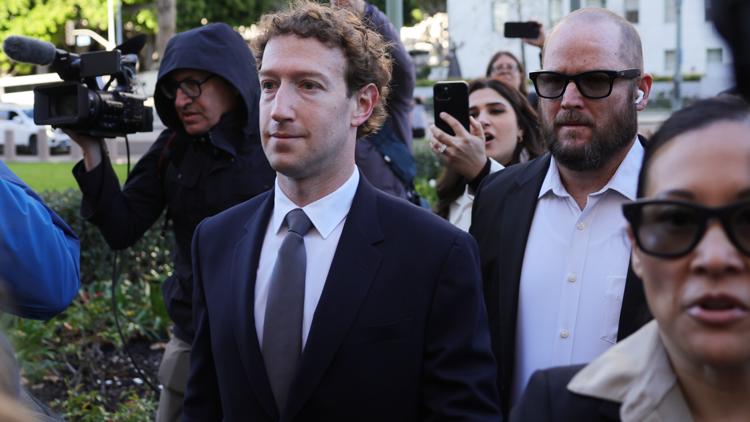
Broader Context: Corporate Awareness and Regulatory Scrutiny Earlier in February, Mark Zuckerberg testified before the same jury, confronting questions about Meta’s knowledge of youth‑harm risks revealed in leaked internal documents [6]. Legal experts compared the case to 1990s tobacco litigation, warning that admission of addiction could trigger billions in damages [6]. Internationally, countries such as Australia have begun banning users under 16 from similar platforms, reflecting a global push to curb teen exposure [1][7].
Sources
-
1.
The Hindu: California Plaintiff Testifies Social‑Media Addiction Harmed Her Mental Health – Details Kaley’s lifelong platform use, mental‑health effects, design‑hook claims, and Meta/Google defenses, placing the case within a worldwide backlash against teen social‑media access .
-
2.
WBNS: Young Woman Testifies About Lifelong Social‑Media Use in Landmark Addiction Trial – Highlights the bellwether nature of the suit, family‑abuse context, expert testimony, and parallel legal pressures on Meta .
-
3.
King5: Young Woman Testifies on Lifelong Social Media Use in Landmark Addiction Trial – Adds specifics on self‑likes, purchased likes, notification “rushes,” and nuanced description of maternal abuse .
-
4.
AP: Young Woman Testifies on Social Media Addiction in Los Angeles Trial – Focuses on therapist insights, deposition inconsistencies, and the potential precedent‑setting impact of the case .
-
5.
BBC: Woman sues Meta and Google, claims Instagram and YouTube addiction – Provides an overview of the lawsuit, trial timeline through mid‑March, and the broader regulatory environment affecting teen platform liability .
-
6.
CNN: Social Media Addiction Trial Takes Center Stage in Los Angeles – Centers on Zuckerberg’s testimony, internal Meta documents revealing risk awareness, and analogies to tobacco litigation shaping design‑based liability arguments .
-
7.
The Hindu: Landmark US Trial Targets Meta and YouTube Over Youth Social Media Addiction – Describes the trial’s aim to address the teen mental‑health crisis, includes expert podcast discussion, and notes upcoming related trials .
Related Tickers
Videos (1)
Timeline
2015 – An internal Meta memo estimates over 4 million users under age 13, roughly 30 % of U.S. 10‑12‑year‑olds, highlighting early awareness of under‑age activity before robust age‑verification was introduced[6][7].
2018 – Meta rolls out an Instagram daily‑limit feature and launches Messenger Kids, but internal data later show only 1.1 % of teen users adopt the limit tool, indicating limited uptake of safety measures[2].
2019 – Executives exchange emails criticizing “unenforced” age restrictions and strategizing to keep “tween” users on Instagram, revealing deliberate retention goals for minors[2].
2024 – U.S. Surgeon General Vivek Murthy urges Congress to require tobacco‑style warning labels on social‑media platforms, signaling growing governmental pressure on tech firms[8].
2025 – Plaintiff Kaley’s deposition notes she never received a clinical diagnosis of social‑media addiction, a point Meta later uses to challenge liability claims[10].
Jan 21, 2026 – Snap settles its California addiction lawsuit days before jury selection, removing itself from the pending case while Meta, TikTok and YouTube remain defendants[4].
Jan 26, 2026 – The Los Angeles bellwether trial launches against Meta, TikTok and YouTube, with senior executives slated to testify over a six‑to‑eight‑week period[8].
Jan 27, 2026 – Hours before jurors are sworn, TikTok reaches a confidential settlement, exiting the case and leaving Meta and Google as the remaining defendants[3].
Jan 27, 2026 – Jury selection begins for the Instagram‑TikTok‑YouTube trial, marking the first time these firms face a jury over alleged addictive design[12].
Feb 18, 2026 – Meta CEO Mark Zuckerberg testifies, stating he “wishes age‑verification improvements had arrived sooner” and acknowledging the company’s lag in detecting under‑13 users[15].
Feb 18, 2026 – Zuckerberg also tells the jury that “research on teen ‘addiction’ was external” and that teen users generate less than 1 % of Meta’s ad revenue, downplaying the platform’s profit motive[2].
Feb 19, 2026 – During five hours of questioning, Zuckerberg claims lawyers are “mischaracterising” internal communications about teen usage, while internal documents reveal past “Time +10 %” goals that the company later abandoned[2][11].
Feb 22, 2026 – Instagram head Adam Mosseri testifies that a teen scrolling up to 16 hours a day may be “problematic,” though he stops short of labeling it a clinical addiction, echoing arguments once used by tobacco firms[5].
Feb 26, 2026 – Twenty‑year‑old Kaley files a federal lawsuit against Meta and Google, alleging “nonstop Instagram use, YouTube autoplay, and resulting mental‑health issues” that began when she was six and nine respectively[1].
Feb 27, 2026 – Plaintiff KGM testifies that she used Instagram and YouTube “all day long” from childhood, describing “rush” notifications, bought likes, and a lifelong pattern of anxiety, depression, and suicidal thoughts[10][13].
Feb 27, 2026 – The trial is slated to run until mid‑March, with a verdict expected by late March, potentially setting precedent for 1,500+ similar suits nationwide[1].
Summer 2026 (planned) – Two additional Los Angeles bellwether trials are scheduled, and a federal trial for school‑district plaintiffs will begin in June in Oakland, expanding the litigation landscape[12].
2026 onward (ongoing) – Over 40 state attorneys general have sued Meta, TikTok faces suits in more than a dozen states, and countries such as Australia have banned users under 16, while the UK, Denmark, France, and Spain consider similar restrictions[8][2].
2026 (parallel) – A separate New Mexico state case accuses Meta of facilitating sexual exploitation of minors through its algorithms, a trial that could influence outcomes in the Los Angeles proceedings[9].
Dive deeper (2 sub-stories)
All related articles (17 articles)
-
The Hindu: California Plaintiff Testifies Social‑Media Addiction Harmed Her Mental Health
-
WBNS (Columbus, OH): Young Woman Testifies About Lifelong Social‑Media Use in Landmark Addiction Trial
-
King5 (Seattle, WA): Young Woman Testifies on Lifelong Social Media Use in Landmark Addiction Trial
-
AP: Young Woman Testifies on Social Media Addiction in Los Angeles Trial
-
BBC: Woman sues Meta and Google, claims Instagram and YouTube addiction
-
CNN: Social Media Addiction Trial Takes Center Stage in Los Angeles
-
The Hindu: Landmark US Trial Targets Meta and YouTube Over Youth Social Media Addiction
-
CNN: Zuckerberg Testifies on Instagram’s Impact on Youth Mental Health
-
BBC: Zuckerberg defends Meta in Los Angeles social‑media addiction trial
-
AP: Zuckerberg Testifies in Landmark Social‑Media Addiction Trial
-
CNN: Meta CEO Mark Zuckerberg Testifies on Instagram’s Impact on Children
-
The Hindu: Zuckerberg Testifies on Under‑Age Instagram Use in Landmark Trial
-
Newsweek: Mark Zuckerberg to Testify in Los Angeles Bellwether Social‑Media Trial
-
BBC: TikTok settles hours before landmark social‑media addiction trial begins
-
AP: Landmark Trial Targets Instagram, TikTok, YouTube Over Youth Addiction Claims
-
CNN: Meta, TikTok and YouTube go on trial over youth addiction claims
-
BBC: Snap settles social media addiction lawsuit ahead of trial
External resources (7 links)
- https://www.youtube.com/watch?v=kz9crfdO5IM (cited 1 times)
- https://lawreview.unl.edu/smoke-how-recent-court-rulings-have-torched-big-techs-litigation-strategy-and-why-it-matters/ (cited 1 times)
- https://www.nytimes.com/2024/06/17/opinion/social-media-health-warning.html (cited 2 times)
- https://www.cnbc.com/2025/05/16/tiktok-turns-to-meditation-as-it-battles-lawsuits-and-criticism.html (cited 1 times)