U.S. Military Strikes Kill 11 Narco‑Terrorists as Operation Tempo Slows After Maduro Capture
Updated (97 articles)
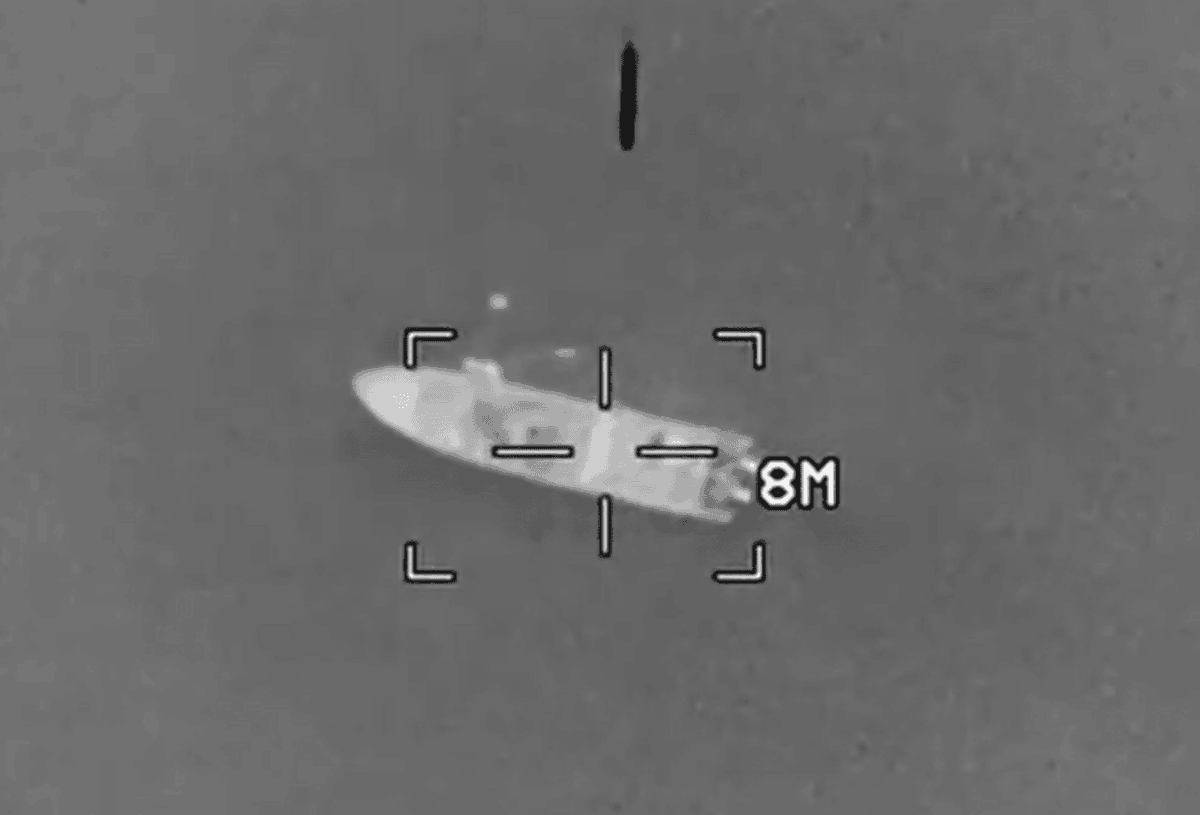
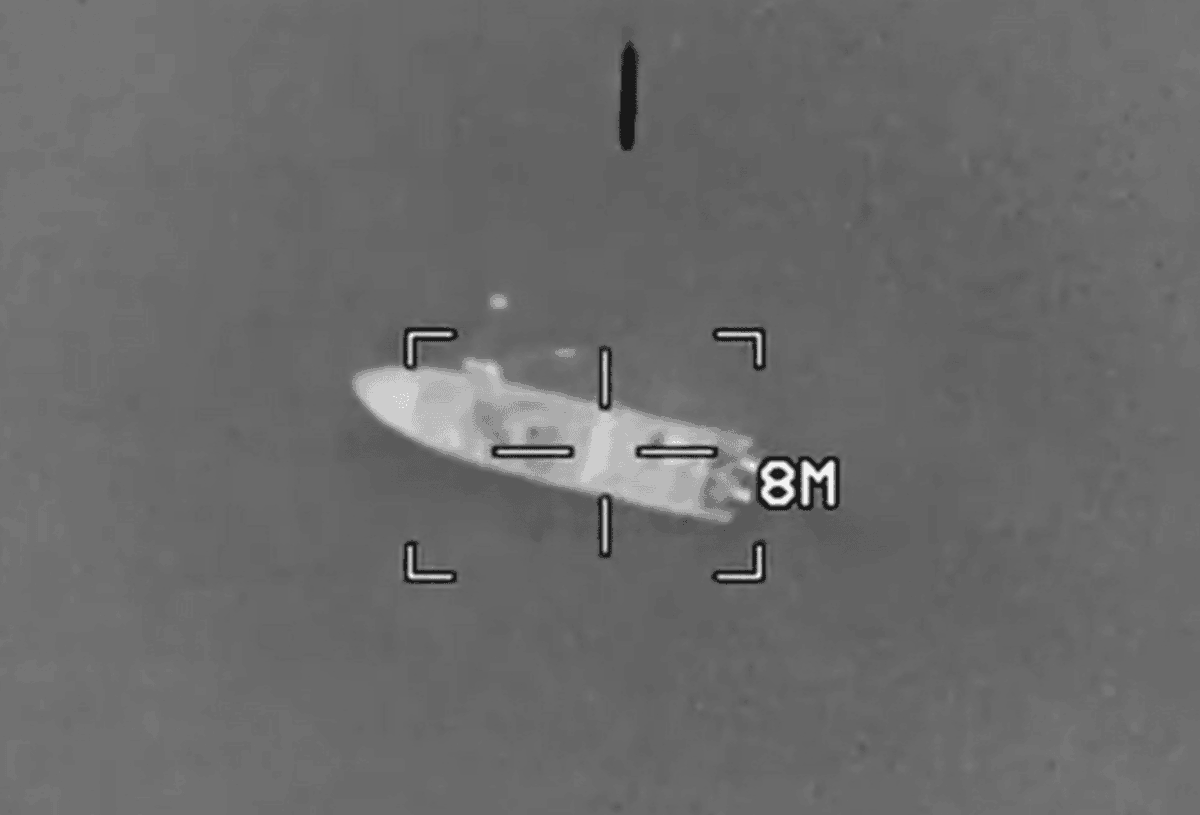
Three vessels hit, eleven occupants killed on Feb. 17‑18 The U.S. Southern Command reported that on the night of Feb. 17 the military struck two eastern‑Pacific boats and one Caribbean craft, killing four, four and three men respectively, all identified as alleged narco‑terrorists [2][1]. The operation marked the deadliest single‑day action since the campaign began in September, bringing the total number of U.S. strikes to over 40 [1][2]. No U.S. personnel were injured, and the attacks were carried out by naval aircraft and surface ships operating in international waters [1][2].
Campaign death toll now exceeds 135‑145 across 40 strikes Since the first strike on Sept. 2, the anti‑drug campaign has resulted in at least 124 deaths reported in a Dec. 14 tally and, with the latest 11 fatalities, the cumulative count rises to between 135 and 145 [3][1][2]. A classified Justice Department memo from the previous fall authorized lethal force against a secret list of at least two dozen cartels, labeling targets as enemy combatants [2]. The administration frames the operation as an “armed conflict” that bypasses traditional criminal prosecution, a stance contested by Congress and human‑rights groups [3][2].
Legal and congressional backlash intensifies over war‑like tactics Democratic lawmakers and legal experts argue the strikes constitute unlawful killings of civilians, citing the absence of a formal declaration of war and violations of international law [1][2]. A September “double‑tap” incident, in which survivors of a prior strike were reportedly killed, has spurred war‑crime accusations and multiple investigations [1][2]. Human‑rights organizations demand transparency and the release of evidence linking the vessels to drug trafficking, emphasizing that prior policy relied on Coast Guard interdictions without lethal force [3][2].
Maduro capture and first U.S. casualty shift operational tempo The strikes coincided with the high‑profile capture of Venezuelan President Nicolás Maduro and his wife, who were taken aboard the USS Iwo Jima and flown to New York for narco‑terrorism charges [1]. Marine Lance Corporal Chukwuemeka Oforah died after falling overboard from the Iwo Jima on Feb. 10, prompting a 72‑hour search involving five Navy ships and ten aircraft [1]. Following Maduro’s apprehension, the frequency of Caribbean and Pacific attacks has noticeably decreased, suggesting a strategic pause in the campaign [1].
Sources
-
1.
Newsweek: U.S. Military Strikes Kill 11 Alleged Narco‑Terrorists in Pacific and Caribbean – Details the Feb. 18 strikes killing 11, links them to broader anti‑drug campaign, notes legal criticism, Maduro’s capture, and the death of Marine Lance Corporal Oforah, while observing a slowdown in strike tempo .
-
2.
CNN: US Military Strikes Kill 11 on Three Alleged Drug Boats – Reports the same three‑boat attack, cites Southern Command’s classification of targets as narco‑terrorists, updates campaign death toll to at least 135, references the classified memo authorizing lethal force, and highlights congressional condemnation .
-
3.
CNN: US Military Boat Strikes Kill 124, Prompt Ongoing Search Efforts – Provides background on the campaign’s total of 124 deaths from 40 strikes since September, describes survivor detentions and search operations, explains the administration’s “armed conflict” justification, and outlines legal challenges from Congress and human‑rights groups .
Related Tickers
Videos (2)
Timeline
July 2024 – The U.S. Supreme Court rules that former President Donald Trump enjoys broad presidential immunity for official acts, shielding him from prosecution over the 2025 Caribbean boat‑strike campaign [11].
2025 – The State Department designates the Venezuelan Tren de Aragua cartel as a Foreign Terrorist Organization, giving the administration legal authority to target its members in maritime strikes [15].
Sept 2, 2025 – U.S. Southern Command conducts its first lethal strike on a suspected drug vessel in the Caribbean, killing nine crew members and splitting the boat in half; a follow‑up “double‑tap” strike 41 minutes later sinks the capsized hull and kills two survivors, despite their lack of radios [14][20][21].
Nov 2025 – A CBS News/YouGov poll finds 53 % of Americans support U.S. military action against suspected drug‑trafficking boats, while a Reuters‑Ipsos survey shows 29 % oppose killing suspects without trial [18].
Dec 4, 2025 – The administration orders a second Caribbean strike on an alleged drug‑smuggling vessel, adding to the death toll and prompting renewed legal scrutiny [18].
Dec 5, 2025 – United Nations human‑rights experts warn that the systematic lethal strikes “raise serious concerns about the commission of potential international crimes,” and the CIA begins covert operations in Venezuela with a $50 million bounty on President Nicolás Maduro [15].
Dec 9, 2025 – Congress ties the release of unedited strike videos to Defense Secretary Pete Hegseth’s travel‑fund budget in the FY 2026 defense bill; Rep. Jim Himes calls the second‑strike footage “deeply, deeply troubling,” while Sen. Tom Cotton calls the actions “entirely lawful and needful” [5][10].
Dec 10, 2025 – U.S. forces seize an oil tanker off Venezuela, labeling it part of an illicit oil network; Venezuelan Foreign Minister Yván Gil condemns the seizure as “international piracy” [4].
Dec 15, 2025 – The Pentagon announces strikes on three eastern‑Pacific vessels, killing eight people; President Trump defends the operation as a necessary “armed conflict” against drug cartels [9].
Dec 16, 2025 – Southern Command posts footage of three Pacific boat strikes, reiterating that the vessels were on known narco‑trafficking routes and asserting the operations comply with the laws of armed conflict [4].
Dec 18, 2025 – Two additional strikes in the Eastern Pacific kill five people (three on one boat, two on another), raising the known strike count to 28 and total deaths to at least 104 [8].
Dec 23, 2025 – A low‑profile drug‑smuggling boat in the Eastern Pacific is struck, killing one crew member; the video shows the vessel drifting after a fire [7][28].
Dec 29, 2025 – A kinetic strike on a suspected drug vessel in international waters kills two men; the operation is directed by “SecWar” Pete Hegseth [27].
Dec 31 2025 – Jan 1, 2026 – On New Year’s Eve, U.S. forces strike two boats, killing five; the day before, a convoy of three boats is hit, killing three aboard one vessel while the others abandon ship, and an earlier Monday strike in the Eastern Pacific kills two [6].
Jan 1, 2026 – The U.S. military reports a separate strike on two drug‑carrying boats, killing five people, continuing the campaign that has produced over 30 lethal hits since September 2025 [3].
Early Jan 2026 – U.S. forces capture Venezuelan President Nicolás Maduro, a move the Trump administration says targets a leader “colluding with traffickers” and intensifies pressure on Caracas [1].
Jan 27, 2026 – Relatives of two Trinidadian men killed in the 14 Oct 2025 strike file a lawsuit in Boston federal court under the Death on the High Seas Act, describing the attack as “lawless killings in cold blood; killings for sport and killings for theatre” [2].
Feb 6, 2026 – Southern Command announces a strike on an alleged drug boat in the Eastern Pacific that kills two people; the operation is the second U.S. lethal hit this year after a slowdown following Maduro’s capture [1].
Dec 2025 – 2026 (ongoing) – The FY 2026 defense appropriations bill mandates that the Department of Defense provide unedited videos of the Southern Command strikes to the House and Senate Armed Services Committees, with non‑compliance limiting Secretary Hegseth’s travel‑fund expenditures; congressional hearings and oversight investigations continue into the legality of the “double‑tap” strikes [5][17][25].
Dive deeper (14 sub-stories)
-
U.S. Navy Strikes Kill Eleven Narco‑Terrorists, Capture Maduro, and Prompt Legal Outcry
(34 articles)
-
Trinidadian Families File Boston Lawsuit Over 2025 U.S. Boat Strike
(3 articles)
-
Pentagon Refuses Full Release of September Drug‑Boat Strike Video Amid Congressional Pressure
(8 articles)
-
Congress Holds Classified Briefing on Pacific Boat Strikes While Subsidy Vote Delayed
(3 articles)
-
U.S. Defense and State Secretaries to Testify on Controversial Caribbean Boat Strikes
(30 articles)
-
Newsweek: Impeachment Articles Filed Against Secretary of Defense Pete Hegseth
-
Congress Ties Travel Funds to Release of Contested Boat‑Strike Video
(5 articles)
-
CNN: Supreme Court Hears Trump FTC Firing Case; Boat Strike Video Release Pending; Farm Aid Package Announced
-
Newsweek: SNL parodies Hegseth, Trump in wake of Venezuela strikes
-
U.S. Military Strike on Caribbean Drug Boat Triggers Congressional Oversight and Legal Scrutiny
(2 articles)
-
Newsweek: Coast Guard Sniper Highlights Record Cocaine Seizure in Eastern Pacific
-
Admiral Denies ‘Kill Them All’ Order as Video Shows Survivors Killed in Caribbean Strike
(3 articles)
-
IG Report Finds No Classified Leak, Yet Hegseth Faces Congressional Push for Removal
(3 articles)
-
Trump Calls Dec 3 Cabinet Meeting to Address Navy Boat Strike Controversy
(2 articles)
All related articles (97 articles)
-
Newsweek: U.S. Military Strikes Kill 11 Alleged Narco‑Terrorists in Pacific and Caribbean
-
CNN: US Military Strikes Kill 11 on Three Alleged Drug Boats
-
CNN: US Military Boat Strikes Kill 124, Prompt Ongoing Search Efforts
-
AP: U.S. Military Strikes Another Alleged Drug Boat, Raising Death Toll to 128
-
BBC: US Military Strikes Alleged Drug Boat, Killing Two Amid Growing Controversy
-
CNN: US Southern Command conducts second lethal boat strike in Pacific, killing two
-
BBC: Families of Trinidadian Victims Sue U.S. Over 2025 Boat Strike
-
CNN: Families of Two Trinidadian Men Sue U.S. Over 2025 Boat Strike
-
Newsweek: U.S. Military Kinetic Strike on Eastern Pacific Narco Vessel – Jan. 23 Update
-
CNN: US military strike on Pacific drug boat kills two, leaves one survivor (Jan 23)
-
AP: U.S. Military Strikes First Drug Boat Since Maduro Raid
-
CNN: Coast Guard suspends search after US strikes on alleged drug boats
-
AP: Coast Guard hunts survivors as boat-strike campaign widens search
-
Newsweek: Petro says survivors jumped into Pacific to escape U.S. attack on drug boats
-
BBC: US says five killed in strike on two drug-carrying boats
-
CNN: U.S. strikes on alleged drug boats kill at least eight over two days, with survivors abandoning ship
-
AP: U.S. military strikes five more alleged drug boats, eight killed, survivors possibly left
-
CNN: US strikes vessel in eastern Pacific, killing 2
-
The Hindu: U.S. Military says two men killed in strike on suspected drug vessel in Pacific
-
AP: US conducts 30th strike against drug-boat in eastern Pacific
-
The Hindu: U.S. strikes another alleged drug boat in eastern Pacific, killing one
-
CNN: US strikes low-profile vessel in eastern Pacific, killing one
-
AP: US strikes another drug-smuggling boat in the eastern Pacific, one killed
-
CNN: US strikes two alleged drug-trafficking boats in the eastern Pacific, five killed
-
Newsweek: Death toll from U.S. strikes on alleged drug boats passes 100
-
AP: U.S. conducts two more strikes on drug boats in the eastern Pacific, killing five
-
Newsweek: Four Men Killed in U.S. Eastern Pacific Drug‑Boat Strike on Dec 17
-
CNN: US strike on alleged drug boat kills four in eastern Pacific
-
AP: U.S. Military Boat Strike Kills Four, Raises Congressional Scrutiny
-
CNN: Pentagon refuses public release of full Sep 2 drug‑boat strike video
-
CNN: Trump Administration Briefings and Policy Standoff on Boat Strikes and Health‑Care Subsidies
-
BBC: Eight killed in latest strikes on alleged drug boats, US military says
-
AP: U.S. Officials to Testify on Controversial Boat Strikes Amid Legal Scrutiny
-
Newsweek: U.S. Southern Command Strikes Three Drug Vessels, Killing Eight
-
AP: U.S. Military Strikes Three Pacific Boats, Killing Eight
-
CNN: House Passes NDAA, Adds Provision for Boat‑Strike Video
-
Newsweek: Impeachment Articles Filed Against Secretary of Defense Pete Hegseth
-
CNN: US strikes on drug boats yield survivors treated differently
-
AP: Hegseth Weighs Release of Boat Strike Video Amid Congressional Demand
-
CNN: Trump boat-strike video: White House delays release as Congress seeks unedited footage
-
BBC: Congress ups pressure to release boat strike video with threat to Hegseth's travel budget
-
Newsweek: NDAA Provision Requires Pentagon to Release Unedited Strike Footage
-
CNN: Supreme Court Hears Trump FTC Firing Case; Boat Strike Video Release Pending; Farm Aid Package Announced
-
CNN: Trump Denies Saying He Would Release Video of Second Boat Strike
-
CNN: Trump Administration Revises Narrative on Second Drug Vessel Strike
-
CNN: Top bipartisan lawmakers back release of video from Caribbean boat strike
-
AP: GOP senator says he has no objection to releasing video of strike that killed two survivors
-
Newsweek: SNL parodies Hegseth, Trump in wake of Venezuela strikes
-
CNN: Trump’s Immunity Shields Those Behind 2025 Caribbean Boat Strikes
-
AP: Hegseth defends strikes on alleged cartel boats, says Trump can order use of force ‘as he sees fit’
-
CNN: Hegseth defends Caribbean counter-drug strikes amid scrutiny
-
Newsweek: Hegseth stops short of promising release of second-strike video
-
King5 (Seattle, WA): Hegseth defends strikes on cartel boats; Trump empowered to order force
-
CNN: US Boat Strike Linked to Suriname Trafficking Route
-
Newsweek: Coast Guard Sniper Highlights Record Cocaine Seizure in Eastern Pacific
-
AP: US Military Strikes Drug Boat Near Venezuela, Killing 87 People
-
Newsweek: U.S. Double‑Strike Vessel Not Bound for U.S.; Targeted Boat Heading to Suriname, CNN Reports
-
CNN: Admiral Bradley Confirms Survivors Unable to Call for Help in September 2 Drug Vessel Strike
-
AP: Admiral denies “kill them all” order after U.S. Navy boat attack video circulates
-
BBC: US Continues Drone and Naval Strikes on Alleged Drug Boats, Expands Covert Operations in Venezuela
-
Newsweek: Hegseth Stands Firm Amid 22nd Drug‑Boat Strike and Growing Scrutiny
-
AP: Admiral Denies “Kill Them All” Order Amid Video‑Alarming Congressional Briefing
-
CNN: US Military Strikes Suspected Drug Boat in Eastern Pacific, Killing Four
-
Newsweek: US Military Conducts 22nd Drug‑Boat Strike in Eastern Pacific Amid Ongoing Controversy
-
BBC: Congressional Review of US Boat Strike in Caribbean Raises Questions for Hegseth
-
CNN: Congressional Split Over Second Strike on Alleged Drug Vessel
-
CNN: Admiral Briefs Congress on Controversial Drug Boat Strikes as Trump Defends Hegseth
-
Newsweek: U.S. Congress Seeks Full Account of Caribbean Boat Strike
-
CNN: Trump’s Second Caribbean Boat Strike Sparks Legal and Public Opinion Debate
-
AP: Navy Admiral Briefs Lawmakers on Boat Strike Attack
-
CNN: Admiral Bradley to Brief Congress on September 2 Drug‑Boat Strike
-
AP: Pentagon Knew Survivors After September Drug Boat Strike, Still Ordered Follow‑On Attack
-
CNN: Hegseth Faces IG Report Over Signal Leak and Caribbean Strike
-
Newsweek: Pentagon Knew Survivors After First Strike, Yet Second Attack Occurred
-
AP: Pete Hegseth Faces Congressional Scrutiny Over Venezuelan Strike
-
CNN: Trump promises release of video from second Caribbean strike
-
CNN: Hegseth Denies Direct Order for Second Caribbean Strike
-
CNN: Trump Administration Clarifies No Involvement in Second Strike on Alleged Drug Boat
-
AP: Hegseth Defends Second Strike on Alleged Drug Boat, Citing “Fog of War”
-
CNN: Republicans Split on U.S. Double‑Tap Strike on Drug Vessel
-
BBC: US Defence Secretary Clarifies Role in 2 September Drug‑Boat Strike
-
AP: Trump to Convene Cabinet Meeting Amid Boat Strike Scrutiny
-
BBC: White House Confirms Admiral Ordered Second Strike on Venezuelan Drug Boat
-
CNN: US Military Boat Strike Raises War‑Crime Questions
-
Newsweek: Admiral Frank Bradley Endorsed by Hegseth Amid Venezuela‑Related Strike Controversy
-
AP: White House Defends Admiral’s Follow‑Up Strike on Alleged Drug Boat as Lawful
-
AP: Second U.S. Boat Strike in September Raises Legal Questions
-
CNN: Congress Seeks Audio‑Video Evidence of Second U.S. Strike on Alleged Drug Boat
-
Newsweek: Defense Secretary Hegseth Defends Admiral Bradley Amid Second Boat Strike Controversy
-
CNN: White House Confirms Second U.S. Boat Strike, Hegseth Defends Actions
-
AP: Trump to Convene National Security Meeting Over September Boat Strike
-
CNN: Hegseth’s Pentagon Press Restrictions and the Controversial Drug‑Boat Strikes
-
King5 (Seattle, WA): White House Defends Admiral's Follow‑Up Strike on Alleged Drug Boat
-
Newsweek: Republicans Demand Probe into Pete Hegseth’s Boat Strikes
-
Newsweek: Defense Secretary Hegseth Responds to Criticism Over Alleged Second Strike on Drug Boat
-
CNN: Congress Questions Legality of Second Strike on Alleged Drug Vessel
-
CNN: US Military Conducts Second Strike Killing Survivors on Suspected Drug Vessel
External resources (68 links)
- https://www.youtube.com/live/U0xA3_FO7u4?si=gZk2LbIGMDAK1DJF&t=2538 (cited 1 times)
- https://www.youtube.com/watch?v=k0XDJjisTh0 (cited 1 times)
- https://www.youtube.com/watch?v=mSMcTTiRam8 (cited 1 times)
- https://rules.house.gov/sites/evo-subsites/rules.house.gov/files/documents/rcp_xml-2.pdf (cited 1 times)
- https://uscode.house.gov/view.xhtml?req=granuleid:USC-prelim-title10-section824a&num=0&edition=prelim (cited 1 times)
- https://www.state.gov/designation-of-international-cartels (cited 1 times)
- https://www.state.gov/releases/office-of-the-spokesperson/2025/09/secretary-of-state-marco-rubio-and-mexican-foreign-secretary-juan-ramon-de-la-fuente-at-a-joint-press-availability (cited 1 times)
- https://www.state.gov/releases/office-of-the-spokesperson/2025/09/secretary-of-state-marco-rubio-remarks-to-press (cited 1 times)
- https://www.state.gov/wp-content/uploads/2025/03/2025-International-Narcotics-Control-Strategy-Volume-1-Accessible.pdf (cited 1 times)
- https://www.washingtonpost.com/national-security/2025/11/28/hegseth-kill-them-all-survivors-boat-strike/ (cited 6 times)
- https://www.politico.com/news/2025/12/08/ndaa-boat-strikes-congress-hegseth-without-funds-00680679 (cited 2 times)
- https://www.vanityfair.com/news/story/trump-susie-wiles-interview-exclusive-part-1 (cited 2 times)
- https://www.ap.org/news-highlights/spotlights/2024/john-thune-is-striving-to-be-the-next-republican-senate-leader-but-can-he-rise-in-trumps-gop/ (cited 1 times)
- https://www.ap.org/news-highlights/spotlights/2025/the-atlantic-releases-the-signal-chat-showing-hegseths-detailed-attack-plans-against-the-houthis/ (cited 1 times)
- https://www.nationalreview.com/corner/this-might-be-the-worst-argument-ive-ever-read/ (cited 1 times)
- https://www.nytimes.com/2025/12/06/us/politics/pete-hegseth-boat-attack-video.html (cited 1 times)
- https://www.nytimes.com/2025/12/09/us/politics/pentagon-boat-strike-survivors.html (cited 1 times)
- https://www.politico.com/news/2025/10/28/trump-counts-on-public-support-for-drug-boat-strikes-without-congressional-approval-00626065 (cited 1 times)
- https://www.politico.com/news/2025/12/09/donald-trump-full-interview-transcript-00681693 (cited 1 times)
- https://www.reuters.com/world/us/just-29-americans-support-us-military-killing-drug-suspects-reutersipsos-poll-2025-11-14/ (cited 1 times)
- https://www.documentcloud.org/documents/26336195-unclassified-inspector-general-report-on-hegseth-use-of-signal/ (cited 2 times)
- https://www.documentcloud.org/documents/26341039-national-security-strategy/ (cited 2 times)
- https://www.documentcloud.org/documents/26378920-law-of-war-manual/ (cited 1 times)
- https://x.com/SecWar/status/1994552598142038358 (cited 4 times)
- https://truthsocial.com/@realDonaldTrump/posts/115136798909755892 (cited 2 times)
- https://truthsocial.com/@realDonaldTrump/posts/115686072737425841 (cited 2 times)
- https://x.com/SecWar (cited 2 times)
- https://x.com/SecWar/status/1994552598142038358?s=20 (cited 2 times)
- https://x.com/Southcom/status/1996726797086457886?s=20 (cited 2 times)
- https://x.com/SusieWiles/status/2000943061627548148?s=20 (cited 2 times)
- https://x.com/jonkarl/status/1998128887180472659 (cited 2 times)
- https://x.com/susiewiles/status/2000943061627548148?s=46&t=LIC6EJperuKtSHHmaxh_IQ (cited 2 times)
- https://t.co/69ywxXk30N (cited 1 times)
- https://twitter.com/SecWar?ref_src=twsrc%5Etfw (cited 1 times)
- https://x.com/AndrewKolvet/status/1996706611029532744 (cited 1 times)
- https://x.com/DeptofWar (cited 1 times)
- https://x.com/PeteHegseth/status/1995291042346852861 (cited 1 times)
- https://x.com/PeteHegseth/status/1996757617427824861?s=20 (cited 1 times)
- https://x.com/SeanParnellUSA/status/1994556986768155105 (cited 1 times)
- https://x.com/SenSchumer/status/1996669529267884292 (cited 1 times)
- https://x.com/Southcom/status/1996726797086457886 (cited 1 times)
- https://x.com/Southcom/status/2001464448750621120 (cited 1 times)
- https://x.com/Southcom/status/2001840669313135099 (cited 1 times)
- https://x.com/Southcom/status/2003303616963133694 (cited 1 times)
- https://x.com/Southcom/status/2005776276100207032?s=20 (cited 1 times)
- https://x.com/Southcom/status/2006474817076330557?s=20 (cited 1 times)
- https://x.com/Southcom/status/2006531145844867143?s=20 (cited 1 times)
- https://x.com/Southcom/status/2019599912107712962?s=20 (cited 1 times)
- https://x.com/StevenCheung47/status/1995221152910991566 (cited 1 times)
- https://x.com/mkraju/status/1995637021956866231 (cited 1 times)
- https://x.com/selinawangtv/status/1998129632500183307?s=20 (cited 1 times)
- https://www.oyez.org/cases/1900-1940/295us602 (cited 4 times)
- http://bloomberg.com/news/articles/2025-12-08/trump-set-to-unveil-12-billion-aid-for-farmers-hit-by-trade-war (cited 2 times)
- https://supreme.justia.com/cases/federal/us/295/602/ (cited 2 times)
- https://theintercept.com/2025/09/10/u-s-attacked-boat-near-venezuela-multiple-times-to-kill-survivors/ (cited 2 times)
- https://www.justsecurity.org/125948/illegal-orders-shipwrecked-boat-strike-survivors/ (cited 2 times)
- https://casebook.icrc.org/a_to_z/glossary/hors-de-combat (cited 1 times)
- https://ogc.osd.mil/Portals/99/department_of_defense_law_of_war_manual.pdf (cited 1 times)
- https://rollcall.com/factbase/trump/transcript/donald-trump-remarks-fuel-standards-environment-december-3-2025/#220 (cited 1 times)
- https://www.aclu.org/cases/burnley-v-united-states?document=Complaint#legal-documents (cited 1 times)
- https://www.execfunctions.org/p/a-dishonorable-strike?r=4xo6yq&utm_campaign=post&utm_medium=web (cited 1 times)
- https://www.hpcrresearch.org/blog/ofilio-mayorga/2013-05-08/double-tap-drone-strikes-and-denial-quarter-ihl/ (cited 1 times)
- https://www.justsecurity.org/97455/ukraine-russia-double-tap-strikes/ (cited 1 times)
- https://www.natesilver.net/p/trump-approval-ratings-nate-silver-bulletin (cited 1 times)
- https://www.news.uscg.mil/Press-Releases/Article/4406849/coast-guard-offloads-over-1335-million-in-illicit-drugs-interdicted-in-eastern/ (cited 1 times)
- https://www.ohchr.org/en/press-releases/2025/11/unprovoked-lethal-strikes-united-states-against-vessels-sea-may-amount (cited 1 times)
- https://www.semafor.com/article/12/01/2025/trumps-push-against-venezuela-faces-republican-blowback-at-pivotal-moment (cited 1 times)