U.S. Navy Strikes Kill Eleven Narco‑Terrorists, Capture Maduro, and Prompt Legal Outcry
Updated (34 articles)
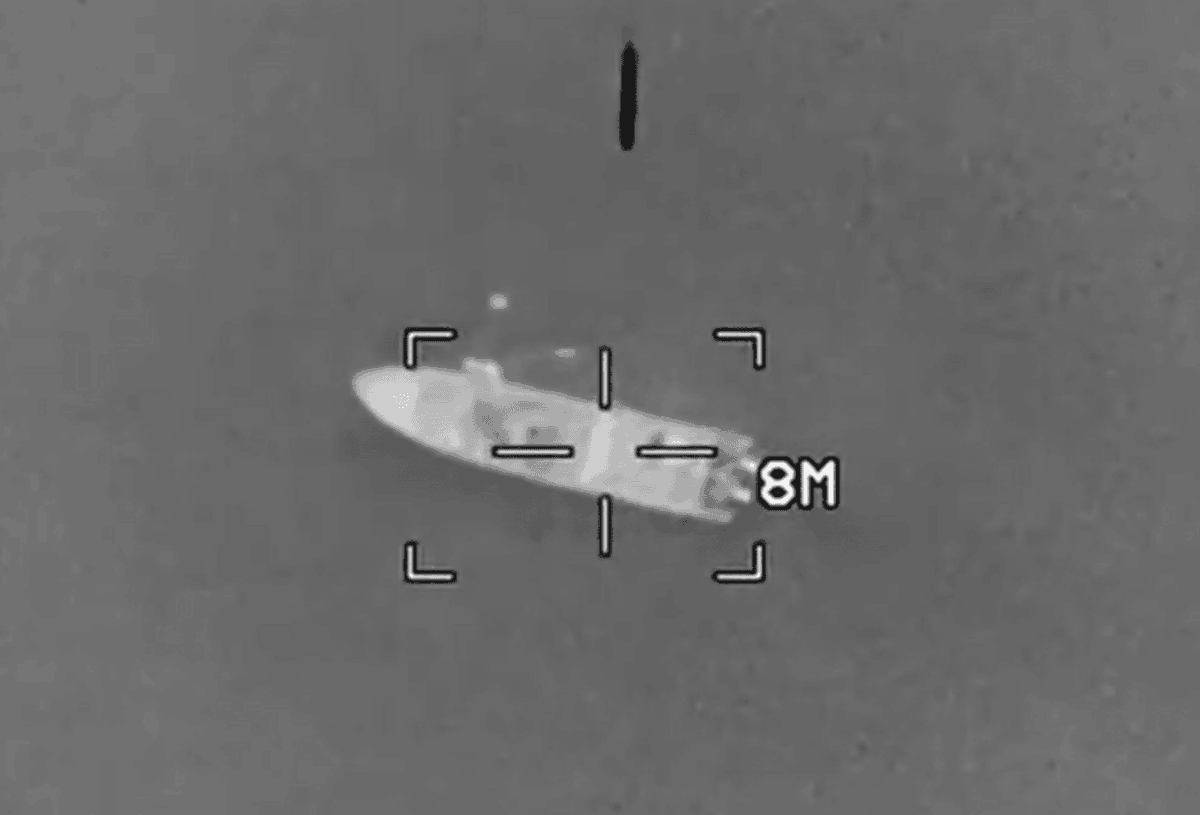
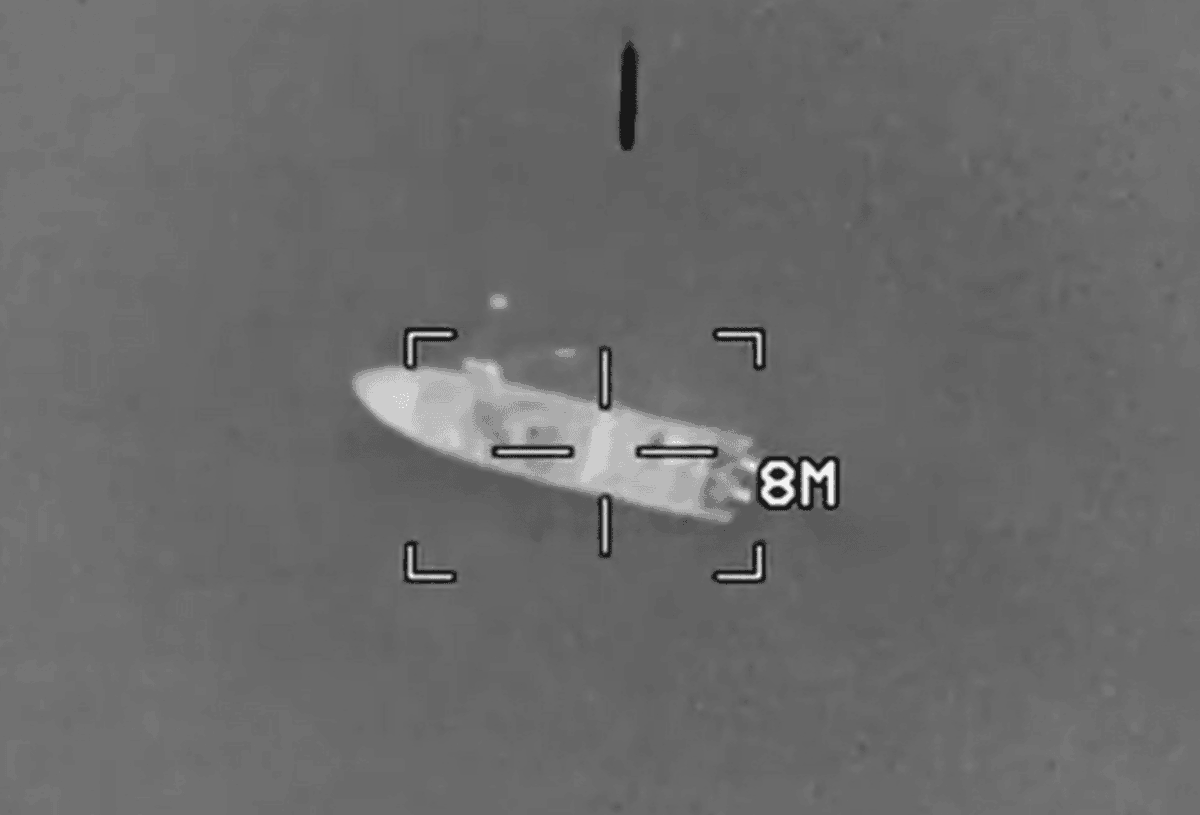
Three Vessels Engaged, Eleven Occupants Killed On the night of Feb 17, U.S. Southern Command confirmed that two eastern‑Pacific boats and one Caribbean craft were hit, killing all 11 men aboard, whom the command labeled “narco‑terrorists” [2]. Newsweek reported the same operation on Feb 18, noting eight deaths in the Pacific and three in the Caribbean [1]. No U.S. personnel were injured in the attacks, and the strikes were part of a broader anti‑drug campaign that began in September 2025.
Cumulative Death Toll Exceeds One Hundred Thirty‑Five The campaign has produced at least 135 deaths according to CNN, while Newsweek counts 145 fatalities across more than 40 strikes since early September 2025 [2][1]. Both outlets agree that the United States has conducted over 40 air‑or‑sea attacks on vessels in Latin American waters, marking the deadliest anti‑drug effort of the Trump administration. The discrepancy stems from differing inclusion criteria for earlier, unconfirmed incidents.
Classified Memo Authorizes Lethal Force, Congress Calls It Murder A classified Justice Department opinion released in fall 2025 authorized lethal strikes against a secret list of at least 24 cartel‑linked targets, designating them as enemy combatants [2]. Democratic lawmakers and human‑rights groups have condemned the strikes as unlawful killings of civilians, citing a September “double‑tap” incident where survivors were allegedly executed [1][2]. Legal experts argue the actions violate international law because the United States has not declared war on drug cartels.
First U.S. Service‑Member Fatality and Maduro’s Capture Occur Simultaneously Marine Lance Corporal Chukwuemeka Oforah died on Feb 10 after falling overboard from the USS Iwo Jima, prompting a 72‑hour search involving five Navy ships and ten aircraft [1]. The same carrier later transported captured Venezuelan President Nicolás Maduro and his wife to New York for narco‑terrorism charges, an operation that coincided with the Feb 17 strikes [1]. Following Maduro’s apprehension, the tempo of Caribbean and Pacific attacks has noticeably slowed.
Coast Guard Conducts Survivor Searches Amid Lack of Evidence The Coast Guard launched three separate searches for abandoned survivors after strikes on Dec 30, Jan 23, and Feb 9, suspending the first effort on Jan 2 [3]. No public evidence of narcotics or cartel affiliation has been released for any of the targeted vessels [3]. Despite the lethal campaign, U.S. forces report zero injuries among their own personnel, underscoring that all operational risks have fallen on the targeted boats and occupants.
Sources
-
1.
Newsweek: U.S. Military Strikes Kill 11 Alleged Narco‑Terrorists in Pacific and Caribbean: details the Feb 18 strikes killing eight in the Pacific and three in the Caribbean, links the operation to Maduro’s capture, notes the first U.S. casualty, and highlights legal backlash .
-
2.
CNN: US Military Strikes Kill 11 on Three Alleged Drug Boats: reports the same three‑boat attack, cites Southern Command’s “narco‑terrorist” label, provides the campaign death toll of 135, and discusses the classified memo and congressional criticism .
-
3.
CNN: US Military Boat Strikes Kill 124, Prompt Ongoing Search Efforts: outlines the broader campaign’s 124 deaths from 40 strikes since September 2025, describes survivor detentions and Coast Guard searches, and emphasizes the administration’s “armed conflict” framing without judicial review .
Related Tickers
Timeline
Sep 2 2025 – U.S. Navy missiles strike a vessel off Venezuela suspected of carrying cocaine, then a second missile hits the wreck minutes later, killing two survivors who were clinging to the debris, prompting a congressional briefing on the legality of “double‑tap” attacks [28].
Sep 5 2025 – The Department of Justice’s Office of Legal Counsel issues a 40‑page opinion classifying drug trafficking as a terrorist activity, authorizing lethal force against designated narcotics vessels under a non‑international armed conflict framework [28].
Dec 4 2025 – Operation Southern Spear conducts a kinetic strike on an alleged drug boat in the Eastern Pacific, killing four men identified as “narco‑terrorists” and posting a 21‑second video of the explosion [25].
Dec 10 2025 – Survivors of earlier strikes are handled inconsistently: some are detained and later released, while others are left in the water after a follow‑on strike that killed two “hors de combat” survivors, sparking legal debate over the September 2 double‑tap [24].
Dec 15 2025 – U.S. forces strike three vessels in the Eastern Pacific, killing eight men (three, two, and three on each boat) and labeling the targets as Designated Terrorist Organizations operating on known narco‑trafficking routes [27][23].
Dec 17 2025 – A kinetic strike on an alleged drug‑smuggling vessel kills four crew members; Defense Secretary Pete Hegseth orders the attack and the Pentagon reports no U.S. casualties [22][21][26].
Dec 18 2025 – President Trump declares a 94 % drop in drug shipments by sea, while the cumulative death toll from boat strikes surpasses 100 after two vessels are hit, killing five people [21][19].
Dec 22 2025 – A low‑profile vessel in the Eastern Pacific is struck, killing one person; Southern Command cites “known narco‑trafficking routes” but provides no public evidence of drugs [30].
Dec 23 2025 – Another Eastern Pacific strike kills one individual; video shows the boat drifting after a second salvo ignites a fire, adding to the tally of at least 105 deaths in 29 known strikes [18].
Dec 29 2025 – Joint Task Force Southern Spear conducts a lethal kinetic strike on a Designated Terrorist Organization vessel, killing two men; the operation is directed by “SecWar” Pete Hegseth and no U.S. personnel are harmed [29][15][16].
Dec 31 2025 – Two consecutive strikes on alleged drug boats kill five people (three on the first vessel, two on the second); the U.S. announces the attacks as part of Operation Southern Spear and alerts the Coast Guard for search‑and‑rescue [13][14].
Jan 2 2026 – Colombian President Gustavo Petro says survivors jumped into the Pacific to escape a U.S. strike that killed five, posting a map of the strike zone near Mexico‑Guatemala and calling the attacks “murders” [13].
Jan 3 2026 – The U.S. Coast Guard suspends a 65‑hour search for people in the water after a convoy strike that killed three aboard one boat, citing exhausted resources and low probability of survival [12].
Early Jan 2026 – U.S. forces capture Venezuelan President Nicolás Maduro and his wife aboard the USS Iwo Jima, transporting them to New York for narco‑terrorism charges, a high‑profile move that coincides with a slowdown in boat‑strike tempo [1][6].
Jan 23 2026 – The first lethal strike since the Maduro raid hits a suspected drug‑trafficking boat in the Eastern Pacific, killing two occupants and leaving one survivor; Southern Command notifies the Coast Guard to begin a rescue mission [9][10][11].
Feb 5 2026 – New SOUTHCOM commander Gen. Francis L. Donovan orders a kinetic strike on a vessel operated by Designated Terrorist Organizations, killing two people; this is the second documented lethal boat attack of the year [5].
Feb 6 2026 – A second Eastern Pacific strike kills two more individuals, raising the campaign death toll to 128; Defense Secretary Pete Hegseth tweets that “some top cartel drug‑traffickers… have decided to cease all narcotics operations INDEFINITELY” [1][8].
Feb 14 2026 – The Pentagon reports 124 people killed in 40 boat strikes since September, noting that survivors have been detained then released, while the Coast Guard launches additional searches for missing crew members [7].
Feb 17 2026 – Three vessels (two Pacific, one Caribbean) are hit, killing all 11 occupants and pushing the cumulative campaign death toll to at least 135; a classified legal memo from fall 2025 had authorized lethal force against a secret list of cartels [4].
Feb 18 2026 – Two eastern Pacific attacks and one Caribbean strike kill 11, bringing total fatalities to 145; Marine Lance Corporal Chukwuemeka Oforah dies after falling overboard from the USS Iwo Jima, prompting a 72‑hour search involving five ships and ten aircraft [6].
Feb 19 2026 – Relatives of two Trinidadian men killed in the October 2025 strike file a lawsuit accusing the U.S. of extrajudicial killings and demanding release of operational files, adding a legal challenge to the ongoing campaign [5][1].
Dive deeper (23 sub-stories)
-
Newsweek: U.S. Military Strikes Kill 11 Alleged Narco‑Terrorists in Pacific and Caribbean
-
CNN: US Military Strikes Kill 11 on Three Alleged Drug Boats
-
CNN: US Military Boat Strikes Kill 124, Prompt Ongoing Search Efforts
-
AP: U.S. Military Strikes Another Alleged Drug Boat, Raising Death Toll to 128
-
US Military Strike Kills Two on Alleged Drug Boat, Raising Legal and Political Controversy
(2 articles)
-
US Southern Command Executes Second Fatal Boat Strike Under New Commander Donovan
(6 articles)
-
Newsweek: U.S. Military Kinetic Strike on Eastern Pacific Narco Vessel – Jan. 23 Update
-
AP: U.S. Military Strikes First Drug Boat Since Maduro Raid
-
CNN: Coast Guard suspends search after US strikes on alleged drug boats
-
AP: Coast Guard hunts survivors as boat-strike campaign widens search
-
Newsweek: Petro says survivors jumped into Pacific to escape U.S. attack on drug boats
-
BBC: US says five killed in strike on two drug-carrying boats
-
CNN: U.S. strikes on alleged drug boats kill at least eight over two days, with survivors abandoning ship
-
U.S. Military Strikes Five Drug Boats, Killing Eight and Leaving Survivors Adrift
(2 articles)
-
The Hindu: U.S. Military says two men killed in strike on suspected drug vessel in Pacific
-
U.S. Military Strikes Eastern Pacific Drug Boat, One Killed, December 22, 2025
(2 articles)
-
CNN: US strikes low-profile vessel in eastern Pacific, killing one
-
Newsweek: Death toll from U.S. strikes on alleged drug boats passes 100
-
U.S. Southern Command Kills Four Narco‑Terrorists in Latest Eastern Pacific Strike
(2 articles)
-
Latest Pacific Boat Strike Kills Four, Raising Congressional Scrutiny Over U.S. Anti‑Drug Campaign
(2 articles)
-
US Military Strikes Three Pacific Drug Boats, Killing Eight in Latest Operation
(2 articles)
-
CNN: US strikes on drug boats yield survivors treated differently
-
Newsweek: US Military Conducts 22nd Drug‑Boat Strike in Eastern Pacific Amid Ongoing Controversy
All related articles (34 articles)
-
Newsweek: U.S. Military Strikes Kill 11 Alleged Narco‑Terrorists in Pacific and Caribbean
-
CNN: US Military Strikes Kill 11 on Three Alleged Drug Boats
-
CNN: US Military Boat Strikes Kill 124, Prompt Ongoing Search Efforts
-
AP: U.S. Military Strikes Another Alleged Drug Boat, Raising Death Toll to 128
-
BBC: US Military Strikes Alleged Drug Boat, Killing Two Amid Growing Controversy
-
CNN: US Southern Command conducts second lethal boat strike in Pacific, killing two
-
Newsweek: U.S. Military Kinetic Strike on Eastern Pacific Narco Vessel – Jan. 23 Update
-
CNN: US military strike on Pacific drug boat kills two, leaves one survivor (Jan 23)
-
AP: U.S. Military Strikes First Drug Boat Since Maduro Raid
-
CNN: Coast Guard suspends search after US strikes on alleged drug boats
-
AP: Coast Guard hunts survivors as boat-strike campaign widens search
-
Newsweek: Petro says survivors jumped into Pacific to escape U.S. attack on drug boats
-
BBC: US says five killed in strike on two drug-carrying boats
-
CNN: U.S. strikes on alleged drug boats kill at least eight over two days, with survivors abandoning ship
-
AP: U.S. military strikes five more alleged drug boats, eight killed, survivors possibly left
-
CNN: US strikes vessel in eastern Pacific, killing 2
-
The Hindu: U.S. Military says two men killed in strike on suspected drug vessel in Pacific
-
AP: US conducts 30th strike against drug-boat in eastern Pacific
-
The Hindu: U.S. strikes another alleged drug boat in eastern Pacific, killing one
-
CNN: US strikes low-profile vessel in eastern Pacific, killing one
-
AP: US strikes another drug-smuggling boat in the eastern Pacific, one killed
-
CNN: US strikes two alleged drug-trafficking boats in the eastern Pacific, five killed
-
Newsweek: Death toll from U.S. strikes on alleged drug boats passes 100
-
AP: U.S. conducts two more strikes on drug boats in the eastern Pacific, killing five
-
Newsweek: Four Men Killed in U.S. Eastern Pacific Drug‑Boat Strike on Dec 17
-
CNN: US strike on alleged drug boat kills four in eastern Pacific
-
AP: U.S. Military Boat Strike Kills Four, Raises Congressional Scrutiny
-
BBC: Eight killed in latest strikes on alleged drug boats, US military says
-
Newsweek: U.S. Southern Command Strikes Three Drug Vessels, Killing Eight
-
AP: U.S. Military Strikes Three Pacific Boats, Killing Eight
-
CNN: US strikes on drug boats yield survivors treated differently
-
AP: US Military Strikes Drug Boat Near Venezuela, Killing 87 People
-
CNN: US Military Strikes Suspected Drug Boat in Eastern Pacific, Killing Four
-
Newsweek: US Military Conducts 22nd Drug‑Boat Strike in Eastern Pacific Amid Ongoing Controversy
External resources (16 links)
- https://x.com/Southcom/status/1996726797086457886?s=20 (cited 2 times)
- https://t.co/69ywxXk30N (cited 1 times)
- https://twitter.com/SecWar?ref_src=twsrc%5Etfw (cited 1 times)
- https://x.com/AndrewKolvet/status/1996706611029532744 (cited 1 times)
- https://x.com/PeteHegseth/status/1996757617427824861?s=20 (cited 1 times)
- https://x.com/SecWar (cited 1 times)
- https://x.com/SenSchumer/status/1996669529267884292 (cited 1 times)
- https://x.com/Southcom/status/2001464448750621120 (cited 1 times)
- https://x.com/Southcom/status/2001840669313135099 (cited 1 times)
- https://x.com/Southcom/status/2003303616963133694 (cited 1 times)
- https://x.com/Southcom/status/2005776276100207032?s=20 (cited 1 times)
- https://x.com/Southcom/status/2006474817076330557?s=20 (cited 1 times)
- https://x.com/Southcom/status/2006531145844867143?s=20 (cited 1 times)
- https://x.com/Southcom/status/2019599912107712962?s=20 (cited 1 times)