DOJ’s Flawed Epstein File Release Triggers Victim Outcry, Remediation and Congressional Action
Updated (110 articles)
-
 Image: NewsweekDeputy Attorney General Todd Blanche takes a question from a reporter during a news conference after the Justice Department announced the release of three million pages of documents in the latest Jeffrey Epstein disclosure in Washington, Friday, Jan. 30, 2026. (AP Photo/J. Scott Applewhite) Source Full size
-
 Image: NewsweekDeputy Attorney General Todd Blanche takes a question from a reporter during a news conference after the Justice Department announced the release of three million pages of documents in the latest Jeffrey Epstein disclosure in Washington, Friday, Jan. 30, 2026. (AP Photo/J. Scott Applewhite) Source Full size
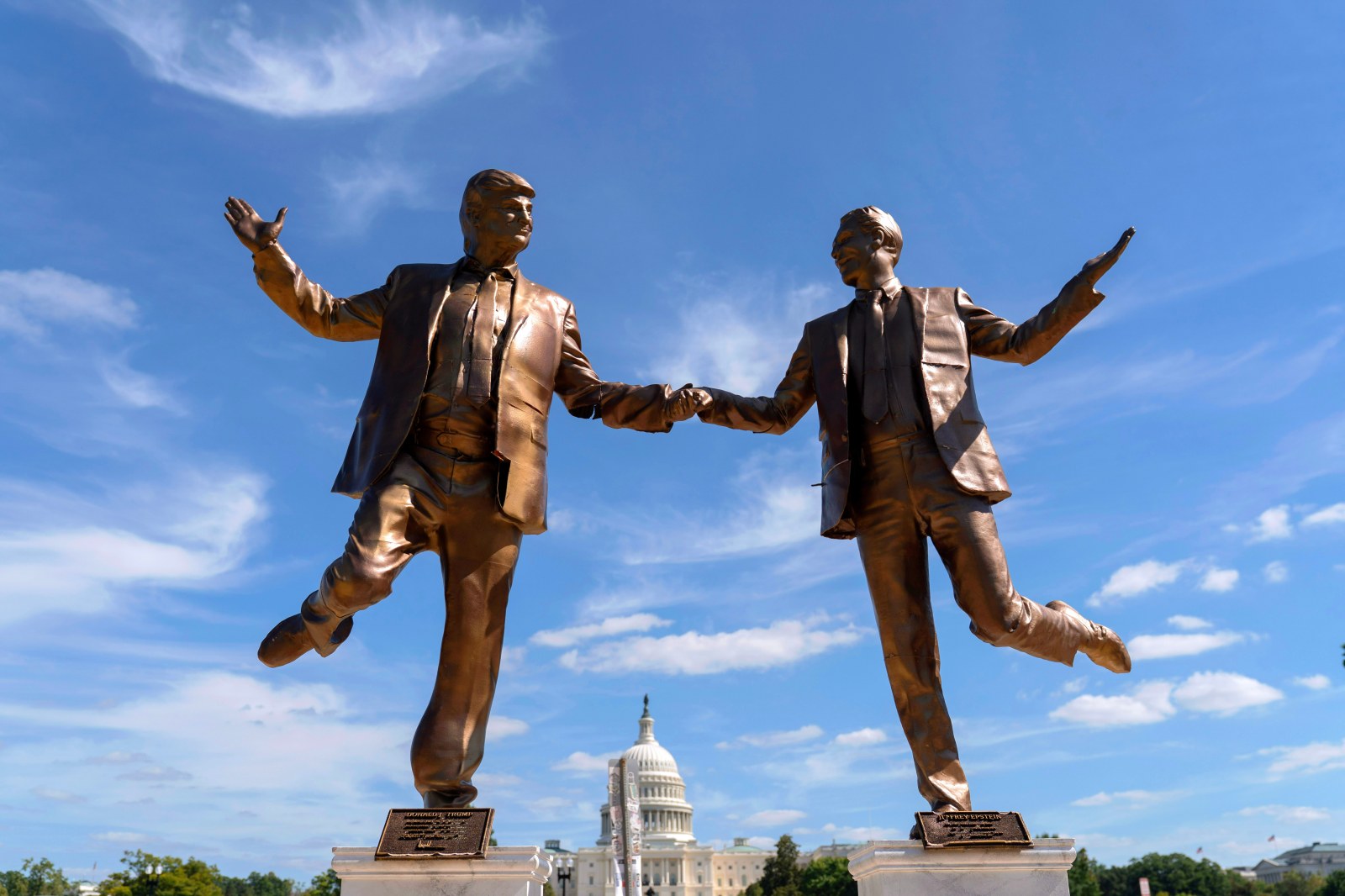


Massive mandated disclosure sparks privacy crisis On Jan 30 2026 the Justice Department posted more than 3 million pages, 2,000 videos and 180,000 images from the Epstein investigation to satisfy the Epstein Files Transparency Act, a law passed in November 2025 [12][13]. The release, followed by additional uploads on Feb 4‑5, represented the largest public dump of the case’s records, covering roughly half of the six million pages the DOJ identified as responsive [10][14].
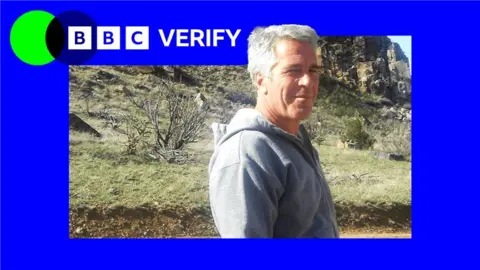
Redaction failures expose names, nude photos and personal data Reviewers found dozens of victims’ full names, Social Security numbers, dates of birth, addresses and unblurred nude images across the files, including a 16‑year‑old survivor’s phone number and a minor’s photo in a victim chart [3][6][1]. BBC Verify documented partially clothed females with faces visible and missing black‑square redactions, while AP reporters highlighted emails where a “fun night” comment referenced a child [2][1]. Survivors reported threats, credit‑card closures and “life‑threatening” consequences after the exposure [5][7][9].
DOJ acknowledges errors and removes thousands of documents Deputy Attorney General Todd Blanche admitted “mistakes were made,” attributing the breaches to “technical or human error” during a rushed 30‑day review [6][4]. The department pulled thousands of flagged files from its website on Feb 3‑4, promised rapid correction of each complaint, and maintained that only about .001 %–0.1 % of the material remained improperly redacted [7][9][1]. A revised flag‑ging protocol now requires a corrected version to be posted within 24‑36 hours of discovery [6].
Congress, lawyers and victims demand full protection and accountability Representatives Ro Khanna (D‑CA) and Thomas Massie (R‑KY) have threatened impeachment or contempt actions against Attorney General Pam Bondi unless unredacted files are released [1][10]. Victims’ attorneys filed urgent letters seeking immediate judicial intervention and an independent monitor, leading to a settlement on Feb 3 that halted a scheduled hearing and secured further redactions [5][7]. Lawmakers continue to subpoena the DOJ for the remaining undisclosed pages, while the department asserts no documents are being withheld for political reasons [9][10].
Sources
-
1.
CNN: DOJ’s flawed Epstein file release sparks survivor outcry and congressional push: Highlights >3 million unredacted documents, survivor threats, and Rep. Khanna’s impeachment warning .
-
2.
BBC: Unredacted Nude Images Persist in Released Epstein Files, Prompting DOJ Remediation: Details nude photos remaining online, BBC Verify findings, and court‑ordered rapid fixes .
-
3.
AP: DOJ’s Epstein file dump leaks victims’ private data: Describes widespread redaction failures, Annie Farmer’s exposed details, and DOJ’s rushed review explanation .
-
4.
BBC: DOJ Pulls Thousands of Epstein Files After Redaction Errors Expose Victims: Reports removal of flagged documents and cancellation of a New York hearing .
-
5.
AP: Deal Reached to Protect Identities of Epstein Victims: Covers settlement that halted a hearing and victims’ claims of life‑threatening exposure .
-
6.
AP: Justice Department pulls thousands of Epstein files after redaction errors: Notes removal of thousands of records, technical error blame, and victims’ threats .
-
7.
CNN: Victims’ Lawyers Demand Immediate Removal of Unredacted Epstein Files: Summarizes urgent lawyer letters, reported redaction errors, and DOJ’s claim of .1 % remaining issues .
-
8.
Newsweek: Epstein Document Releases Deepen Political and Legal Scrutiny of Trump: Explores political fallout, mentions of Trump and other high‑profile figures, and congressional criticism .
-
9.
AP: DOJ official downplays chance of new charges after massive Epstein file release: States DOJ sees no basis for new prosecutions and notes international political repercussions .
-
10.
Newsweek: DOJ Says Review of Epstein Files Is Over After Releasing Millions of Documents: Announces completion of review, .001 % error estimate, and congressional requests .
-
11.
CNN: Newly released Epstein files mention Trump over 1,000 times and include unverified assault allegations: Highlights Trump references, FBI tip list, and Trump’s denial .
-
12.
AP: DOJ releases over 3 million pages of Jeffrey Epstein files: Provides release numbers, missed deadline, and survivor condemnation .
-
13.
CNN: DOJ releases 3 million + Epstein files, exposing new ties to powerful figures: Details Musk and Bannon emails, draft indictment, and survivor redaction complaints .
-
14.
AP: Justice Department Releases Over 3 Million Pages of Jeffrey Epstein Files: Notes redactions, high‑profile contacts, and congressional pressure .
-
15.
AP: Justice Department Releases Over 3 Million Pages of Jeffrey Epstein Files: Similar to above with emphasis on redaction volume and oversight .
-
16.
AP: Justice Department Releases Over 3 Million Pages of Jeffrey Epstein Files: Highlights review timeline, victim‑privacy redactions, and survivor backlash .
-
17.
AP: DOJ releases over 3 million pages of Jeffrey Epstein files: Summarizes release scope, redaction policy, and survivor criticism .
-
18.
AP: DOJ Releases Over 3 Million Pages of Jeffrey Epstein Files: Describes missed deadline, attorney review effort, and no political shielding claim .
-
19.
AP: DOJ Releases Over 3 Million Pages of Jeffrey Epstein Files: Reiterates law‑mandated release, redaction focus, and congressional subpoenas .
-
20.
AP: DOJ Releases Over 3 Million Pages of Jeffrey Epstein Files: Emphasizes large‑scale disclosure, redaction rationale, and DOJ defense of process .
Videos (1)
Timeline
Dec 16, 2025 – The Epstein Files Transparency Act, signed on Nov 19, mandates the Justice Department to publish all unclassified Epstein‑related records in a searchable, downloadable format by Dec 19, prohibiting the release of victims’ personal data and barring redactions solely to avoid embarrassment of public figures [30].
Dec 18, 2025 – Lawmakers and watchdogs note the looming Dec 19 deadline; judges begin unsealing Giuffre v. Maxwell records, and both parties release island photos and emails mentioning Trump, while Republicans accuse Democrats of cherry‑picking [29][25].
Dec 19, 2025 – The DOJ posts the first tranche of about 4,000 Epstein files, mostly FBI photographs, including dozens of images of Bill Clinton in hot tubs and a 1996 FBI child‑pornography complaint; the release meets the statutory deadline but draws criticism for heavy redactions and incomplete scope [27][22][20][24].
Dec 20, 2025 – Survivors condemn the partial release as a betrayal, noting that the batch contains heavily redacted grand‑jury material and that “the release exposes survivors while shielding abusers,” while the DOJ promises additional batches in the coming weeks and acknowledges a “small number” of items remain under review [21][23][19].
Dec 21, 2025 – Deputy Attorney General Todd Blanche defends the limited release, saying the DOJ must protect survivors and that “the department will eventually meet its legal obligations, but must proceed cautiously” [17].
Dec 22, 2025 – The DOJ temporarily removes a photo of President Trump with Epstein and Ghislaine Maxwell, then reinstates it after review; Blanche states the removal “has nothing to do with Trump” and that “dozens of Trump photos have already been released” [16][5][6].
Dec 22, 2025 – Lawmakers threaten legal action; Rep. Thomas Massie drafts inherent contempt charges against Attorney General Pam Bondi for missing the deadline, while Senate Minority Leader Chuck Schumer announces a resolution to pressure the DOJ when the Senate reconvenes in January [4][5].
Dec 23, 2025 – Former President Donald Trump denounces the release of Clinton photos as “terrible” and “political maneuvering,” while Blanche asserts that the DOJ’s redactions protect victims and that “not a single piece of paper containing victim information would be released” [14][6].
Dec 24, 2025 – Federal investigators uncover more than one million additional Epstein‑related documents, prompting the DOJ to say “lawyers will work around the clock” and that further releases may take weeks [3][13].
Dec 27, 2025 – The DOJ posts hundreds of thousands of additional files, expanding the “Epstein Library” to four categories and adding 30,000 pages of material, including a 2021 subpoena to Mar‑a‑Lago and a disputed handwritten note allegedly signed by Epstein and Larry Nassar [13][12].
Dec 31, 2025 – The DOJ widens its review to about 5.2 million records, adds over 400 attorneys, and notes that no further documents will be released until late January, while Senators press the department to address the missed deadline [12].
Jan 6, 2026 – In a court filing, the DOJ reports that it has released 12,285 documents (≈125,575 pages), less than 1 % of the over 2 million potentially responsive items, and that “substantial work remains” on the review [11].
Jan 13‑14, 2026 – A video shows President Trump appearing to flip off a heckler at a Detroit plant; White House Communications Director Steven Cheung calls the gesture “appropriate and unambiguous,” while the DOJ notes that less than 1 % of the files are public and projects an eight‑year timeline at the current pace [10].
Jan 30‑31, 2026 – The DOJ uploads more than 3 million pages, 2,000 videos and 180,000 images to its website, redacting victim identities and ongoing‑investigation material; survivors decry the release as a “betrayal” that still shields abusers, and Rep. Ro Khanna notes the DOJ has disclosed only about half of the identified 6 million pages [8][9][7].
Feb 1, 2026 – Deputy Attorney General Blanche declares the statutory review complete after examining over 6 million pages, confirming that a small number of items remain under a protective order pending a judge’s decision [7].
Feb 2, 2026 – Blanche tells CNN that despite “horrible photographs,” the newly released material “does not allow us necessarily to prosecute somebody,” reaffirming the department’s earlier assessment that no fresh criminal investigations are warranted [6].
Feb 3‑4, 2026 – After victims flag privacy breaches, the DOJ removes thousands of flagged Epstein files from its website, admits the errors stem from “technical or human error,” and cancels a scheduled New York court hearing once the department and victims resolve the concerns [2][1].
Feb 5, 2026 – Unredacted nude images and victim‑identifying details reappear online for days, prompting victim‑rights lawyer Brad Edwards to call the damage “irreparable” and survivor Ashley Rubright to label it “a huge violation” of the victims’ most vulnerable moments [1].
Late 2026 (planned) – The DOJ signals that a few remaining documents still await judicial approval and that it will continue releasing additional material in the coming weeks to fulfill the Epstein Files Transparency Act’s requirements, while Congress prepares further oversight hearings and possible contempt actions [7][8][4].
Dive deeper (63 sub-stories)
-
CNN: DOJ’s flawed Epstein file release sparks survivor outcry and congressional push
-
BBC: Unredacted Nude Images Persist in Released Epstein Files, Prompting DOJ Remediation
-
AP: DOJ’s Epstein file dump leaks victims’ private data
-
BBC: DOJ Pulls Thousands of Epstein Files After Redaction Errors Expose Victims
-
AP: Deal Reached to Protect Identities of Epstein Victims
-
AP: Justice Department pulls thousands of Epstein files after redaction errors
-
CNN: Victims’ Lawyers Demand Immediate Removal of Unredacted Epstein Files
-
DOJ Concludes Epstein Review, Releases 3 Million Pages Amid Political Fallout
(6 articles)
-
AP: DOJ official downplays chance of new charges after massive Epstein file release
-
Newsweek: DOJ Says Review of Epstein Files Is Over After Releasing Millions of Documents
-
Massive Epstein Document Release Fulfills 2025 Transparency Law
(4 articles)
-
Justice Department Posts Over 3 Million Epstein Files, Highlighting Elite Contacts and Ongoing Redactions
(10 articles)
-
Justice Department Unveils Over 3 Million New Epstein Files, Including Flight Logs
(2 articles)
-
CNN: Justice Department Signals Near‑Term Release of Epstein Files
-
Newsweek: DOJ Epstein Files Update: Bondi Cites Substantial Progress Amid Glitches
-
CNN: Epstein survivors urge inspector general to review DOJ file releases
-
Newsweek: White House responds to video of Trump flipping off worker amid Epstein files scrutiny
-
CNN: DOJ urges speed in Epstein file review as redaction concerns rise
-
DOJ Plans Next Epstein File Release Around Jan 20 Amid Ongoing Review
(2 articles)
-
Newsweek: Lawmakers urge judge to appoint special master to oversee Epstein files release
-
CNN: DOJ has released 12,285 Epstein files — under 1% — while reviewing more than 2 million documents
-
Newsweek: DOJ says 12,285 Epstein files released but millions remain, review could take years
-
DOJ Expands Epstein File Review to 5.2 Million Records, Delays Release Until Late January
(2 articles)
-
Newsweek: Trump urges DOJ to release Democrats' names allegedly in Epstein files
-
Newsweek: Trump's Christmas message revisits Epstein ties as DOJ delays Epstein-file releases
-
DOJ Announces Weeks‑Long Delay After Uncovering Over One Million New Epstein Documents
(5 articles)
-
CNN: Botched Epstein redactions trace back to Virgin Islands’ 2020 civil racketeering case against Epstein estate
-
DOJ Releases Heavily Redacted Epstein Files, Survivors Decry Ongoing Privacy Violations
(2 articles)
-
Trump Slams Clinton Photo Release as DOJ’s Partial Epstein Files Rollout Sparks Bipartisan Outcry
(2 articles)
-
The Hindu: Backlash grows over DOJ handling of Epstein file release
-
CNN: Trump decries reputations damaged by Epstein photos in first public comments since DOJ release
-
CNN: Jane Doe's name appears unredacted in DOJ Epstein files, survivor says redactions failing
-
DOJ’s Partial Epstein File Release Shows New Clinton Photos, Broad Redactions, and Ongoing Political Pushback
(3 articles)
-
Newsweek: Some Republicans Back Bondi Impeachment, Khanna Says
-
BBC: Lawmakers threaten legal action after partial Epstein files release
-
DOJ Reposts Trump‑Epstein Photo After Review, Ignites Transparency and Impeachment Talk
(4 articles)
-
DOJ Restores Trump Photo to Epstein Files After Review Amid Victim Concerns
(2 articles)
-
AP: Deputy AG defends partial Epstein file release as Democrats press for transparency
-
Newsweek: DOJ official addresses files taken down from Epstein release
-
Newsweek: SNL mocks Trump over redacted Epstein files as DOJ signals more releases
-
BBC: Survivors remain nervous as DOJ releases Epstein files with heavy redactions
-
The Hindu: Democrats decry partial Epstein files after Trump photo removal
-
Newsweek: House Democrats Probe DOJ Over Epstein Files Vanishing From Website
-
Newsweek: Impeachment Talks Rise as Epstein Files Released with Redactions
-
Justice Department Unveils Thousands of Epstein Files, Highlighting Clinton Photos and Redactions
(2 articles)
-
DOJ’s December Epstein Files Release Shows Clinton Photos, Sparks Calls for Full Disclosure
(4 articles)
-
DOJ Releases Initial 4,000‑Plus Epstein Files, More Disclosures Planned by Year‑End
(6 articles)
-
AP: DOJ releases partial Epstein case files under congressional mandate
-
The Hindu: Justice Department releases thousands of Epstein case records, including photos and call logs
-
CNN: Epstein files vindicate a survivor who reported him in the 1990s, but others are still seeking answers
-
Newsweek: DoJ Releases Epstein Files, Names Celebrities in Initial Batch
-
Newsweek: MAGA reacts to DOJ Epstein files release
-
Newsweek: DOJ releases Epstein files after bipartisan act, White House touts transparency
-
Justice Department Releases Thousands of Epstein Files, Promises Continued Disclosure
(4 articles)
-
BBC: U.S. poised to release Epstein files after Congress acts and Trump signs
-
The Hindu: Democrats release 68 new images from Epstein estate ahead of DOJ file unsealing
-
Newsweek: Bondi faces impeachment risk as Epstein files deadline approaches
-
CNN: DOJ rushes to redact Epstein files before Friday release
-
House Democrats Unveil Dozens More Epstein Photos as DOJ Deadline Looms
(3 articles)
-
Newsweek: House Republicans Move Christmas Recess Forward Ahead of Epstein Files Release
-
Justice Department Nears Dec. 19 Deadline to Publish Epstein Files Amid New Releases
(2 articles)
-
King5 (Seattle, WA): Epstein files must be released by Dec. 19 under new law
-
CNN: DOJ to Release Epstein Files by Dec 19 Amid Survivor Anxiety
All related articles (110 articles)
-
CNN: DOJ’s flawed Epstein file release sparks survivor outcry and congressional push
-
BBC: Unredacted Nude Images Persist in Released Epstein Files, Prompting DOJ Remediation
-
AP: DOJ’s Epstein file dump leaks victims’ private data
-
BBC: DOJ Pulls Thousands of Epstein Files After Redaction Errors Expose Victims
-
AP: Deal Reached to Protect Identities of Epstein Victims
-
AP: Justice Department pulls thousands of Epstein files after redaction errors
-
CNN: Victims’ Lawyers Demand Immediate Removal of Unredacted Epstein Files
-
Newsweek: Epstein Document Releases Deepen Political and Legal Scrutiny of Trump
-
AP: DOJ official downplays chance of new charges after massive Epstein file release
-
Newsweek: DOJ Says Review of Epstein Files Is Over After Releasing Millions of Documents
-
CNN: Newly released Epstein files mention Trump over 1,000 times and include unverified assault allegations
-
AP: DOJ releases over 3 million pages of Jeffrey Epstein files
-
CNN: DOJ releases 3 million + Epstein files, exposing new ties to powerful figures
-
AP: Justice Department Releases Over 3 Million Pages of Jeffrey Epstein Files
-
AP: Justice Department Releases Over 3 Million Pages of Jeffrey Epstein Files
-
AP: Justice Department Releases Over 3 Million Pages of Jeffrey Epstein Files
-
AP: DOJ releases over 3 million pages of Jeffrey Epstein files
-
AP: DOJ Releases Over 3 Million Pages of Jeffrey Epstein Files
-
AP: DOJ Releases Over 3 Million Pages of Jeffrey Epstein Files
-
AP: DOJ Releases Over 3 Million Pages of Jeffrey Epstein Files
-
AP: DOJ releases over 3 million pages of Jeffrey Epstein files
-
CNN: DOJ Releases Over 3 Million Pages of Jeffrey Epstein Files
-
Newsweek: DOJ’s Final Epstein File Release Mentions Trump in Thousands of Pages
-
King5 (Seattle, WA): Justice Department Releases Over 3 Million Pages of Jeffrey Epstein Files
-
AP: Justice Department Releases Over 3 Million Pages of New Epstein Records
-
CNN: Justice Department Signals Near‑Term Release of Epstein Files
-
Newsweek: DOJ Epstein Files Update: Bondi Cites Substantial Progress Amid Glitches
-
CNN: Epstein survivors urge inspector general to review DOJ file releases
-
Newsweek: White House responds to video of Trump flipping off worker amid Epstein files scrutiny
-
CNN: DOJ urges speed in Epstein file review as redaction concerns rise
-
WBNS (Columbus, OH): DOJ releases less than 1% of Epstein files as privacy protections delay further releases
-
King5 (Seattle, WA): DOJ has released less than 1% of Epstein files, officials confirm
-
Newsweek: Lawmakers urge judge to appoint special master to oversee Epstein files release
-
CNN: DOJ has released 12,285 Epstein files — under 1% — while reviewing more than 2 million documents
-
Newsweek: DOJ says 12,285 Epstein files released but millions remain, review could take years
-
Newsweek: DOJ expands Epstein document review to 5.2 million records, adds hundreds of lawyers
-
AP: DOJ expands Epstein document review to 5.2 million, adds lawyers, delays release
-
CNN: Hundreds of thousands of Epstein files released, with more material to come
-
Newsweek: Trump urges DOJ to release Democrats' names allegedly in Epstein files
-
Newsweek: Trump's Christmas message revisits Epstein ties as DOJ delays Epstein-file releases
-
King5 (Seattle, WA): DOJ says it may need weeks to finish Epstein files after finding over a million more documents
-
AP: DOJ may need a few more weeks to release Epstein files after discovery of over a million documents
-
BBC: More than a million Epstein-related documents uncovered, set for release
-
Newsweek: DOJ reviews over 1 million Epstein documents for release as new materials surface
-
CNN: DOJ finds over a million additional Epstein documents, review may take weeks
-
The Hindu: DOJ finds over a million Epstein documents, delaying full release as redactions continue
-
CNN: Botched Epstein redactions trace back to Virgin Islands’ 2020 civil racketeering case against Epstein estate
-
CNN: Redactions in Epstein files draw transparency scrutiny under new law
-
Newsweek: Trump denounces Clinton Epstein photos as DOJ partial release draws backlash
-
The Hindu: Backlash grows over DOJ handling of Epstein file release
-
CNN: Trump decries reputations damaged by Epstein photos in first public comments since DOJ release
-
CNN: Epstein files release incomplete as DOJ defends heavy redactions and faces cross-party scrutiny
-
CNN: Jane Doe's name appears unredacted in DOJ Epstein files, survivor says redactions failing
-
Newsweek: Clinton urges full Epstein files release as DOJ continues disclosure
-
CNN: DOJ releases Epstein files in partial release, redactions persist and questions remain
-
Newsweek: Some Republicans Back Bondi Impeachment, Khanna Says
-
BBC: Lawmakers threaten legal action after partial Epstein files release
-
Newsweek: DOJ reposts Trump-Epstein photo after review, fueling transparency debate
-
BBC: DOJ reinstates Trump photo in Epstein files after review following victims' concerns
-
The Hindu: DOJ Restores Trump Photo to Public Epstein Files After Review
-
CNN: Partial Epstein files release deepens controversy around Trump as DOJ redactions persist
-
AP: Deputy AG defends partial Epstein file release as Democrats press for transparency
-
Newsweek: DOJ official addresses files taken down from Epstein release
-
Newsweek: SNL mocks Trump over redacted Epstein files as DOJ signals more releases
-
BBC: Survivors remain nervous as DOJ releases Epstein files with heavy redactions
-
The Hindu: Democrats decry partial Epstein files after Trump photo removal
-
Newsweek: House Democrats Probe DOJ Over Epstein Files Vanishing From Website
-
AP: DOJ Epstein file page loses 16 items, Trump photo included
-
WBNS (Columbus, OH): DOJ Epstein document page loses 16 files, including Trump photo, prompting transparency concerns
-
King5 (Seattle, WA): DOJ Epstein document page vanishes 16 files after posting, prompting transparency concerns
-
Newsweek: Impeachment Talks Rise as Epstein Files Released with Redactions
-
CNN: Justice Department releases Epstein files, including photos and notes
-
Newsweek: Bill Clinton responds to Epstein Files release featuring swimming-pool photos
-
CNN: DOJ releases Epstein files with Clinton photos, heavy redactions
-
The Hindu: DOJ releases Epstein files; initial batch includes thousands of photographs and redactions
-
Newsweek: DOJ releases first Epstein Files documents, including photos of Bill Clinton and Michael Jackson
-
AP: Initial Epstein file release falls short of expectations with limited documents and redactions
-
CNN: Five takeaways from the DOJ Epstein files release
-
AP: DOJ releases Epstein files; more disclosures expected
-
AP: DOJ releases partial Epstein case files under congressional mandate
-
The Hindu: Justice Department releases thousands of Epstein case records, including photos and call logs
-
Newsweek: Bill Clinton appears in DOJ Epstein files released under the Epstein Files Transparency Act
-
WBNS (Columbus, OH): DOJ releases Epstein files under new act; thousands of pages published, but production incomplete
-
King5 (Seattle, WA): Justice Department releases Epstein files under new transparency law
-
CNN: Epstein files vindicate a survivor who reported him in the 1990s, but others are still seeking answers
-
CNN: Justice Department releases Epstein files with new Clinton photos and broad redactions
-
AP: DOJ releases initial batch of Epstein files; more disclosures expected under new law
-
AP: DOJ releases part of Epstein case files; more disclosures expected
-
Newsweek: DoJ Releases Epstein Files, Names Celebrities in Initial Batch
-
Newsweek: MAGA reacts to DOJ Epstein files release
-
Newsweek: DOJ releases Epstein files after bipartisan act, White House touts transparency
-
WBNS (Columbus, OH): Justice Department releases Epstein files but says disclosure incomplete
-
King5 (Seattle, WA): Justice Department releases Epstein files but says full disclosure will continue
-
Newsweek: DOJ releases hundreds of Epstein files ahead of deadline under Epstein Files Transparency Act
-
BBC: DOJ to begin releasing Epstein files but not all by Friday deadline
-
BBC: U.S. poised to release Epstein files after Congress acts and Trump signs
-
AP: DOJ faces Friday deadline to release Epstein files under new law
-
The Hindu: Democrats release 68 new images from Epstein estate ahead of DOJ file unsealing
-
Newsweek: Bondi faces impeachment risk as Epstein files deadline approaches
-
CNN: DOJ rushes to redact Epstein files before Friday release
-
AP: House Democrats Release Additional Epstein Estate Photos
-
Newsweek: House Republicans Move Christmas Recess Forward Ahead of Epstein Files Release
-
WBNS (Columbus, OH): Deadline to release Epstein files nears; what's been released so far
-
King5 (Seattle, WA): Deadline to release Epstein files nears as DOJ must publish records by Dec. 19
-
WBNS (Columbus, OH): Epstein files due for release by Dec. 19 under new law
-
King5 (Seattle, WA): Epstein files must be released by Dec. 19 under new law
-
CNN: DOJ to Release Epstein Files by Dec 19 Amid Survivor Anxiety
-
AP: House Democrats Release Epstein Estate Photos Featuring Trump, Clinton, Prince Andrew
-
BBC: New batch of Epstein estate photos released by House Oversight Committee
-
Newsweek: Jeffrey Epstein Photos: Full List of Celebrities Seen in New Images
External resources (172 links)
- https://www.justice.gov/epstein (cited 26 times)
- https://www.justice.gov/epstein/files/DataSet%2010/EFTA01868626.pdf (cited 8 times)
- https://www.justice.gov/multimedia/DOJ%20Disclosures/First%20Phase%20of%20Declassified%20Epstein%20Files/D.%20Masseuse%20List%20(Redacted).pdf (cited 8 times)
- https://www.justice.gov/epstein/doj-disclosures (cited 7 times)
- https://www.justice.gov/epstein/files/DataSet%2010/EFTA01942151.pdf (cited 7 times)
- https://www.justice.gov/epstein/files/DataSet%2010/EFTA01683591.pdf (cited 6 times)
- https://www.justice.gov/epstein/files/DataSet%2010/EFTA01703108.pdf (cited 5 times)
- https://www.justice.gov/epstein/files/DataSet%2010/EFTA01762434.pdf (cited 5 times)
- https://www.justice.gov/epstein/files/DataSet%2010/EFTA02152992.pdf (cited 5 times)
- https://www.justice.gov/epstein/files/DataSet%2010/EFTA02189586.pdf (cited 5 times)
- https://www.justice.gov/epstein/files/DataSet%2011/EFTA02521951.pdf (cited 5 times)
- https://www.justice.gov/epstein/files/DataSet%202/EFTA00003256.pdf (cited 5 times)
- https://www.justice.gov/epstein/files/DataSet%202/EFTA00003346.pdf (cited 5 times)
- https://www.justice.gov/epstein/files/DataSet%202/EFTA00003642.pdf (cited 5 times)
- https://www.justice.gov/epstein/files/DataSet%209/EFTA00157980.pdf (cited 5 times)
- https://www.justice.gov/epstein/files/DataSet%209/EFTA00158676.pdf (cited 5 times)
- https://www.justice.gov/epstein/files/DataSet%209/EFTA00398721.pdf (cited 5 times)
- https://justice.gov/queue/view?c=usdoj&e=usdojsearch&ver=javascript-5.0.1&cver=11&man=www.justice.gov%20-%20search%20pages&enqueuetoken=eyJ0eXAiOiJRVDEiLCJlbmMiOiJBRVMyNTYiLCJpc3MiOjE3NjYxODEyNDI5MDcsImV4cCI6MTc2NjE4MTQ4MjkwNywidGkiOiJjOWNhYjk0Ni04YzBkLTQ1NWEtOTU0NC0zZThhZGQ3NTNkZDYiLCJjIjoidXNkb2oiLCJlIjoidXNkb2pzZWFyY2giLCJpcCI6IjE2OC4xNjEuMjIuMSJ9.Wdi6wtVGMIiYStES6SHDNg.toFpaJXIGyZufwKzdgDow9vlW0R419wNPgc5Q8M87Ok&t=https%3A%2F%2Fwww.justice.gov%2Fepstein&kupver=akamai-5.0.1 (cited 4 times)
- https://www.justice.gov/epstein/files/DataSet%2010/EFTA01278975.pdf (cited 3 times)
- https://www.justice.gov/epstein/files/DataSet%2010/EFTA01279453.pdf (cited 3 times)
- https://www.justice.gov/epstein/files/DataSet%2010/EFTA01279466.pdf (cited 3 times)
- https://www.justice.gov/epstein/files/DataSet%2010/EFTA01683885.pdf (cited 3 times)
- https://www.justice.gov/epstein/files/DataSet%2010/EFTA01699638.pdf (cited 3 times)
- https://www.justice.gov/epstein/files/DataSet%2010/EFTA01993037.pdf (cited 3 times)
- https://www.justice.gov/epstein/files/DataSet%2010/EFTA02151512.pdf (cited 3 times)
- https://www.justice.gov/epstein/files/DataSet%2010/EFTA02152298.pdf (cited 3 times)
- https://www.justice.gov/epstein/files/DataSet%2010/EFTA02189429.pdf (cited 3 times)
- https://www.justice.gov/epstein/files/DataSet%2011/EFTA02213406.pdf (cited 3 times)
- https://www.justice.gov/epstein/files/DataSet%2011/EFTA02213440.pdf (cited 3 times)
- https://www.justice.gov/epstein/files/DataSet%2011/EFTA02364941.pdf (cited 3 times)
- https://www.justice.gov/epstein/files/DataSet%2011/EFTA02390364.pdf (cited 3 times)
- https://www.justice.gov/epstein/files/DataSet%2011/EFTA02449355.pdf (cited 3 times)
- https://www.justice.gov/epstein/files/DataSet%2011/EFTA02593429.pdf (cited 3 times)
- https://www.justice.gov/epstein/files/DataSet%2011/EFTA02649146.pdf (cited 3 times)
- https://www.justice.gov/epstein/files/DataSet%2011/EFTA02671545.pdf (cited 3 times)
- https://www.justice.gov/epstein/files/DataSet%202/EFTA00003336.pdf (cited 3 times)
- https://www.justice.gov/epstein/files/DataSet%202/EFTA00003367.pdf (cited 3 times)
- https://www.justice.gov/epstein/files/DataSet%203/EFTA00004070.pdf (cited 3 times)
- https://www.justice.gov/epstein/files/DataSet%203/EFTA00004179.pdf (cited 3 times)
- https://www.justice.gov/epstein/files/DataSet%203/EFTA00005091.pdf (cited 3 times)
- https://www.justice.gov/epstein/files/DataSet%209/EFTA00126106.pdf (cited 3 times)
- https://www.justice.gov/epstein/files/DataSet%209/EFTA00436142.pdf (cited 3 times)
- https://www.justice.gov/epstein/files/DataSet%209/EFTA00875997.pdf (cited 3 times)
- https://oversight.house.gov/release/oversight-committee-releases-additional-epstein-estate-documents/ (cited 2 times)
- https://www.justice.gov/epstein/court-records (cited 2 times)
- https://www.justice.gov/epstein/doj-disclosures/data-set-5-files (cited 2 times)
- https://www.justice.gov/epstein/files/DataSet%2011/EFTA02706746.pdf (cited 2 times)
- https://www.justice.gov/epstein/files/DataSet%202/EFTA00003168.pdf (cited 2 times)
- https://www.justice.gov/epstein/files/DataSet%205/EFTA00008510.pdf (cited 2 times)
- https://www.justice.gov/epstein/files/DataSet%205/EFTA00008511.pdf (cited 2 times)
- https://www.justice.gov/epstein/files/DataSet%205/EFTA00008519.pdf (cited 2 times)
- https://www.justice.gov/epstein/files/DataSet%205/EFTA00008526.pdf (cited 2 times)
- https://www.justice.gov/epstein/files/DataSet%205/EFTA00008527.pdf (cited 2 times)
- https://www.justice.gov/multimedia/DOJ%20Disclosures/First%20Phase%20of%20Declassified%20Epstein%20Files/C.%20Contact%20Book%20(Redacted).pdf (cited 2 times)
- https://www.justice.gov/opa/media/1407001/dl?inline (cited 2 times)
- https://www.justice.gov/ag/media/1391331/dl?inline (cited 1 times)
- https://www.justice.gov/age-verify?destination=/epstein/files/DataSet%2010/EFTA01975462.pdf (cited 1 times)
- https://www.justice.gov/age-verify?destination=/epstein/files/DataSet%209/EFTA00962202.pdf (cited 1 times)
- https://www.justice.gov/epstein/court-records/giuffre-v-maxwell-no-115-cv-07433-sdny-2015 (cited 1 times)
- https://www.justice.gov/epstein/files/DataSet%201/EFTA00000468.pdf (cited 1 times)
- https://www.justice.gov/epstein/files/DataSet%2010/EFTA01279464.pdf (cited 1 times)
- https://www.justice.gov/epstein/files/DataSet%2010/EFTA01660679.pdf (cited 1 times)
- https://www.justice.gov/epstein/files/DataSet%2010/EFTA01758707.pdf (cited 1 times)
- https://www.justice.gov/epstein/files/DataSet%2010/EFTA01930501.pdf (cited 1 times)
- https://www.justice.gov/epstein/files/DataSet%2010/EFTA01975499.pdf (cited 1 times)
- https://www.justice.gov/epstein/files/DataSet%2010/EFTA02065631.pdf (cited 1 times)
- https://www.justice.gov/epstein/files/DataSet%2011/EFTA02504630.pdf (cited 1 times)
- https://www.justice.gov/epstein/files/DataSet%202/EFTA00003176.pdf (cited 1 times)
- https://www.justice.gov/epstein/files/DataSet%209/EFTA00828561.pdf (cited 1 times)
- https://www.justice.gov/epstein/files/DataSet%209/EFTA00962202.pdf (cited 1 times)
- https://www.justice.gov/epstein/foia (cited 1 times)
- https://www.justice.gov/multimedia/Court%20Records/Giuffre%20v.%20Maxwell,%20No.%20115-cv-07433%20(S.D.N.Y.%202015)/1296-17.pdf (cited 1 times)
- https://www.justice.gov/multimedia/Court%20Records/Giuffre%20v.%20Maxwell,%20No.%20115-cv-07433%20(S.D.N.Y.%202015)/1332-16.pdf (cited 1 times)
- https://www.justice.gov/multimedia/Court%20Records/Giuffre%20v.%20Maxwell,%20No.%20115-cv-07433%20(S.D.N.Y.%202015)/1338-1.pdf (cited 1 times)
- https://www.justice.gov/multimedia/Court%20Records/Matter%20of%20the%20Estate%20of%20Jeffrey%20E.%20Epstein,%20Deceased,%20No.%20ST-21-RV-00005%20(V.I.%20Super.%20Ct.%202021)/2022.03.17-1%20Exhibit%201.pdf (cited 1 times)
- https://www.justice.gov/opa/media/1426091/dl (cited 1 times)
- https://www.justice.gov/opa/pr/department-justice-publishes-35-million-responsive-pages-compliance-epstein-files (cited 1 times)
- https://www.justice.gov/queue/view?c=usdoj&e=usdojsearch&ver=javascript-5.0.1&cver=11&man=www.justice.gov+-+search+pages&t=https%3A%2F%2Fwww.justice.gov%2Fepstein&kupver=akamai-5.0.1 (cited 1 times)
- https://storage.courtlistener.com/recap/gov.uscourts.dcd.227536/gov.uscourts.dcd.227536.144.1.pdf (cited 4 times)
- https://storage.courtlistener.com/recap/gov.uscourts.dcd.227536/gov.uscourts.dcd.227536.152.0.pdf (cited 4 times)
- https://storage.courtlistener.com/recap/gov.uscourts.nysd.539612/gov.uscourts.nysd.539612.826.0.pdf (cited 4 times)
- https://storage.courtlistener.com/recap/gov.uscourts.nysd.498023/gov.uscourts.nysd.498023.308.0.pdf (cited 3 times)
- https://storage.courtlistener.com/recap/gov.uscourts.nysd.498023/gov.uscourts.nysd.498023.318.0_2.pdf (cited 3 times)
- https://storage.courtlistener.com/recap/gov.uscourts.nysd.539611/gov.uscourts.nysd.539611.838.1.pdf (cited 2 times)
- https://storage.courtlistener.com/recap/gov.uscourts.nysd.539612/gov.uscourts.nysd.539612.115.0_3.pdf (cited 1 times)
- https://usvidoj.com/u-s-virgin-islands-attorney-general-settles-sex-trafficking-case-against-estate-of-jeffrey-epstein-and-co-defendants-for-over-105-million/ (cited 1 times)
- https://usvipublicportal-api.vicourts.org/courts/87edff36-c02b-4073-aea4-c0652bc123d9/cms/case/054842c5-ab8c-4876-b7bb-f449f693a969/docketentrydocuments/3477e758-fd6f-4495-99db-817a85cf1c7a (cited 1 times)
- https://usvipublicportal-api.vicourts.org/courts/87edff36-c02b-4073-aea4-c0652bc123d9/cms/case/5bceb570-8e45-4645-be03-eb91ec7ea7a5/docketentrydocuments/70f202b5-ccb0-410b-a0ac-16aed48ea5f7 (cited 1 times)
- https://www.ap.org/wp-content/uploads/2024/02/ap-news-values-and-principles-1.pdf (cited 21 times)
- https://www.politico.com/story/2016/11/donald-trump-rape-accuser-lawsuits-230647 (cited 6 times)
- https://www.nytimes.com/2014/04/07/us/politics/departing-white-house-counsel-held-powerful-sway.html (cited 5 times)
- https://www.nytimes.com/2025/12/18/us/jeffrey-epstein-donald-trump.html (cited 3 times)
- https://edition.cnn.com/politics/live-news/jeffrey-epstein-files-released?post-id=cmjdeteae00003b6ppey0et98 (cited 1 times)
- https://transcripts.cnn.com/show/cnc/date/2025-12-23/segment/01 (cited 1 times)
- https://wral.com/story/jeffrey-epstein-invoked-the-fifth-amendment-hundreds-of-times-in-a-newly-unsealed-2016-deposition/21228870/#:~:text=In%20a%202016%20Jeffrey%20Epstein, (cited 1 times)
- https://www.miamiherald.com/topics/jeffrey-epstein/ (cited 1 times)
- https://www.newyorker.com/magazine/2019/08/05/alan-dershowitz-devils-advocate (cited 1 times)
- https://www.nytimes.com/2026/02/01/us/nude-photos-epstein-files.html#:~:text=Other%20victims%20have%20expressed%20outrage,powerful%20people's%20names%20were%20shielded. (cited 1 times)
- https://www.politico.com/news/2025/12/16/susie-wiles-trump-clinton-epstein-interview-00692570 (cited 1 times)
- https://www.reuters.com/world/us/americans-skeptical-trump-epstein-republican-doubts-ease-reutersipsos-poll-finds-2025-12-12/ (cited 1 times)
- https://www.washingtonpost.com/investigations/2025/03/19/personal-information-jfk-files-social-security-numbers/ (cited 1 times)
- https://s3.documentcloud.org/documents/26394943/letter-on-maxwell-and-epstein-file-redactions.pdf (cited 7 times)
- https://s3.documentcloud.org/documents/26585519/epstein-survivor-statement.pdf (cited 2 times)
- https://s3.documentcloud.org/documents/26496339/cnn-poll-epstein.pdf (cited 1 times)
- https://www.documentcloud.org/documents/26392531-read-the-letter-deputy-attorney-general-todd-blanche-sent-to-congress-about-the-epstein-files-release/ (cited 1 times)
- https://www.documentcloud.org/documents/26556116-efta02280348/ (cited 1 times)
- https://www.documentcloud.org/documents/26777416-doj-response-in-epstein-case-request/ (cited 1 times)
- https://x.com/elonmusk/status/1972005867580281038 (cited 8 times)
- https://x.com/angelurena/status/2002159039183269993?s=20 (cited 7 times)
- https://x.com/GatesMcgavick/status/2002133879222935705 (cited 4 times)
- https://x.com/TheJusticeDept (cited 4 times)
- https://www.facebook.com/churchillwarrooms/photos/the-colour-coded-telephones-in-the-map-room-known-as-the-beauty-chorus-linked-th/10156897580552853/?locale=ms_MY&_rdr (cited 3 times)
- https://www.linkedin.com/in/gates-mcgavick-4729a2211/ (cited 3 times)
- https://x.com/PressSec/status/2002134916470022213?s=20 (cited 3 times)
- https://x.com/RepThomasMassie/status/2003138484123631655/photo/1 (cited 3 times)
- https://x.com/ScottJenningsKY/status/2003171175812464799 (cited 3 times)
- https://x.com/StevenCheung47/status/2002135433933959178?s=20 (cited 3 times)
- https://x.com/GOPoversight/status/1988630477205299245 (cited 2 times)
- https://x.com/RepThomasMassie/status/2002155838467965273?s=20 (cited 2 times)
- https://x.com/RoKhanna/status/2002150152690348438 (cited 2 times)
- https://x.com/RoKhanna/status/2003127350884479253?s=20 (cited 2 times)
- https://x.com/TheJusticeDept/status/2002837849440428100 (cited 2 times)
- https://x.com/TheJusticeDept/status/2003832108377370945?s=20 (cited 2 times)
- https://x.com/angelurena/status/2003166064969154839 (cited 2 times)
- https://saltypolitics.substack.com/p/breaking-evidence-that-trumps-doj-f9a?utm_campaign=post-expanded-share&utm_medium=web&triedRedirect=true (cited 1 times)
- https://t.co/aHW8bv9ICZ (cited 1 times)
- https://t.co/xXngYQ4Qaw (cited 1 times)
- https://truthsocial.com/@realDonaldTrump/posts/111727606183781019 (cited 1 times)
- https://truthsocial.com/@realDonaldTrump/posts/115579394833948106 (cited 1 times)
- https://truthsocial.com/@realDonaldTrump/posts/115788344840750960 (cited 1 times)
- https://twitter.com/angelurena/status/1148357927625023490?s=46&t=2ZF541WhC6fkvXZKxuTNfw (cited 1 times)
- https://www.reddit.com/r/law/comments/1ptlms6/some_epstein_files_can_be_unredacted/ (cited 1 times)
- https://x.com/AGPamBondi (cited 1 times)
- https://x.com/AGPamBondi/status/2002004971877966271 (cited 1 times)
- https://x.com/AGPamBondi/status/2002180281747280120 (cited 1 times)
- https://x.com/AGPamBondi/status/2002805328291709059 (cited 1 times)
- https://x.com/AOC/status/2001446138285531447 (cited 1 times)
- https://x.com/ATJackson47/status/2002139375388532955 (cited 1 times)
- https://x.com/DAGToddBlanche/status/2002136486297149937 (cited 1 times)
- https://x.com/DAGToddBlanche/status/2002814450034999558 (cited 1 times)
- https://x.com/DOJSpox47/status/2002088420588540212?s=20 (cited 1 times)
- https://x.com/OversightDems/status/2002430296172745079 (cited 1 times)
- https://x.com/OversightDems/status/2003917419530895723 (cited 1 times)
- https://x.com/RapidResponse47/status/2002748383073583449 (cited 1 times)
- https://x.com/RepThomasMassie (cited 1 times)
- https://x.com/RepThomasMassie/status/2002155838467965273 (cited 1 times)
- https://x.com/RepThomasMassie/status/2003931277787824546?s=20 (cited 1 times)
- https://x.com/RoKhanna/status/2003914437837967703 (cited 1 times)
- https://x.com/SenSchumer/status/2002066344788033999/photo/1 (cited 1 times)
- https://x.com/TheJusticeDept/status/2002843217633632644?s=20 (cited 1 times)
- https://x.com/TheJusticeDept/status/2003442658643988641?s=20 (cited 1 times)
- https://x.com/TheJusticeDept/status/2003901580341334257 (cited 1 times)
- https://x.com/TheLeadCNN (cited 1 times)
- https://x.com/flyosity/status/2003487819587821613?s=46 (cited 1 times)
- https://x.com/i/birdwatch/n/2002181763100033205 (cited 1 times)
- https://x.com/i/birdwatch/n/2002202419024028104 (cited 1 times)
- https://x.com/i/birdwatch/n/2002822849640415636 (cited 1 times)
- https://x.com/i/birdwatch/n/2002842729563472062 (cited 1 times)
- https://x.com/kaitlancollins/status/2002202930003493008 (cited 1 times)
- https://x.com/rgoodlaw/status/2002458716768256289 (cited 1 times)
- https://x.com/thejusticedept/status/2002837849440428100?s=46 (cited 1 times)
- https://x.com/thejusticedept/status/2003442658643988641?s=46&t=j_yLPG2SX8JBmyoXstB_8Q (cited 1 times)
- https://news.sky.com/story/elon-musk-and-prince-andrew-named-in-latest-epstein-files-release-13438742?dcmp=snt-sf-twitter (cited 5 times)
- https://www.iwm.org.uk/events/cabinet-war-rooms (cited 5 times)
- https://hotline.rainn.org/online (cited 3 times)
- https://www.thehotline.org/ (cited 3 times)
- https://bit.ly/4jB96AT (cited 2 times)
- https://humantraffickinghotline.org/report-trafficking (cited 2 times)
- https://polarisproject.org/get-assistance (cited 2 times)
- https://time.com/7322750/epstein-blackmail-lutnick-allegations/ (cited 1 times)
- https://www.americanbar.org/news/abanews/aba-news-archives/2019/06/house-panel-contempt-efforts/ (cited 1 times)