President Ahmed Al‑Sharaa Signs Jan 30 Accord Dissolving Rojava Autonomy and Merging SDF
Updated (45 articles)
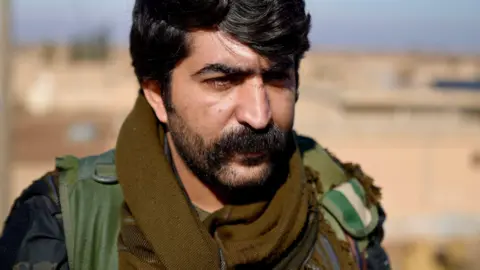
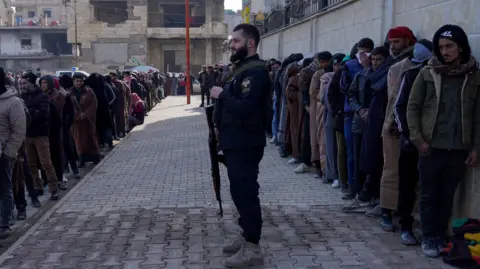
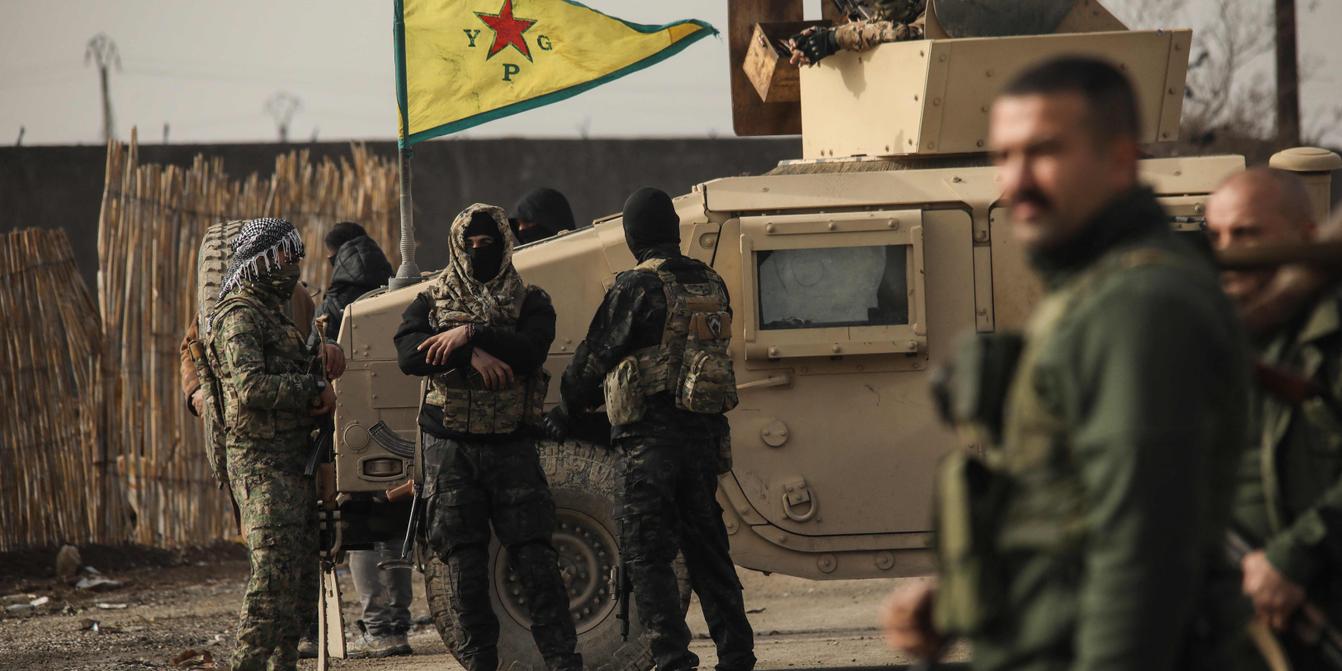
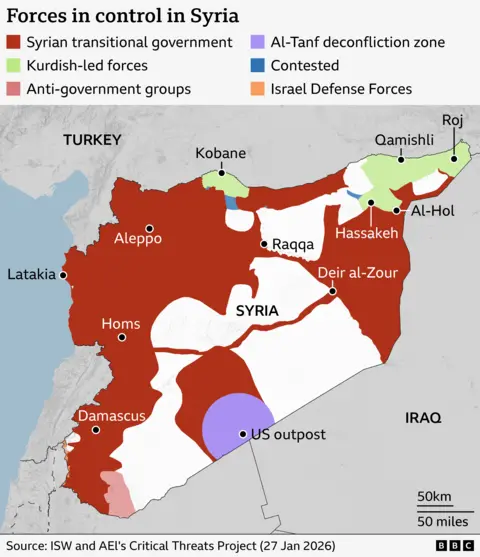
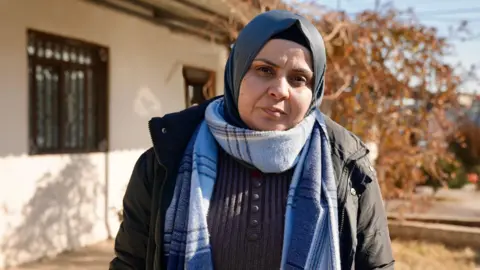
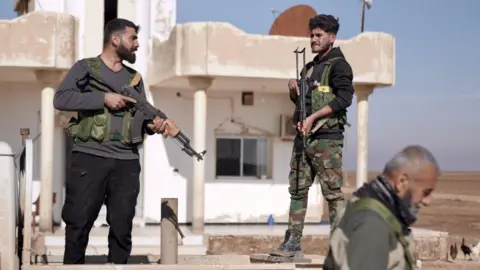
Jan 30 Accord Ends Rojava Autonomy and Merges SDF The Syrian president Ahmed Al‑Sharaa imposed an agreement on 30 January that formally dissolves the Kurdish‑run autonomous region in north‑east Syria, ending a twelve‑year experiment without threatening anyone [1]. The deal integrates the Syrian Democratic Forces (SDF) into the national army, creates three Kurdish brigades, and appoints a Kurdish‑chosen governor for Hasakah [4]. It also guarantees Kurdish cultural and linguistic rights, including making Kurdish a national language and recognizing the Kurdish new year as a holiday [4]. The agreement follows a ceasefire declared on 18 January that allowed government forces to seize the Omar oil field and the Tabqa dam [4].
U.S. Withdrawal Leaves Kurdish Forces Without Protection Washington has removed its backing for the Kurdish enclave and its military wing, ending years of U.S. protection that had shielded the region [1]. The United States now backs interim president Al‑Sharaa, a former al‑Qaeda affiliate who assumed power in December 2024, a shift Kurdish fighters describe as a betrayal [5]. U.S. envoy Tom Barrack called the integration pact “historic,” underscoring Washington’s interest in a unified Syria after ending direct support to Kurdish forces [4]. The withdrawal has accelerated Kurdish territorial losses and heightened fears of renewed extremist activity [5].
Syrian Interior Ministry Deploys to Qamishli Under Integration Deal On 4 February, Syrian Interior Ministry units entered the Kurdish‑majority city of Qamishli, restricting their mandate to state facilities such as civil‑registry offices, the airport, and oil sites [2]. Interior Ministry spokesperson Nour al‑Din al‑Baba pledged coordination with the “other side” and a program to assume control of crossings and oil facilities [2]. Kurdish security leader Samer Ahmad affirmed that Kurdish forces remain in charge of city security and will withdraw after integration [2]. Arab residents in nearby Tell Brak welcomed the convoy, chanting unity slogans and hoping the regular Syrian army will assume broader control [2].
Territorial Losses Include Omar Oil Field as Government Advances Syrian government troops have pushed the SDF out of resource‑rich areas, notably the Omar oil field, during the two weeks preceding the Jan 30 agreement [5]. The ceasefire set to expire on 7 February remains fragile, and negotiations continue to extend or make it permanent [5]. The transfer of the Omar field and the strategic Tabqa dam to Damascus was a key provision of the integration deal [4]. Detention camps such as al‑Hol have come under government control, with UN officials describing conditions there as “tense and volatile” [4][5].
Resurgent ISIS Cells Exploit Security Gaps Amid Transition After the interim government’s takeover, ISIS launched heavy assaults on 6 January, forcing SDF withdrawals from towns like Tabqa, Raqqa, and Deir ez‑Zor [3]. The release of roughly 2,000 IS prisoners in a Shaddadi raid and further incidents at al‑Hol have broadened the threat landscape [3]. Kurdish leader Afrin warns that the security vacuum created by the integration process is enabling ISIS cells to re‑emerge across Syria, including in Damascus [3]. She calls for an international political solution to prevent a larger resurgence of the group [3].
Sources
-
1.
Le Monde: Syrian President Ends Kurdish Autonomy as U.S. Pulls Support: reports the Jan 30 accord dissolving Rojava, U.S. withdrawal, Kurdish population size, and realist rationale for reunification .
-
2.
AP: Syrian Interior Ministry Forces Deploy in Kurdish Qamishli Under Damascus‑SDF Deal: details the Feb 4 deployment of interior ministry troops to Qamishli, limited mandate, coordination statements, and local reactions .
-
3.
The Hindu: ISIS resurges as Syrian Kurdish forces grapple with renewed fighting: describes Jan 6 ISIS‑linked attacks, SDF withdrawals, Jan 30 ceasefire integration plan, and the release of IS prisoners fueling resurgence .
-
4.
BBC: Syrian Government and Kurdish SDF Seal Integration Deal After Ceasefire: outlines the Jan 30 integration agreement, ceasefire on Jan 18, transfer of oil and dam assets, Kurdish rights guarantees, and UN concerns about al‑Hol .
-
5.
BBC: Kurds Retreat as U.S. Shifts Support to Syria’s New Interim President: covers SDF territorial losses, U.S. backing of interim president Al‑Sharaa, impending ceasefire expiry on Feb 7, detention‑camp tensions, and veteran commander Azad’s reaction .
Timeline
Dec 22 2025 – Turkish Foreign Minister Hakan Fidan arrives in Damascus with a delegation, meets Syrian interim president Ahmad al‑Jaafari and urges rapid integration of the Kurdish‑led SDF into the Syrian army, while clashes erupt in Aleppo after both sides blame each other for opening fire on a Kurdish checkpoint[29].
Jan 6 2026 – Forces of the Syrian Interim Government, Turkey‑backed brigades, Hayat Tahrir al‑Sham and ISIS launch heavy assaults on SDF‑held Tabqa, Raqqa and Deir ez‑Zour, forcing the Syrian Democratic Forces and Women’s Defence Units to withdraw to protect civilians[7].
Jan 7 2026 – Syrian army declares the Kurdish neighbourhoods of Sheikh Maqsoud and Ashrafieh “closed military areas” and shells them, killing at least 12 civilians and prompting mass displacement; later the same day the army opens evacuation corridors, sets a 3 p.m. deadline, and shells the districts after the deadline expires[23][24][28].
Jan 8 2026 – Damascus launches new strikes in Aleppo after issuing evacuation orders, releases seven target maps and imposes a curfew, while the Syrian civil defence reports 13,500 civilians evacuated; the army also announces a humanitarian corridor east of Aleppo, signalling a possible offensive in Deir Hafer and Maskana[22][16].
Jan 9 2026 – Kurdish fighters refuse to leave Sheikh Maqsoud, Ashrafiyeh and Bani Zeid despite a truce, 16,000 civilians flee, and the United States publicly welcomes the ceasefire, urging its durability[26].
Jan 10 2026 – Syrian forces intensify strikes on Sheikh Maqsud, claim the operation is over 90 % complete and urge remaining armed elements to surrender; the defence ministry reports several SDF arrests, while the Syrian army says it has cleared the last Kurdish‑held area in Aleppo, and U.S. envoy Tom Barrack meets Jordan’s foreign minister to consolidate the ceasefire[21][20].
Jan 11 2026 – The final Kurdish‑led SDF units withdraw from Aleppo via buses carrying about 360 fighters and civilians, marking the end of the city‑wide Kurdish presence; first responders enter the devastated neighbourhoods and report extensive damage and casualties[19][18].
Jan 15 2026 – The Syrian army opens a civilian evacuation corridor east of Aleppo, operating from 9 a.m. to 5 p.m., and signals a forthcoming offensive in Deir Hafer and Maskana, while urging SDF and other groups to withdraw to the eastern Euphrates bank[16].
Jan 18 2026 – Damascus and the SDF announce a ceasefire; SDF commander Mazloum Abdi confirms acceptance of withdrawal from Raqqa and Deir el‑Zour, and U.S. envoy Tom Barrack praises the accord as a step toward a unified Syria[15].
Jan 19 2026 – Despite the ceasefire, fighting erupts around al‑Aqtan prison, killing nine SDF fighters and wounding 20; Turkish President Erdogan urges the SDF to comply with the agreement, while the 14‑point ceasefire outlines SDF withdrawal, integration as individuals and handover of oil fields and border crossings[14][13].
Jan 20 2026 – Turkey’s pro‑Kurdish DEM party warns that Syrian violence could derail Ankara’s peace process, and President Erdogan publicly presses the SDF to fulfill the ceasefire and PKK disarmament commitments[12].
Jan 21 2026 – The U.S. begins transferring IS detainees from northeast Syria to Iraq, moving an initial 150 prisoners and planning to relocate up to 7,000; CENTCOM commander Admiral Brad Cooper discusses the operation with President Sharaa, while fresh clashes in Hassakeh kill seven Syrian soldiers[11][5].
Jan 22 2026 – The United Nations assumes management of al‑Hol camp after the SDF withdraws, but warns conditions remain “tense and volatile”; President Sharaa issues a decree granting Kurdish language status, nationality to stateless Kurds and declaring Nowruz a national holiday, while government forces seize the Kurdish‑held northeast, including the Omar oil field and Tabqa dam[3][4].
Jan 23 2026 – Syrian troops capture al‑Aqtan prison north of Raqqa following a Kurdish evacuation, while earlier that week they had taken Shaddadeh prison, prompting a chaotic escape of about 120 IS detainees and the opening of a corridor for 800 SDF fighters to head toward Kobani[9].
Jan 24 2026 – Damascus extends the ceasefire by 15 days to support the U.S. IS‑detainee transfer, the SDF affirms its commitment, 126 minors are released from al‑Aqtan prison, and a new accord incorporates individual SDF mergers into state security forces[8].
Jan 29 2026 – The United States shifts its backing to interim President Ahmed al‑Sharaa, labeling the SDF partnership “largely expired”; Kurdish commander Azad calls the move “a slap in the face,” and the fragile truce is set to lapse on 7 Feb, prompting urgent negotiations[2].
Jan 30 2026 – The Syrian government and the Kurdish‑led SDF sign an integration deal that creates a three‑brigade military division, transfers the Omar oil field and Tabqa dam to Damascus, and guarantees Kurdish cultural and civil rights; U.S. envoy Tom Barrack calls the pact “a profound and historic milestone,” while the UN notes that al‑Hol camp conditions remain volatile[1].
Feb 2 2026 – ISIS resurges as the Syrian Interim Government releases roughly 2,000 IS prisoners and security gaps allow active IS cells to operate across Syria, prompting Kurdish leader Afrin to warn that the group’s revival threatens regional stability[7].
Feb 3‑4 2026 – Syrian Interior Ministry units roll into Qamishli, securing civil‑registry offices, the airport and other state facilities as part of the integration deal, while Kurdish security leaders assure the forces are temporary and will withdraw after integration[6].
Feb 5 2026 – President Ahmed Al‑Charaa signs an accord that formally ends the Rojava autonomous region, dissolving the Kurdish‑run enclave; the United States withdraws its protective umbrella over the Kurdish forces, marking a decisive shift toward full Syrian reunification[30].
Dive deeper (9 sub-stories)
-
Le Monde: Syrian President Ends Kurdish Autonomy as U.S. Pulls Support
-
AP: Syrian Interior Ministry Forces Deploy in Kurdish Qamishli Under Damascus‑SDF Deal
-
Syrian Interim Government Integrates SDF Amid ISIS Resurgence and U.S. Policy Shift
(11 articles)
-
Syrian Government Extends Ceasefire to 15 Days, Backing U.S. IS Detainee Transfer and New SDF Integration Accord
(3 articles)
-
Syrian Troops Capture Al‑Aqtan Prison as U.S. Begins Large‑Scale IS Detainee Transfers to Iraq
(7 articles)
-
Turkish DEM Party Links Syrian Kurdish Violence to Fragile Domestic Peace Initiative
(3 articles)
-
Syrian Government Captures Tabqa, Omar Oil Field and Dams as Kurds Withdraw Eastward
(3 articles)
-
Syrian Army Secures Deir Hafer as Kurdish Forces Redeploy East of Euphrates
(2 articles)
-
Kurdish SDF Completes Withdrawal from Aleppo’s Sheikh Maqsoud Following Ceasefire Deal
(14 articles)
All related articles (45 articles)
-
Le Monde: Syrian President Ends Kurdish Autonomy as U.S. Pulls Support
-
AP: Syrian Interior Ministry Forces Deploy in Kurdish Qamishli Under Damascus‑SDF Deal
-
The Hindu: ISIS resurges as Syrian Kurdish forces grapple with renewed fighting
-
BBC: Syrian Government and Kurdish SDF Seal Integration Deal After Ceasefire
-
BBC: Kurds Retreat as U.S. Shifts Support to Syria’s New Interim President
-
AP: Ceasefire Extension Amid Ongoing Syrian‑Kurdish Tensions
-
AP: Syrian forces seize al-Aqtan prison housing IS detainees after Kurdish evacuation
-
AP: Jan 23: Turkey hails Syrian government gains as Kurdish-led SDF collapses
-
BBC: UN to run al-Hol camp in Syria as Kurdish-led withdrawal gives Damascus control
-
AP: IS prisoners moved from Syria to Iraq after Baghdad request, officials say
-
BBC: Sharaa's government seizes Kurdish-held northeast in rapid Syria realignment
-
AP: Kurdish-led SDF loses power in Syria as US shifts support to Damascus government
-
AP: US begins transferring ISIS detainees from Syria to Iraq as prisons shift to government control
-
BBC: US moves up to 7,000 IS detainees from Syria to Iraq as Damascus takes control
-
AP: IS detainees moved from Syria to Iraq as government forces seize detention centers
-
Newsweek: US policy shift leaves SDF seeking aid as Damascus advances in Syria
-
BBC: Syria seals ceasefire as Kurdish-led forces withdraw from al-Hol camp
-
AP: Syria and SDF announce four-day ceasefire as IS prison clashes persist
-
CNN: Syrian forces hunt ISIS fugitives after prison break
-
AP: DEM party warns violence in Syria could derail Turkish peace efforts
-
AP: Damascus–SDF ceasefire deal unravels as clashes erupt around northeast Syria prisons
-
BBC: Clashes persist after Syria-SDF ceasefire deal
-
AP: Syrian government and SDF sign ceasefire with SDF to withdraw from Raqqa and Deir el-Zour
-
CNN: Syrian forces seize Kurdish-held territory and oil wealth as talks yield withdrawal plan
-
BBC: Syrian army seizes Omar oil field from Kurdish forces
-
CNN: Syrian government advances seize Tabqa and Euphrates Dam as Kurds begin withdrawal east of Aleppo
-
BBC: Syrian army moves into Deir Hafer after Kurdish withdrawal east of the Euphrates
-
AP: Syrian military opens civilian corridor east of Aleppo as clashes escalate
-
AP: First responders enter devastated Aleppo neighborhood after days of deadly fighting
-
BBC: Last Kurdish forces withdraw from Aleppo after ceasefire deal reached
-
AP: Kurdish fighters evacuated from Aleppo's Sheikh Maqsoud after days of clashes
-
The Hindu: Syrian army says it cleared last Kurdish-held area in Aleppo; Kurds deny takeover
-
The Hindu: Syria urges Kurdish fighters to surrender as Aleppo operation nears completion
-
AP: Aleppo ceasefire falters as fighting resumes after Syria's defense ministry announcement
-
The Hindu: Kurdish fighters refuse to leave Aleppo after truce
-
AP: Thousands flee Aleppo as government-Kurdish clashes escalate with civilian toll rising
-
CNN: Syrian army strikes in Aleppo force thousands to flee as fighting with Kurdish-led SDF intensifies
-
The Hindu: Syrian authorities order evacuations in Aleppo as clashes with Kurdish-led SDF intensify
-
BBC: Clashes in Aleppo kill at least 12, force tens of thousands from Kurdish neighbourhoods
-
AP: Clashes break out in Aleppo after government opens corridors; hundreds flee Kurdish neighborhoods
-
The Hindu: Syrian army shells Kurdish-held Aleppo districts after evacuation deadline
-
AP: Deadliest exchange yet between Syrian government and Kurdish SDF erupts in Aleppo
-
The Hindu: Clashes flare as Turkish officials visit Syria ahead of Kurdish integration deadline
-
CNN: Deadly clashes erupt between Syrian army and Kurdish-led SDF in Aleppo amid integration talks
-
Newsweek: US troops in Syria pivot to new partnership with interim president
External resources (7 links)
- https://www.reuters.com/world/middle-east/how-syrias-sharaa-captured-kurdish-held-areas-while-keeping-us-onside-2026-01-21/ (cited 1 times)
- https://www.reutersconnect.com/all?search=all%3AL1N3XP05K&linkedFromStory=true (cited 1 times)
- https://www.reutersconnect.com/all?search=all%3AL6N3Y8131&linkedFromStory=true (cited 1 times)
- https://www.reutersconnect.com/all?search=all%3AL6N3Y90JE&linkedFromStory=true (cited 1 times)
- https://x.com/CENTCOM/status/2012563385452314819?s=20 (cited 1 times)
- https://x.com/usambturkiye/status/2012925459093233947?s=46&t=S3QyRyNYNXr2ITunghb0UQ (cited 1 times)
- https://sana.sy/en/syria/2291194/ (cited 2 times)