Trump Gives Iran 10‑15 Days to Strike Deal as Massive Carrier Buildup Looms
Updated (45 articles)
-
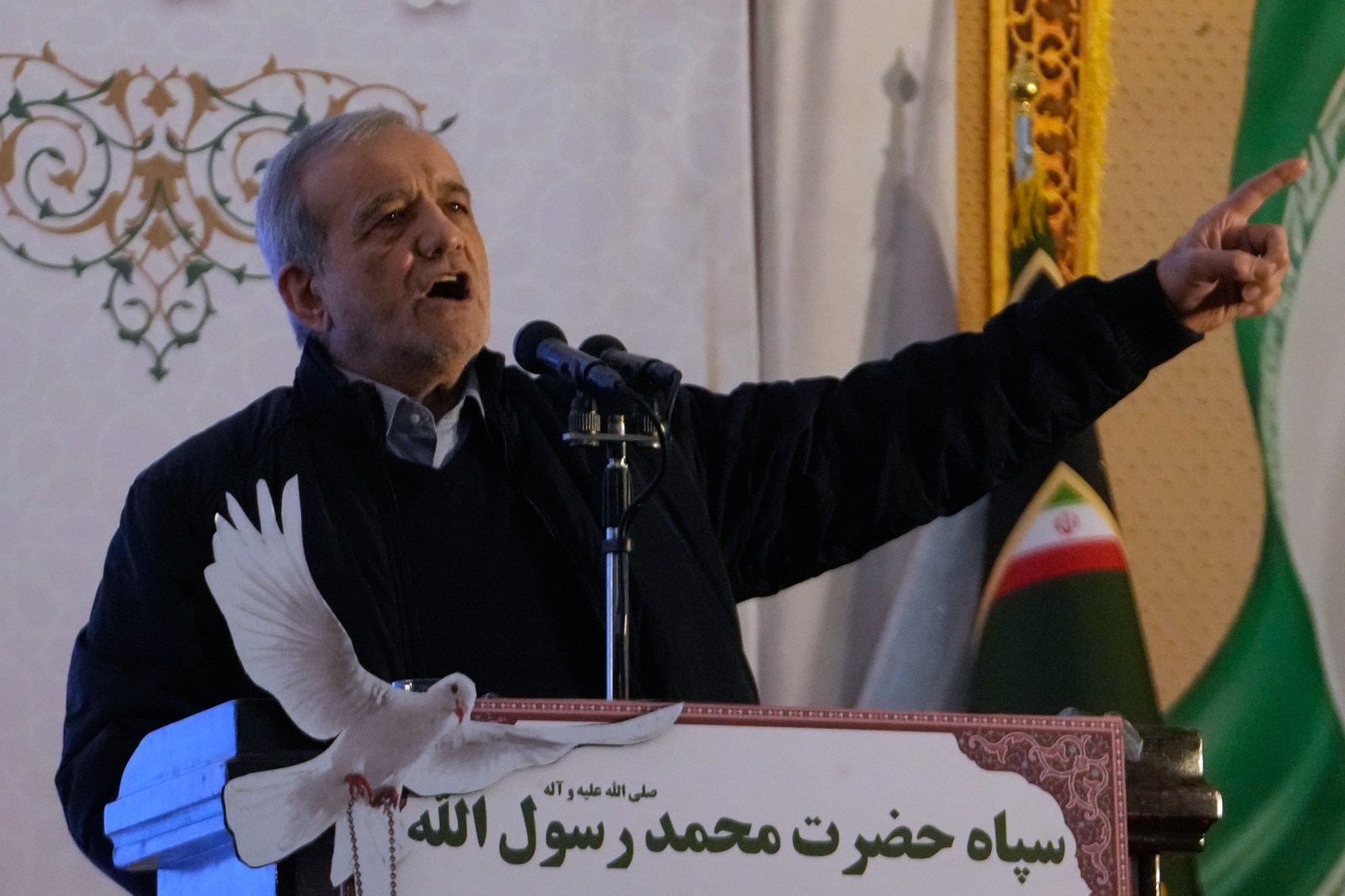 Image: NewsweekIranian President Masoud Pezeshkian speaks during a ceremony commemorating the death anniversary of the late commander of the Iran’s Revolutionary Guard expeditionary Quds Force, Gen. Qassem Soleimani, who was killed in a U.S. drone attack in 2020 in Iraq, at the Imam Khomeini grand mosque in Tehran, Iran, Thursday, Jan. 1, 2026. (AP Photo/Vahid Salemi) Source Full size
 -
Image: NewsweekIranian President Masoud Pezeshkian speaks during a ceremony commemorating the death anniversary of the late commander of the Iran’s Revolutionary Guard expeditionary Quds Force, Gen. Qassem Soleimani, who was killed in a U.S. drone attack in 2020 in Iraq, at the Imam Khomeini grand mosque in Tehran, Iran, Thursday, Jan. 1, 2026. (AP Photo/Vahid Salemi) Source Full size
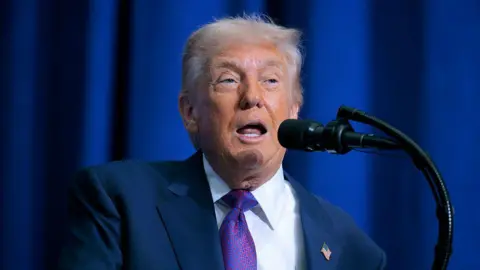
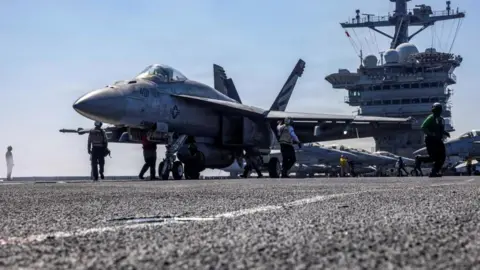
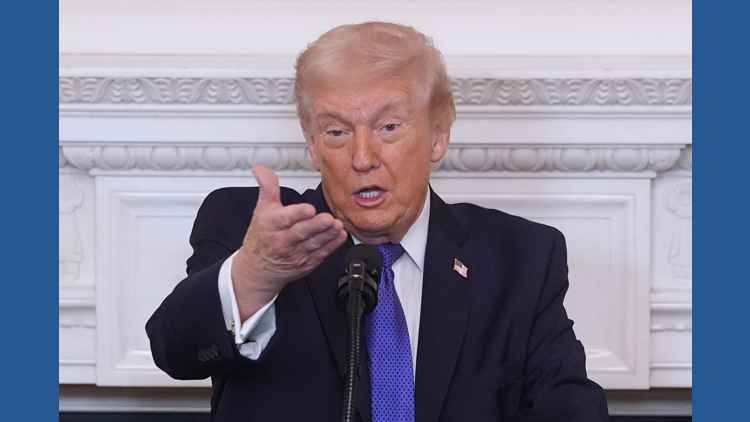
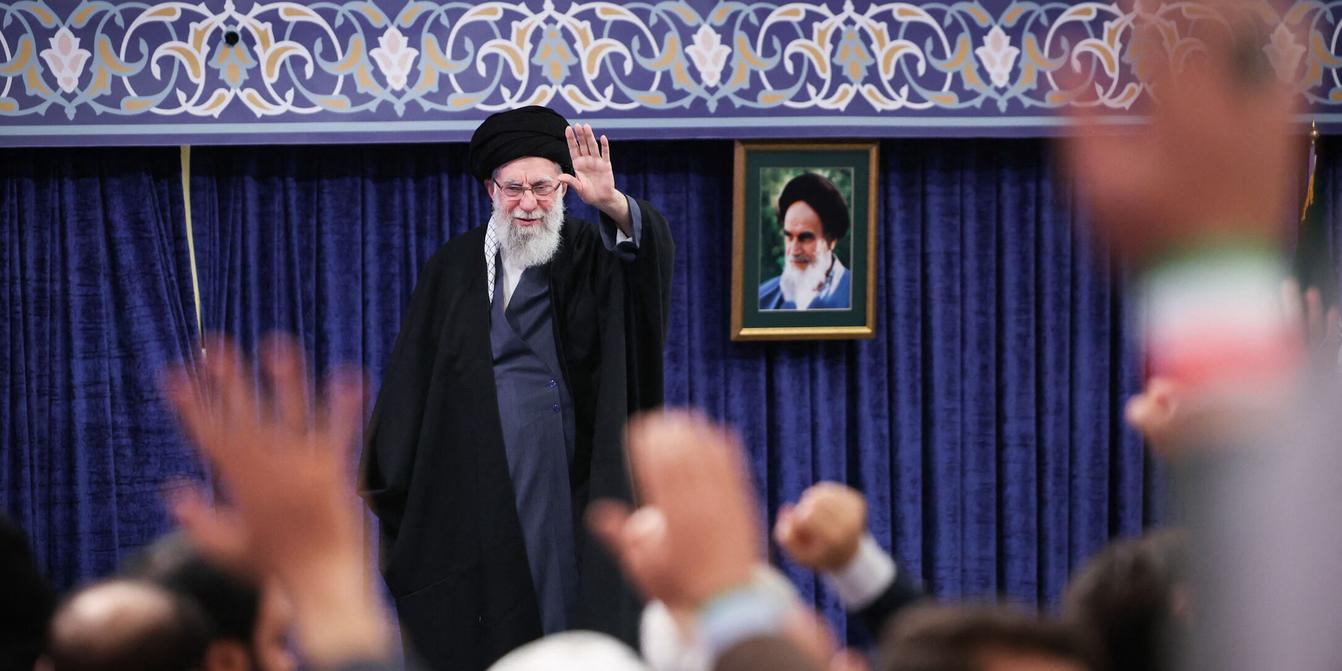
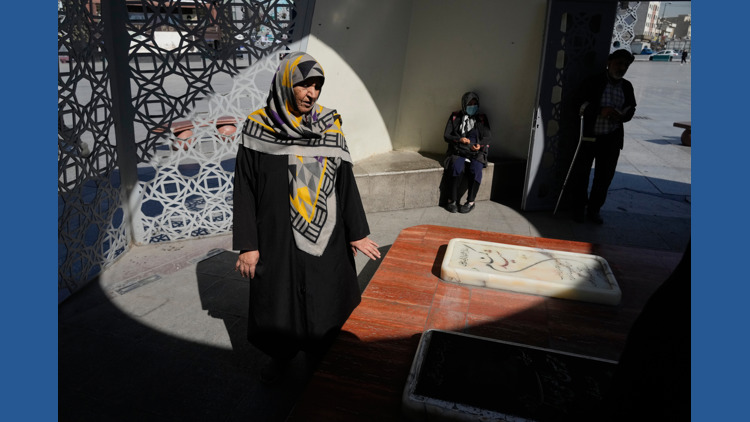
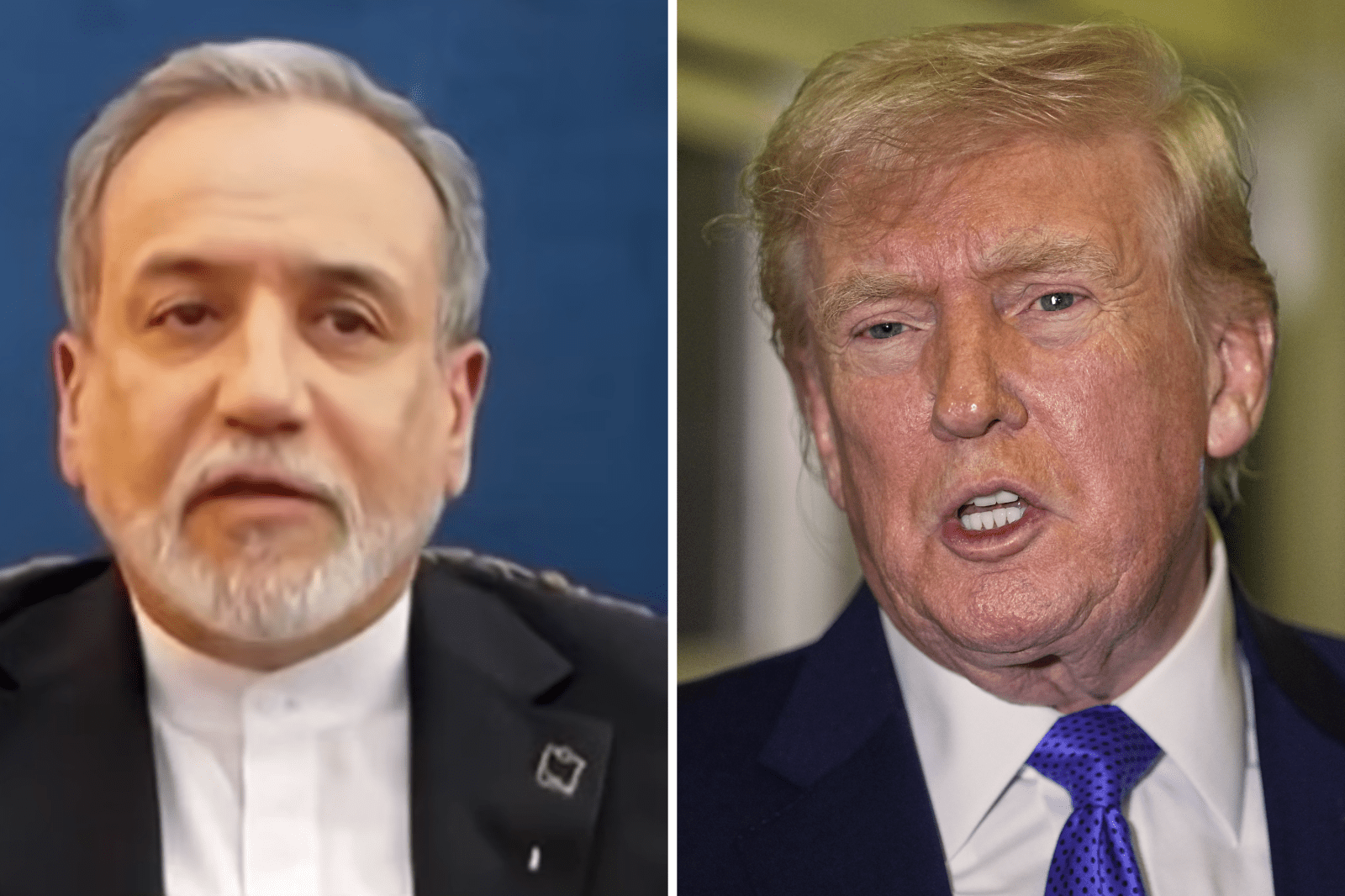
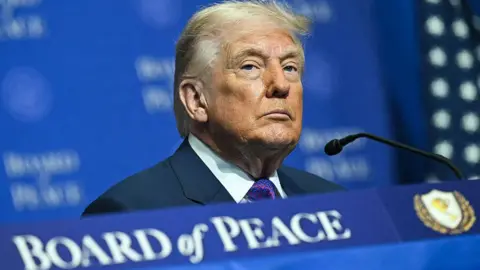
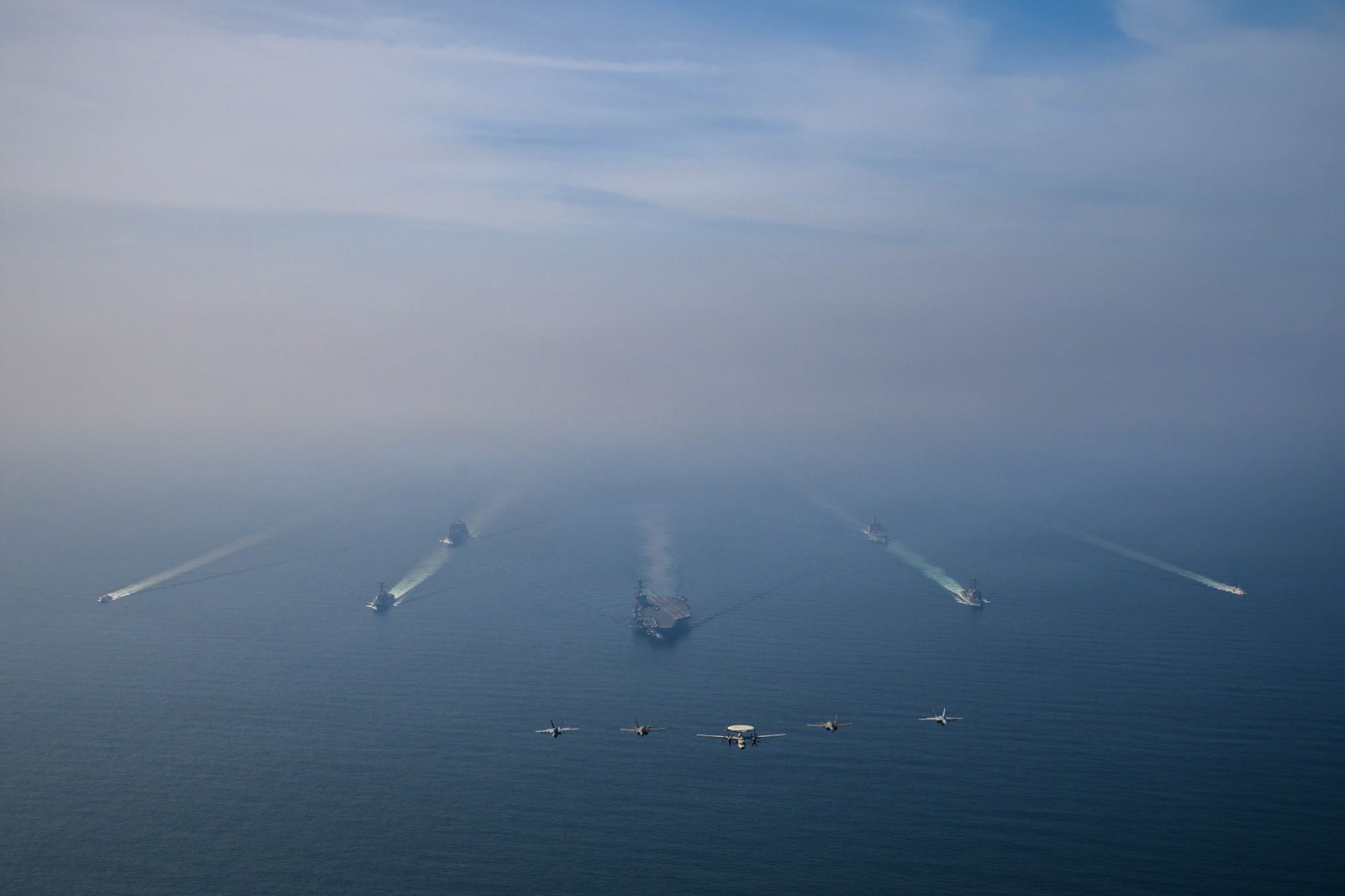
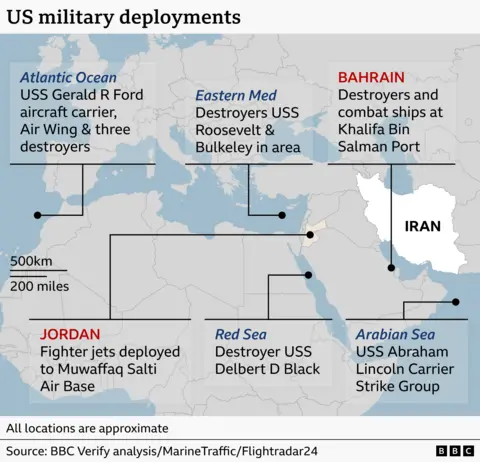
Trump Sets 10‑15‑Day Deadline Amid Massive Military Buildup President Donald Trump warned Tehran that it has ten to fifteen days to present a draft nuclear agreement, saying “bad things will happen” if the deadline is missed [13][15][14][16][18]. White House press secretary Karoline Leavitt echoed the warning, urging Iran to be “very wise” and accept a deal [13][18]. The United States has moved the nuclear‑powered carrier USS Gerald R. Ford, added a second carrier group, and deployed more than 120 additional aircraft—the largest Middle‑East buildup since 2003 [13][15][16][19]. Additional warships, including destroyers and F‑35 fighters, are en route, with full force readiness projected for mid‑March [14][15]. Congressional leaders have introduced war‑powers resolutions, reflecting bipartisan concern over the president’s unilateral options [10][11][17].
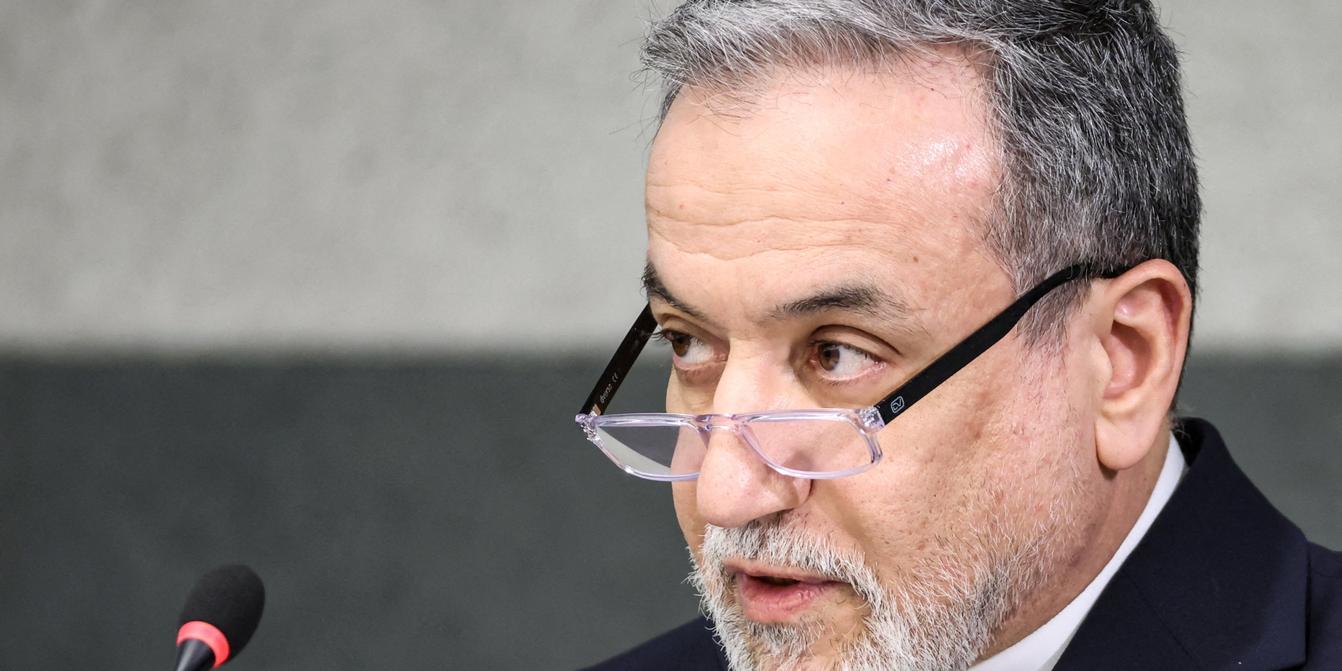
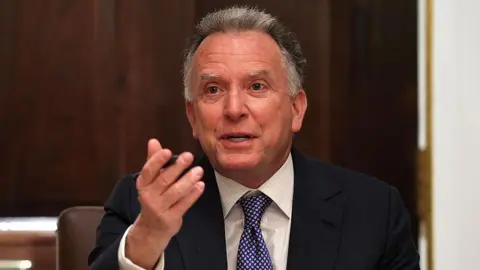
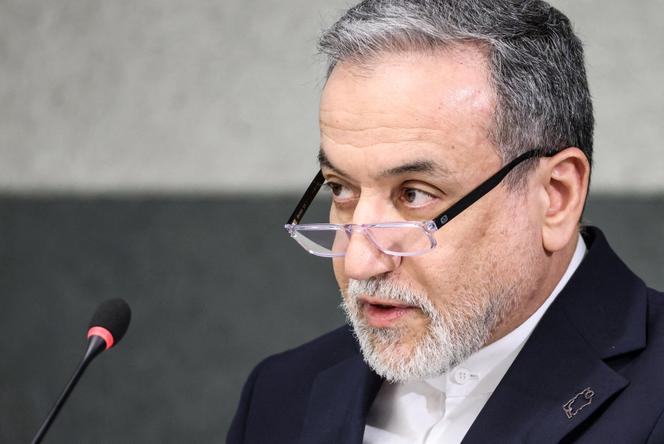
Diplomatic Track Focuses on Geneva Talks and Draft Proposal Envoy Steve Witkoff and former president’s son‑in‑law Jared Kushner are steering indirect negotiations in Geneva, returning Thursday for a critical session [2][6][7][9][10][11][12]. Iranian Foreign Minister Abbas Araghchi told reporters a draft deal will be ready within two‑to‑three days and described the prospect as a “win‑win” diplomatic solution [6][9][10][11][12]. Oman’s ambassador Badr Albusaidi is mediating the next round, which the BBC says showed “progress” in the February 17 talks [6][13]. Tehran insists on retaining uranium enrichment while the United States maintains a zero‑enrichment demand, a point of contention highlighted by Le Monde and CNN [7][2][12]. Both sides have signaled readiness for war if talks fail, with Iran’s officials warning of a decisive response to any U.S. aggression [5][6][12].
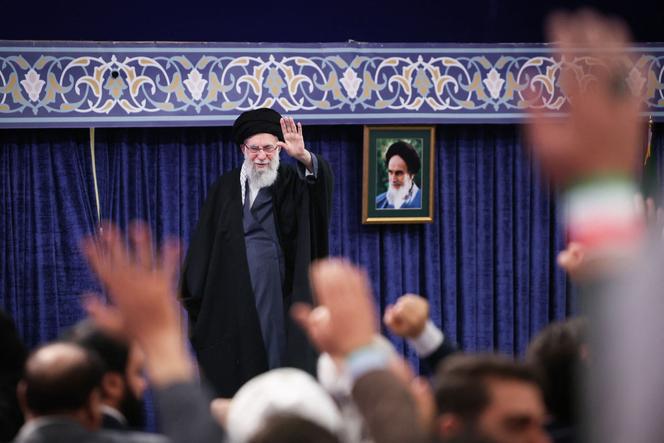
U.S. Weighs Three Military Options From Limited Strike to Regime Change Trump is reviewing three strategies: continued diplomacy, a limited strike on missile sites, nuclear facilities, and IRGC assets, or a full regime‑change campaign using the forces already positioned [2][4][8][20][16]. The limited strike would target specific missile and nuclear installations, while the regime‑change plan could involve simultaneous waves against Iranian leadership, air defenses, and Basij forces [2][4][8]. White House officials admit there is no single coherent justification for a second strike, and legal authority for a follow‑up attack within eight months remains unclear [1][20]. Trump has publicly said he prefers a deal but warned that without one “it will be a very bad day for that country and its people” [2][5]. Advisors such as Jared Kushner push for a diplomatic resolution, whereas some military leaders warn of high casualties in a larger operation [2][16].
Intelligence and IAEA Assess Iran’s Nuclear Status In March, U.S. intelligence concluded Iran is “not building a nuclear weapon,” contradicting Trump’s claim that the June 2025 strikes “obliterated” Iran’s nuclear capability [1][16]. The IAEA reports Iran is enriching uranium to 60 %—well above the 3.67 % JCPOA limit—and that most enriched material remains after the June attacks [7][16]. Iranian officials assert the June strikes decimated the program, but independent analysts describe the damage as temporary and note that the program continues [1][4][9]. The United States continues to demand zero enrichment and missile curbs, while Iran disputes the zero‑enrichment demand and insists its enrichment activities are peaceful [7][12][2].
Iran’s Domestic Unrest and Military Preparations Heighten Tensions On Feb 20, at least 20 anti‑regime protests erupted across eight provinces, with HRANA reporting over 7,000 deaths—including 6,508 protesters—while the regime sentenced 26 demonstrators to death [6][14][17]. Senior Iranian commanders inspected air‑defense zones, naval bases, and missile facilities, signaling a last‑minute push to boost combat readiness [3][14]. Iran and Russia conducted joint naval drills near the Strait of Hormuz, rehearsing anti‑ship and hijack‑response operations [14][17]. Hezbollah’s potential involvement and regional alarm over Iran’s missile exports to Russia add further complexity to the standoff [3][8][19].
Sources
-
1.
CNN: Trump May Order New Strike on Iran After Claiming Past Airstrikes “Obliterated” Its Nuclear Program: Details Trump’s claim that June 2025 strikes destroyed Iran’s nuclear capability and hints at a new strike, noting intelligence says Iran isn’t building a bomb .
-
2.
CNN: Trump weighs three Iran strategies amid Middle East military buildup: Outlines three U.S. options—diplomacy, limited strike, regime change—amid the largest regional buildup since the Iraq War .
-
3.
ISW: Iran’s Nuclear Standoff, Military Prep, and Regional Tensions (Feb 20 2026): Reports Iran’s tight deadline, senior commanders’ inspections, protests, and Hezbollah’s possible responses .
-
4.
CNN: Trump’s riskiest move: Iran on the brink of a multi‑day U.S. campaign: Describes Pentagon’s multi‑wave strike planning, past missile attacks on Israel, and the “Pickaxe” enrichment site target .
-
5.
Newsweek: Iran President Signals Resolve as U.S. Deploys Massive Air Power: Highlights Iran’s president’s “encouraging signals” comment, U.S. carrier deployment, and foreign travel advisories .
-
6.
BBC: Trump Questions Iran’s Lack of Capitulation as Envoy Discusses Negotiations: Covers Trump’s frustration, Araghchi’s diplomatic optimism, and large naval deployment .
-
7.
Le Monde: Iran Signals New Geneva Talks, As US Issues Ultimatum: Notes Araghchi’s upcoming Geneva meeting, U.S. 15‑day ultimatum, and IAEA 60 % enrichment data .
-
8.
Le Monde: Iran: Even Decapitating the Supreme Leader Won’t Topple the Regime: Argues a U.S. “flash” attack would fail and regime change wouldn’t topple Iran .
-
9.
The Hindu: Trump Mulls Limited Strikes as Iran Says Deal Draft Nears Completion: Reports Trump’s limited‑strike consideration alongside Araghchi’s draft‑deal timeline .
-
10.
King5 (Seattle, WA): Trump warns limited strikes as Iran eyes imminent nuclear deal: Details Trump’s limited‑strike comment, carrier movement, and both sides’ war readiness .
-
11.
AP: Trump Signals Possible Limited Strikes on Iran as Tehran Nears Draft Deal: Mirrors King5’s points, adds congressional war‑powers resolution .
-
12.
Newsweek: Iran’s Foreign Minister Warns Against U.S. Military Action as Trump Sets Nuclear Deal Deadline: Features Araghchi’s “no military solution” claim and U.S. buildup of hundreds of jets .
-
13.
BBC: Trump Issues New Iran Ultimatum Amid Growing Military Buildup: Reports Trump’s Board of Peace ultimatum, largest buildup since 2003, and Iran’s missile‑enrichment stance .
-
14.
ISW: Trump Sets Ten‑Day Deadline as US Buildup Ramps Up Near Iran: Notes ten‑day deadline, carrier deployment, Iran‑Russia naval drill, and protest surge .
-
15.
King5 (Seattle, WA): Trump warns of ‘bad things’ if Iran doesn’t make a deal as second US carrier nears Mideast: Highlights second carrier movement, UN envoy warning, and regional evacuation advisories .
-
16.
CNN: Trump Mulls Iran Options Amid Largest Middle‑East Buildup in 22 Years: Summarizes strike options, carrier positioning, and split among advisers and lawmakers .
-
17.
AP: Trump warns Iran of “bad things” if deal stalls: Covers live‑fire Iran‑Russia drills, carrier movement, and Netanyahu’s warning .
-
18.
BBC: Trump warns world has ten days to see Iran deal or military action: Details ten‑day global deadline, Board of Peace, and UK base denial .
-
19.
Newsweek: Trump Signals New Military Options as Iran Talks Stall: Discusses continued buildup, stricter deal demands, and missile‑site targeting analysis .
-
20.
CNN: Trump’s Opaque Rationale as He Inches Toward Possible War with Iran: Explores lack of final decision, vague press‑brief rationale, and regime‑change rhetoric .
Related Tickers
Videos (3)
Timeline
Dec 12, 2025 – President Donald Trump tells reporters the United States will strike any new Iranian nuclear site if Tehran restarts its program, citing the June 2025 U.S.–Israeli campaign that “crippled” Iran’s enrichment facilities and arguing Iran “could have avoided” those attacks by accepting a deal earlier [25].
Dec 30, 2025 – Iranian President Masoud Pezeshkian posts on X that Iran’s response to any “cruel aggression” will be “harsh and discouraging,” a direct rebuke to Trump’s warning that the U.S. will strike if Iran rebuilds its nuclear program [24].
Dec 31, 2025 – Reports reveal the IRGC is developing chemical‑ and biological‑warhead payloads for ballistic missiles, prompting Trump to warn that the United States “could back Israeli strikes” if Tehran rebuilds long‑range missiles or advances its nuclear work [23].
Jan 13, 2026 – Trump hints at “very strong options” against Iran after the crackdown on protesters; Iran’s parliamentary speaker Mohammad Bagher Qalibaf says any U.S. attack will make American bases and ships legitimate targets, while President Masoud Pezeshkian vows a “harsh and discouraging” response [22].
Jan 15, 2026 – Newsweek reports that, despite a depleted stockpile, the United States still retains a powerful arsenal; the White House confirms Trump ordered military assets to be prepared for a possible strike on Iran [21].
Jan 29, 2026 – Trump posts on Truth Social that Iran must negotiate a “fair and equitable deal – NO NUCLEAR WEAPONS” or face a “far worse” strike, while senior adviser Ali Shamkhani warns of “unprecedented” retaliation against the U.S., Israel and supporters; simultaneously, the USS Abraham Lincoln carrier strike group moves into the Indian Ocean, expanding Trump’s operational options [18, 19, 20, 26].
Jan 30, 2026 – At a White House briefing Trump asserts Iran “prefers a deal over war” and sets two conditions—halt the nuclear program and stop killing protesters—to avoid U.S. force; Iran’s foreign minister Abbas Araghchi says talks are possible but missiles are excluded, and Iran’s security chief meets Putin to discuss regional issues [5, 17].
Feb 3, 2026 – President Masoud Pezeshkian announces Iran will negotiate with the United States only in a “threat‑free” environment, directing Foreign Minister Abbas Araghchi to pursue talks under those conditions; Trump threatens “tremendous force,” deploying the carrier USS Abraham Lincoln and Tomahawk‑armed destroyers, while a potential Istanbul meeting of regional ministers is floated [4].
Feb 5, 2026 – After the June 2025 “twelve‑day war” and a nationwide protest crackdown, Iran and the United States consider a second round of nuclear talks mediated by Oman; Trump escalates pressure by moving an aircraft carrier into the Persian Gulf and warning of a strike if protest killings continue, while Iran halts enrichment but the IAEA still cannot inspect sites, estimating a 9,870 kg stockpile of uranium [15].
Feb 6, 2026 – With domestic approval below 40 %, Trump faces pressure as U.S.–Iran talks are slated to start Friday in Oman; Secretary of State Marco Rubio outlines U.S. goals—nuclear limits, missile range, terrorist sponsorship, human‑rights concerns—while analysts warn a multi‑day air campaign could jeopardize his midterm election prospects [16].
Feb 17, 2026 – Foreign Minister Abbas Araghchi declares a “general agreement” has been reached with the United States in Geneva, laying groundwork for a draft nuclear text; Iran reiterates it will not bargain on its ballistic‑missile program, and Supreme Leader Ayatollah Ali Khamenei warns that warships are “dangerous” and pre‑determined outcomes are “wrong and foolish” [14].
Feb 19, 2026 – Trump tells the world there will be a “ten‑day” window to see whether the United States reaches a nuclear deal with Iran or resorts to military action, while White House press secretary Karoline Leavitt urges Tehran to accept a deal; simultaneously, the U.S. moves a second carrier, USS Gerald R. Ford, toward the region, and Iran conducts live‑fire drills with Russia in the Strait of Hormuz, prompting Poland and Germany to evacuate personnel [3, 11, 12, 13, 26].
Feb 20, 2026 – Trump issues a new ultimatum at a Board of Peace meeting, mixing diplomatic language with the threat of a fresh air campaign and warning Iran that “time is running out”; he estimates Iran has “10‑15 days” to seal a deal, while the U.S. deploys its largest Middle‑East buildup since 2003, including the carrier USS Gerald R. Ford and additional combat aircraft [2, 9, 10, 28, 29].
Feb 21, 2026 – In a Fox News interview, Trump says he is “curious” why Iran has not capitulated despite the U.S. sea and naval buildup, while special envoy Steve Witkoff notes that Iran’s foreign minister Abbas Araghchi expects to hand a draft agreement to the U.S. in the coming days; Oman announces the next Geneva round will occur Thursday, and large university protests erupt across Iran after the January crackdown [1].
Feb 22, 2026 – Iran’s foreign minister confirms a new Geneva meeting for Thursday to work on “elements of an agreement” focused on the nuclear programme, while stressing Iran’s right to self‑defence; the U.S. envoy Steve Witkoff reports Trump wonders why Tehran hasn’t “capitulated” despite the naval pressure, and the International Atomic Energy Agency notes Iran is enriching uranium to 60 %—well above the JCPOA limit [29, 1].
Feb 24, 2026 – Trump hints he may order another strike after claiming the June 2025 attacks “obliterated” Iran’s nuclear capability, while Vice President JD Vance and envoy Steve Witkoff suggest a “more extensive campaign” could be raised in the State of the Union; Pentagon analysts reveal U.S. forces are positioned for multi‑wave strikes, exceeding prior limited actions and targeting missile infrastructure, IRGC/Basij nodes, and nuclear sites [6, 7].
Dive deeper (42 sub-stories)
-
CNN: Trump May Order New Strike on Iran After Claiming Past Airstrikes “Obliterated” Its Nuclear Program
-
CNN: Trump weighs three Iran strategies amid Middle East military buildup
-
ISW: Iran’s Nuclear Standoff, Military Prep, and Regional Tensions (Feb 20 2026)
-
CNN: Trump’s riskiest move: Iran on the brink of a multi‑day U.S. campaign
-
Newsweek: Iran President Signals Resolve as U.S. Deploys Massive Air Power
-
BBC: Trump Questions Iran’s Lack of Capitulation as Envoy Discusses Negotiations
-
Le Monde: Iran Signals New Geneva Talks, As US Issues Ultimatum
-
Le Monde: Iran: Even Decapitating the Supreme Leader Won’t Topple the Regime
-
The Hindu: Trump Mulls Limited Strikes as Iran Says Deal Draft Nears Completion
-
Trump Mulls Limited Strikes as Iran Nears Draft Nuclear Deal, Carrier Group Arrives
(2 articles)
-
Newsweek: Iran’s Foreign Minister Warns Against U.S. Military Action as Trump Sets Nuclear Deal Deadline
-
BBC: Trump Issues New Iran Ultimatum Amid Growing Military Buildup
-
ISW: Trump Sets Ten‑Day Deadline as US Buildup Ramps Up Near Iran
-
Trump Gives Iran 10‑15 Days as Carrier Moves, Allies Mobilize
(2 articles)
-
CNN: Trump Mulls Iran Options Amid Largest Middle‑East Buildup in 22 Years
-
BBC: Trump warns world has ten days to see Iran deal or military action
-
Newsweek: Trump Signals New Military Options as Iran Talks Stall
-
CNN: Trump’s Opaque Rationale as He Inches Toward Possible War with Iran
-
CNN: US Military Poised for Iran Strike This Weekend, Trump Yet to Decide
-
Newsweek: Iran Says “General Agreement” Reached With U.S. on Nuclear Talks
-
AP: Iran, U.S. Consider Second Nuclear Talks Amid Post‑War Tensions
-
CNN: Trump Faces Tough Choices Over Iran Amid Low Approval
-
CNN: Trump warns Iran’s supreme leader of “very worried” stance ahead of Muscat talks
-
BBC: Iran Signals Readiness for US Negotiations Amid Heightened Regional Tensions
-
Newsweek: Trump’s Nuclear Pressure Prompts Iran to Seek Talks
-
AP: Turkey Pushes for US‑Iran Talks Amid Rising Tensions
-
The Hindu: Iranian President Orders Nuclear Talks Amid U.S. Military Threats
-
CNN: Iran Signals Openness to US Nuclear Talks While Rejecting Dictation and Missile Negotiations
-
BBC: Trump Claims Iran Wants Nuclear Deal as U.S. Buildup Continues
-
Newsweek: Iranians Brace for Possible U.S. Attack Amid Rising Tensions
-
BBC: Iran’s heightened risk of escalation as US carrier group arrives
-
CNN: Trump Considers Major New Strike on Iran Amid Stalled Nuclear Talks
-
Newsweek: Iran Threatens Unprecedented Retaliation After Trump Revives Strike Threat
-
BBC: Trump warns Iran “time is running out” as US forces surge in Gulf
-
Newsweek: Iran Says It Has Not Requested Negotiations After Trump Claims Deal Is Possible
-
Newsweek: Iran warns Trump with threat to set fire to their world
-
Newsweek: US weapons stockpile examined amid potential war with Iran
-
CNN: Analysts map potential US targets and risks in possible Iran strike
-
Newsweek: Iran's military assessed against US as Tehran vows retaliation amid Trump threats
-
Newsweek: Iran developing chemical and biological warheads for long-range missiles, report says
-
Iran President Vows Harsh Retaliation After Trump Threat, Protests Intensify
(2 articles)
-
Newsweek: Trump Threatens to Strike Iran if It Re‑starts Nuclear Program Without Deal
All related articles (45 articles)
-
CNN: Trump May Order New Strike on Iran After Claiming Past Airstrikes “Obliterated” Its Nuclear Program
-
CNN: Trump weighs three Iran strategies amid Middle East military buildup
-
ISW: Iran’s Nuclear Standoff, Military Prep, and Regional Tensions (Feb 20 2026)
-
CNN: Trump’s riskiest move: Iran on the brink of a multi‑day U.S. campaign
-
Newsweek: Iran President Signals Resolve as U.S. Deploys Massive Air Power
-
BBC: Trump Questions Iran’s Lack of Capitulation as Envoy Discusses Negotiations
-
Le Monde: Iran Signals New Geneva Talks, As US Issues Ultimatum
-
Le Monde: Iran: Even Decapitating the Supreme Leader Won’t Topple the Regime
-
The Hindu: Trump Mulls Limited Strikes as Iran Says Deal Draft Nears Completion
-
King5 (Seattle, WA): Trump warns limited strikes as Iran eyes imminent nuclear deal
-
AP: Trump Signals Possible Limited Strikes on Iran as Tehran Nears Draft Deal
-
Newsweek: Iran’s Foreign Minister Warns Against U.S. Military Action as Trump Sets Nuclear Deal Deadline
-
BBC: Trump Issues New Iran Ultimatum Amid Growing Military Buildup
-
ISW: Trump Sets Ten‑Day Deadline as US Buildup Ramps Up Near Iran
-
King5 (Seattle, WA): Trump warns of ‘bad things’ if Iran doesn’t make a deal as second US carrier nears Mideast
-
CNN: Trump Mulls Iran Options Amid Largest Middle‑East Buildup in 22 Years
-
AP: Trump warns Iran of “bad things” if deal stalls
-
BBC: Trump warns world has ten days to see Iran deal or military action
-
Newsweek: Trump Signals New Military Options as Iran Talks Stall
-
CNN: Trump’s Opaque Rationale as He Inches Toward Possible War with Iran
-
CNN: US Military Poised for Iran Strike This Weekend, Trump Yet to Decide
-
Newsweek: Iran Says “General Agreement” Reached With U.S. on Nuclear Talks
-
AP: Iran, U.S. Consider Second Nuclear Talks Amid Post‑War Tensions
-
CNN: Trump Faces Tough Choices Over Iran Amid Low Approval
-
CNN: Trump warns Iran’s supreme leader of “very worried” stance ahead of Muscat talks
-
BBC: Iran Signals Readiness for US Negotiations Amid Heightened Regional Tensions
-
Newsweek: Trump’s Nuclear Pressure Prompts Iran to Seek Talks
-
AP: Turkey Pushes for US‑Iran Talks Amid Rising Tensions
-
The Hindu: Iranian President Orders Nuclear Talks Amid U.S. Military Threats
-
CNN: Iran Signals Openness to US Nuclear Talks While Rejecting Dictation and Missile Negotiations
-
BBC: Trump Claims Iran Wants Nuclear Deal as U.S. Buildup Continues
-
Newsweek: Iranians Brace for Possible U.S. Attack Amid Rising Tensions
-
BBC: Iran’s heightened risk of escalation as US carrier group arrives
-
CNN: Trump Considers Major New Strike on Iran Amid Stalled Nuclear Talks
-
Newsweek: Iran Threatens Unprecedented Retaliation After Trump Revives Strike Threat
-
BBC: Trump warns Iran “time is running out” as US forces surge in Gulf
-
Newsweek: Iran Says It Has Not Requested Negotiations After Trump Claims Deal Is Possible
-
Newsweek: Iran warns Trump with threat to set fire to their world
-
Newsweek: US weapons stockpile examined amid potential war with Iran
-
CNN: Analysts map potential US targets and risks in possible Iran strike
-
Newsweek: Iran's military assessed against US as Tehran vows retaliation amid Trump threats
-
Newsweek: Iran developing chemical and biological warheads for long-range missiles, report says
-
Newsweek: Iran warns of harsh response to any attack after Trump threat
-
AP: Iranian president pledges harsh response to aggression in apparent rebuke to Trump warning
-
Newsweek: Trump Threatens to Strike Iran if It Re‑starts Nuclear Program Without Deal
External resources (133 links)
- https://www.youtube.com/watch?v=jT_ldEXjkZ0 (cited 2 times)
- https://www.youtube.com/watch?v=pEDN_5dlMC8 (cited 1 times)
- https://www.youtube.com/watch?v=t4qwTmQF9yc (cited 1 times)
- https://www.defense.gov/News/Transcripts/Transcript/Article/4222543/secretary-of-defense-pete-hegseth-and-chairman-of-the-joint-chiefs-of-staff-gen/ (cited 1 times)
- https://www.dni.gov/files/ODNI/documents/assessments/ATA-2025-Unclassified-Report.pdf (cited 1 times)
- https://mei.edu/publication/hezbollahs-regional-activities-support-irans-proxy-networks/ (cited 1 times)
- https://www.wsj.com/world/middle-east/syria-us-troops-withdraw-a97a2665 (cited 3 times)
- https://www.axios.com/2026/02/18/trump-iran-meeting-military-strike (cited 2 times)
- https://www.reuters.com/world/middle-east/can-lebanon-disarm-hezbollah-2025-08-06/ (cited 2 times)
- https://edition.cnn.com/2026/02/01/middleeast/iran-diplomat-araghchi-interview-intl (cited 1 times)
- https://www.aljazeera.com/news/2024/10/22/hezbollah-takes-responsibility-for-drone-attack-on-netanyahu-holiday-home (cited 1 times)
- https://www.foxnews.com/politics/worlds-largest-aircraft-carrier-heads-middle-east-iran-nuclear-tensions-spike-dramatically (cited 1 times)
- https://www.nytimes.com/2025/06/24/us/politics/iran-nuclear-sites.html?campaign_id=60&emc=edit_na_20250624&instance_id=157175&nl=breaking-news®i_id=248848251&segment_id=200569&user_id=e5b77ed2dcc338330d0bbc81341e1102 (cited 1 times)
- https://www.reuters.com/world/middle-east/hezbollah-says-lebanon-cabinet-decision-seek-state-monopoly-arms-is-grave-sin-2025-08-06/ (cited 1 times)
- https://www.reuters.com/world/middle-east/hezbollah-strikes-israel-gaza-war-anniversary-fears-grow-over-middle-east-2024-10-07/ (cited 1 times)
- https://www.reuters.com/world/middle-east/iran-issues-notam-over-planned-rocket-launches-thursday-us-faa-says-2026-02-18/ (cited 1 times)
- https://www.reuters.com/world/middle-east/iraq-iran-sign-deal-tighten-border-security-2023-03-19/ (cited 1 times)
- https://www.reuters.com/world/middle-east/one-man-killed-israeli-incursion-into-south-lebanon-lebanese-state-media-says-2025-10-30/ (cited 1 times)
- https://www.reuters.com/world/middle-east/unidentified-drone-kills-pkk-member-injures-another-near-iraqs-sulaymaniyah-2025-07-19/ (cited 1 times)
- https://www.reuters.com/world/us/us-control-oil-dollars-heaps-pressure-iraq-over-iranian-influence-2026-01-23/ (cited 1 times)
- https://www.washingtonpost.com/national-security/2026/02/19/trump-iran-attack-military/ (cited 1 times)
- https://www.wral.com/news/ap/018c2-lebanons-financial-recovery-will-rest-on-security-and-political-reforms-economy-minister-says/ (cited 1 times)
- https://x.com/observelebanon/status/2024186791113208169?s=46 (cited 3 times)
- https://www.facebook.com/share/v/1KKH93N2KS/ (cited 2 times)
- https://x.com/Entekhab_News/status/2024845655001239975?s=20 (cited 2 times)
- https://t.me/almanarnews/220271 (cited 1 times)
- https://truthsocial.com/@realDonaldTrump/posts/114730186433008075 (cited 1 times)
- https://truthsocial.com/@realDonaldTrump/posts/114739003459183372 (cited 1 times)
- https://truthsocial.com/@realDonaldTrump/posts/115968824541011312 (cited 1 times)
- https://www.facebook.com/nabihberri/posts/pfbid0UyCX4YLrET3UGVRinkYDtaaQ6TyJXqne3AFx6di9sXv8zm8NP7oHPNUR2yxkZmZhl?rdid=k2pdWYSU3cEi1xaf (cited 1 times)
- https://www.facebook.com/profile.php?id=100005902210403 (cited 1 times)
- https://www.facebook.com/share/p/16VdcnYSy3/ (cited 1 times)
- https://www.facebook.com/share/r/16qSoWjiyY/ (cited 1 times)
- https://x.com/ALJADEEDNEWS/status/1962924930552467601 (cited 1 times)
- https://x.com/ALJADEEDNEWS/status/2024366579870261395?s=20 (cited 1 times)
- https://x.com/AvichayAdraee/status/1970482692182700519 (cited 1 times)
- https://x.com/AvichayAdraee/status/1981680901672124691 (cited 1 times)
- https://x.com/CdricLabrousse/status/2024232205774463333 (cited 1 times)
- https://x.com/EndlessWint_r/status/2024836536940761414 (cited 1 times)
- https://x.com/FSeifikaran/status/2024938251199431086?s=20 (cited 1 times)
- https://x.com/HengawO/status/2024196636256452937?s=20 (cited 1 times)
- https://x.com/LBpresidency/status/1957344935193059790 (cited 1 times)
- https://x.com/LBpresidency/status/1970273108469706756 (cited 1 times)
- https://x.com/LBpresidency/status/1976888501472735332 (cited 1 times)
- https://x.com/LawkGhafuri/status/2023470599323218007 (cited 1 times)
- https://x.com/ManotoNews/status/2024799201889010124?s=20 (cited 1 times)
- https://x.com/PressTV/status/1960005122794435009 (cited 1 times)
- https://x.com/QalaatAlMudiq/status/2023477482876530870 (cited 1 times)
- https://x.com/RadioFarda_/status/2024498397940441537?s=20 (cited 1 times)
- https://x.com/RudawEnglish/status/2024200042651754539?s=20 (cited 1 times)
- https://x.com/alarabytv/status/2024364869676314801?s=46 (cited 1 times)
- https://x.com/alishamkhani_ir/status/2016582565390655585?s=20 (cited 1 times)
- https://x.com/badralbusaidi/status/2025627591382606061 (cited 1 times)
- https://x.com/drpezeshkian/status/2018551558959710505?s=20 (cited 1 times)
- https://x.com/faytuksnetwork/status/2024185521950367949?s=46 (cited 1 times)
- https://x.com/faytuksnetwork/status/2024206589050118195?s=46 (cited 1 times)
- https://x.com/idfonline/status/1863657296422732177 (cited 1 times)
- https://x.com/nawafsalam/status/1957409055149899827 (cited 1 times)
- https://x.com/notamify/status/2024247770509447229?s=20 (cited 1 times)
- https://x.com/suwayda24/status/2024508768554537382 (cited 1 times)
- https://x.com/vvanwilgenburg/status/1950090047425769965?s=20 (cited 1 times)
- https://www.almanar.com.lb/article/562952/ (cited 4 times)
- (cited 3 times)
- https://www.alaraby.co.uk/politics/تراجع-قوى-إضافية-عن-دعم-نوري-المالكي-يوسع-انقسام-الإطار-التنسيقي (cited 3 times)
- https://www.enabbaladi.net/796343/%d8%ad%d8%b3%d9%86-%d8%a7%d9%84%d8%a3%d8%b7%d8%b1%d8%b4-%d9%8a%d9%88%d8%b6%d8%ad-%d8%a3%d8%b3%d8%a8%d8%a7%d8%a8-%d8%ae%d8%b1%d9%88%d8%ac%d9%87-%d9%85%d9%86-%d8%a7%d9%84%d8%b3%d9%88%d9%8a%d8%af%d8%a7/ (cited 3 times)
- https://www.ynet.co.il/news/article/sj8wtdxuwg (cited 3 times)
- https://almanar.com.lb/article/236622/?s=tg (cited 2 times)
- https://baghdadtoday.news/293580-.html (cited 2 times)
- https://defapress.ir/fa/news/812674 (cited 2 times)
- https://defapress.ir/fa/news/813880 (cited 2 times)
- https://tasnimnews.ir/fa/news/1404/11/21/3513582 (cited 2 times)
- https://theconversation.com/israel-has-invaded-lebanon-six-times-in-the-past-50-years-a-timeline-of-events-240157 (cited 2 times)
- https://www.almanar.com.lb/article/124377/ (cited 2 times)
- https://www.chathamhouse.org/2021/06/how-hezbollah-holds-sway-over-lebanese-state/05-influence-over-military-and-security (cited 2 times)
- https://www.criticalthreats.org/analysis/iran-update-february-17-2026 (cited 2 times)
- https://www.criticalthreats.org/analysis/iran-update-october-1-2024 (cited 2 times)
- https://www.criticalthreats.org/analysis/israels-victory-in-lebanon (cited 2 times)
- https://www.iribnews.ir/fa/news/5721875 (cited 2 times)
- https://www.irna.ir/news/86081645/ (cited 2 times)
- https://www.maariv.co.il/news/military/article-1286628 (cited 2 times)
- https://www.tasnimnews.ir/fa/news/1404/11/15/3509151 (cited 2 times)
- https://www.tasnimnews.ir/fa/news/1404/12/01/3521734/ (cited 2 times)
- https://almadapaper.net/425943/ (cited 1 times)
- https://almadapaper.net/427064/ (cited 1 times)
- https://almadapaper.net/427252/ (cited 1 times)
- https://apps.dtic.mil/sti/tr/pdf/ADA496916.pdf (cited 1 times)
- https://arabcenterdc.org/resource/lebanons-political-forces-oppose-a-war-with-israel/ (cited 1 times)
- https://assets.newsweek.com/wp-content/uploads/2025/08/2691909-how-israel-could-exploit-irans-ethnic-divides.jpg (cited 1 times)
- https://carnegieendowment.org/research/2020/03/the-transformation-of-the-iraqi-syrian-border-from-a-national-to-a-regional-frontier?lang=en¢er=middle-east (cited 1 times)
- https://defapress.ir/fa/news/813106/ (cited 1 times)
- https://defapress.ir/fa/news/813277 (cited 1 times)
- https://en.964media.com/45299/ (cited 1 times)
- https://english.aawsat.com/arab-world/5241904-hezbollah-rejects-disarmament-plan-and-government%E2%80%99s-four-month-timeline (cited 1 times)
- https://nationalinterest.org/blog/middle-east-watch/irans-strategy-of-delay (cited 1 times)
- https://newlinesmag.com/spotlight/life-returns-to-al-bukamal-after-iranian-militias-flee/ (cited 1 times)
- https://nournews.ir/fa/news/276131 (cited 1 times)
- https://nournews.ir/fa/news/276335 (cited 1 times)
- https://outrider.org/ (cited 1 times)
- https://rojhelat.info/en/12117 (cited 1 times)
- https://syriacpress.com/blog/2025/11/05/hezbollahs-ideology-no-end-in-sight/ (cited 1 times)
- https://tasnimnews.ir/fa/news/1404/11/29/3520507 (cited 1 times)
- https://thenewregion.com/posts/3682 (cited 1 times)
- https://thisisbeirut.com.lb/articles/1322452/what-options-for-hezbollah-after-lebanon-s-decision-to-disarm-it (cited 1 times)
- https://today.lorientlejour.com/article/1490729/iranian-foreign-minister-abbas-araghchi-arrives-in-beirut.html (cited 1 times)
- https://www.alahad.iq/?page=article&itemId=247171 (cited 1 times)
- https://www.almanar.com.lb/article/172317/?s=tg (cited 1 times)
- https://www.almanar.com.lb/article/251422/ (cited 1 times)
- https://www.arabnews.com/node/2603593/amp (cited 1 times)
- https://www.carnegie.org/ (cited 1 times)
- https://www.centcom.mil/MEDIA/PRESS-RELEASES/Press-Release-View/Article/4407029/us-forces-continue-strikes-on-isis-targets-in-syria/ (cited 1 times)
- https://www.criticalthreats.org/analysis/iran-update-february-11-2026 (cited 1 times)
- https://www.criticalthreats.org/analysis/iran-update-february-5-2026 (cited 1 times)
- https://www.criticalthreats.org/analysis/iran-update-january-11-2026 (cited 1 times)
- https://www.criticalthreats.org/analysis/iran-update-june-26-2025 (cited 1 times)
- https://www.eremnews.com/news/arab-world/bxhk26s (cited 1 times)
- https://www.fdd.org/analysis/op_eds/2025/04/20/qassems-speech-on-lebanons-national-defense-strategy-indicates-hezbollah-will-remain-armed/ (cited 1 times)
- https://www.jpost.com/israel-news/defense-news/article-871549 (cited 1 times)
- https://www.jpost.com/middle-east/iran-news/article-881050 (cited 1 times)
- https://www.kan.org.il/content/kan-news/defense/1000328/ (cited 1 times)
- https://www.kurdistan24.net/ar/story/888783/%D9%87%D8%AC%D9%88%D9%85-%D8%A8%D9%85%D8%B3%D9%8A%D8%B1%D8%A7%D8%AA-%D9%88%D8%B5%D9%88%D8%A7%D8%B1%D9%8A%D8%AE-%D9%8A%D8%B3%D8%AA%D9%87%D8%AF%D9%81-%D9%85%D9%82%D8%B1%D8%A7-%D9%84%D8%AD%D8%B2%D8%A8-%D8%A7%D9%84%D8%AD%D8%B1%D9%8A%D8%A9-%D8%A7%D9%84%D9%83%D9%88%D8%B1%D8%AF%D8%B3%D8%AA%D8%A7%D9%86%D9%8A-%D9%88%D8%B3%D9%82%D9%88%D8%B7-%D8%B6%D8%AD%D8%A7%D9%8A%D8%A7 (cited 1 times)
- https://www.kurdistan24.net/ar/story/890035/slug (cited 1 times)
- https://www.kurdistan24.net/ar/story/894928/%D9%85%D8%B1%D8%A7%D8%B3%D9%84-%D9%83%D9%88%D8%B1%D8%AF%D8%B3%D8%AA%D8%A7%D9%86-24-%D9%82%D8%AA%D9%84%D9%89-%D8%AC%D8%B1%D8%A7%D8%A1-%D8%A7%D8%B3%D8%AA%D9%87%D8%AF%D8%A7%D9%81-%D8%B3%D9%8A%D8%A7%D8%B1%D8%A9-%D8%A8%D8%A7%D9%84%D9%82%D8%B1%D8%A8-%D9%85%D9%86-%D8%B3%D9%8A%D8%B7%D8%B1%D8%A9-%D9%83%DB%95%DA%B5%DB%95%D9%88%D8%A7%D9%86-%D8%A8%D8%A7%D9%84%D8%B3%D9%84%D9%8A%D9%85%D8%A7%D9%86%D9%8A%D8%A (cited 1 times)
- https://www.majalla.com/node/329453/%D9%88%D8%AB%D8%A7%D8%A6%D9%82-%D9%88%D9%85%D8%B0%D9%83%D8%B1%D8%A7%D8%AA/%D8%A7%D9%84%D9%85%D8%AC%D9%84%D8%A9-%D8%AA%D9%86%D8%B4%D8%B1-%D8%A7%D9%84%D9%86%D8%B5-%D8%A7%D9%84%D8%AD%D8%B1%D9%81%D9%8A-%D9%84%D9%80%D8%A7%D9%84%D8%A7%D8%AA%D9%81%D8%A7%D9%82-%D8%A7%D9%84%D8%B4%D8%A7%D9%85%D9%84-%D8%A8%D9%8A%D9%86-%D8%A7%D9%84%D8%AD%D9%83%D9%88%D9%85%D8%A9-%D8%A7%D9%84%D8%B3%D9%88%D8%B1%D9%8A%D8%A9-%D9%88%D9%82%D8%B3%D8%AF (cited 1 times)
- https://www.naharnet.com/stories/en/309547-israel-says-hezbollah-fired-two-missiles-at-occupied-shebaa-farms (cited 1 times)
- https://www.naharnet.com/stories/en/318443-katz-says-israel-won-t-withdraw-as-long-as-hezbollah-has-arms (cited 1 times)
- https://www.naharnet.com/stories/en/318493-report-berri-led-contacts-with-hezbollah-seek-to-prevent-it-from-backing-iran-militarily (cited 1 times)
- https://www.newarab.com/news/israeli-army-fortifying-positions-south-lebanon (cited 1 times)
- https://www.tasnimnews.com/fa/news/1404/10/18/3490915/ (cited 1 times)
- https://www.timesofisrael dot (cited 1 times)
- https://www.timesofisrael.com/liveblog_entry/iran-and-russia-to-conduct-navy-drill-in-sea-of-oman-and-northern-indian-ocean/ (cited 1 times)
- https://www.voanews.com/a/iraq-moves-iranian-kurdish-groups-away-from-border-/7265414.html (cited 1 times)
- https://www.washingtoninstitute.org/policy-analysis/hezbollah-nervously-watches-iran-washington-should-double-down-disarmament (cited 1 times)
- https://www.washingtoninstitute.org/policy-analysis/sudani-general-manager-how-militias-view-iraqs-new-prime-minister (cited 1 times)